Let’s be honest: carpet grass doesn’t look like the villain of a lawn. It’s low, soft, and fills in bare patches. But it’s also coarse, pale, and completely out of place next to a well-kept turf.
If you’ve searched for how to get rid of carpet grass in your lawn, you know it stubbornly ignores the usual weed-and-feed fixes.
In our research, the hardest part isn’t choosing a herbicide. It’s realizing you’re fighting the wrong conditions. Carpet grass, or Axonopus fissifolius, is a warm-season perennial that thrives in wet, compacted, low-fertility soil.
As of 2026, the method that works for one lawn can be useless on another, and the difference comes down to what’s growing around it.
Quick Answer
To get rid of carpet grass, identify your lawn type first. Warm-season lawns can sometimes use a selective herbicide. Heavy infestations or cool-season lawns need full renovation.
Kill everything, fix the soil, and replant. Carpet grass returns if you skip the root causes.
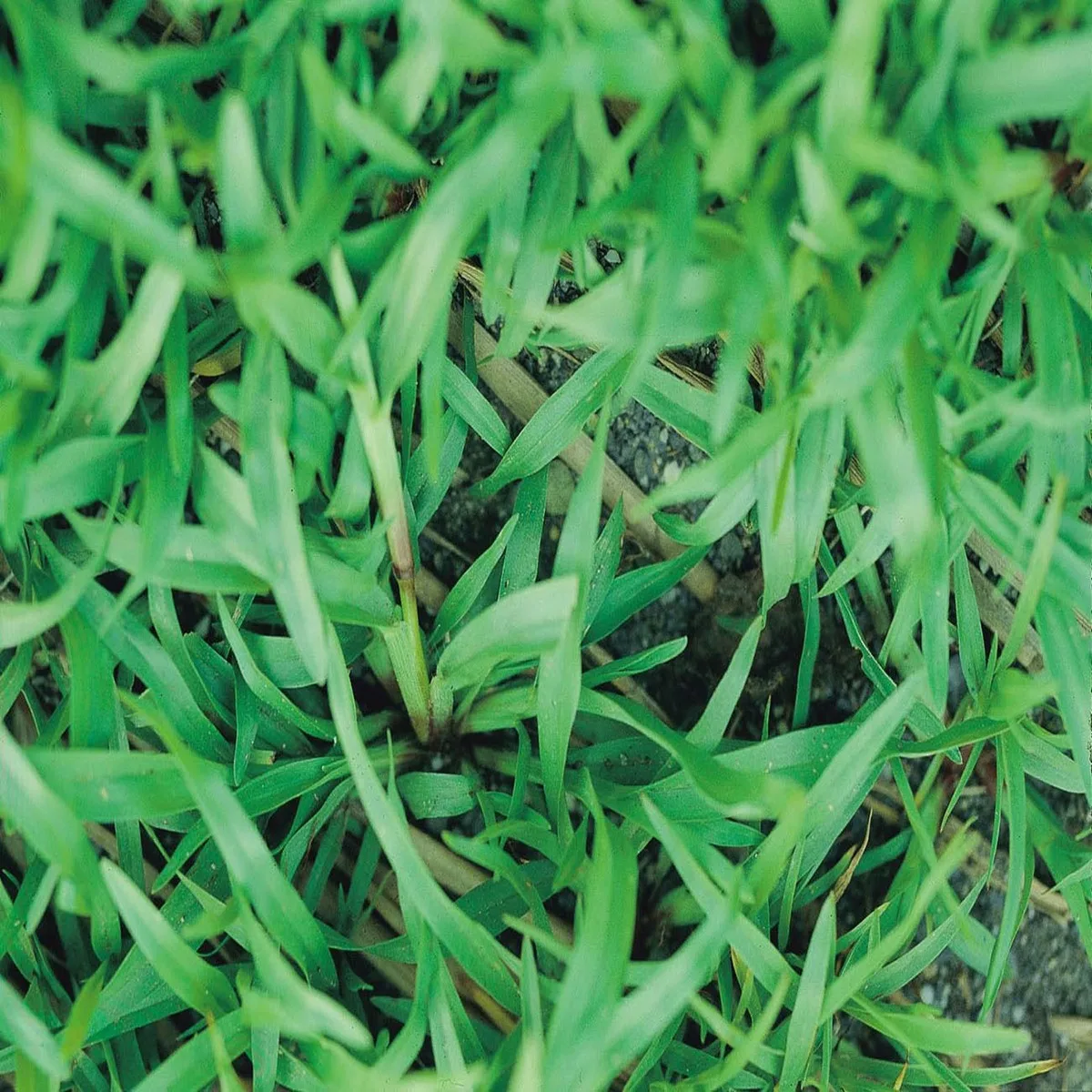
Image source: Web (Bing) / animalia-life.club (Web image (fair-use with source credit))
What Is Carpet Grass and Why Is It Taking Over?
Carpet grass is a sprawling, low-growing grass that hugs the ground and spreads with creeping stolons. It has coarse, light green blades with blunt, rounded tips. It’s often mistaken for crabgrass or centipede grass, but it’s actually a separate species.
University of Florida IFAS Extension describes it as a weed of moist, sandy, low-fertility sites. That explains the pattern you’ll notice in your yard. It crowds into thin lawns, especially where water pools and mower blades scalp the grass.
- It loves wet feet. Poor drainage gives it an edge over deeper-rooted turf.
- It tolerates low fertility. Heavy feeding helps your desired grass outcompete it.
- It climbs over fescue and other cool-season turf. Those lawns don’t have the summer vigor to outgrow it.
- It reseeds. Each seed head is packed with next year’s problem.
A healthy, dense lawn is the best defense. A well-planned fertilizer schedule keeps your turf growing so it can shade the soil and crowd out germinating carpet grass seedlings. That simple step does more than any spray you’ll buy.
First Step: Confirm You’re Dealing With Carpet Grass
Before you buy anything, confirm the culprit. Get down at lawn level and look at the leaves. Carpet grass has blunt, boat-like tips.
Compared with your lawn, its blades are wider, paler, and stiffer. It forms a dense, mat-like layer rather than standing upright.
Second, check the seed heads. Carpet grass shoots out two finger-like spikes that look like a tiny V. This is the easiest identifier.
Crabgrass seed heads are wider and more spread out, but that two-finger pattern is a strong signal.
Third, do a quick dig test. Use a trowel to lift a small patch. Carpet grass has white, branching stolons at the surface.
Bermudagrass has similar runners, so check the leaf tip again. If the tip is rounded and the blade feels coarse, you’re looking at carpet grass.
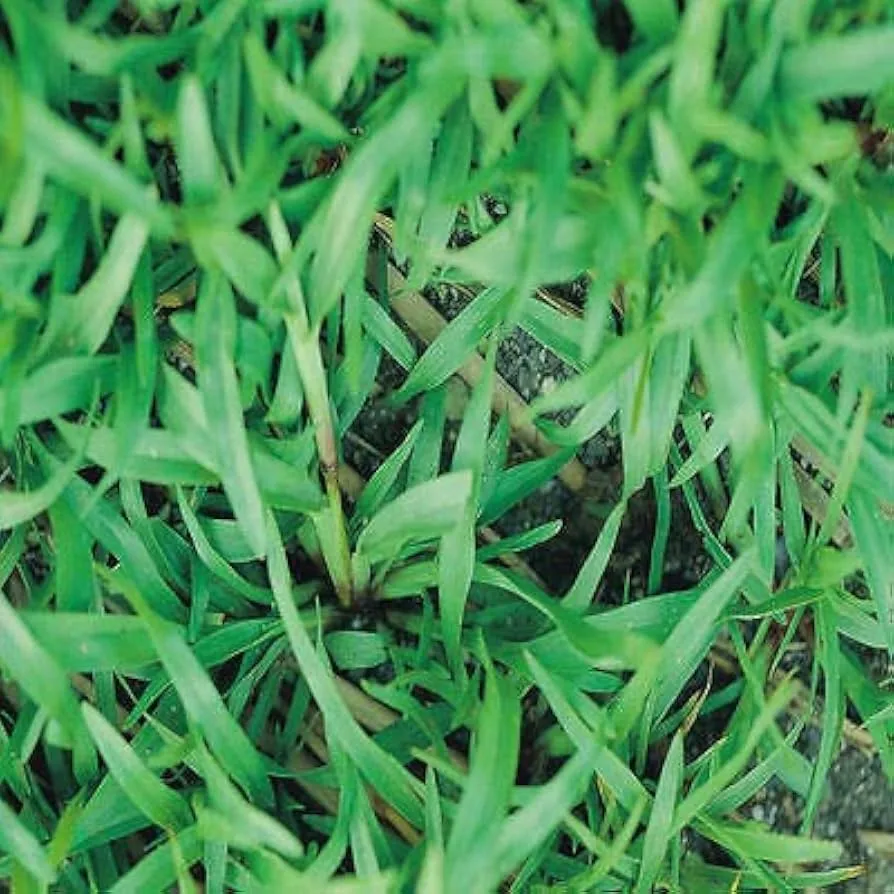
Image source: Web (Bing) / animalia-life.club (Web image (fair-use with source credit))
Still not sure? University extension photo libraries are useful, and comparing live plants side by side makes the difference obvious. Carpet grass is often confused with crabgrass, which is a different problem with different controls.
We’ve written a separate guide on crabgrass management if that’s what you’re actually dealing with.
Decision Branch 1: Spot-Treating Carpet Grass in Warm-Season Lawns
Here’s where your lawn type makes the call. If you have a warm-season lawn like Bermuda grass or zoysia, and carpet grass covers less than half the area, you can try spot treatment. The goal is to weaken the weed without nuking the turf around it.
Target actively growing carpet grass in late spring or early summer. Apply a selective grass herbicide labeled for use in your turf type. Options include sethoxydim, fenoxaprop-p-ethyl, and in some cases quinclorac.
Read the label to confirm it lists your lawn species.
Use a non-ionic surfactant at the rate recommended by the product. Mix a fresh spray solution and wet the carpet grass leaves, not the surrounding turf. Expect visible yellowing within 7 to 14 days.
Reapply at the interval stated on the label, usually two to three weeks later.
| Active ingredient | How it works | Key caution |
|---|---|---|
| Sethoxydim | Systemic; moves into stolons and roots | Extra surfactant helps |
| Fenoxaprop-p-ethyl | Slows weed growth after leaf uptake | Avoid in high heat |
| Quinclorac | Taken up through leaves and roots | Requires a surfactant; check label for your lawn species |
If the first treatment fails after three to four weeks, switch to renovation. Don’t keep spraying a tired lawn. A non-selective herbicide like glyphosate works faster, but it will also kill your good grass.
Use it only when you’re prepared to replant.
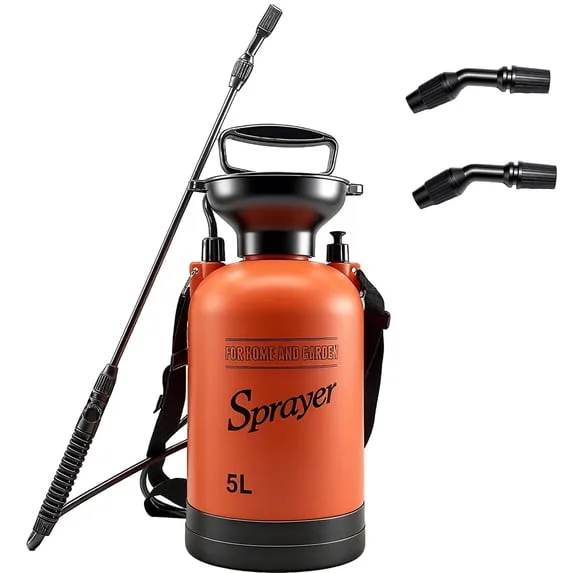
Image source: Web (Bing) / walmart.com (Web image (fair-use with source credit))
Spot treatment works best when the surrounding lawn is thick enough to fill in the gaps. If your grass struggles in wet, compacted spots, those areas will just grow carpet grass again. That’s when you need the bigger plan.
Decision Branch 2: Full Lawn Renovation for Heavy Infestations
If carpet grass has taken over more than half the lawn, or your yard is cool-season grass like fescue, skip the spot treatment. Full renovation is the cleanest, fastest, and least frustrating path.
Renovation means killing everything, fixing the soil, and starting from scratch. It sounds extreme, but it’s the same playbook professional lawn crews use. You avoid the endless cycle of spot-spraying and regrowth.
- Clear the area. Remove debris and mark sprinkler heads so you don’t damage them.
- Kill the existing lawn. Spray glyphosate at the label rate when the grass is actively growing and not stressed by drought.
- Wait 7 to 14 days. Reapply to survivors. A second application usually nails the stragglers.
- Rake or till the thatch. Once everything is brown and crispy, clear it out. Fix drainage and compaction now, because carpet grass loves soggy ground.
- Amend the soil. Mix in compost or a balanced starter fertilizer, then grade so water doesn’t pool.
- Plant the new turf. Sod gives fast results; seed costs less. Either way, water lightly but frequently at first.
Before you replant, think about why carpet grass moved in. Poor drainage is the top reason. Aerating compacted ground before planting helps water move through the soil and gives new grass deeper, tougher roots.
Watering is just as important. Carpet grass seeds germinate in moist, bare soil, so you want your new turf to knit together quickly. Follow a watering schedule that soaks deep but dries between sessions.
Shallow, daily water creates the exact conditions carpet grass needs.
If your yard has standing water after rain, fix that before planting. Carpet grass will come back to the same puddles. Repairing those bare, muddy spots before you lay sod saves you a second renovation.
Expect the renovation process to take four to six weeks from spray day to planting day. That includes the waiting period for the herbicide to fully kill the current grass, plus a few days of prep once the old lawn is gone. It’s not instant, but it’s permanent.