How to Get Rid of Carpet Grass in Your Lawn: Proven Fix
Carpetgrass is one of those warm-season weeds that looks like grass until it takes over. Knowing how to get rid of carpet grass in your lawn starts with matching the removal method to your turf type. It is not a quick one-size-fits-all spray.
University extension data shows carpetgrass thrives in acidic, compacted, low-fertility soil, often with a pH below 5.5. That’s why it moves into thin, damp lawns faster than many common lawn weed products can stop it. As of 2026, a real fix still means correcting the root conditions while you treat the visible patches.
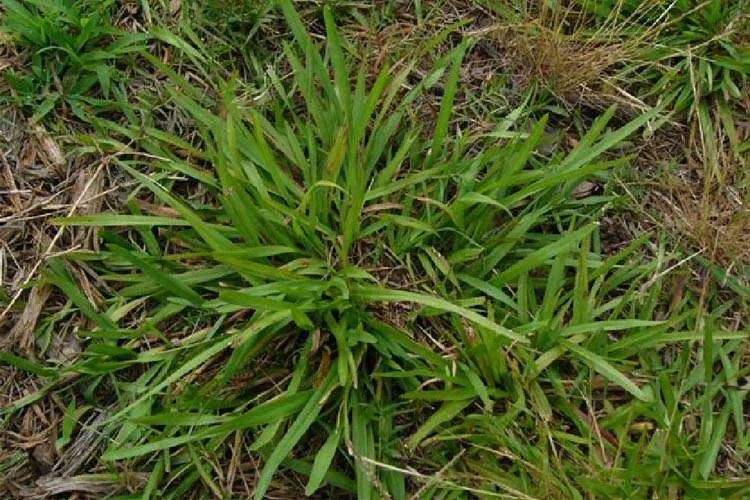
Image source: Web (Bing) / ar.inspiredpencil.com
Why Carpet Grass Takes Over a Warm-Season Lawn
Carpetgrass is not an annual that dies each winter. It is a perennial grassy weed that spreads by stolons, the above-ground runners that root along the stem. Those runners let it creep through thin turf and return year after year.
The weed also seeds aggressively. Seedheads pop up on short stalks with two or three slender branches, often within days of mowing. That double threat, seed plus stolon regrowth, is why a single treatment can leave a patch that bounces back.
In many Southeastern lawns, carpetgrass wins because the soil and moisture conditions are working against the desirable turf. You will usually see it in lawns with one or more of these issues:
- Soil pH below 5.5, which weakens centipedegrass and St. Augustinegrass.
- Compacted or low-fertility soil that slows turf recovery.
- Shaded spots where warm-season grass grows thin.
- Poor drainage or overwatering that keeps the root zone wet.
The First Move: Identify Carpet Grass Before You Treat Anything
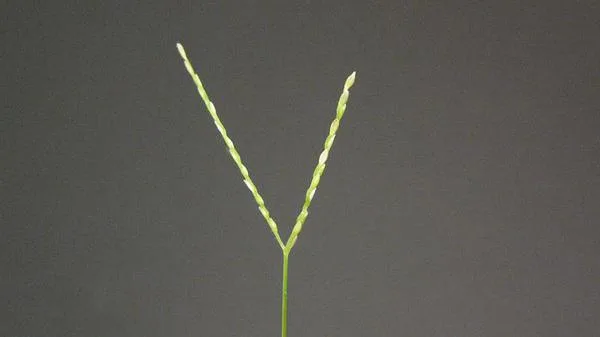
Image source: Web (Bing) / turffiles.ncsu.edu
Before spraying, look at the blade, the stolons, and the seedhead. Carpetgrass has broad, light-green blades that look coarser than centipedegrass or St. Augustinegrass.
The seedhead is the easiest tell. It forms two or three thin, fingerlike spikes on top of a short stem.
To confirm, check for these features:
- Stolons running along the soil surface and rooting at nodes.
- A folded, pale shoot tip rather than a sharp taper.
- Seedheads with two or three slender racemes.
- A clumpy, prostrate growth habit that looks flat in the lawn.
Homeowners often mistake carpetgrass for crabgrass, but the two need different control timing. Crabgrass is a summer annual, so it dies after frost and responds to products like quinclorac. Carpetgrass is a perennial, so it needs a different control timing than a quick crabgrass spray.
NC State’s TurfFiles database lists carpetgrass as a warm-season perennial that spreads by stolons. The USDA PLANTS database recognizes the main weedy species as Axonopus compressus, or broadleaf carpetgrass, and Axonopus fissifolius, the narrowleaf type. Most lawn infestations in the Southeast are the broadleaf species.
Quick Decision Tree: Which Removal Path Fits Your Lawn?
The path changes based on two things: the turf species you are protecting and how much carpetgrass is present. If the patches are small and few, spot treatment works in almost any established lawn. If the weed is widespread, the plan depends on whether your grass can tolerate a selective herbicide.
| Your turf type | Infestation level | Best first move |
|---|---|---|
| Any established warm-season lawn | Small or scattered patches | Glyphosate spot treatment with a shield |
| Bermudagrass or zoysiagrass | Widespread patches | Selective grass herbicide, or full spot renovation with glyphosate |
| Centipedegrass | Scattered patches and low pH | Careful spot treatment plus soil correction |
| St. Augustinegrass | Widespread or persistent | Glyphosate spot treatment only, then replant |
Use this order before you spray. First, identify the weed. Second, identify the desirable grass.
Third, check the infested area size. That avoids the mistake of broadcasting a product that damages the turf you want to keep.
Path 1: Kill Small Carpet Grass Patches in Any Established Lawn
For small patches, a non-selective glyphosate product is usually the most reliable option. It kills the whole plant, including the stolons and roots. The trick is to avoid hitting the desirable grass around it.
Follow this sequence:
- Verify the patch is carpetgrass, not a similar-looking turf.
- Do not mow for two or three days before treatment so more leaf surface is exposed.
- Mix glyphosate according to the label and use a low-pressure sprayer.
- Shield the surrounding good grass with cardboard, plastic, or a cone.
- Spray the carpetgrass until wet, not dripping.
- Wait 7 to 14 days for yellowing, then two to three weeks for full kill.
- Remove the dead material and loosen the soil before patching.
The rainfast window matters after application. Check the product label, because watering too soon can dilute the spray before the weed absorbs it. After the grass dies, keep the bare spot from drying out while you prepare the area.
If you are patching with seed, follow proper seed spreading after you loosen the soil. That helps the new grass fill in evenly instead of leaving thin gaps for carpetgrass to reclaim.
Path 2: Remove Widespread Carpet Grass in Bermuda or Zoysia
Bermudagrass and zoysiagrass are more forgiving when it comes to selective grassy weed control. Some products containing sethoxydim or fluazifop-P-butyl can suppress carpetgrass in these grasses, but only if the label specifically lists your turf species. Read that label before buying or spraying.
If the carpetgrass covers large sections, a renovation approach is often cleaner. Spray the entire affected area with glyphosate, wait for full dieback, remove the dead grass, and start fresh. Then you do not fight surviving stolons and seed for months.
A simple plan for widespread patches:
- Mark the boundary between carpetgrass and good turf.
- Spray the weedy section with glyphosate on a dry day.
- Wait two to three weeks for complete death.
- Core aerate or rake the dead area and topdress lightly.
- Reseed or plug with the same bermudagrass or zoysiagrass type.
- Apply preemergence the following spring to reduce new seedlings.
If you are overseeding larger sections, spread the seed evenly and keep the soil moist for the first few weeks. You also want to return to the correct mowing height once the new grass establishes. That helps the desirable turf outcompete any carpetgrass regrowth.
Path 3: Control Carpet Grass in Centipede Grass Without Ruining It
Centipedegrass is the trickiest turf for this weed. It grows slowly and hates aggressive herbicide treatments. Many selective grass killers that work in bermudagrass will yellow or kill centipedegrass.
So the safe play in centipede lawns is spot treatment only. Use glyphosate on the carpetgrass clumps, never broadcast it. Shield the good grass carefully.
Before you spray, check the soil pH. Centipedegrass prefers a pH around 5.0 to 6.0. Carpetgrass takes over when pH drops below 5.5 because centipede gets weak.
A soil test from your local extension office will tell you if lime is needed.
Follow these steps for centipedegrass:
- Test the soil and add lime if pH is below 5.0.
- Spray only the carpetgrass patches with glyphosate using a shield.
- Wait three weeks for full kill.
- Rake out the dead weed and loosen the top inch of soil.
- Patch with centipedegrass seed or sprigs, not sod that may have a different pH need.
- Keep the new grass watered lightly until it fills in.
Do not over-fertilize centipedegrass. Heavy nitrogen pushes top growth and invites carpetgrass. Feeding your lawn at the right time with a low-nitrogen plan helps centipede stay dense without overstimulating it.
Path 4: Handle Carpet Grass in St. Augustinegrass When Selective Options Are Limited
St. Augustinegrass is even more sensitive to selective grass herbicides than centipedegrass. There is no reliable home-use selective product that kills carpetgrass without damaging St.
Augustine. That limits you to careful glyphosate spot treatment.
The key is protecting the stolons. St. Augustine spreads by thick above-ground runners, just like carpetgrass.
A shield is mandatory.
For scattered carpetgrass in St. Augustine:
- Identify the exact patch before spraying.
- Use a piece of cardboard or a plastic cone to shield the St. Augustine.
- Spray glyphosate on the carpetgrass until wet.
- Wait two to three weeks for complete death.
- Cut out the dead carpetgrass with a sharp spade.
- Plug or sod the spot with matching St. Augustine.
If the carpetgrass is widespread throughout the St. Augustine, full renovation may be cleaner. Kill the whole section, regrade if needed, and resod.
That avoids killing your good grass one patch at a time.
St. Augustine also prefers a slightly higher pH, around 6.0 to 7.0. Carpetgrass in St.
Augustine often signals low pH plus excess shade or moisture. So after you remove the weed, correct those conditions or it will return.
If the Lawn Is Thin, Shady, or Poorly Drained: Fix the Root Conditions First
Herbicide alone will not fix a carpetgrass problem. The weed is a symptom of weak turf. If your lawn is thin, shaded, or sits wet for hours after rain, carpetgrass has the edge.
Start with a soil test. University extension labs give you pH, phosphorus, potassium, and lime recommendations. In acidic Coastal Plain soils, lime often makes a bigger difference than any spray.
Check drainage next. Water that pools or leaves the soil constantly wet favors carpetgrass. Aerating, regrading low spots, or redirecting downspouts helps the desirable grass breathe.
Shade is harder to fix. If trees keep the lawn too dark for warm-season turf, you may need to prune branches or accept a shade-tolerant groundcover. Carpetgrass will keep winning if the turf gets less than four hours of direct sun.
Finally, match your watering to the turf. Frequent shallow watering weakens roots. Watering for longer intervals less often encourages deeper roots and denser growth.
Step-by-Step Removal, Repair, and Replanting Process
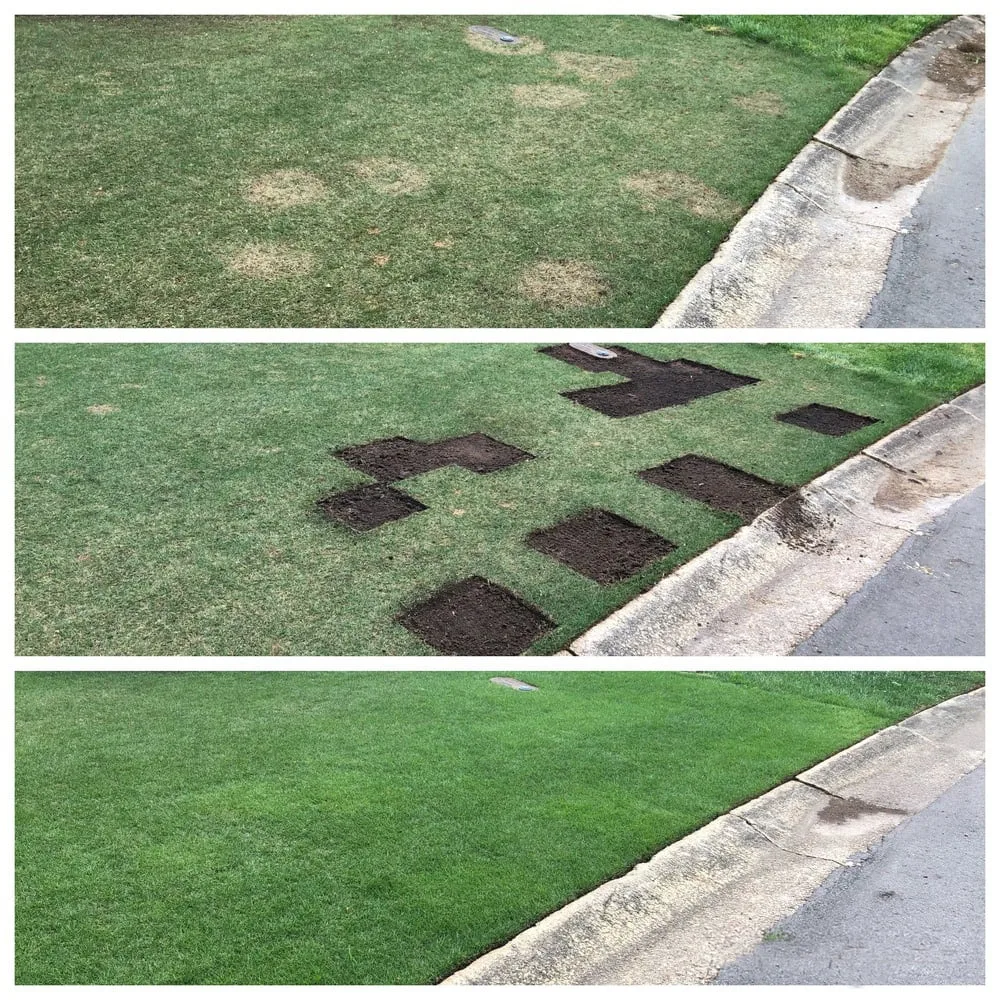
Image source: Web (Bing) / info.supersod.com
Here is a streamlined repair sequence for any warm-season lawn. Adjust the timing to the herbicide label.
- Identify the carpetgrass patches and mark them with landscape paint.
- Do not mow for two days before treatment.
- On a dry, calm day, spray glyphosate with a shielded sprayer.
- Wait 7 to 14 days for yellowing and two to three weeks for full kill.
- Cut out the dead carpetgrass with a sod cutter or spade.
- Rake the bare soil and add a half inch of compost or topsoil.
- Level the area and firm it lightly.
- Seed, plug, or sod with the same turf species.
- Water the new grass lightly every day for two weeks.
- Do not mow the patched area until the new grass reaches one third above its normal height.
The following spring, apply a preemergence product like prodiamine or dithiopyr when soil temperatures reach about 55°F. That stops carpetgrass seeds from sprouting in the repaired spots.
Timing matters for reseeding warm-season grass. The best time to reseed is late spring to early summer, after the soil warms. That gives the new turf a head start over any carpetgrass that tries to return.
Herbicide Comparison: Glyphosate vs Selective Grass Killers vs Preemergence
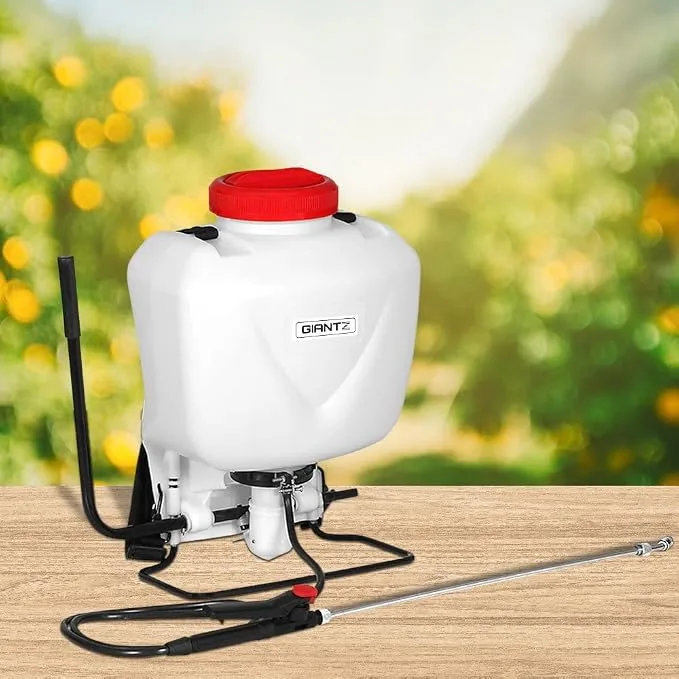
Image source: Web (Bing) / amazon.com.au
The right herbicide depends on the situation. Here is a simple breakdown:
| Product type | What it kills | Safe on which turf | Best use |
|---|---|---|---|
| Glyphosate | Any green plant, including carpetgrass | Only with shielded spot treatment | Small patches in any lawn |
| Sethoxydim or fluazifop | Some grassy weeds, including carpetgrass | Only where the label lists bermudagrass or zoysiagrass | Larger carpetgrass areas in those lawns |
| Prodiamine or dithiopyr | Seedlings before they emerge | Most established warm-season turf | Spring prevention after removal |
Preemergence does not kill existing carpetgrass. It only stops new seedlings. Use it after you have already removed the mature weed.
Selective grass herbicides are not a universal fix. Many residential products do not list St. Augustine or centipedegrass.
Applying one anyway can thin or kill your good grass.
For spot treatment, a glyphosate concentrate with a small pump sprayer works well. The product label provides the exact mixing and rainfast instructions. Never guess the rate.
Common Mistakes That Let Carpet Grass Come Back Stronger
Mistaking carpetgrass for crabgrass tops the list. Pulling out a crabgrass killer with quinclorac may not touch mature carpetgrass. You lose a full growing season waiting for it to die.
Skipping the soil test is another major miss. Carpetgrass loves acidic soil. If the pH stays below 5.5, the weed will reclaim the bare spots you worked so hard to clear.
Spraying glyphosate as a broadcast treatment over the whole lawn is a costly error. It kills the desirable warm-season grass and leaves you with a full renovation you did not plan for.
Low mowing also helps carpetgrass. Centipedegrass and St. Augustine need taller cuts to shade out weed seedlings.
Cutting too short opens the canopy for carpetgrass to return.
Finally, never skip preemergence the spring after removal. Carpetgrass seed can sit in the soil for several seasons. One spring without preemergence can mean a fresh carpet of seedlings.
Long-Term Prevention: Soil pH, Mowing, Watering, and Fertilizer Adjustments
The long game is about making your turf too dense for carpetgrass to invade. That starts with soil pH. Use a lab soil test and apply lime only at the recommended rate.
| Turf type | Ideal soil pH | Mowing height |
|---|---|---|
| Centipedegrass | 5.0 to 6.0 | 1.5 to 2 inches |
| St. Augustinegrass | 6.0 to 7.0 | 3.5 to 4 inches |
| Bermudagrass | 6.0 to 6.5 | 1 to 1.5 inches |
| Zoysiagrass | 6.0 to 6.5 | 1 to 2 inches |
Water deeply and less often. That pushes roots down and makes the turf more resilient. Frequent light watering keeps the surface wet, which carpetgrass prefers.
Fertilize according to the turf species, not a generic schedule. Centipedegrass needs low nitrogen. Overfeeding it can create soft top growth that gives carpetgrass a foothold.
Mow at the high end of the recommended range in shaded areas. Taller grass shades the soil and slows carpetgrass seed germination.
FAQs About Carpet Grass Control in Home Lawns
Will quinclorac kill carpetgrass?
Not reliably on mature perennial carpetgrass. Quinclorac is effective for crabgrass, which is an annual. On established carpetgrass, glyphosate or a labeled selective grass herbicide is the better route.
Can I pull carpetgrass by hand?
Only for tiny, isolated plants. Because carpetgrass spreads by stolons, any rooted stem left behind will regrow. Hand removal works best when the soil is moist and you remove the entire stolon network.
How long does glyphosate take to kill carpetgrass?
Expect yellowing in 7 to 14 days. Full desiccation can take two to three weeks. Do not dig or replant too soon, or live stolons may resprout.
Does preemergence stop existing carpetgrass?
No. Preemergence products like prodiamine or dithiopyr only stop seeds from germinating. They do not kill established plants.
You must remove mature carpetgrass first.
Is carpetgrass safe to leave in a lawn?
It will not harm you, but it will spread. The coarse blades and frequent seedheads make the lawn look uneven and unmowed. In manicured turf, it is considered a weed.
Final Decision Guide: Your Best Removal Path Based on Turf Type and Infestation Level
Choose your approach based on how much carpetgrass you have and which turf you want to protect. For small patches, use shielded glyphosate spot treatment and replant the bare areas. For widespread carpetgrass in bermudagrass or zoysiagrass, a labeled selective herbicide or targeted renovation can be the better choice. In centipedegrass and St. Augustinegrass, stick with careful spot treatment unless the product label specifically confirms otherwise.
Most importantly, do not stop after killing the visible weed. Test the soil, improve drainage, manage shade and watering, and maintain the right mowing practices. A stronger, denser lawn gives carpetgrass fewer opportunities to return.