How Long for Lawn to Grow From Seed
If you’ve ever tossed a bag of grass seed onto bare dirt and waited impatiently for a green carpet to appear, you already know the sinking feeling of watching nothing happen for weeks. The honest answer to how long for lawn to grow from seed is: it’s rarely a simple number, and that’s what drives most people crazy. Some grass types can poke through in under a week; others take nearly a month to show a single blade.
Research from university turfgrass programs (including work at Michigan State and Rutgers) confirms that germination speed depends on a handful of controllable factors: grass species, soil temperature, watering consistency, and seed quality. Forget the “two weeks” promise on the bag, your real timeline is a decision tree, not a calendar date. Let’s walk through the variables so you can predict yours with confidence.
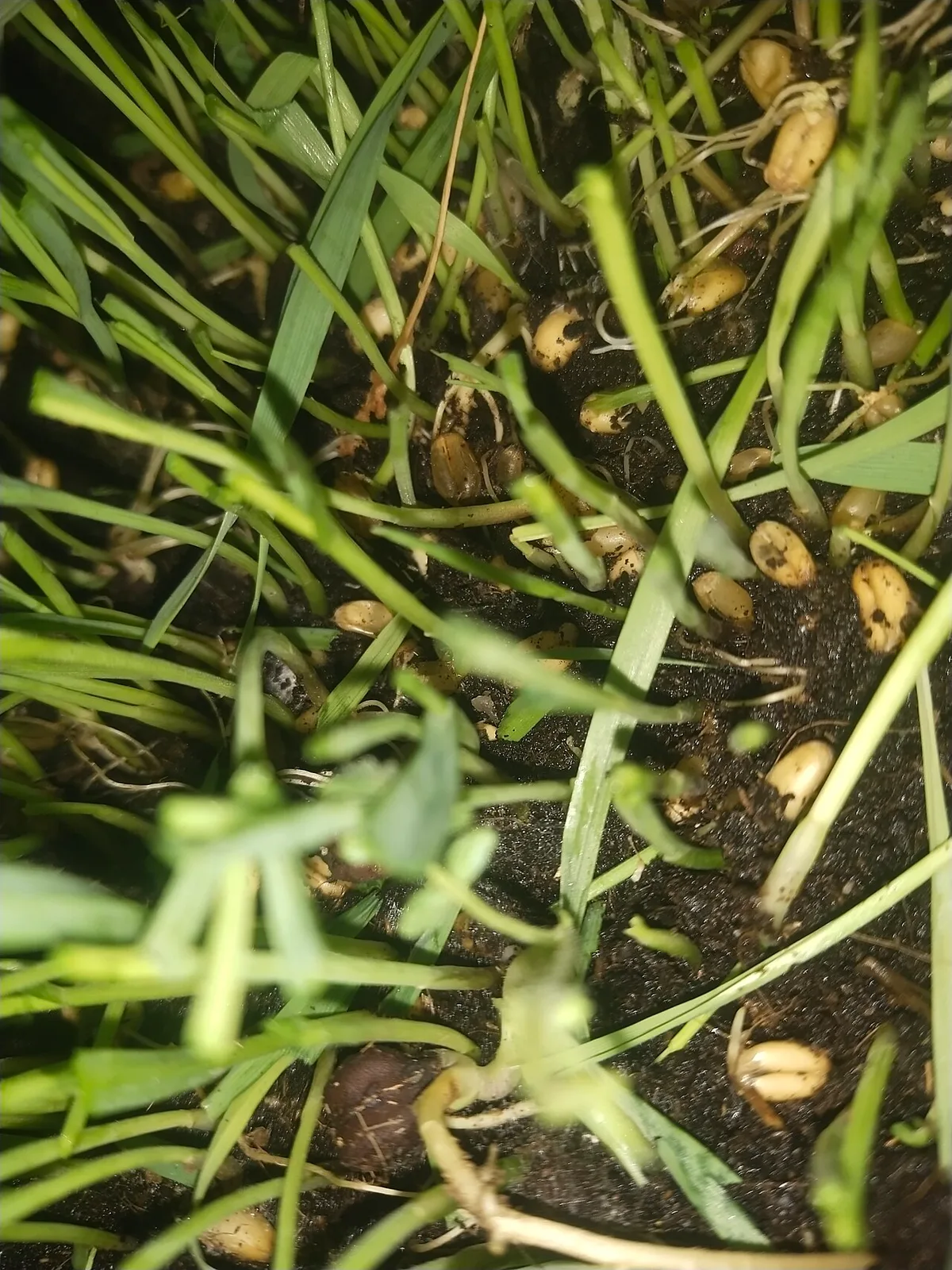
Image source: Wikimedia Commons / Aerospectra (CC BY)
Quick Answer
Grass seed germinates in 5 to 30 days. Cool-season types like perennial ryegrass sprout fastest (5, 10 days). Warm-season grasses like bermudagrass take 7, 14 days.
Kentucky bluegrass is the slowest: 14, 30 days. You can mow new grass about 4, 6 weeks after seeding. Full lawn establishment takes 8, 16 weeks.
Soil temperature and daily watering matter more than the calendar.
The Two Big Variables That Control Your Timeline
Your seeding date and your grass selection decide everything. If you ignore these two variables, the timeline on the bag becomes meaningless.
Soil temperature is the strongest trigger for germination. Cool-season grasses (perennial ryegrass, tall fescue, Kentucky bluegrass) need soil temps between 50°F and 65°F. Warm-season grasses (bermudagrass, zoysia, centipede) won’t sprout until soil hits 70°F to 95°F.
Plant too early in cold soil and the seed just sits there, often rotting or getting eaten by birds. Plant too late in hot soil and the tender seedlings fry before they root.
The second variable is grass species. Not all seeds are equal. Perennial ryegrass germinates in 5, 10 days because its seed structure is thin-walled and quick to absorb water.
Kentucky bluegrass, with a thicker hull and built-in dormancy, can take 14, 30 days. If you mix them (common in “sun/shade” blends), you’ll see the ryegrass pop up first and wonder why the bluegrass spots stay bare for another two weeks.
Use a soil thermometer, it’s a cheap tool that removes the guesswork. Without it, you’re guessing based on air temperature, which can be very different from ground temp.
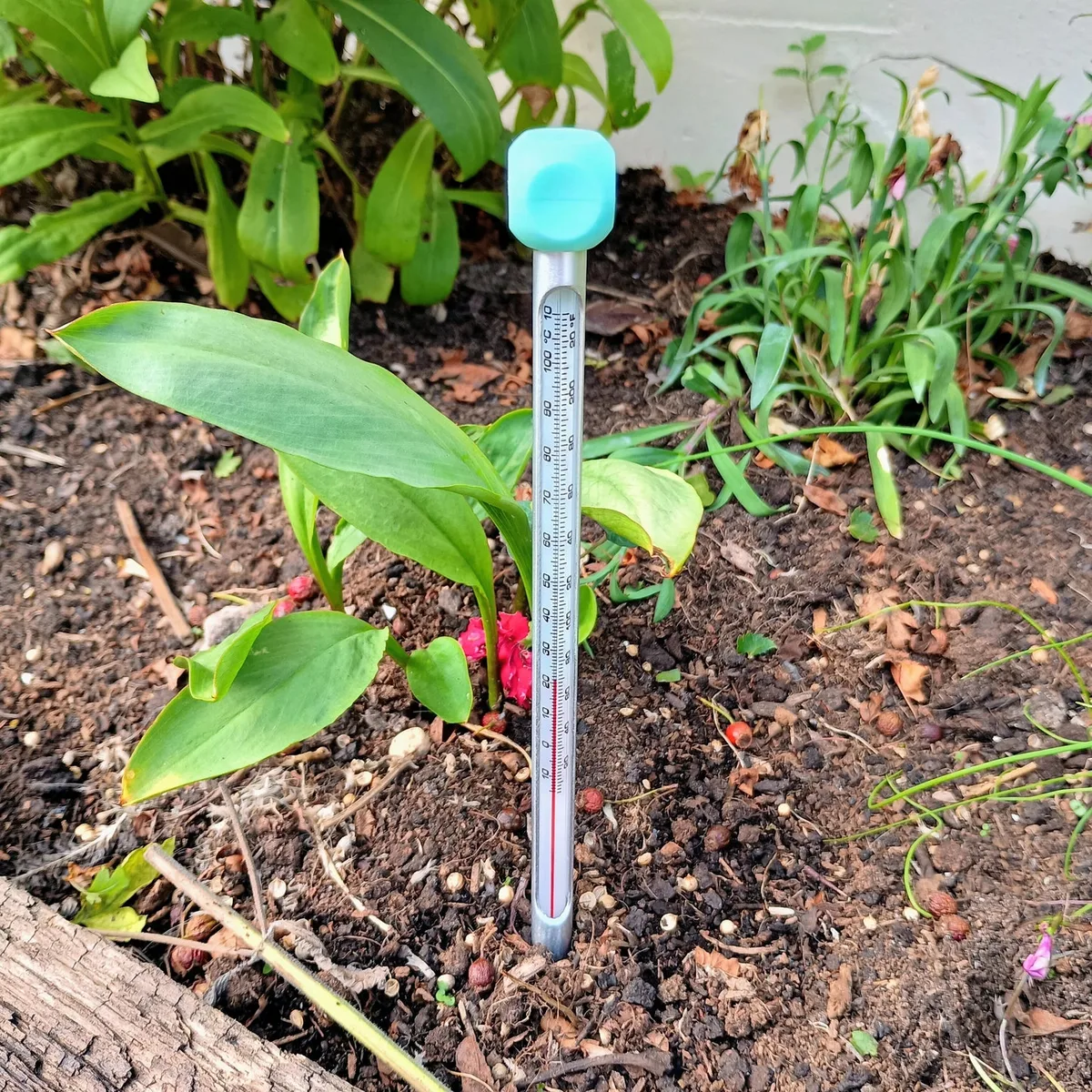
Image source: Web (Bing) / seedsireland.ie
Decision Guide: Pick Your Grass, Get Your Answer
Here’s the simple rule: choose your grass type first, then calculate your timeline. The table below shows typical germination ranges based on manufacturer specs and university trial data. Your actual results will vary with soil prep and watering.
| Grass Type | Germination (days) | Time to First Mow (weeks) | Full Establishment (weeks) |
|---|---|---|---|
| Perennial ryegrass | 5–10 | 4 | 8–10 |
| Tall fescue | 7–14 | 4–5 | 10–12 |
| Fine fescue | 7–14 | 4–5 | 10–12 |
| Kentucky bluegrass | 14–30 | 5–6 | 12–16 |
| Bermudagrass (hulled) | 7–14 | 4–5 | 8–12 |
| Zoysia grass | 14–28 | 6–8 | 12–16 |
| Centipede grass | 14–28 | 5–6 | 12–16 |
| Buffalograss | 14–21 | 5–6 | 10–14 |
If you need fast results (e.g., covering bare dirt before a rain event or a party), choose perennial ryegrass. It’s the sprinter. But it’s not the most drought-tolerant or durable long-term.
If you want a lawn that survives summer heat, tall fescue (cool-season) or bermudagrass (warm-season) are better bets. They take a bit longer but reward you with deeper roots and less watering later.
If you’re overseeding an existing thin lawn, a mix with perennial ryegrass can give quick visual results while slower types fill in behind it. Just know you’ll be mowing the fast stuff earlier.
Soil temperature is non-negotiable here. Per the USDA’s plant hardiness guidelines, always check your local extension office’s recommended seeding window based on your zone. They publish soil temperature maps for your area, use them.
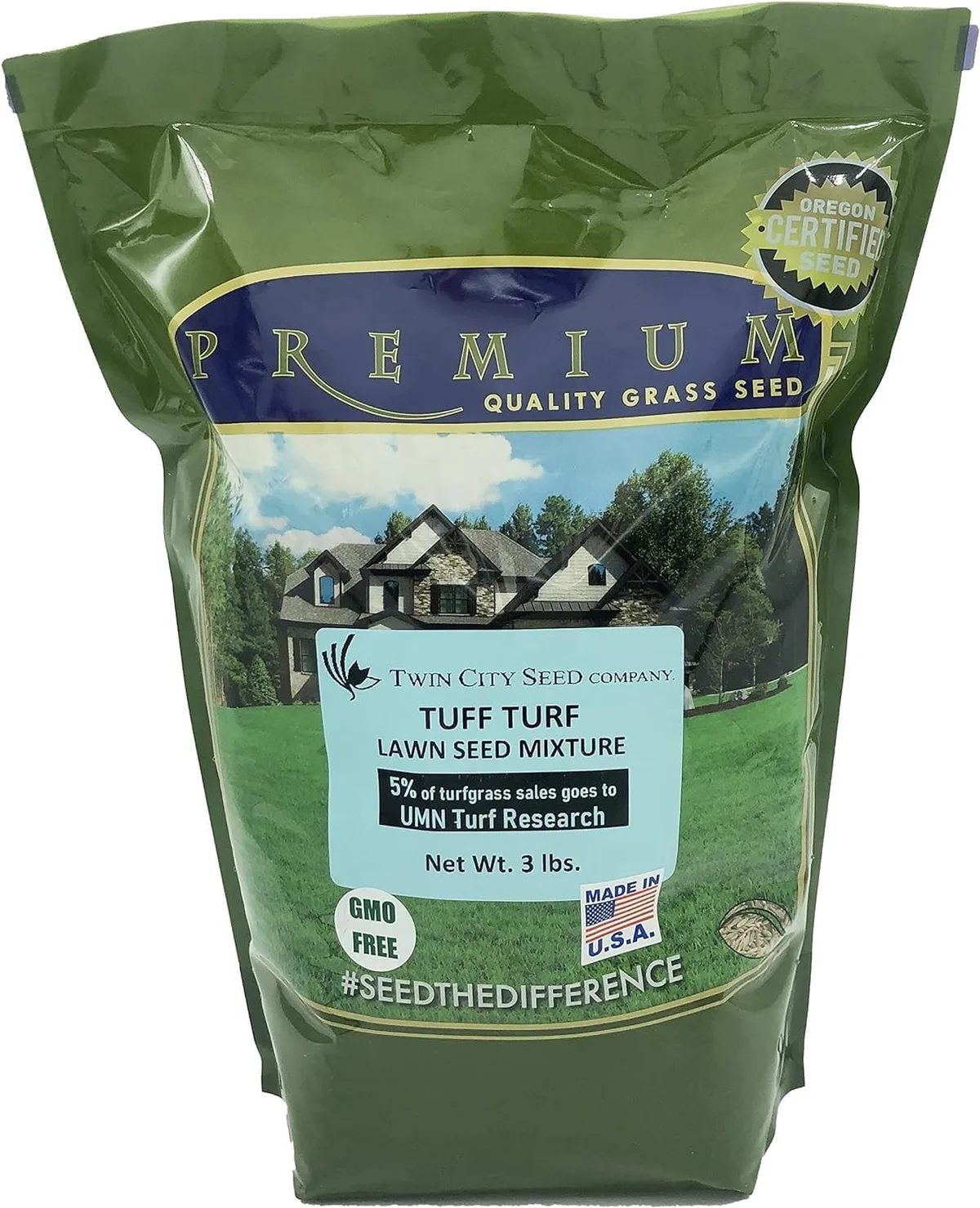
Image source: Bing (Web (fair-use with source credit))
Step-by-Step: What Week 1 Through Week 8 Actually Looks Like
Here’s the playbook for a successful cool-season seeding in early fall (or warm-season seeding in late spring). Adjust timelines based on your chosen grass.
Week 1: Seed meets soil
Days 1, 3: Seed is soaking up moisture. You’ll see nothing above ground. Water lightly two to three times daily, just enough to keep the top 1/4 inch moist.
If the soil crusts or dries, germination stops.
Days 4, 7: For perennial ryegrass and tall fescue, tiny white root shoots appear. You might spot the first green blades by day 5, 7. Don’t mow yet.
Weeks 2, 3: Visible green, still fragile
Grass is 1, 2 inches tall. It looks thin and patchy. Keep watering frequently, switch to two waterings per day but slightly deeper.
Reduce to once daily if you see standing water. Pull any big weeds by hand (do not use weed killer yet). First light mow at week 4, when grass is 3, 4 inches tall, cutting to 2, 2.5 inches.
Mow with sharp blades and don’t remove more than 1/3 of blade height.
Weeks 4, 6: Fill-in and root development
Grass thickens. You can water less often but deeper, 1/2 inch every other day. Apply a starter fertilizer (high phosphorus) at week 4, 5.
Avoid heavy foot traffic. If you see bare spots, overseed now before the existing grass gets tall enough to shade new seed.
Weeks 6, 8: First real mowing rhythm
By week 8, most lawns are ready for a normal mowing schedule. Continue watering deeply twice a week. Watch for signs of fungus, if you see yellow patches or white powdery film, treat it early.
For detailed help, our guide on treating lawn fungus walks through identification and organic solutions.
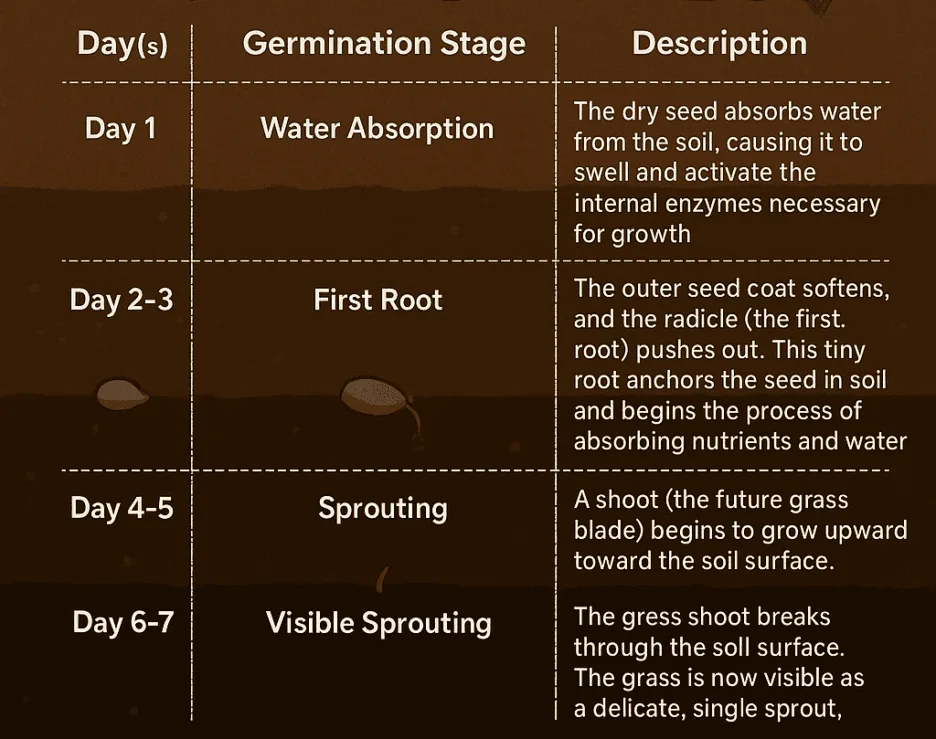
Image source: Web (Bing) / blog.lawnguru.co
The 5 Mistakes That Wreck a Seeded Lawn
Most failures aren’t about bad seed. They’re about bad habits. Here are the five biggest errors, based on aggregate user reviews and extension agent feedback.
1. Seeding too deep
Grass seed needs light to germinate. Bury it more than 1/4 inch and it won’t reach the surface. Rake it in lightly, you don’t need to cover every seed.
2. Overwatering (or underwatering)
The top 1/4 inch must stay damp constantly for the first two weeks. Let it dry out once and the root dies. But turning the soil into mud washes seed into puddles.
Use a timer or a simple “fingertip test”, if the soil feels dry, water for 5, 10 minutes immediately.
3. Using pre-emergent weed killer before or during seeding
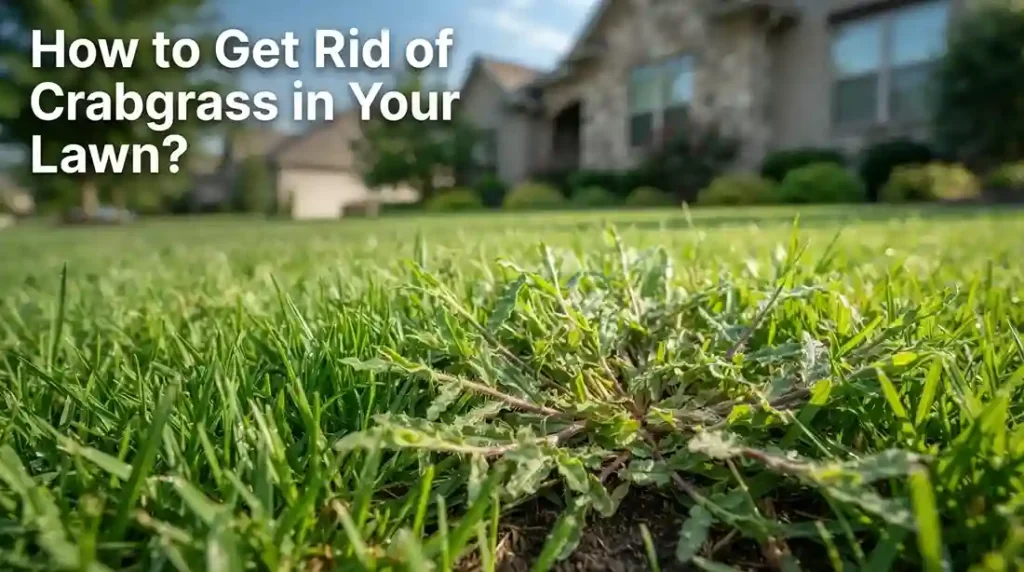
Pre-emergents stop all seeds from germinating, grass included. Wait until after the third mowing to apply any herbicide. If crabgrass is already a problem in your area, you’ll need to tackle it later using a targeted crabgrass removal method.
4. Mowing too early or too short
New grass roots are shallow. Mowing before 3 inches tall can rip the whole plant out. And cutting too short (scalping) stresses the grass, making it vulnerable to disease and weeds.
Keep the blade high.
5. Skipping soil prep
Throwing seed on compacted clay or rocky dirt is a waste of money. Loosen the top 2, 3 inches, remove debris, level low spots, and add a thin layer of compost if your soil is sandy or heavy clay. A soil test will tell you if you need lime or phosphorus.
The best time to reseed is after you’ve prepped properly.
Avoid these, and your lawn has a strong chance of filling in within the expected timeline.