



Onion grass is one of the most frustrating weeds in any lawn. If you’ve been wondering how to get rid of onion grass in lawn without wrecking your turf, you’re in the right place. You pull it, mow over it, and it still shows up again a week later.
This weed is stubborn, but it’s not unbeatable.
The real challenge is timing. Pulling often makes the problem worse, because the tiny bulblets snap off and regrow deeper in the soil. Per Oregon State University Extension, the most effective control window is early spring, before seed heads form.
Let’s start by making sure you’re actually dealing with onion grass, because a lot of people confuse it with other weeds.
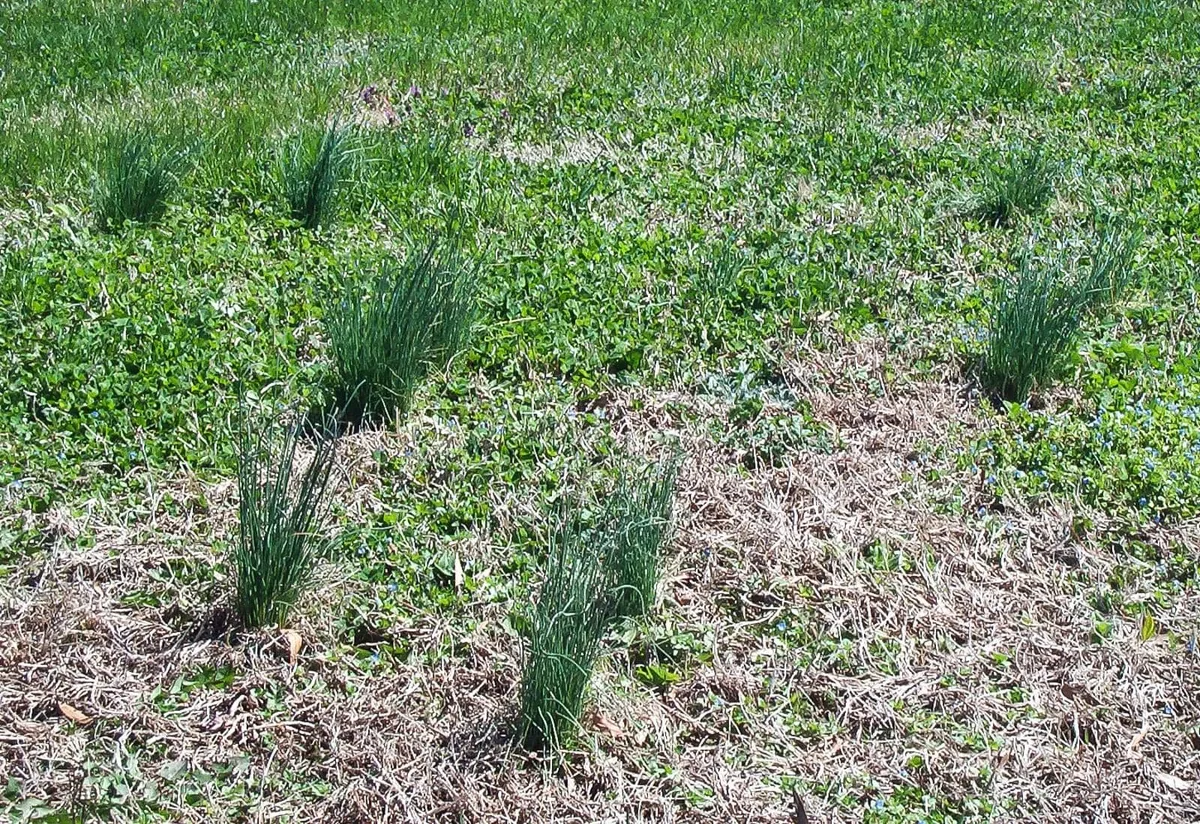

Image source: Web (Bing) / lawnphix.com (Web image (fair-use with source credit))
First, Make Sure It’s Actually Onion Grass
Before you reach for a sprayer, look at theleaves closely. Onion grass (wild onion) has hollow, round leaves that smell like onion when crushed. Wild garlic, on the other hand, has flat, solid leaves.
Both belong to the same Allium family, and control methods are nearly identical. Nutsedge is a common lookalike, but it has a triangular stem and no onion smell.
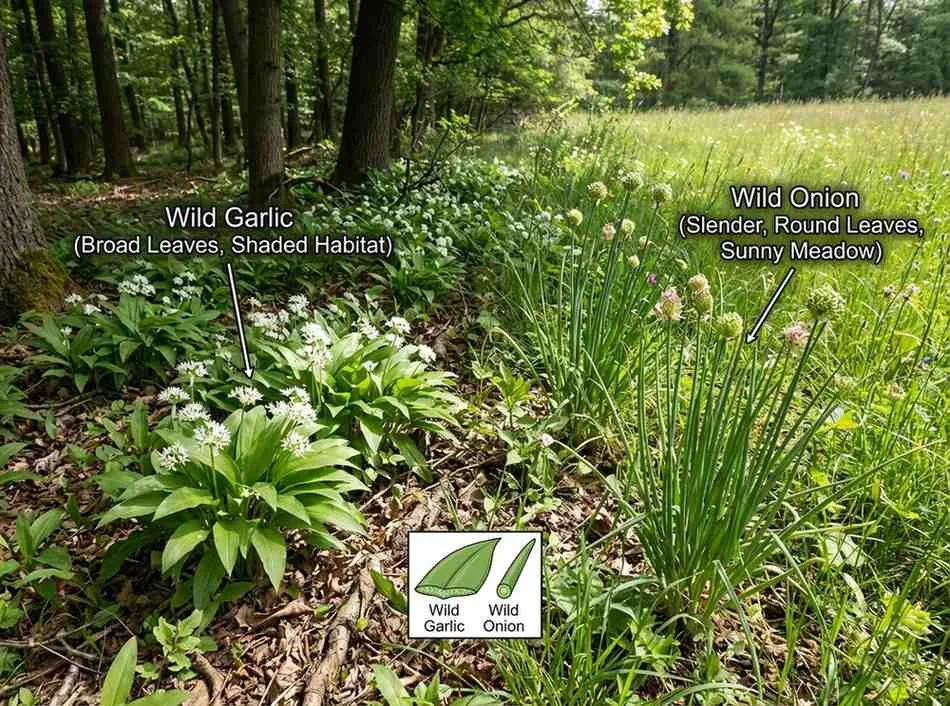

Image source: Bing (Web (fair-use with source credit))
Here’s a quick cheat sheet for the lawn:
| Weed | Leaf Shape | Stem | Smell When Crushed |
|---|---|---|---|
| Wild onion | Hollow, round | Round | Strong onion |
| Wild garlic | Flat, solid | Solid | Mild garlic |
| Nutsedge | V-shaped, glossy | Triangular | None |
If you’re still unsure, crush a leaf. If it smells like something from the kitchen, you’ve got onion grass. If there’s no smell, you’re likely dealing with a sedge, and that needs a different treatment entirely.
Why Onion Grass Keeps Coming Back (and Why Pulling Usually Fails)
Here’s the thing about onion grass. It grows from a bulb underground, and around that bulb, it produces tiny bulblets. When you grab the top and pull, the main bulb often snaps off underground.
Those bulblets stay put. And each one can grow into a new plant.
Timing matters too. If you pull in early spring, the bulbs are small and shallow. A careful dig can remove them.
But if you pull during the summer, the bulbs are deeper, and you’re almost guaranteed to leave some behind.
The other mistake people make is composting the pulled weeds. Those bulblets survive the compost pile. So you’re essentially spreading the problem back into your lawn.
University extension research from the University of Minnesota confirms that a single wild garlic plant can produce over 100 bulblets in one season. That’s why a small patch can become a widespread problem in just a couple of years.
The Quick Answer: Time Your Attack, Then Choose One of Three Paths
The best approach depends on three things. How big the infestation is. What kind of lawn you have.
And how you feel about using herbicides.
For small patches (less than a few square feet), dig carefully with a weeding tool and remove the entire clump, bulblets and all. Bag it. Don’t compost it.
For widespread infestations, use a selective broadleaf herbicide that contains 2,4-D, dicamba, or MCPA. Apply in early spring or mid-fall when the plant is actively growing. Reapply after 2 to 3 weeks.
For organic control, repeated spot treatment with a vinegar solution or boiling water can work, but only if you’re persistent. You’ll need to treat every 10 to 14 days for several weeks. It’s a commitment.
The key to all three methods is the same. You have to target the bulb. If you only kill the leaves, the plant just regrows.
Step 1: Assess Your Lawn Situation
Infestation Size: A Few Sprouts or a Full Lawn?
Take a walk around your lawn. Look for clumps of hollow, round leaves. A few isolated clumps is a small infestation.
This is best handled with hand digging.
If you see patches everywhere, or if the weed is mixed in with your grass across a large area, you’re dealing with a widespread infestation. This calls for herbicide or a full lawn renovation.
Your Lawn Type: Cool-Season vs Warm-Season Grasses
Your lawn type affects which herbicides are safe to use. Cool-season grasses like fescue, bluegrass, and ryegrass handle most broadleaf herbicides well. Warm-season grasses like Bermuda, Zoysia, and St.
Augustine are more sensitive. Some herbicides can damage them.
If you have St. Augustine, always check the label carefully. Many products warn against use on this grass type.
Your Tolerance: Organic Methods vs Synthetic Herbicides
This is a personal choice. Organic methods take longer and require more effort. They’re safer for kids, pets, and the environment.
But they also have a lower success rate, especially for large infestations.
Synthetic herbicides are faster and more reliable. But they require careful handling and application. If you have pets or children, wait until the product has dried completely before letting them back on the lawn.
Step 2: Choose Your Control Path
Path A — Small Patches: Digging It Out the Right Way
Here’s the right way to dig. Use a weeding tool with a narrow, pointed blade. A dandelion digger or a Japanese hori hori knife works well.
Insert the tool about 2 inches from the base of the clump. Angle it under the bulb, then lever upward. Try to lift the entire root mass, including the bulblets.
Shake off the soil into a bucket. Then drop the weed into a plastic bag. Seal it.
Throw it in the trash, not the compost.
After digging, fill the hole with topsoil and reseed. A dense lawn naturally crowds out new weeds. Don’t forget to water the new seed lightly for the first two weeks.
Path B — Widespread Infestation: Selective Herbicides That Spare Your Lawn
For large areas, a selective broadleaf herbicide is your best bet. Look for products containing 2,4-D, dicamba, or MCPA. These kill broadleaf weeds like onion grass but leave your grass alone.
Apply when the temperature is between 60 and 75 degrees Fahrenheit. Avoid windy days. Spray the leaves thoroughly, including the base of the plant.
The herbicide needs to be absorbed by the foliage and travel down to the bulb.
You’ll see results in about 7 to 10 days. But don’t stop there. Wild onion and garlic bulbs can survive a single application.
Plan on a second application after 2 to 3 weeks. A third application may be needed for stubborn infestations.
Path C — Organic-Only Approach: Repeated Spot Treatment Without Chemicals
If you’re committed to an organic approach, you have a few options. Vinegar-based weed killers (with 20% acetic acid or higher) can burn the leaves. But they rarely kill the bulb.
You’ll need to apply every 10 to 14 days for several weeks.
Boiling water works similarly. Pour it directly on the clump. It will kill the leaves and may damage the bulb if the water penetrates enough.
But it’s hard to guarantee.
Corn gluten meal is a pre-emergent that can prevent new bulbs from sprouting. But it doesn’t kill existing plants. It’s more of a preventive measure for next season.
The honest truth is that organic methods have a lower success rate for onion grass. If you have a large infestation, you may need to accept that you’ll be fighting this weed for multiple seasons.
How to Apply Herbicides Without Damaging Your Lawn
Spraying sounds straightforward, but the details matter more than you’d think. The waxy leaves of wild onion and wild garlic repel liquid like a raincoat. Rain droplets bead up and roll off.
Herbicides do the same unless you give them something to grip.
Mix in a non-ionic surfactant at the label rate. It breaks the surface tension of the water so the spray spreads into a thin film and soaks into the leaf. Without it, you’ll waste product and see patchy results.
Also watch your lawn’s prep. Don’t mow for three or four days before spraying. You want plenty of leaf surface for the herbicide to land on.
Don’t water for 24 hours before. Water dilutes the product and washes it off. And never spray when rain is forecast within 24 hours.
| Application Variable | Ideal Condition |
|---|---|
| Air temperature | 60–75°F |
| Wind speed | Below 5 mph |
| Time of day | Early morning or late afternoon |
| Lawn moisture | Dry, not drought-stressed |
| Pets/kids re-entry | After spray fully dries, usually 2–4 hours |
For warm-season lawns like Bermuda or Zoysia, double-check the label. Some broadleaf herbicides cause temporary yellowing on these grasses. St.
Augustine is extra sensitive, and a misapplication can burn the whole yard. If you’re unsure, treat a small test patch first.
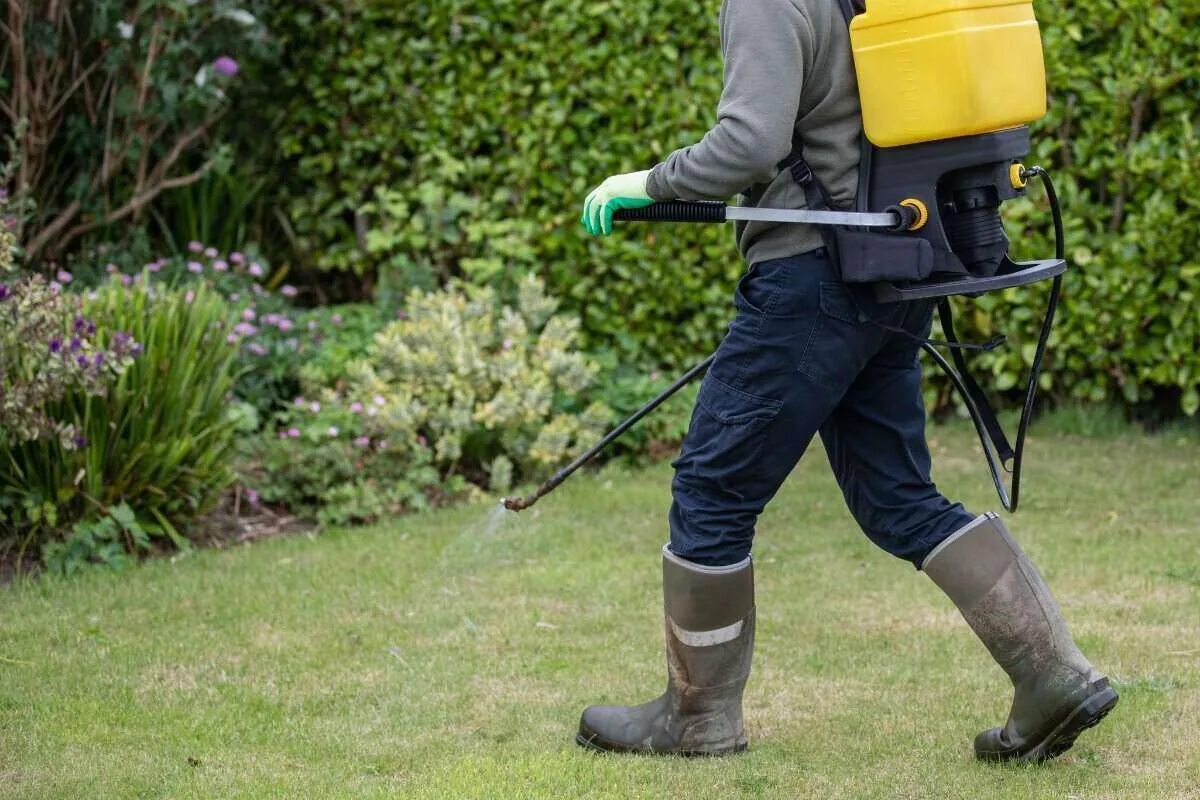

Image source: Web (Bing) / lawnstarter.com (Web image (fair-use with source credit))
Step 3: Aftercare — Fill Bare Spots and Build a Dense Lawn
Once the onion grass dies, you’re not done. Every bare spot is an open invitation for the next weed, including new onion grass bulbs that were dormant in the soil. Fill those spots right away.
For small areas, rake the soil loose, spread a thin layer of topsoil, and cast grass seed over it. Press it down with your foot. Keep the top inch moist for the next two weeks.
For bigger patches, consider a full over-seeding pass in the fall.
A dense lawn is your best long-term defense. Thick turf shades the soil, making it harder for onion grass seeds and bulblets to establish. Don’t mow too short.
Taller grass grows deeper roots and crowds out weeds.
Aerating once a year, especially in the fall, helps reduce soil compaction. If your lawn is thin and patchy, this is the right time to fix it. Routinely following a simple lawn care schedule keeps the turf vigorous.
And watering patterns that soak deeply but rarely train the roots to grow down, not up.
Where People Go Wrong: Bulblets Breaking Off, Composting Weeds, and Wrong Spray
Mistakes are expensive. The biggest one is yanking the plant by hand. The stem snaps, the bulb stays in the soil, and the bulblets multiply.
If you’re going to pull, use a tool and dig out the whole mass.
Another classic error is dumping pulled plants into the compost. Wild onion bulblets survive a typical backyard compost pile, which heats up to only about 140°F. They then ride along with your compost and spread wherever you spread it.
Always bag and trash them.
Using the wrong spray is equally damaging. Non-selective herbicides like glyphosate kill everything they touch, including your lawn. They belong only in that last-case scenario when you’re renovating the entire lawn and starting fresh.
For spot control, selective broadleaf herbicides are safer.
Timing also trips people up. Spraying in late summer, when the bulbs have gone dormant, gets you nothing. Spraying during heat above 85°F burns the leaf and reduces absorption.
Follow the label window, not just the calendar.
The Tools That Make the Job Easier
You don’t need a truck full of gear, but the right tool saves hours of frustration. A narrow weeding tool with a pointed blade is essential for digging out bulbs without slicing them into pieces.
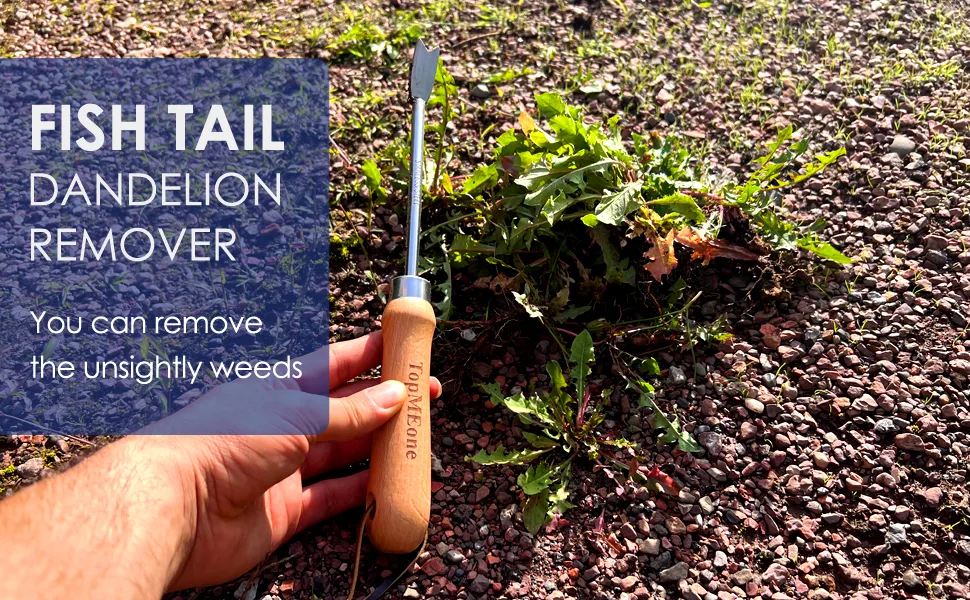

Image source: Bing (Web (fair-use with source credit))
| Tool | Best Use |
|---|---|
| Dandelion digger | Prying out small clumps |
| Hori hori knife | Cutting through roots and deep bulbs |
| Garden shovel | Removing large, established clumps |
| Pump sprayer | Applying liquid herbicide to large areas |
| Hose-end sprayer | Covering the whole lawn quickly |
| Plastic bag | Disposing of pulled weeds safely |
A garden shovel is best for big clusters in the middle of a flower bed. Push it straight down around the clump, lift, and carry the whole chunk away. That prevents bulblets from falling off and re-rooting.
When to Call a Professional Lawn Service
Some situations call for backup. If onion grass covers more than half your lawn, if you’ve already tried two rounds of herbicide without results, or if your lawn is a sensitive grass type like St. Augustine, a pro is worth the cost.
Professional turf managers have access to commercial-grade products and calibrated equipment. They also know how to read the plant’s growth stage. That skill alone makes the difference between killing it in one season and fighting it forever.
Expect to pay somewhere between $75 and $150 per visit for a targeted weed treatment, depending on your location and lawn size. That’s more than a bottle of herbicide, but it includes precise diagnosis and application. If you’d rather handle it yourself, professionals can also advise timing and product choices for your region.
For background on why onion grass behaves so stubbornly, our research into other grass-like weeds like carpet grass reveals similar patterns of weak control methods making things worse.
Frequently Asked Questions
Can Vinegar or Boiling Water Kill Onion Grass?
Yes, but only partially. Household vinegar at 5% acetic acid burns the leaves, not the bulb. You’d need a 20% horticultural vinegar, and even then, repeat applications every 10 to 14 days are required.
Boiling water has the same limitation. It can kill shallow young bulbs but rarely reaches mature ones growing 4 to 6 inches deep. Both methods work best for a few scattered clumps, not a whole lawn.
How Long Until the Onion Grass Is Fully Gone?
With a selective herbicide, you’ll see dead tops within 7 to 10 days. Complete bulb kill takes 2 to 3 weeks, and a second application is usually necessary. Small infestations can be cleared in one season.
Large ones may need a full year of follow-up. Organic methods take longer, often 4 to 6 weeks of consistent treatment. The biggest mistake is stopping too early.
When the tops die, the bulbs are still alive. Keep treating until no new growth appears for at least a month.
Will Mowing Spread Onion Grass?
Mowing doesn’t directly spread the underground bulblets, but it can help the weed in two ways. First, it chops the tops into small pieces that blend in with grass clippings, so you don’t notice the infestation until it’s out of control. Second, regular mowing keeps the plant alive and feeding the bulbs all season.
If you mow while the seed heads are developing, you can scatter seeds to new areas. Bag your clippings whenever onion grass is present. That one habit alone can stop the spread.
Final Decision Guide: Which Method Fits Your Lawn Best?
Let’s simplify everything you just read. Your choice really comes down to three lawn situations.
If you have a few isolated clumps in moist soil, grab a weeding tool and dig them out. Bag the whole root mass, fill the holes, and reseed. That’s a one-hour job with no chemicals involved.
If the weed covers large patches of your lawn, use a selective broadleaf herbicide with 2,4-D, dicamba, or MCPA. Spray in early spring or mid-fall. Reapply after 2 to 3 weeks.
Then overseed the bare spots. This is the lowest-labor route with the highest success rate.
If you refuse synthetic chemicals, commit to repeated spot treatments. Apply a 20% vinegar solution or boiling water every 10 to 14 days. Pull emerging regrowth by hand.
It will take a full season, and you’ll be diligent. But you’ll get there.
For any product you choose, double-check the label. Confirm it’s safe for your lawn grass type. Follow the re-entry interval.
For safety specifics, the National Pesticide Information Center is a solid place to verify any product’s guidance.
One more thing worth remembering. A dense, healthy lawn is the ultimate weed prevention. When you seed the bare spots and feed the soil properly, you crowd out the next weed.
Routinely aerating your lawn helps, too. And if you ever end up with dead patches from weeds, pets, or heavy use, the fastest fix for damaged turf is the same. Loose soil, fresh seed, consistent moisture, patience.
Stick with whatever path you choose for at least six weeks. Onion grass is persistent. But you’re smarter about it now.
That’s the whole battle.


