



So, is tall fescue drought tolerant? Yes, but not in the way most homeowners expect. It won’t stay emerald green through a scorching July.
What it will do is survive, then bounce back when rain returns. That’s a different kind of toughness, and it matters.
The secret is in the roots. Per USDA turfgrass research, established tall fescue can push roots 3 to 4 feet deep, which lets it pull moisture from deep soil while shallower grasses fry. As of 2026, it remains the go-to cool-season choice for transition-zone lawns.
Let’s break down what that actually means for your yard.

Image source: Bing (Web (fair-use with source credit))
Quick Answer
Yes, tall fescue is drought tolerant, but it goes dormant and turns brown. Deep roots keep it alive through dry spells. It recovers quickly when irrigation or rain returns.
For a green summer lawn, it still needs weekly water. But for surviving a drought, it’s one of the best cool-season grasses.
The Short Answer: Yes, But There’s a Catch
When people search “is tall fescue drought tolerant,” they usually want one of two things. They want a lawn that stays green with minimal water, or they want something that survives a water ban without dying. Tall fescue nails the second one, not the first.
Here’s the catch. During intense heat and dry soil, tall fescue enters summer dormancy. The blades turn straw-colored and crisp.
It looks dead, but the crown and roots stay alive. When cooler weather and moisture return, it greens up again. That’s true drought tolerance.
Most cool-season grasses can’t do this well. Kentucky bluegrass goes dormant too, but it’s slower to recover and more likely to die in harsh southern summers. Perennial ryegrass doesn’t even try.
Tall fescue is the survivor of the group.
What makes it work is the root system. Turf-type tall fescue varieties bred for lawns have denser, deeper roots than older forage types. That’s why choosing a good cultivar matters.
A deep root system is the difference between a lawn that merely survives and one that comes back strong.
Now, don’t expect zero watering. Established fescue can handle about four to six weeks of drought if it’s healthy going in. After that, the crown and roots start losing tissue.
Even the toughest lawn needs a drink eventually. If you’re in a prolonged dry spell, a deep soak every three weeks can keep the crown alive.
The takeaway: tall fescue is drought tolerant in the “survives without water” sense, not in the “stays green without water” sense. That distinction changes how you plan your lawn care. If you want green, you water.
If you want survival, you let it rest.
How Tall Fescue Survives Drought (Without Losing Its Mind)
The secret weapon is the root system. Tall fescue is a bunch-type grass, so it doesn’t spread like Bermuda or zoysia. Instead, it puts its energy into growing down.
A mature stand can send roots more than 3 feet deep. That’s rare among cool-season grasses.
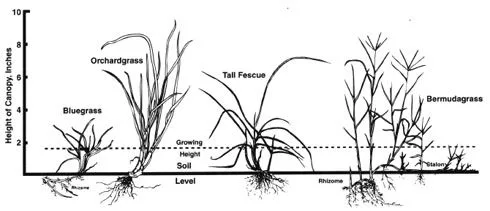

Image source: Web (Bing) / pinterest.com (Web image (fair-use with source credit))
Those deep roots let the grass tap into subsurface moisture that stays available during dry weeks near the surface. Shallow-rooted grasses like annual ryegrass hit the dry layer and fold. Tall fescue keeps drinking.
Another survival mechanism is summer dormancy. This is a stress response, not a death sentence. The grass slows metabolic activity, stops top growth, and directs resources to the crown.
The green color fades to tan. Think of it as hibernation with the lights on.
When rain returns, recovery starts from the crown, not the leaf blades. That’s why you shouldn’t rake out “dead” fescue in August. Just wait.
Give it two to three weeks after rainfall and you’ll see new growth pushing from the base.
There’s a limit, though. If the soil is bone-dry for months on end, or if the grass is already stressed from a new planting, disease, or heavy traffic, dormancy can kill it. Drought tolerance works best when the grass is healthy going into the dry season.
You can help by mowing higher before summer hits. Taller leaf blades mean more photosynthesis and more energy stored in the roots. If you cut fescue short in early July, you’ll strip away its drought armor.
Keep the mower deck high instead.
Read This First: Where Do You Live?
Location decides everything with tall fescue. This grass is a cool-season species, meaning it thrives when spring and fall temperatures stay between 60°F and 75°F. Summer heat is its stress test.
The transition zone is where tall fescue earns its keep. This band stretches from Virginia through Tennessee and into Kansas, where summers punish cool-season grasses and winters threaten warm-season ones. Tall fescue sits right in the middle.
It survives both extremes better than any other cool-season turf.
In the northern states, tall fescue works too, but you don’t need that drought tolerance as much. You might prefer Kentucky bluegrass for its finer texture and spreading habit. Tall fescue is still a solid choice, just maybe overkill.
In the deep South, tall fescue struggles. The heat index gets too high, and the humidity invites brown patch fungus. You can grow it in parts of Georgia or Texas with heavy irrigation, but you’ll fight uphill.
Warm-season grasses like Bermuda are a better fit.
The driest western states are a different animal. Tall fescue in Colorado or Arizona needs regular irrigation to survive, not just occasional soaks. In those climates, a native buffalo grass might make more sense.
Check your local extension office before planting.
Don’t guess your climate zone. Look up the USDA Plant Hardiness Zone for your county, then check typical summer rainfall totals. If your area regularly goes six weeks without rain while staying above 90°F, tall fescue is not your easiest option.
Assess Your Lawn’s Situation Before You Decide
Before you commit to tall fescue, take a hard look at your yard. The answer isn’t just about your region. It’s about your specific patch of soil and shade.
Lawn age matters. A newly seeded tall fescue lawn has zero drought tolerance. Full establishment takes a full growing season, sometimes two.
The first summer after planting is the most dangerous time. You must water consistently through that first summer or it dies. An established lawn can handle a dry spell.
A baby lawn cannot.
Soil type is the next big factor. Deep, loamy soil holds water and lets roots spread. Heavy clay drains slowly but holds moisture poorly once it dries out.
Sand lets water fly right through. If you have thin, rocky soil, tall fescue roots won’t reach that 3-foot depth. That cuts its drought tolerance dramatically.
A soil test will tell you what you’re working with.
Sun exposure changes everything. Tall fescue tolerates partial shade, which is a bonus. But if your lawn sits in full sun for eight hours a day, summer heat stress multiplies.
In open areas, you need healthy soil and consistent moisture. In shaded spots, the grass needs less water but may thin out.
Irrigation access is the final question. Do you have an underground system, a hose-end sprinkler, or nothing at all? Tall fescue can survive drought, but it recovers faster and looks better with occasional deep soaking.
If you’re on a well or under watering restrictions, plan for dormancy instead of green.
Also think about traffic. Tall fescue handles foot traffic well for a cool-season grass, but constant pounding during summer stress weakens it. If kids and dogs tear across the yard every day, add extra recovery time into your plan.
The Decision Tree: Is Tall Fescue Right for Your Yard?
Still not sure? Work through this simple logic, one branch at a time. Pick the path that matches your situation.
Branch 1: You live in the transition zone, your soil is decent, and your lawn is already established. Yes, tall fescue is a strong choice. It’ll get through most summers with dry spots here and there. You’ll deal with brown patches during the worst weeks, then it recovers in September.
Branch 2: You’re in the transition zone, but you’re starting from bare dirt. Tall fescue can work, but only if you plant in early fall. August seeding will almost certainly fail. Give it a full season of regular watering before expecting drought tolerance.
Reseeding a thin lawn in spring is a waste of money.
Branch 3: You’re in the deep South or a hot western climate with no irrigation. Skip tall fescue. Look at warm-season grasses instead. Bermuda grass or zoysia handles the heat better and needs less water to stay green.
If you want a cool-season look, you’ll be watering every other day all summer just to survive.
Branch 4: You have heavy shade from trees. This is where tall fescue shines. It’s the most shade-tolerant cool-season grass that still handles some heat. The drought tolerance drops in deep shade because roots compete with tree roots for water.
But you can still grow a decent lawn under moderate canopy.
Branch 5: You want a green lawn all summer, no brown allowed. Then tall fescue isn’t the answer unless you’re prepared to water 1.5 inches per week. No grass in the transition zone stays green through drought without irrigation. Manage your expectations before you invest in seed.
If you land in branches 1 or 2, tall fescue is a great fit. If you land in 3, walk away. For branches 4 and 5, the answer depends on your watering commitment.
And if you’re wondering about the actual planting work, we’ve covered the full process before. Seeding fescue properly is the difference between a thick lawn and a patchy mess. The same goes for mowing height and water timing.
Get those right and your fescue will reward you for years.
Tall Fescue vs. Other Lawn Grasses: An Honest Comparison
If the decision tree pointed you toward tall fescue, good. If it didn’t, or if you’re still weighing options, here’s the honest breakdown. No grass is perfect.
Each type trades something to get something else.
| Grass Type | Drought Survival | Summer Look | Recovery Speed | Best Fit |
|---|---|---|---|---|
| Tall fescue | Excellent | Goes dormant, straw-colored | Fast after rain | Transition zone, shade |
| Kentucky bluegrass | Fair | Dormant, struggles in heat | Slow | Cool northern lawns |
| Perennial ryegrass | Poor | Dies without steady water | Rarely recovers | Coastal cool climates |
| Bermuda grass | Excellent | Stays green in heat | Very fast | Deep South, full sun |
| Fine fescue | Good | Browns quickly | Moderate | Shade, low traffic |
Tall fescue wins on shade tolerance without giving up drought survival. Bermuda wins on heat toughness but goes dormant in winter and needs full sun. Kentucky bluegrass looks fantastic when pampered, yet it’s weak in a real dry spell.
That’s why turf managers in the transition zone lean on tall fescue. It’s not the best at any single thing, but it’s solid across the board. For most home lawns, that versatility beats raw performance.
How to Give Tall Fescue the Best Shot at Surviving Drought
Drought tolerance isn’t automatic. You build it in from day one.
Start with the right seed. Turf-type tall fescue cultivars root deeper and handle heat better than old K-31 forage varieties. Stick with improved turf-type blends.
Plant in early fall, not spring. A fescue seeded in April barely has roots by July. Fall seeding gives grass two full growing seasons before its first summer.
We’ve covered the early fall seeding window before, but the short version is September beats May.
Soil prep matters just as much. The full establishment process starts with roughing up the soil and mixing in compost. A soil test through your local extension office tells you exactly what amendments to add.
Per USDA turf research, healthy soil with organic matter holds water better and supports deeper roots.
First-year watering is the make-or-break. Keep the seed bed moist for the first six weeks. Then shift to deeper, less frequent soakings.
That trains roots to chase water downward instead of staying lazy at the surface.
Watering the Right Way: Deep and Infrequent
Most drought problems start at the sprinkler. Frequent shallow watering creates shallow roots. Shallow roots can’t reach moisture when the topsoil dries out.
It’s that simple.
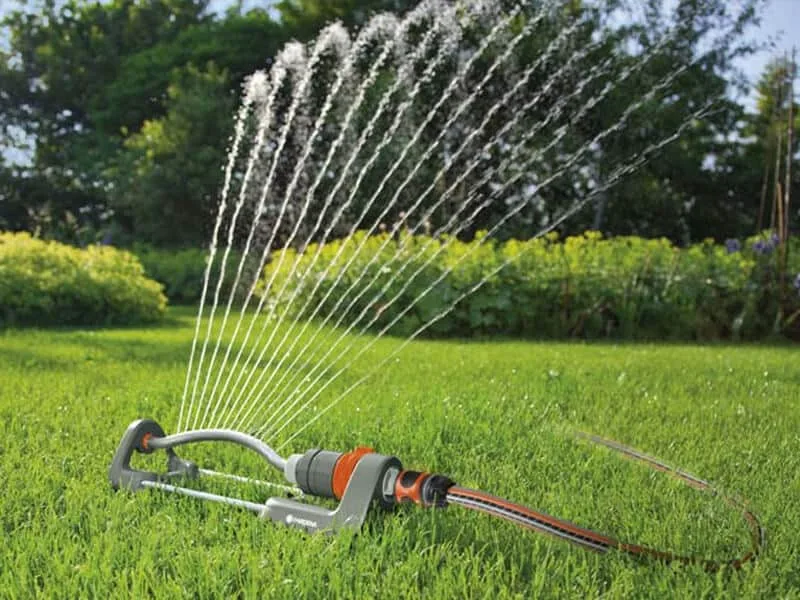

Image source: Bing (Web (fair-use with source credit))
Aim for 1 to 1.5 inches of water per week during active growth. Apply it in one or two deep soakings, not five light drinks. A tuna can or rain gauge confirms the amount.
If you need the numbers for your specific soil type, our watering duration basics post breaks it all down.
During summer dormancy, back off. Water once every two to three weeks with a deep soak. That keeps the crown alive without waking the grass out of its resting state.
Water early in the morning whenever you can. Wet blades overnight are an open invitation for brown patch fungus.
Mowing, Fertilizing, and Maintenance for Drought Resilience
Mowing height is your cheapest drought defense. Keep tall fescue at 3 to 4 inches during summer. Taller blades shade the soil, cool the crown, and route energy into root growth.
The seasonal nuances are covered in our mowing height guidelines for a thick green lawn, but short grass in July is never the answer.
Skip spring fertilizer on fescue. It forces soft top growth that demands water and attracts disease. Feed mainly in fall, when roots are actively building.
Core aeration also helps by easing compaction and improving water infiltration.
Keep an eye on brown patch. It hits fescue hard during warm, humid nights. A lawn fighting fungus can’t handle drought too.
Fungicide timing in early summer can stop an outbreak before it weakens the plant.
Mistakes That Kill Tall Fescue in a Drought
Even with the right seed and setup, a few common errors can undo all your work.
Seeding in August. Soil is too hot. Seed germinates, then fries. Wait for soil temps below 70°F, which usually means mid-September.
Watering a little every day. This trains roots to stay shallow. It also keeps the surface damp, which promotes fungus. Soak deeply, then let the soil dry between waterings.
Scalping during heat waves. Cutting at 2 inches in July removes the leaf area that feeds roots. Mow high and keep your blades sharp.
Confusing brown with dead. Dormant fescue looks dead, but it isn’t. Raking it out or rushing to reseed in August does real damage. Wait for fall rain before you judge the lawn.
Fertilizing in July. Nitrogen pushes soft growth that dries out fast and pulls in disease. Save the fertilizer for fall, when the grass can actually use it.
Letting weeds steal water. Weeds compete with grass roots for every drop of moisture. Stay on top of weed control before summer heat arrives.
Local Rules and Practical Warnings
Before you let a lawn go brown on purpose, check your local rules. Some municipalities restrict watering during drought, but they also fine homeowners for “dead” lawns. It’s a tricky spot.
HOAs are even stricter. Many require a green lawn year-round, even if it means watering against common sense. If you have an HOA, read the bylaws before you plan a dormant summer.
Your county extension office or local water authority posts current restrictions online. If drought is severe, check whether irrigation is banned entirely or just limited to certain days. When in doubt, call your local USDA extension office for guidance.
And know when to call a pro. If your tall fescue doesn’t green up after three weeks of fall rain, you might have more than drought stress. Grubs, dead crown tissue, or a soil compaction problem could be the real issue.
Real-World Scenario: What Happens After a Long, Hot Summer
Let’s walk through a typical transition-zone summer. Your fescue lawn goes into July lush and dark green. Then the rain stops.
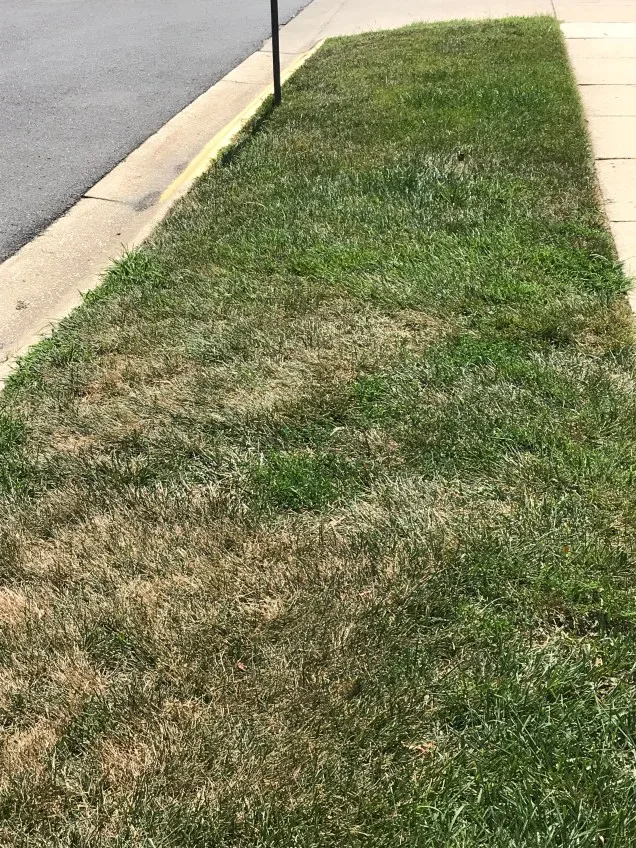

Image source: Web (Bing) / marylandgrows.umd.edu (Web image (fair-use with source credit))
By week four of no rain, you’ll notice the blades folding slightly. By week six, the lawn turns straw-colored. That’s dormancy kicking in, not death.
When September brings cooler nights and a soaking rain, recovery starts within days. New green shoots push from the crown. After a full two weeks, the lawn looks ragged but alive.
This is why patience matters. If you overseed or rake out the “dead” fescue too early, you’ll destroy the living crown. Give it time.
The grass knows what to do.
Final Verdict: The Decision Guide
So what’s the bottom line? Tall fescue is drought tolerant, but only as a survival trait, not a green-keeper trait.
If you live in the transition zone, have decent soil, and accept summer dormancy, tall fescue is a winner. If you need green grass through August without heavy watering, pick a warm-season grass instead.
Here’s your quick checklist:
- Region: Transition zone = yes. Deep South or hot west = no.
- Soil: Deep and loamy = yes. Rocky or pure sand = no.
- Irrigation: One deep soak per month exists = yes. Zero water all summer = risky.
- Expectation: Brown in August is okay = yes. Must stay green = no.
Match those answers to your situation, and you’ll know exactly what to do.
Frequently Asked Questions
Will tall fescue turn brown in drought?
Yes. It goes dormant and turns straw-colored when soil moisture runs low. The crown stays alive, and the grass greens up again after rain.
That browning is its natural survival strategy.
How long can tall fescue survive without water?
Established tall fescue survives about four to six weeks without water. After that, the crown starts losing tissue. One deep soak every two weeks during extreme drought keeps the plant alive.
What’s the most drought-tolerant tall fescue variety?
Improved turf-type cultivars like Houndog 5, Kentucky 31 turf-type, and RTF (rhizomatous tall fescue) are the most reliable. They develop deeper roots than older forage types. Check with your extension office for varieties tested in your county.
Does tall fescue come back after turning brown?
If the crown hasn’t dried out completely, yes. Fall rain and cooler temperatures trigger new growth. Wait three to four weeks before assuming the lawn is dead.


