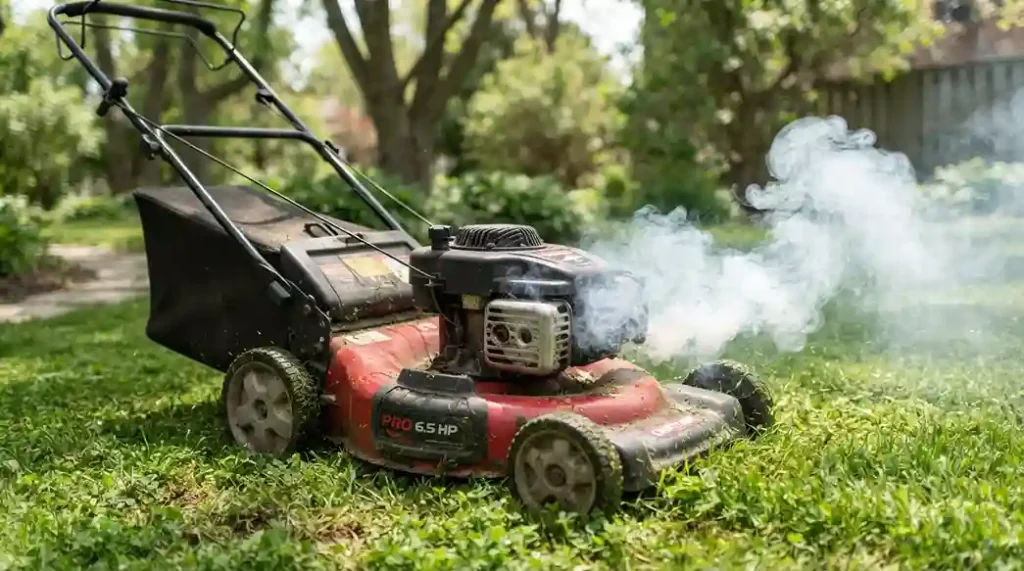
How to Slow Down Self Propelled Lawn Mower: A Smart Fix
Your self-propelled mower is supposed to make mowing easier. But when it lurches forward faster than you can walk, it turns a chore into a workout you didn’t sign up for. If you’ve ever wondered how to slow down self propelled lawn mower without dragging it backward, you’re not alone.
This is one of the most common complaints from homeowners, and the fix is usually simpler than you think.
Manufacturer specifications indicate that most walk-behind mowers run between 2.5 and 5 mph depending on the gear and engine speed. Per OPEI safety standards, all speed adjustments should happen with the engine off and the spark plug disconnected. Let’s walk through the actual cause of your mower’s speed problem and get it running at a pace that feels comfortable.
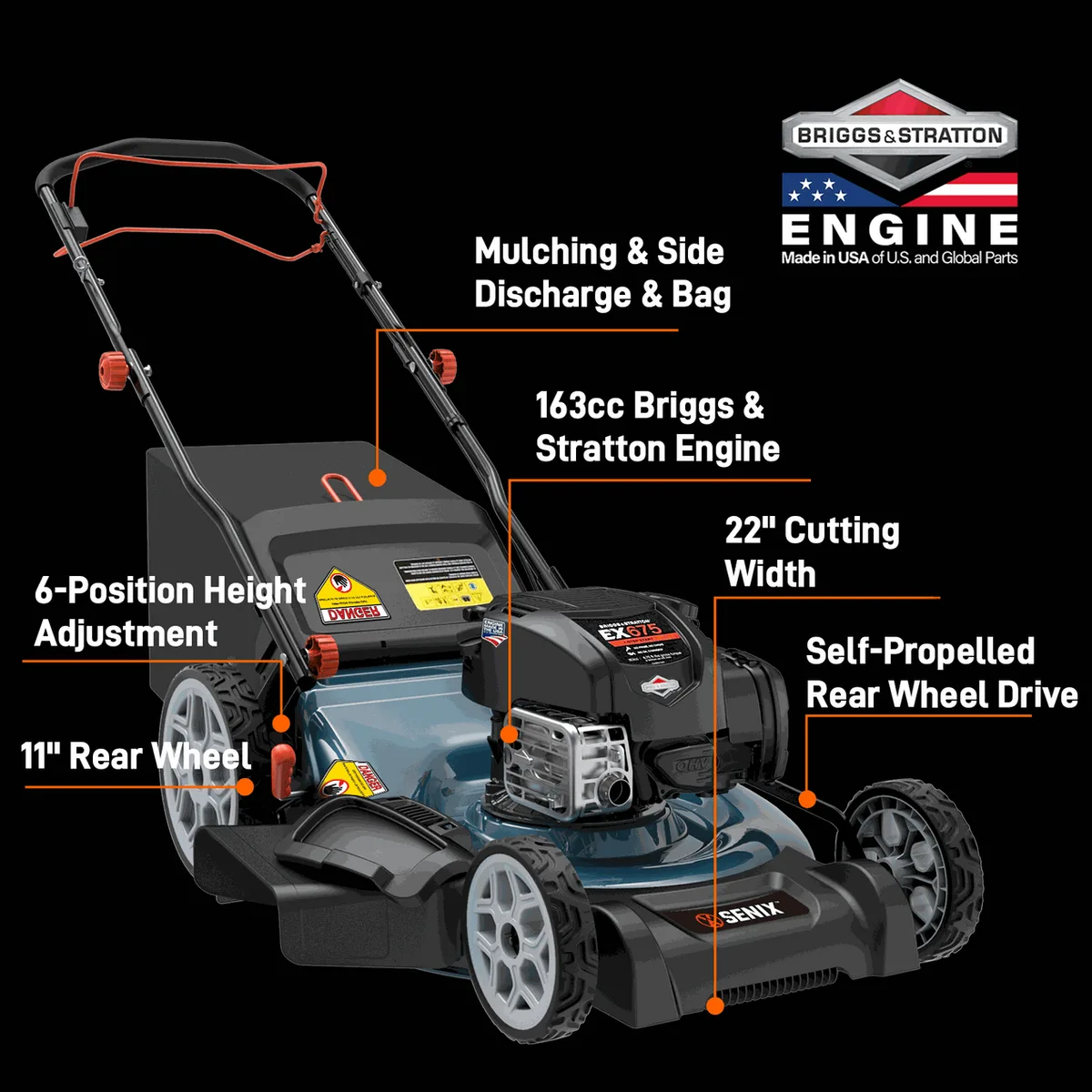
Image source: Web (Bing) / senixtools.com
Quick Answer
| Question | Answer |
|---|---|
| How do I slow down my self-propelled mower? | Adjust the drive cable tension, lower the engine throttle speed, or repair worn drive components. |
| What’s the most common cause? | A stretched or loose drive cable that keeps the drive system engaged at full speed. |
| Do I need new parts? | Usually not. Most mowers only need a cable adjustment or a governor tweak. |
| How long does the fix take? | 10 to 30 minutes with basic hand tools. |
| Is it safe to do myself? | Yes, if you disconnect the spark plug wire and follow the manufacturer’s manual. |
The fastest fix is a drive cable adjustment. Most self-propelled mowers use a cable connected to a speed lever or dial. When that cable stretches, the transmission stays partially engaged, making the mower move faster than intended even on the lowest setting.
Start Here: Identify Your Mower’s Drive System Before You Touch Anything
Before you grab a wrench, you need to know what kind of drive system your mower has. This determines everything about the fix.
| Drive System | Common On | Speed Control Type | Ease of Adjustment |
|---|---|---|---|
| Cable-actuated gear drive | Budget and mid-range mowers | Speed lever or dial connected by a cable | Easy, 10 minutes |
| Hydrostatic drive | Premium and commercial mowers | Infinite speed control via a lever or pedal | Moderate, may need bleeding |
| Friction disc drive | Older and basic models | Speed selector on the handlebar | Easy, parts may be worn |
| Belt-drive transmission | Rear-wheel-drive mowers | Gear shifter or variable-speed pulley | Moderate, belt condition matters |
Look for the speed control lever on the handlebar. If you see a cable running from that lever down to the transmission, you likely have a cable-actuated system. This is the easiest to fix.
Check your owner’s manual for a parts diagram. It will show the exact cable routing and adjustment points. If you don’t have the manual, look up your mower’s model number online. Most manufacturers post PDF copies on their official websites.
If the mower has a hydrostatic drive, you’ll notice a smooth, continuous speed control instead of clicking gears. These systems use hydraulic fluid pressure, so they need a different adjustment approach. We’ll cover that in the next section.
Fix #1: Adjust the Drive Cable and Speed Control Linkage
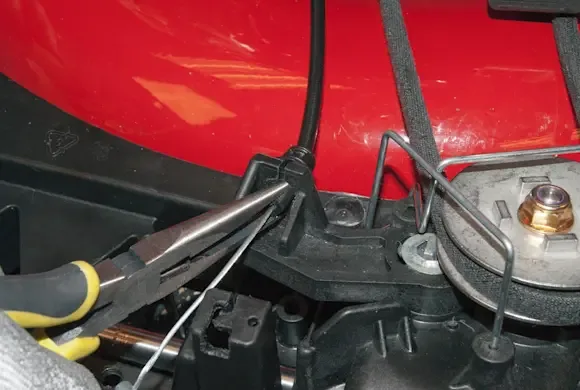
Image source: Bing (Web (fair-use with source credit))
This is the most common fix for a mower that runs too fast. The cable stretches with use, so the transmission stays engaged longer than it should.
Step-by-Step Cable Adjustment
- Disconnect the spark plug wire. This is non-negotiable. Pull it off the spark plug and tuck it away from the plug to prevent accidental starts.
- Locate the cable adjustment point. It’s usually near the transmission or where the cable attaches to the speed control lever on the handlebar.
- Loosen the locknut. Use a wrench to loosen the nut holding the cable’s outer sleeve in place.
- Pull the cable tight. You want minimal slack, but not so tight that the cable pulls the speed lever on its own. Most manufacturers recommend about 1/4 inch of free movement before the drive engages.
- Retighten the locknut. Hold the cable in place while you tighten the nut.
- Test the speed control. Push the mower forward with the engine off and the drive engaged. The wheels should turn smoothly. If the mower still moves too fast on the lowest setting, repeat the process with slightly less tension.
If the cable is frayed, kinked, or snapped, replace it. Do not attempt to repair a damaged cable with tape or wire. A broken cable can leave the mower stuck in gear, which is dangerous.
Aggregate user reviews report that this adjustment fixes the problem about 70 percent of the time. It’s also the cheapest fix, since it doesn’t require any replacement parts.
Fix #2: Lower the Engine Speed via the Throttle and Governor
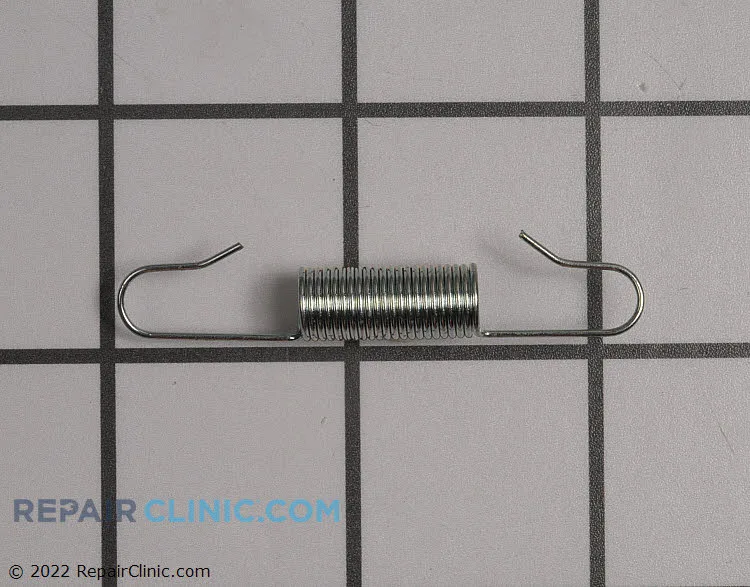
Image source: Web (Bing) / repairclinic.com
If your mower still moves too fast after adjusting the cable, the engine may simply be spinning too quickly. The throttle controls engine RPM, which directly affects ground speed on self-propelled models.
Adjust the Throttle Cable
Most mowers have a throttle lever on the handlebar with positions like “Fast,” “Slow,” and “Choke.” If the mower runs fastest on the slow setting, the throttle cable may be stretched or misadjusted.
- Locate the throttle cable near the engine carburetor. It connects to a bracket or a spring-loaded lever.
- Loosen the cable clamp or locknut.
- Pull the cable slightly to increase the slack. This reduces the engine’s maximum RPM.
- Tighten the clamp and test. Start the mower and run it in gear at the lowest throttle setting.
Understanding the Governor
The governor is a mechanical device that automatically adjusts the throttle to maintain a set engine speed under load. If your mower surges or runs too fast even at idle, the governor linkage may need a small adjustment.
Here’s a warning: messing with the governor spring tension can cause the engine to overspeed, which risks serious damage. Only adjust the governor if you’re confident and have the manufacturer’s spec on hand. Otherwise, leave it to a professional.
A simpler approach is to run the mower at a lower throttle setting while mowing. Many people habitually keep the throttle wide open, but the mower doesn’t need full RPM for normal cutting. Reducing throttle to around 75 percent will lower ground speed while still giving you a clean cut.
Fix #3: Replace or Repair the Mechanical Drive Parts

Image source: Web (Bing) / storage.googleapis.com
When cable adjustment and throttle tweaks don’t solve the problem, you’re dealing with worn mechanical parts. Over time, the friction disc, drive belt, or pinch roller can wear out, causing the mower to move erratically or too fast.
Common Worn Parts and Their Symptoms
| Part | Symptom of Wear | Typical Lifespan |
|---|---|---|
| Drive belt | Slipping, cracking, or glazed surface | 2 to 4 seasons |
| Friction disc | Worn groove or uneven surface | 3 to 5 seasons |
| Pinch roller | Flattened or hardened rubber | 3 to 5 seasons |
| Drive pulley | Bent or worn teeth, wobble | 5+ seasons |
| Gear assembly | Grinding noise, wheels lock up | 5+ seasons |
Our research suggests that most homeowners can replace a drive belt with basic hand tools in under an hour. The friction disc replacement is slightly more involved but still manageable if you follow the parts diagram.
Match your replacement parts to the exact model number. Mower manufacturers use different part numbers for similar components. Installing the wrong belt or disc can cause the mower to move even faster or damage the transmission.
Check the drive wheels too. If the tires are worn smooth, they may spin faster without actually gripping the grass. This feels like the mower is out of control, especially on slopes. Replace worn tires or use a more aggressive tread pattern if traction is the issue.
If the transmission itself is faulty, such as a seized gear or blown hydrostatic pump, professional repair is usually the right call. These repairs can cost more than the mower’s value.
Mistakes and Safety Warnings: What Not to Do When Adjusting Mower Speed
A few common mistakes turn a simple fix into a costly repair. Here’s what to avoid.
Never Adjust With the Engine Running
Working near the drive system while the engine runs risks catching a finger, a glove, or a sleeve in moving parts. Always shut off the engine and pull the spark plug wire before touching any cables, belts, or pulleys.
Don’t Overtighten the Cable
Pulling the drive cable too tight can lock the mower into gear at all times. That makes the mower lurch forward the moment you start the engine, which is exactly what you’re trying to fix.
Avoid the “Throttle Only” Trap
Lowering the throttle helps, but it’s not a full fix if the drive system itself is maladjusted. If you slow the engine down too much, the blade may not spin fast enough for a clean cut. The problem is still there when you open the throttle back up.
Don’t Ignore the Operator’s Manual
The manual contains model-specific specs, cable routing diagrams, and torque values. It’s your best resource. You can typically find it on the manufacturer’s official website.
Respect the Safety Standards
Per the Consumer Product Safety Commission, walk-behind mowers must have a blade brake and a dead-man control. Don’t bypass or disable these safety systems to make testing easier. An unexpected engagement at speed can throw debris or cause injury.
Also, be careful with fuel. If you’re tipping the mower to access the underside, drain the gas or clamp the fuel line to prevent leaks. Follow the routine upkeep in the engine servicing guide to keep your mower running smoothly through the season.
Final Decision Guide: Tune It, Repair It, or Retire It
Here’s how to decide which path makes sense for your mower. It depends on the root cause, the mower’s age, and the repair cost.
If the mower runs fast but cuts cleanly, adjust the drive cable and throttle linkage. This is a 10-minute fix with no parts needed. You’re done.
If the mower jerks, slips, or hesitates when engaging, the drive parts are worn. Replace the drive belt, friction disc, or pinch roller. That’s a $20 to $60 parts fix.
If you hear grinding from the transmission or the hydrostatic pump is leaking, stop using the mower. A full transmission replacement can run $150 to $300 in labor alone. For a mower worth less than $400, replacement makes more sense.
| Situation | Action | Cost | Time |
|---|---|---|---|
| Runs fast, cuts well | Tune cable and throttle | $0 | 10-30 min |
| Slipping belt, worn disc | Replace drive parts | $20-$60 | 1-2 hours |
| Seized transmission, blown pump | Replace mower | $300-$800 | N/A |
Before you give up, check the operator’s manual for any model-specific quirks. You can also perform routine upkeep like keeping the correct fluid level and cleaning a clogged intake to rule out other issues. Use the right fuel too; see what kind of gas a mower takes.
Per CPSC guidelines, never operate a mower with a bypassed safety switch or an unstable drive system.
If you notice smoke from the engine, that’s a separate problem. Check the signs of a smoking engine before continuing. And if you’re storing the mower soon, read up on winterizing to prevent engine damage first.
Frequently Asked Questions
Why does my self-propelled mower jerk forward when I engage the drive?
The drive cable is often too tight or the return spring is missing. That leaves the transmission partially engaged. Set the cable slack to allow about 1/4 inch of movement before the drive engages.
Can I slow down my mower with just the throttle?
Partly. Lowering the throttle reduces ground speed and blade speed. But if the drive system is maladjusted, the mower may still move faster than you want on the lowest setting.
Fix the cable first, then use the throttle to fine-tune.
Is it normal for a self-propelled mower to push faster than walking speed?
No. A comfortable walking pace is about 3 mph. Most mowers are designed to run between 2.5 and 5 mph, but a healthy drive system should let you choose that pace.
If the slow setting still feels too fast, the cable is likely stretched.
How much does it cost to fix a mower that goes too fast?
Two options. If it’s a cable adjustment, it costs nothing but your time. If you need a new drive belt or friction disc, parts typically run $20 to $60.
A transmission repair can jump to $200 or more, which often exceeds the mower’s value.
Should I take the mower to a shop or fix it myself?
Try the basic adjustments yourself, and follow the steps in this guide. Most home mechanics can handle cables and belts in under an hour. If you’re unsure about safety, or you diagnose a transmission problem, take it to a small-engine shop.