How to Winterize Lawn Mower to Prevent Engine Damage
Learning how to winterize lawn mower properly saves you that headache, and a few hundred dollars in repairs. It’s a simple process: stabilize or drain the fuel, change the oil, clean the deck, and protect the battery. Do it once and you’ll never skip it again.
Manufacturer specs from Briggs & Stratton and Honda Engines confirm that untreated gasoline starts degrading in as little as 30 days. After a three-month winter, that old fuel gums up the carburetor and clogs the jets. A well-winterized mower fires up on the first pull come spring.
Let’s walk through the right way to put your mower to bed.
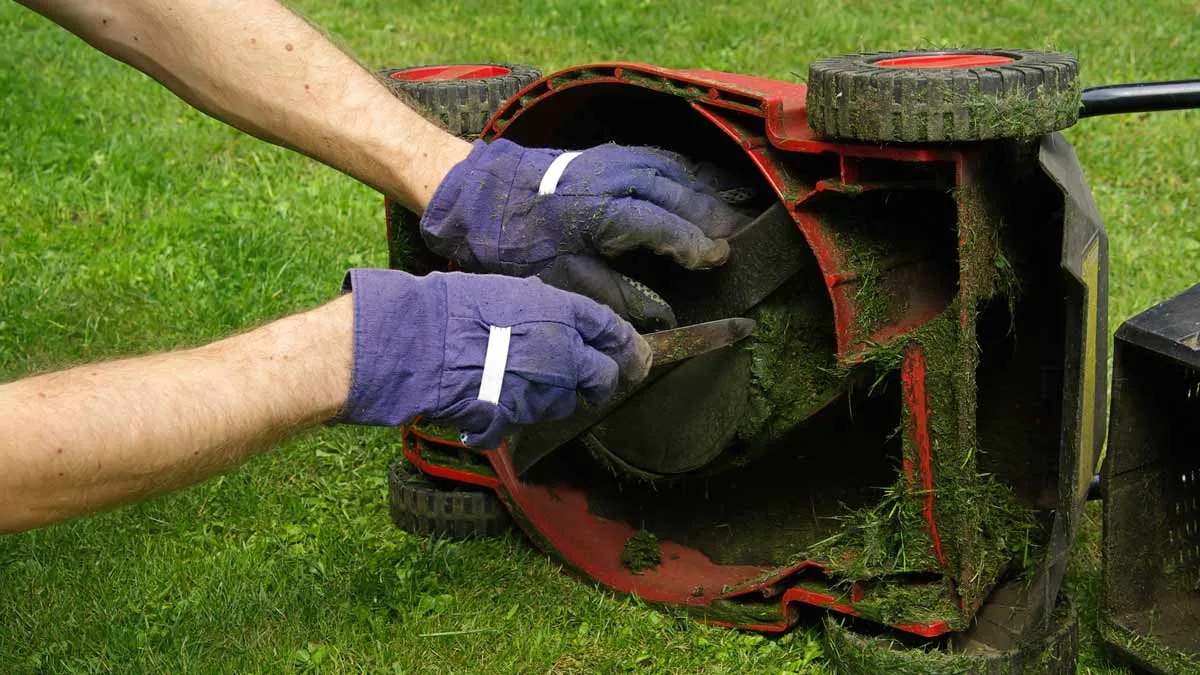
Image source: Bing (Web (fair-use with source credit))
Quick Answer
Winterize your lawn mower in six steps. Clean the deck. Stabilize or drain the fuel.
Change the oil. Replace the spark plug and air filter. Charge and remove the battery.
Store the mower in a dry shed or covered area. That’s it, your mower will start first pull next season.
Why Winterizing Your Mower Actually Matters
Skipping winterization is the number one reason small engines fail early. Old fuel left sitting for months turns into sticky varnish that plugs the carburetor jets. A carburetor rebuild runs you $75 to $150 if you pay a shop, or several hours of your own time.
Changing the oil in fall is equally smart: used oil contains acids and moisture that corrode internal bearings during storage.
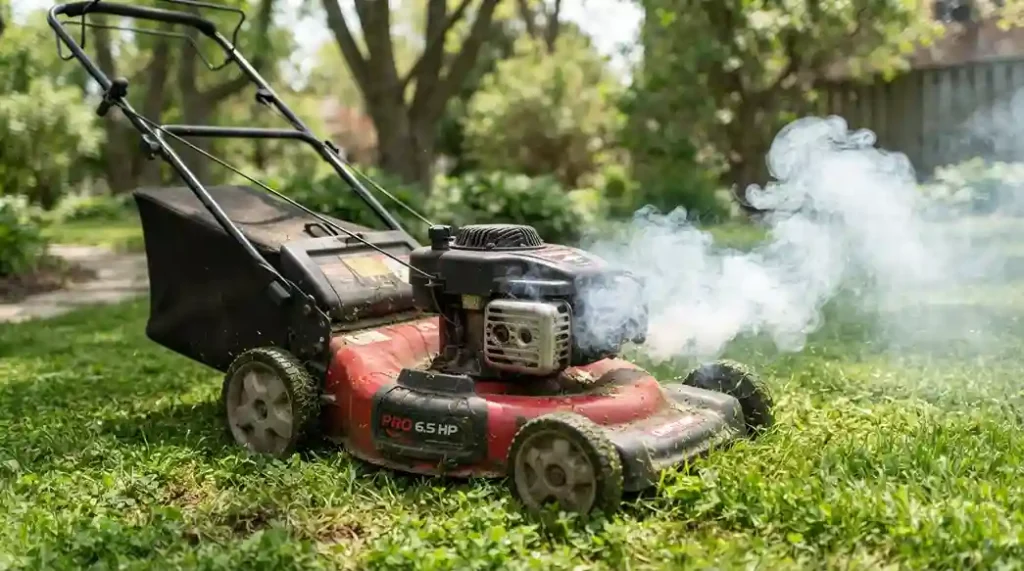
A clean, properly stored mower also prevents rust on the blade and under the deck. Aggregate owner reports show that mowers stored with a coated deck last two to three seasons longer than those left muddy and wet. And if your mower smoked last spring, you already know the frustration of burned oil deposits.
Taking twenty minutes now saves you an entire afternoon of troubleshooting later. For more on that specific problem, read our breakdown of why is my lawn mower smoking.
The Quick Decision Guide: Gas Mower or Electric Mower?
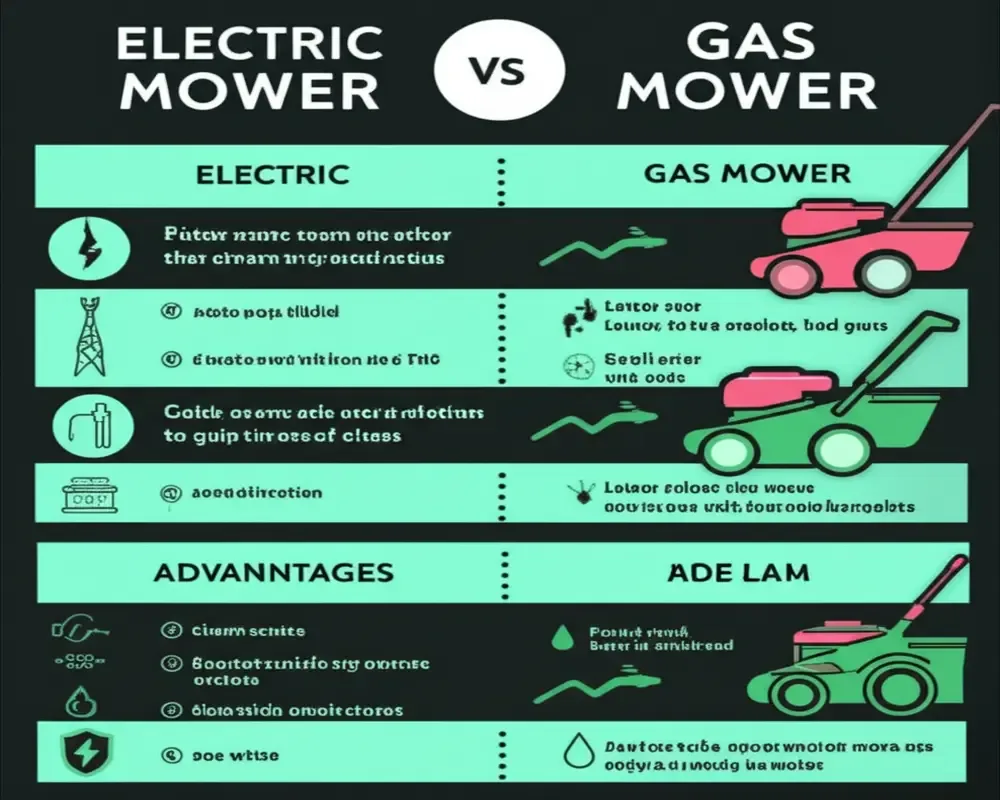
Image source: Bing (Web (fair-use with source credit))
Your first decision comes down to which kind of mower you own. The steps differ significantly.
| Category | Gas Mower | Electric (cordless) |
|---|---|---|
| Fuel handling | Stabilize or drain | No fuel to manage |
| Oil change | Required | Not applicable |
| Battery | Remove and maintain | Remove and maintain |
| Spark plug | Inspect and replace | None |
| Air filter | Clean or replace | None |
If you have a gas mower, you’ll work through fuel and oil steps below. For an electric mower, skip straight to the battery section. The rest of this guide focuses on gas, but battery care applies to both.
Gas mowers still dominate northern households because of their power and runtime, but the storage procedure is undeniably more involved.
Step-by-Step Gas Mower Winterization
We’ll take each task in the order that makes sense. Do not skip any, each one protects a different part of the engine.
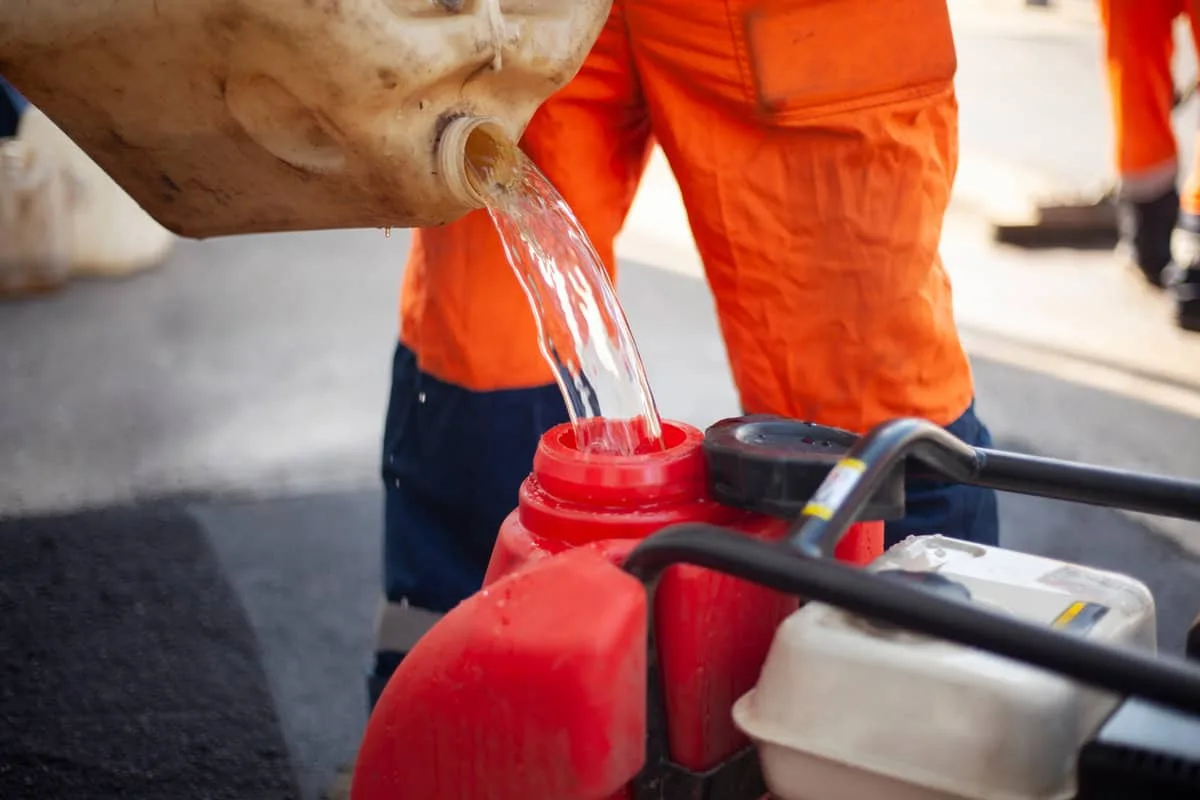
Image source: Web (Bing) / gardentabs.com
Do You Stabilize the Fuel or Drain It Completely?
This is the fork in the road. If you plan to use the leftover gas next spring (within six months), add a fuel stabilizer to the tank, run the engine for five minutes to circulate it, then top off the tank to minimize condensation. Use a stabilizer labeled for small engines, STA-BIL or an equivalent ethanol treatment works.
If the fuel is already more than 30 days old, drain it completely into an approved container. Old gas that smells sour is already degraded. Dispose of it at your local household hazardous waste facility.
Then run the engine until it stalls to empty the carburetor bowl. That prevents varnish from forming inside the smallest passages.
Final Mow and Engine Warm-Up
Give the mower one last cut on a dry day. Running it warm helps the oil flow freely when you drain it. After mowing, let the engine cool slightly but not completely, you want the oil warm, not hot enough to burn you.
Park the mower on a level surface and disconnect the spark plug wire for safety.
Changing the Oil: Why It’s Best Done in Fall
Warm oil drains faster and carries more suspended contaminants. Remove the dipstick, place a drain pan under the oil plug, and let it flow. Replace the plug, refill with fresh SAE 30 weight oil (or 10W-30 below 40°F), and check the correct fluid level against the dipstick.
Dispose of the old oil at an auto parts store or recycling center.
Spark Plug, Air Filter, and Blade Care
Pull the spark plug with a socket wrench. Inspect the electrode, if it’s black, oily, or worn, replace it. Gap the new plug to 0.030 inches unless your manual says otherwise.
Reinstall it snug but not torqued.
Remove the air filter. Foam filters can be washed with soapy water and re-oiled; paper filters get replaced. A clogged intake makes the engine run rich and hard to start.
For a deeper look at routine upkeep, check your specific filter type.
Now the blade. Tilt the mower with the spark plug side up (to avoid oil leaks). Remove the blade nut, sharpen the blade with a file or grinder, or install a sharp replacement.
A dull blade tears grass and invites disease next season.
Raising, Tipping, and Positioning the Mower Safely
Never tip the mower with the carburetor side down, oil and fuel can flood the air filter. Always tip it so the intake faces upward. Use a workbench or blocks to keep it stable while you work.
After everything is done, store the mower upright on a flat surface.
A Special Note for Riding Mowers and Batteries
Riding mowers add two critical items: a larger battery and pneumatic tires that lose pressure over winter.
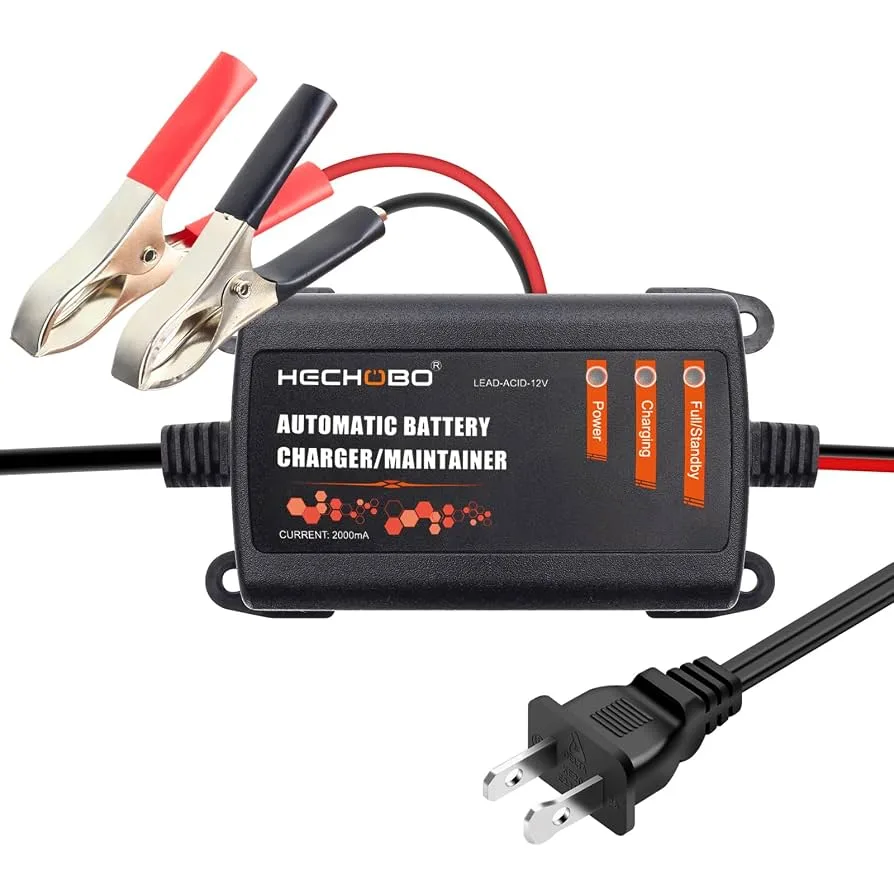
Image source: Web (Bing) / fity.club
Battery Removal and Charging
Disconnect the negative terminal first, then the positive. Remove the battery and clean any corrosion from the terminals with a wire brush. Charge the battery fully, a 12.6V reading tells you it’s good.
Store it indoors on a wooden block (not concrete) and connect a trickle charger or maintainer. A fully charged battery will not freeze. Letting a lead-acid battery sit dead for months shortens its lifespan by half.
Tires, Chocks, and Lift Blocks
Riding mower tires develop flat spots if left sitting under the same pressure for months. Inflate them to the sidewall pressure, then raise the mower off the ground on jack stands or blocks. If you cannot lift it, move the mower a foot every few weeks to shift the contact patch.
Chock the wheels if you leave it on the ground.
Common Winterization Mistakes That Kill Engines
Even experienced owners make the same errors year after year. Let’s flag the ones that cost the most.
Storing fuel in the tank without stabilizer. The single most common mistake. Untreated ethanol fuel absorbs moisture, separates into layers, and leaves a sticky residue. By spring, your carburetor jets are plugged.
If you choose to keep fuel in the tank, always add stabilizer and run the engine to circulate it.
Tipping the mower on its side the wrong way. Oil and fuel can leak into the air filter and cylinder. Always tip with the carburetor side up. On most push mowers, that means tilting toward the blade side.
Check your manual if you are unsure.
Forgetting to disconnect the spark plug. When you tilt the mower or handle the blade, a disconnected spark plug wire prevents the engine from firing accidentally. It only takes two seconds and could save your fingers.
Leaving the battery on concrete. A fully charged battery is fine on wood, but a discharged battery on cold concrete can freeze and crack the case. Always store the battery indoors on a shelf or bench.
Skipping the blade care. A rusty, dull blade invites grass disease next season and strains the engine. Remove, sharpen, and coat the blade with a light oil before storage. You will thank yourself in April.
Neglecting the air intake. Mice love nesting in air filter housings and under the deck. Stuff a rag in the exhaust port or carburetor intake before storage. Remove it before spring start-up.
Gas Disposal, Oil Recycling, and Safe Storage Warnings
Proper disposal matters for your safety and the environment.
Old gasoline should never go in the trash or down a drain. Pour it into an approved portable fuel container (red plastic with a tight seal) and take it to your local household hazardous waste collection site. Many counties offer free drop-off.
The U.S. Environmental Protection Agency (EPA) recommends storing and disposing of old fuel according to local regulations, check your municipality’s website for locations.
Used engine oil is recyclable. Collect it in a clean, leak-proof container and bring it to any auto parts store or quick-lube center. Most accept up to five gallons at no charge.
Never mix oil with gasoline, antifreeze, or solvents.
Safe storage basics: keep the mower in a dry shed or garage, off the ground if possible. Cover it lightly with a breathable tarp, plastic traps condensation and promotes rust. Never store a mower indoors near a pilot light, furnace, or water heater.
Gasoline vapors are heavier than air and can travel to ignition sources. Store the fuel container separately, in a well-ventilated area away from living spaces.
If your mower has a fuel shut-off valve, close it for winter. That prevents any residual fuel from seeping into the carburetor. And keep a fire extinguisher in your shed or garage.
Frequently Asked Questions
How long does it take to winterize a lawn mower?
About 30 minutes for a push mower. A riding mower with battery removal and tire care takes 45 minutes to an hour. Most of that time is letting the oil drain or the engine cool.
Can I skip the oil change and just add stabilizer?
You can, but it is not recommended. Used oil contains acids and moisture that corrode engine bearings over months of storage. Changing oil in fall is easier than spring because it drains warm.
Skip it only if you changed the oil within the last five hours of use.
Do I need to drain the carburetor bowl?
Draining the bowl prevents varnish from forming in the smallest passages. If you add stabilizer and run the engine long enough to circulate it, you can skip the bowl drain. If you drain the tank completely, run the engine until it stalls to empty the bowl.
Can I use regular fuel stabilizer meant for cars?
Yes, as long as it is designed for ethanol-blended fuels and includes a corrosion inhibitor. Small engine stabilizers like STA-BIL are formulated for the smaller fuel systems. Read the label, some car stabilizers lack phase separation protection for ethanol.
How do I store my electric mower for winter?
Remove the battery and charge it fully. Store it indoors at room temperature. Clean the deck and blade.
Lubricate any moving parts. That is all, no fuel, no oil, no spark plug. Electric mowers are much simpler to winterize.
What if I live in a climate where I mow year-round?
You do not need full winterization. Just perform standard maintenance, clean the deck, check the oil, and replace the air filter. Keep the fuel fresh by using it regularly.
Only winterize if you expect the mower to sit unused for 30 days or more.
Spring Start-Up: What to Do When You Pull the Mower Out
Winterization is only half the story. A good spring start-up routine ensures everything you did in fall actually pays off.
Check the oil and fuel first. Before you touch the starter, verify the oil level is full and the fuel is fresh. If you stabilized the gas, it should be fine. If you drained the tank, add new fuel.
Open the fuel shut-off valve if you closed it.
Inspect the air filter and spark plug. Remove any rag or cover you stuffed in the intake. Reinstall the air filter. Confirm the spark plug wire is firmly connected.
If you replaced the plug in fall, you are good. If not, check the gap and condition.
Prime and start. On a cold engine, prime the carburetor three to five times. Pull the starter cord smoothly or turn the key. It should fire within two or three pulls.
If it sputters and dies, the carburetor bowl may have dried out. Crank it again with the choke on.
Adjust the tire pressure. For riding mowers, check the pressure with a gauge and inflate to the sidewall spec. Lower the mower off blocks if you lifted it. Walk around to ensure no flat spots have formed.
Take it for a test run. Mow a small patch of grass. Listen for odd sounds. Check for smooth blade engagement.
If everything runs clean, trim any missed spots from the edge of the lawn before the spring growth really kicks in. When your lawn is active, you will want to time your treatments correctly to prevent disease.
Final Checklist: Your One-Sheet for Next Fall
Print this or save it to your phone. You will not need to think through the steps again.
| Task | Done? |
|---|---|
| Clean the deck | ☐ |
| Stabilize or drain fuel | ☐ |
| Run engine to circulate stabilizer | ☐ |
| Change oil (warm) | ☐ |
| Replace spark plug | ☐ |
| Clean or replace air filter | ☐ |
| Remove and charge battery | ☐ |
| Store battery indoors on maintainer | ☐ |
| Sharpen and oil the blade | ☐ |
| Inflate and raise riding mower | ☐ |
| Store in dry location | ☐ |
Tackle these steps on the last mow of the season. It takes less time than a single spring repair. Your mower will start immediately next year.