How Often to Mow Kentucky Bluegrass
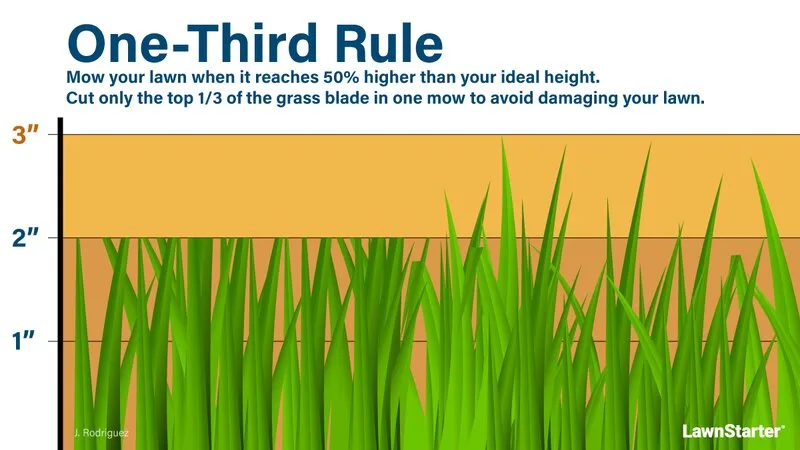
Wondering how often to mow Kentucky bluegrass? The real answer isn’t a number on a calendar, it’s a rule about grass height. Mow when the blades have grown about one-third taller than your target height.
Per University of Minnesota Turfgrass research, the ideal mowing height for Kentucky bluegrass sits between 2.5 and 3.5 inches during active growth.
That one-third rule is the gold standard. Never chop off more than a third of the leaf blade at once. Cut any deeper and you scalp the turf, stress the roots, and invite weeds.
Let’s walk through exactly how to nail the timing so your bluegrass stays thick, green, and healthy all season.
Quick Answer
Mow Kentucky bluegrass every 5 to 7 days in spring and fall. Stretch to 7 to 14 days during summer heat. Always follow the one-third rule.
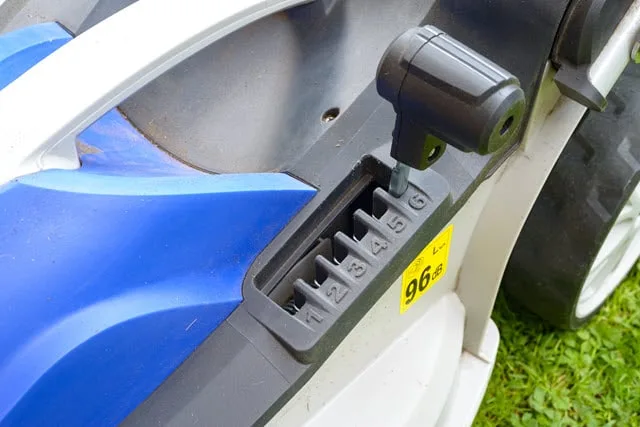
Set your mower height to 2.5, 3.5 inches. Adjust based on growth rate, not a fixed day of the week.
The One-Third Rule: Why Height Beats a Calendar
Here’s why the one-third rule matters more than any schedule. Grass blades are the plant’s solar panels. Cut off more than a third and you remove too much leaf area.
The plant scrambles to regrow, pulling energy from the roots. Do that repeatedly and your roots get shallow. Shallow roots mean weaker drought tolerance and more disease pressure.
University extension research confirms that keeping a consistent mowing height within the 2.5, 3.5 inch range builds a dense canopy. That canopy shades the soil, cools the roots, and crowds out crabgrass and dandelions. A fixed weekly schedule ignores how fast your bluegrass is actually growing.
Some weeks it might surge two inches. Other weeks, during heat or slow autumn cool-down, it might only push half an inch.
The math is simple. If your target height is 3 inches, mow when the grass reaches 4.5 inches. That third works out to 1.5 inches of growth.
Wait any longer and you break the rule. Mow sooner and you’re trimming off less than a third, which is fine, just don’t go crazy and scalp it.
For more on how tall this grass naturally grows, check out this guide on typical bluegrass heights. It helps you set that target height correctly.
Adjusting by Season: Spring, Summer, and Fall
Kentucky bluegrass is a cool-season grass. That means its biggest growth spurts happen when soil temps are 60, 75°F, spring and fall. Summer heat slows it down.
If you don’t adjust your mowing frequency seasonally, you either scalp it in summer or leave it shaggy in spring.
Here’s a quick reference table:
| Season | Growth Rate | Recommended Frequency | Mowing Height |
|---|---|---|---|
| Spring (April–June) | Fast – 2–3 inches/week | Every 5–7 days | 2.5–3 inches |
| Summer (July–August) | Slow – 0.5–1 inch/week | Every 10–14 days | 3–4 inches |
| Fall (September–November) | Moderate to fast | Every 5–10 days | 2.5–3 inches |
During summer, don’t mow short. Raise the deck to 3.5 or even 4 inches. That extra leaf shade helps the soil stay cooler and the roots stay hydrated.
If your bluegrass enters summer dormancy, it does turn tanish and stops growing, you can skip mowing entirely until rain or irrigation wakes it up. That dormancy phase is totally normal, and you can learn more about it here: how bluegrass handles summer dormancy.
In fall, bluegrass puts on another growth push as temperatures drop and rains return. Keep up with weekly cuts. Lower the height back to 2.5 inches for the final two mowings of the season, that prevents snow mold and helps fall overseeding take hold.
Your Mowing Schedule Decision Tree
Now let’s turn that seasonal info into a simple decision tree. You’ll use it all year. Just ask these questions in order.
-
Is the grass growing fast (spring or fall)?
, Yes → mow every 5, 7 days.
, No → go to question 2.
-
Is it hot and dry (summer)?
, Yes → raise height to 3.5, 4 inches. Mow every 10, 14 days or skip if dormant.
, No → go to question 3.
-
Has the grass grown 1.5 inches above your target?
, Yes → mow today.
, No → wait. Check again in 2, 3 days.
-
Did you cut off more than a third last time?
, Yes → raise the deck next time. You scalped it. Wait 3, 4 days before mowing again.
, No → good. Keep the same height.
That’s it. Every time you walk out to the garage, run that checklist. It takes ten seconds.
Your grass will tell you when it’s ready, not a calendar app.
If you’re overseeding in fall, you’ll need a slightly different approach, young seedlings can’t handle a low cut. Here’s what to know about overseeding with Kentucky bluegrass.
5 Common Mowing Mistakes That Hurt Your Bluegrass
Even with the best intentions, homeowners make the same five mistakes. Avoid these and your lawn will thrive.
- Scalping in spring. Dropping the deck too low after winter invites weeds and exposes soil. Never cut below 2 inches on bluegrass. Raise it gradually as growth picks up.
- Mowing wet grass. Wet blades clump, clog the mower, and tear rather than cut. Torn ends turn brown and open the door to fungal disease. Wait until the dew dries or morning rain evaporates.
- Using dull blades. A dull mower shreds grass like a blunt knife through a tomato. Brown tips appear within 24 hours. Sharpen blades every 20, 25 hours of use. Routine upkeep matters as much as knowing when to mow.
- Mowing on a fixed day every week. You already know why. Growth changes. A rigid schedule always breaks the one-third rule at some point. Measure height, don’t watch the clock.
- Bagging every time. Fine clippings returned to the lawn recycle nitrogen and moisture. Only bag if the grass is extremely long or if you’re trying to control thatch. Otherwise, let them fall.
For more on keeping your mower running smoothly, check these tips on maintaining the right fluid levels. A well-tuned mower makes a big difference in cut quality and lawn health.
Pro Tips: Blade Sharpness, Patterns, and Clippings
Sharp blades are non-negotiable for Kentucky bluegrass. Dull mower blades shred the leaf tips instead of cutting cleanly. That shredded tissue turns brown within hours.
It looks ugly and opens the door to fungal infections.
How often should you sharpen? Every 20 to 25 hours of mowing time. For most homeowners, that means once or twice a month during peak season. If you hit a rock or a hidden sprinkler head, sharpen immediately.
You can feel the difference. A sharp blade leaves a crisp edge. A dull one leaves ragged tears.
Mowing patterns matter more than you think. Mowing the same direction every time trains the grass to lean. That creates a grain effect and uneven wear. Alternate directions each mow.
Go north-south one week, east-west the next. If you have slopes, mow across them, not up and down, to prevent erosion.
What about clippings? Leave them on the lawn unless the grass is wet or you’re dealing with disease. Fine clippings from frequent mows break down fast. They return nitrogen and moisture to the soil.
University extension tests show that grasscycling can supply up to 25 percent of your lawn’s annual nitrogen needs. That’s free fertilizer.
If the grass gets too long between mows, bag the clippings. Thick clumps left on the surface smother the grass underneath. Better to bag once and then get back on a regular schedule.
For tips on keeping your mower in top shape between seasons, routine engine care makes a real difference.
Frequently Asked Questions
Should I mow Kentucky bluegrass shorter in fall?
No. Keep the same height as spring, around 2.5 to 3 inches. Only lower it to 2 inches for the final mow of the season.
That helps prevent snow mold. Dropping it short earlier stresses the grass right before winter.
Can I mow Kentucky bluegrass when it’s wet?
It’s better not to. Wet grass clumps and clogs the mower. The blades tear instead of cut, leaving ragged edges.
Disease spreads easily through those open tips. Wait until the dew dries or morning rain evaporates.
How low can I mow Kentucky bluegrass without killing it?
Never go below 2 inches. Scalping below that removes too much leaf area. The plant has to pull energy from roots to regrow.
Repeated scalping weakens the turf and invites weeds. If you need a very low cut for overseeding, do it gradually over several days.
Does Kentucky bluegrass need more mowing in summer?
No, less. Summer heat slows growth. Mow every 10 to 14 days and raise the deck to 3.5 or 4 inches.
Taller grass shades the soil and keeps roots cooler. If the grass goes dormant and stops growing, stop mowing entirely.
What happens if I cut off more than one-third of the blade?
You stress the plant. Roots shrink, the lawn thins out, and weeds move in. The grass turns yellow or brown as it scrambles to regrow.
It can take two to three weeks to recover. Always raise the deck if you’re cutting too much.