When Is the Best Time to Fertilize My Lawn? Expert Guide
Over the past 15 years as a horticulturist and lawn care specialist, I have repaired countless lawns that were burned to a crisp by well-meaning homeowners applying the wrong fertilizer at the wrong time. I have grown and maintained turf across multiple USDA zones, from the cool-season fescues of the Northeast to the heat-loving Bermuda grass of the Deep South.
Through trial, error, and thousands of soil tests, I have learned exactly how turfgrass roots respond to nutrients. The secret to a thick, green, weed-free yard is not spending a fortune on premium chemicals. It is all about timing. If you apply nitrogen when the roots are ready to absorb it, your grass thrives. If you apply it when the grass is stressed or dormant, you are just feeding weeds and polluting groundwater.
Quick Answer
The best time to fertilize your lawn depends entirely on your grass type. For cool-season grasses like Kentucky Bluegrass or Fescue, the optimal time is early fall, followed by a lighter feeding in early spring. For warm-season grasses like Bermuda or Zoysia, fertilize in late spring or early summer just as the grass enters its peak growing phase. Always apply fertilizer when the soil is slightly moist but the grass blades are dry.
Understanding Your Lawn Type
You cannot just grab a bag of nitrogen and spread it around your yard whenever you have free time on a Saturday. Your grass type dictates your entire feeding schedule. Turfgrass is broadly divided into two categories: cool-season and warm-season.
Cool-season grasses thrive in northern climates. They wake up early in the spring, struggle and often go dormant during the scorching heat of mid-summer, and experience a massive growth surge in the fall. Warm-season grasses behave oppositely. They stay completely brown and dormant until the late spring, thrive in the blazing summer heat, and go back to sleep at the first sign of autumn frost.
Before opening a bag of fertilizer, you must identify what grass you are growing. This table breaks down common grasses by their growing season so you know exactly when they are hungry.
| Grass Species | Turf Category | Peak Growth Season |
| Kentucky Bluegrass | Cool-Season | Spring and Fall |
| Tall Fescue | Cool-Season | Spring and Fall |
| Perennial Ryegrass | Cool-Season | Spring and Fall |
| Bermuda Grass | Warm-Season | Summer |
| Zoysia Grass | Warm-Season | Summer |
| St. Augustine | Warm-Season | Summer |
| Centipede Grass | Warm-Season | Summer |
Knowing your grass category is the single most important step in lawn care. If you treat a warm-season lawn like a cool-season one, you will waste money, burn your yard, and encourage aggressive weed growth.
Pre-Fertilization Preparation
Throwing fertilizer onto compacted, unhealthy soil is a waste of time and money. I always prep my turf before I start my seasonal feeding program. The roots need oxygen, water, and space to absorb the nutrients you are about to drop.
Step 1: Conduct a Soil Test
I made this mistake in my first season as a homeowner. I applied heavy nitrogen without realizing my soil pH was highly acidic (around 5.2). When soil pH is out of balance, the grass roots physically cannot uptake the nitrogen, no matter how much you apply. You can buy a simple soil probe online or send a sample to your local university extension office. If your soil pH is below 6.0, you will need to apply lime to raise it. If it is above 7.0, you may need elemental sulfur to lower it.
Step 2: Dethatch and Aerate
Fertilizer needs to make direct contact with the soil. If you have more than a half-inch of thatch (dead grass stems and roots sitting on the soil surface), the granules will get trapped. I run a dethatching rake or a mechanical scarifier over my lawn before my primary feeding.
If the ground feels rock-hard when you walk on it, I highly recommend core aeration. Pulling plugs out of the dirt allows the fertilizer and water to penetrate deep into the root zone. I always aerate immediately before my heaviest fertilizer application of the year.
🌱 Beginner Note: Core aeration leaves small dirt plugs all over your yard. Do not rake them up. Let them dissolve back into the lawn naturally over a couple of weeks to reintroduce healthy microbes to the thatch layer.
Step 3: Check Soil Temperatures
Air temperature does not matter as much as soil temperature. Grass roots wake up based on the warmth of the dirt. You can buy a cheap digital meat thermometer and stick it two inches into the ground. Cool-season roots wake up when soil temps hit about 50°F. Warm-season roots start moving when soil temps hit 65°F.
Fertilizing Schedule by Season
Now that your soil is prepped and you know what type of turf you have, we can build your feeding calendar. I base my applications on the natural life cycle of the grass. Pushing a lawn to grow when it wants to sleep is a recipe for fungal diseases.
Timing your applications ensures the nutrients fuel grass growth rather than feeding dormant roots or weeds. Here is the exact schedule I follow based on grass type.
| Season | Cool-Season Turf Strategy | Warm-Season Turf Strategy |
| Early Spring | Light feeding (slow-release) once soil hits 55°F. | Do not fertilize. Wait for full green-up. |
| Late Spring | Skip, unless grass looks pale. | First heavy feeding once soil hits 70°F. |
| Summer | Skip. Let the lawn survive the heat. | Feed every 6–8 weeks during active growth. |
| Early Fall | Heaviest feeding of the year to build roots. | Final light feeding. Stop before first frost. |
| Late Fall | Light “winterizer” application before freeze. | Do not fertilize. Turf is going dormant. |
Stick to this general schedule to maximize root development. Notice that neither grass type wants heavy feeding during the stressful dead of winter or peak summer heat.
Spring Fertilization Rules
For cool-season grasses, the biggest mistake you can make is dumping heavy nitrogen on the lawn in April. The grass is already trying to grow naturally. Heavy spring fertilizer forces massive top growth, which looks great for two weeks but depletes the root system just before the harsh summer heat arrives. I stick to a very light, slow-release application in the spring.
For warm-season grasses, you must wait until the lawn is at least 75% green before feeding. I usually wait until late May in my area. If you feed Bermuda while it is still dormant, the fertilizer will exclusively feed crabgrass and spring weeds.
Summer Fertilization Rules
Cool-season lawns should generally be ignored in July and August. They are heat-stressed and trying to survive. Pushing nitrogen now will invite brown patch and pythium blight.
Warm-season lawns love the summer heat. This is when I hit my Bermuda grass with high nitrogen every four to six weeks. As long as it is getting enough water, the turf will aggressively spread and choke out weeds.
Fall Fertilization Rules
Fall is the most critical time for cool-season grass. Around early September, as the nights cool down, the grass stops growing tall and focuses entirely on root expansion. I apply a heavy dose of nitrogen to fuel this root growth. Late fall is also the time for a “winterizer” application, which helps the grass store carbohydrates for the winter.
⚠️ Warning: Never apply fertilizer to frozen ground. The granules will just sit on the surface and wash away into the storm drains during the first winter rain, causing severe algae blooms in local waterways.
Understanding NPK Ratios
When you walk down the garden center aisle, you will see bags with three numbers boldly printed on the front, such as 32-0-4 or 10-10-10. These numbers represent the NPK ratio: Nitrogen (N), Phosphorus (P), and Potassium (K). These represent the percentage of each nutrient inside the bag.
Every bag of fertilizer has three numbers on it representing Nitrogen, Phosphorus, and Potassium (NPK). Understanding what these elements do helps you pick the right bag for the right season.
| Nutrient (NPK) | Role in Grass Health | Signs Your Lawn Needs It |
| Nitrogen (N) | Drives vibrant green color and rapid top growth. | Yellowing blades, slow growth, thin patches. |
| Phosphorus (P) | Stimulates deep root development and seed germination. | Very slow to establish, purplish tint to blades. |
| Potassium (K) | Builds cell walls, increasing heat, cold, and drought tolerance. | High susceptibility to fungal disease, winter die-off. |
Nitrogen drives that deep green color we all want, but potassium is the unsung hero for disease resistance. I always lean toward higher potassium blends going into stressful seasons like winter or mid-summer.
Fast-Release vs. Slow-Release
I almost exclusively use slow-release fertilizers for my lawn. Fast-release nitrogen (like urea) gives you an instant green-up within three days, but it burns out quickly and requires constant re-application. It also dramatically increases the risk of fertilizer burn. Slow-release nitrogen is coated in sulfur or polymer, breaking down gradually over 6 to 8 weeks through microbial action and moisture.
💡 Pro Tip: When buying fertilizer, check the label on the back. Look for “Water Insoluble Nitrogen” (WIN). The higher the percentage of WIN, the slower and safer the fertilizer will release.
Weed Control Strategies and Timing
One of the most frequent questions I get asked is how to balance fertilizing with weed control. The market is flooded with “weed and feed” products that promise to do both simultaneously. I strongly advise against using them in most situations.
Timing your weed control alongside your fertilizer applications can get tricky. This chart shows how to sequence your pre-emergents, post-emergents, and fertilizers without damaging your turf.
| Product Type | Application Window | Interaction with Fertilizer |
| Pre-Emergent Herbicide | Early Spring (soil temps at 50°F) | Do not combine. Too early for heavy nitrogen. |
| Post-Emergent Spray | Actively growing weeds (Spring/Summer) | Apply 1-2 weeks before fertilizing to kill weeds first. |
| Weed & Feed Granules | Late Spring | Forces you to compromise on ideal timing for both tasks. |
I strongly prefer separating my weed control from my fertilizer applications. “Weed and feed” products often apply chemicals where you do not need them and fertilizer when the timing might not be ideal.
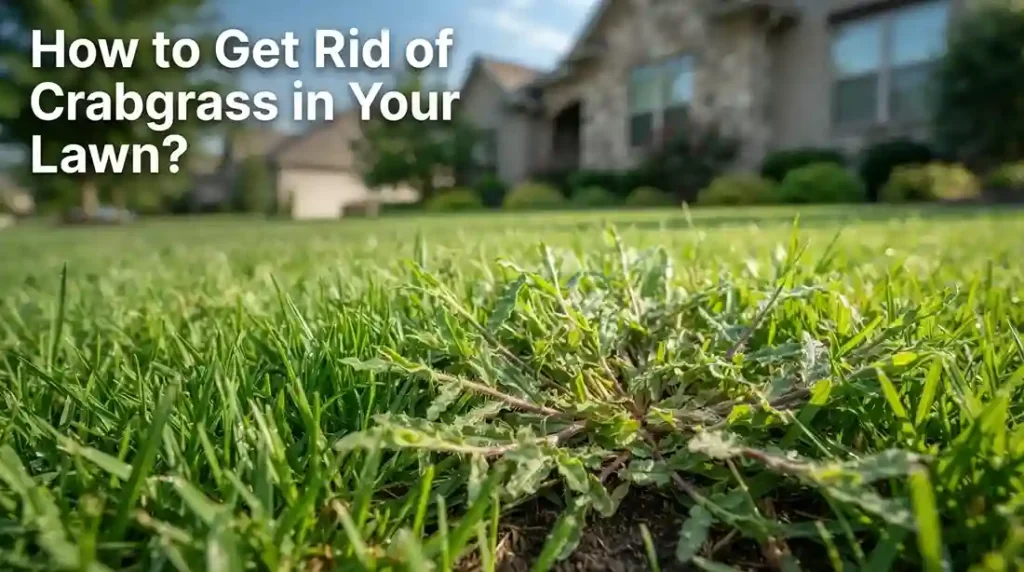
If you apply weed and feed in early spring to stop crabgrass, you are applying heavy nitrogen too early. If you wait until the grass is ready for nitrogen, the crabgrass has already germinated. Always apply a dedicated pre-emergent in early spring to stop weed seeds, then follow up with your fertilizer weeks later when the grass actually needs it.
My Lawn Before and After
When I moved into my current property, the yard was a disaster. It was mostly sandy loam, heavily compacted, and dominated by dandelions and plantain. The previous owner had been blasting it with cheap, fast-release synthetic fertilizers every month in the summer. The soil was completely dead—no earthworms, no microbial life, just a dependency on chemicals.
In my first season, I stopped all synthetic applications. I core aerated heavily and top-dressed the entire lawn with a quarter-inch of organic compost. I switched my feeding schedule to organic, slow-release fertilizers like Milorganite.
The results were slow at first. The grass didn’t get that neon-green artificial pop. But by year two, the root system was incredibly dense. Because I timed my fall applications perfectly, the turf thickened up enough to naturally choke out 90% of the weeds. I now water the lawn half as much as my neighbors do because those deep roots can access moisture further down in the soil profile.
Common Lawn Problems and Fixes
Mistakes happen. Even with a calibrated spreader, you might hit a bump, dump a pound of fertilizer in one spot, and create a massive burn mark. Knowing how to react to over-fertilization can save you from having to patch your lawn later.
Even experienced gardeners make mistakes with broadcast spreaders. Recognizing the early signs of over-fertilization can help you save your grass before the damage becomes permanent.
| Symptom | Likely Cause | How to Fix It |
| Brown, scorched patches | Spilled fertilizer or overlapping spreader passes. | Flood the area heavily with water daily for a week to flush salts. |
| Dark green stripes | Spreader passes were too far apart. | Adjust spreader overlap. Apply at half-rate in perpendicular directions next time. |
| Excessive thatch buildup | Too much nitrogen forcing rapid growth. | Core aerate in the fall and reduce spring fertilization rates. |
The faster you flood the area with water after a spill, the better your chances of flushing the excess nitrogen past the root zone. Prevention is always cheaper than replacing dead sod.
🔧 Quick Fix: If you accidentally spill a pile of granular fertilizer on the grass, do not try to hose it in! You will instantly burn the roots. Use a shop vacuum to immediately suck up the dry granules from the turf canopy.
Tools You Actually Need
Applying fertilizer by hand is a guaranteed way to create a patchy, striped, and burned lawn. You need mechanical help to distribute the granules evenly. Over the years, I have tested dozens of spreaders.
You do not need a shed full of expensive equipment to feed your lawn properly. Here are the essential tools I rely on for even, accurate applications.
| Tool Type | Best For | Expected Cost Range |
| Broadcast Spreader | Medium to large lawns. Even distribution. | $40 – $150 |
| Handheld Spreader | Small patches, tight corners, and garden beds. | $15 – $30 |
| Soil Thermometer | Timing your applications accurately based on soil temp. | $10 – $20 |
A quality broadcast spreader with edge guards will pay for itself in one season by preventing wasted product on your driveway. I strongly suggest skipping the cheap, flimsy drop spreaders entirely. They drop product straight down between the wheels, making it nearly impossible to avoid dark green zebra stripes on your lawn. Stick to broadcast models that throw the granules in a wide arc.
FAQs
Should I fertilize my lawn before or after it rains?
The best approach is to apply fertilizer to a dry lawn a day or two before a light, steady rain. The rain will help dissolve the granules and wash them down into the soil where the roots can access them. However, if a torrential downpour is predicted, hold off. Heavy rains will simply wash the fertilizer across the surface of the soil and down into the storm drains, wasting your money.
Can I apply fertilizer to a wet lawn?
No. You should never apply granular fertilizer to wet grass blades. If there is morning dew on the lawn, or if it just rained, the dry granules will stick to the wet blades of grass instead of falling to the soil. As the sun comes out, the concentrated salts in the fertilizer will severely burn the foliage, leaving your lawn dotted with brown spots.
How long should I wait for my pets and kids to go on the lawn?
If you are applying organic fertilizers like compost or Milorganite, it is generally safe immediately. However, if you are using synthetic fertilizers, especially those containing weed control chemicals, you must keep pets and kids off the lawn. The standard rule is to water the fertilizer in thoroughly, then wait for the grass blades to dry completely before allowing foot traffic. This usually takes 24 to 48 hours.
What happens if I fertilize my cool-season lawn in the middle of summer?
If you push heavy nitrogen on Kentucky Bluegrass or Fescue during July or August, you will severely stress the plant. The roots are already shrinking due to the heat, and forcing top growth demands energy the plant does not have. Furthermore, high nitrogen in the heat creates a perfect breeding ground for aggressive fungal diseases like brown patch, which can wipe out a lawn in days.
Should I mow before or after fertilizing?
I always mow the lawn a day or two before I fertilize. Leaving the grass slightly shorter makes it easier for the granules to reach the soil surface rather than getting caught in the tall canopy. Do not mow immediately after applying fertilizer, especially if you haven’t watered it in yet, or your mower blade will just suck up the granules and shoot them all over your driveway.
Final Verdict
Learning exactly when to fertilize your lawn is the biggest leap you can make from an average yard to a neighborhood standout. Do not blindly follow the aggressive marketing schedules pushed by massive chemical companies. They want you applying product four or five times a year regardless of what your turf actually needs.
First, identify your grass type. If you have cool-season turf, make the fall your heavy feeding window and go light in the spring. If you have warm-season turf, wait until late spring and feed it throughout the hot summer. Test your soil, invest in a decent broadcast spreader, and rely on slow-release fertilizers to provide steady, even nutrition. If you respect the natural growing cycle of your grass, it will reward you with a deep, resilient root system that naturally fights off weeds and disease.