Does Kentucky Blue Grass Spread on Its Own? The Truth
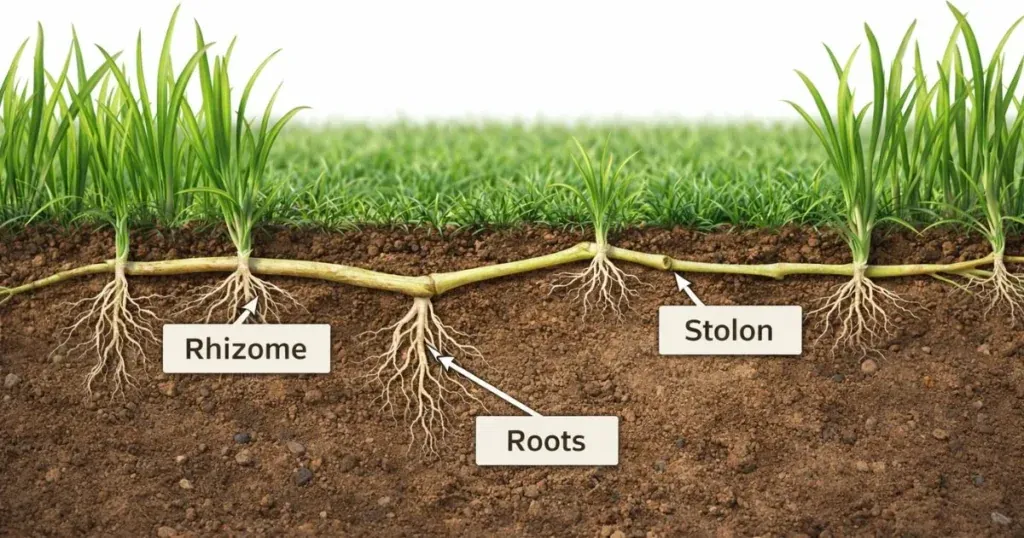
Yes, kentucky blue grass does spread on its own through underground stems called rhizomes. These stems grow horizontally beneath the soil surface to create new shoots, allowing the grass to fill in bare spots and thicken your lawn over time. While it’s a vigorous grower, this spreading behavior depends heavily on the health of the soil and the amount of sunlight the area receives throughout the growing season.
How Kentucky Blue Grass Grows

Kentucky blue grass is a cool-season turfgrass that relies on its rhizomes to expand into neighboring spaces. Unlike bunch-type grasses that stay in one spot, these underground runners allow the plant to colonize new ground continuously. This habit makes it an excellent choice for lawns where you want a uniform, dense carpet of green that can recover from minor damage or foot traffic.
The speed at which it spreads is tied to your maintenance routine and local climate conditions. When the grass receives proper irrigation and regular feeding, it can cover small gaps in your turf relatively quickly. However, it doesn’t spread aggressively enough to take over a garden bed or a thick patch of weeds. It prefers open, sunny areas and will struggle to fill in spots that are heavily shaded or consistently dry.
If you’re dealing with bare patches, check the soil depth first. Rhizomes typically travel within the top one to two inches of loose, aerated soil. If you find compacted clay, the runners will struggle to penetrate the soil, and a thatch layer thicker than half an inch can harbor pests and restrict water infiltration.
In these cases, no amount of fertilizer will force the grass to spread. You must core-aerate the lawn to provide the physical pathways necessary for the rhizomes to migrate into the empty space.
The grass performs best in full sun and requires consistent moisture to maintain its spreading habit. If you notice your lawn isn’t filling in, the issue is often a lack of nutrients or compacted soil rather than a failure of the grass itself. You should aim to keep the soil pH between 6.0 and 7.0 to ensure the roots and rhizomes have the best environment for expansion.
Apply a nitrogen-heavy fertilizer in early autumn to trigger the most vigorous rhizome production of the year. If you apply high-nitrogen products in the heat of mid-summer, you risk burning the shallow roots and inviting fungal diseases. Wait until the soil temperature drops below 70 degrees Fahrenheit. This timing signals the grass to stop focusing on leaf growth and start investing energy into the underground network that creates a thicker, more resilient lawn for the following spring.
Factors Affecting Growth
While the grass has the natural ability to spread, certain conditions will slow it down or stop it entirely. If you have a lawn that stays wet for too long, the roots might rot, which prevents the plant from sending out new rhizomes. Conversely, if the soil is too hard, the runners can’t push through the earth to establish new growth.
Check for soil compaction by pushing a screwdriver into the ground. If it meets significant resistance four inches down, the runners will stall. You must aerate the lawn annually to break this barrier. Without this step, your grass will remain thin regardless of how much water or fertilizer you provide.
Shade creates a different trap. If your lawn receives less than four hours of direct sunlight, the grass lacks the energy to produce lateral growth. Don’t waste money on standard sun-loving seed blends in these areas. Switch to shade-tolerant fescue varieties, which possess lower light requirements and higher density.
Nitrogen deficiency is the most common mistake homeowners make. If your grass blades appear pale yellow rather than deep green, it’s starving. Apply a fertilizer with a balanced NPK ratio to stimulate development. If the color doesn’t improve within two weeks, the soil pH may be too acidic to absorb the nutrients.
| Situation | What changes | What to do instead |
|---|---|---|
| Heavy shade | Reduced energy | Use shade-tolerant fescue |
| Soil compaction | Restricted movement | Aerate the lawn annually |
| Low nitrogen | Slower growth | Apply balanced fertilizer |
| Extreme drought | Dormancy | Provide deep, weekly watering |
| High foot traffic | Physical damage | Overseed thin areas |
Monitor your watering schedule closely. If you provide light, daily sprinkles, the roots stay near the surface and dry out quickly. Provide one inch of water once per week to force the roots deeper into the soil.
Growing a Thick Lawn
To help your grass spread, you must provide the right conditions for the rhizomes to thrive. Start by mowing your lawn at a height of 3 to 4 inches, as taller grass blades shade the soil and keep roots cool. If you cut it shorter, the plant focuses its energy on recovering from the cut instead of expanding its underground network.
Test your soil to ensure the pH remains between 6.0 and 7.0. If your soil is too acidic, nutrients become locked away and unavailable to the grass, regardless of how much fertilizer you apply. You can fix this by adding pelletized lime to raise the pH level.
Aerate the lawn once a year to allow oxygen and water to reach the roots. If you have heavy clay soil, perform this in the spring to break up compaction. If you have sandy soil, focus on fall aeration to prepare for overseeding.
Apply a slow-release nitrogen fertilizer in the early fall to encourage root development. Avoid high-nitrogen quick-release formulas in the heat of summer, as these force top growth that burns out under stress.
Water the lawn deeply once or twice a week rather than giving it light, daily sprinkles. Shallow watering encourages roots to stay near the surface where they dry out quickly. Aim for one inch of water per week, measured by placing a tuna can in your yard to track the accumulation.
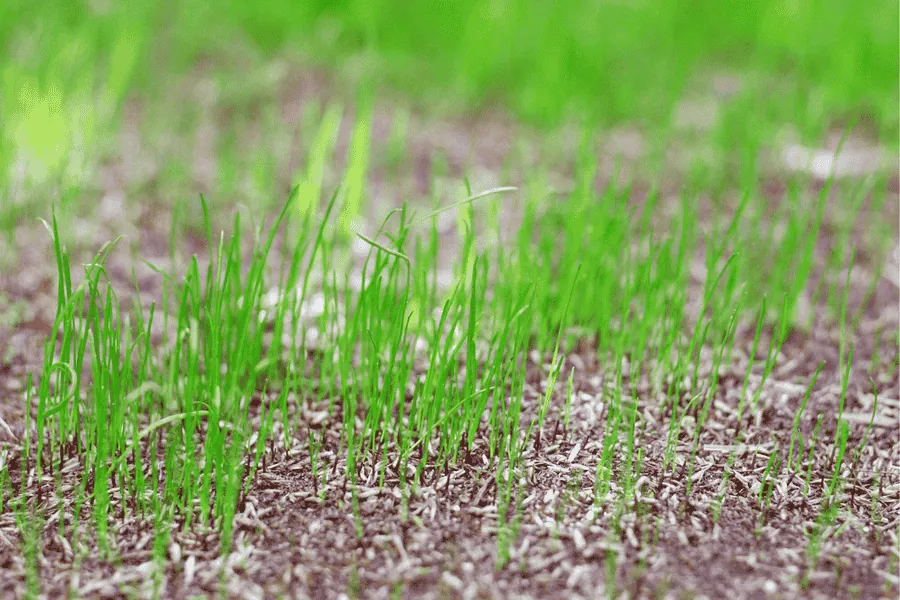
Overseed any bare patches wider than six inches in the autumn. Grass spreads through rhizomes, but it can’t jump across large gaps of exposed dirt. If you see a patch larger than your hand, the grass won’t fill it in time to prevent weeds from taking root. In these cases, you must manually sow new seed and cover it with a thin layer of compost to ensure germination.
Common Mistakes That Stop Growth
Mowing the grass too short forces the plant to spend all its energy on leaf repair, leaving none for the rhizomes to grow. Keep your mower deck at three inches or higher to ensure the blades can produce enough sugar to fuel root expansion. If you scalp the lawn, you invite weeds and dry out the soil surface, which stunts horizontal spread.
Applying weed killers on young grass can damage the delicate runners and prevent the lawn from filling in properly. Wait until the grass has been mowed at least four times before using any chemical treatments. If you apply herbicides too early, you risk killing the very grass you’re trying to cultivate.
Ignoring soil compaction prevents the underground stems from pushing through the dirt to reach new areas. If a screwdriver can’t easily penetrate the soil, the ground is too dense for rhizomes to navigate. Core aerate your lawn once a year to create channels for air, water, and new growth to move freely.
Under-watering during hot summer months causes the grass to go dormant, which completely halts the spreading process until the weather cools. During a drought, the plant prioritizes survival over expansion. If you see footprints remaining in the grass after you walk across it, the lawn is dehydrated and needs at least one inch of water per week.
If your lawn remains thin after addressing these issues, test your soil pH. Grass struggles to spread in acidic conditions below 6.0, often requiring a lime application to unlock the nutrients necessary for growth.
Frequently asked questions
How long does it take for kentucky blue grass to spread?
It typically takes one full growing season for the grass to noticeably fill in small gaps, assuming it receives at least 1 inch of water per week. The grass grows most actively in the spring and fall when temperatures are between 60°F and 75°F. If you have a large bare patch, it will take much longer for the rhizomes to reach the center, so overseeding is the better choice for immediate coverage.
Does it spread into flower beds?
Yes, rhizomes can travel under garden borders and creep into your flower beds without a physical barrier. To stop this, install landscape edging at least 4 inches deep to block underground runners. If you lack a barrier, manually trim edges or pull stray shoots as soon as they appear.
Will it spread in the shade?
No, the grass won’t spread effectively in deep shade because it requires at least 6 to 8 hours of direct sunlight to produce the energy for rhizome growth. In shaded areas, the grass will become thin and weak, eventually dying off as it competes with trees or buildings for light. If you have a shady lawn, you should replace the patches with a grass variety specifically bred for low-light conditions.
Can I stop it from spreading?
Yes, you can limit the spread by installing a deep, permanent landscape border between your lawn and other garden areas. This physical wall prevents the rhizomes from crossing over into your mulch or flower beds. If you want to keep the lawn contained without a border, you must regularly edge the perimeter with a spade or a string trimmer to cut back any runners that attempt to move beyond the lawn boundary.
Does it spread faster in the spring or fall?
It spreads most rapidly during the cool, moist months of early autumn, which is the peak growth period for this species. Spring also sees strong growth, but the plant often faces more stress from rising temperatures and fungal issues during that time. For the best results, focus your lawn care and overseeding efforts in the fall when the soil is warm and the air is cooling down.
Is it safe for pets and children?
Yes, the grass is safe and doesn’t contain toxic chemicals, provided you follow the manufacturer’s instructions for any fertilizer or pesticide applications. You should always wait for the recommended drying time listed on product labels before letting people or pets back onto the lawn. If you’re concerned about specific chemicals, check the label on your fertilizer bag or contact your local agricultural extension office for safe usage guidelines.
Conclusion
To keep your lawn looking its best, try to feed it with a balanced fertilizer during the early fall. This extra boost helps the roots grow deep and strong before winter arrives. You’ll find that your yard stays lush and healthy if you’re consistent with these simple seasonal care habits.