
Does Kentucky Bluegrass Do Well in Full Sun? The Expert Verdict
Kentucky bluegrass thrives in full sun, provided you give it enough water and proper care during the hottest summer months. It’s a cool-season grass that performs best when it receives at least six to eight hours of direct sunlight every day. If you live in an area with very high heat, you must keep the soil consistently moist to prevent the grass from going dormant or dying back during the peak of summer.
Kentucky bluegrass thrives in full sun
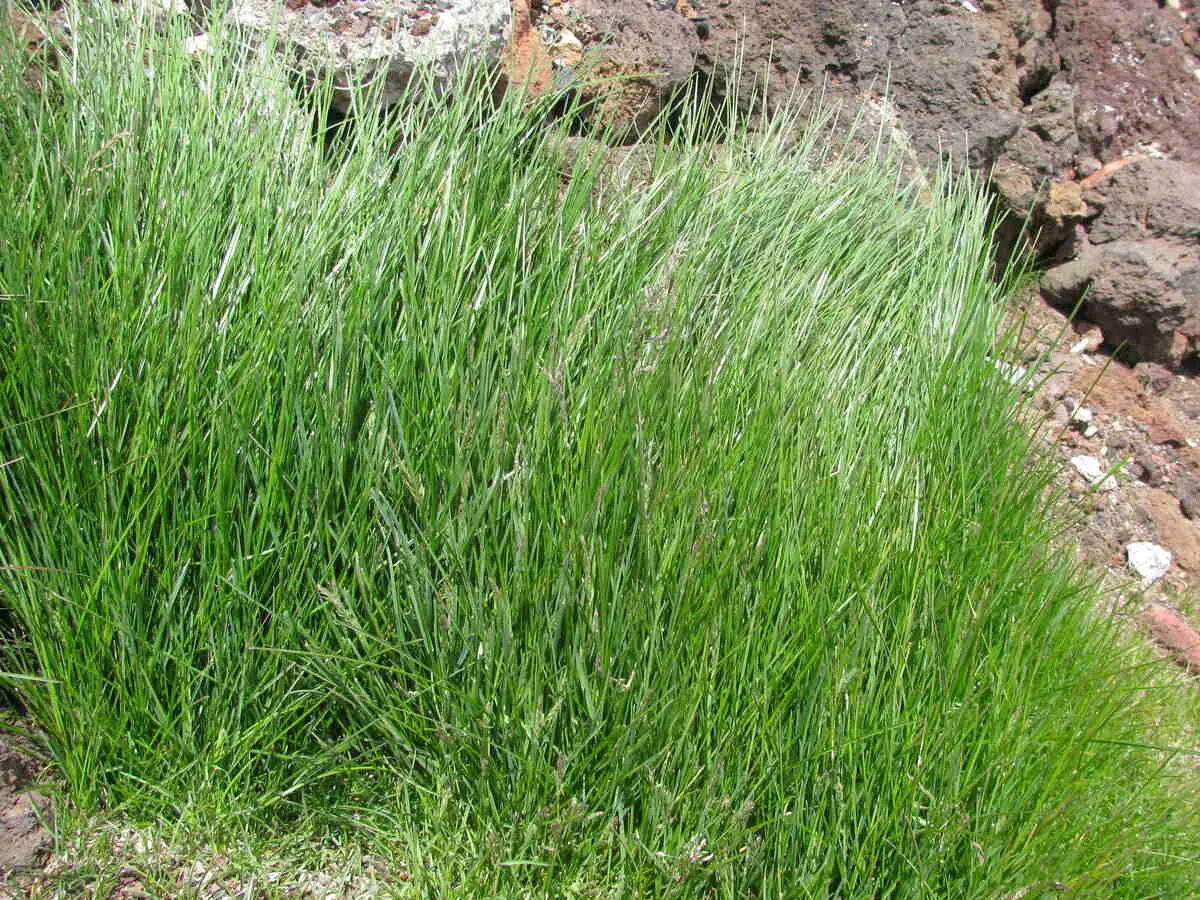
Target a mowing height of 2.5 to 3.5 inches to shade the soil and keep roots cool. Taller blades encourage deeper root growth, which protects your lawn during heat waves.
Apply 1 to 1.5 inches of water per week, including rainfall, to keep the turf green. Use a tuna can placed in the yard to measure your output accurately. If the soil feels spongy or squishy underfoot, you’re overwatering and risking fungal disease.
Fertilize in the fall when temperatures drop, rather than during the heat of summer. Feeding during a drought forces the grass to grow when it should be dormant, which exhausts its energy reserves.
Choose a drought-tolerant cultivar if your region has dry, hot summers. Tall fescue varieties often outperform Kentucky bluegrass in these conditions.
Monitor for thatch buildup annually. If the organic layer exceeds 0.5 inches, use a dethatching rake to clear the debris. Failing to remove thick thatch prevents water and nutrients from reaching the soil, eventually causing the grass to thin out and die.
Why This Grass Needs Direct Light
Kentucky bluegrass needs plenty of sunlight to grow into a thick, healthy lawn. Sunlight supports photosynthesis, which helps the grass produce energy for healthy growth. In heavy shade, the grass may become thin and weak. This can leave more room for weeds and increase the risk of lawn problems.
If your lawn receives less than six hours of direct sunlight daily, Kentucky bluegrass may struggle to stay dense. Observe the area throughout the day to see how much sunlight it receives. If trees or buildings create heavy shade, consider a more shade-tolerant fescue blend instead.
Full sun also causes soil to dry faster than shade. Check soil moisture regularly, especially during hot weather. If the grass blades curl or turn dull gray-green, the lawn may be experiencing water stress. Water deeply when needed to help protect the grass from further stress.
Does Kentucky Bluegrass Tolerate Full Sun in Hot Climates?
Kentucky bluegrass can grow in full sun in warmer regions, but prolonged heat makes it harder to keep the lawn healthy. The main problem is not sunlight alone. High temperatures and dry soil can stress this cool-season grass, causing it to turn brown or enter dormancy even when it receives plenty of light.
If your area has long, hot summers, check soil moisture regularly and avoid cutting the grass too short. Tall fescue may be a better choice for lawns that face frequent heat and drought. Your local climate and soil conditions should guide your decision.
Adjusting for different conditions

| Situation | What changes | What to do instead |
|---|---|---|
| Heavy afternoon heat | Increases water demand | Water deeply in early morning |
| High humidity levels | Higher fungal risk | Mow higher to increase airflow |
| Sandy, dry soils | Faster moisture loss | Add organic compost annually |
| Dense tree shade | Insufficient light levels | Use fine fescue instead |
| Poor drainage sites | Risk of root rot | Aerate soil to improve flow |
When afternoon temperatures climb above 90 degrees, your lawn loses moisture faster than it can absorb it. If you water during the heat of the day, most of the liquid evaporates before reaching the root zone, wasting your effort. Stick to a schedule before 8:00 a.m. to ensure deep saturation.
High humidity creates a breeding ground for common Kentucky bluegrass fungal pathogens like dollar spot or leaf spot. If you notice yellowing patches, raise your mower deck by at least one inch. This extra leaf surface promotes better airflow and prevents moisture from clinging to the base of the grass blades.
Sandy soils lack the structural integrity to hold nutrients. If water pools on the surface and vanishes within minutes, your soil is too porous. Incorporating two inches of compost into the topsoil each spring acts as a sponge, retaining essential minerals that would otherwise leach away.
Dense shade requires a different genetic approach. If your lawn receives less than four hours of direct sun, standard turf grasses will thin and die. Fine fescue survives where others fail because it requires significantly less photosynthesis to maintain its cellular structure.
Finally, standing water is the primary cause of root rot. If puddles remain three hours after a rain, aeration is mandatory. Use a core aerator to remove plugs, which allows oxygen to reach the roots and forces trapped water to drain into the subsoil.
How to maintain your lawn
Test your soil pH level using a kit from your local extension office to ensure it stays between 6.0 and 7.0 for optimal growth. If your soil tests below 6.0, apply lime to raise the alkalinity; if it tests above 7.0, use sulfur to lower it.
Mow your lawn at the highest setting on your mower, usually 3.5 inches, to protect the roots from the intense sun. Never cut more than one-third of the grass blade at once, as this shocks the plant and invites disease.
Water your lawn in the early morning, between 5:00 AM and 9:00 AM, to reduce evaporation and allow the blades to dry before nightfall. Aim for one inch of water per week, measured by placing a tuna can in the yard to track accumulation.
Apply a slow-release nitrogen fertilizer in late summer or early fall when the grass enters its second period of strong growth. Avoid fertilizing during the heat of mid-summer, which can burn the grass.
Aerate your lawn once a year if the soil feels hard or if you notice water pooling after a light rain. This process relieves compaction.
Overseed thin areas in the fall with a blend of Kentucky bluegrass and perennial ryegrass to keep the lawn thick and competitive against weeds.

Frequently asked questions
Does kentucky bluegrass need full sun all day?
This grass performs best with six to eight hours of direct sunlight daily. It requires this exposure to maintain a thick, healthy cover. It may struggle in areas with significant shade from buildings or trees, where you should consider a more shade-tolerant species.
How often should i water in full sun?
Provide 1 to 1.5 inches of water per week, ideally in two deep sessions. Check soil moisture by pushing a screwdriver into the ground to ensure it doesn’t meet hard resistance. Adjust your watering based on local rainfall to avoid overwatering your lawn.
Is it safe to fertilize in the summer?
Don’t apply heavy nitrogen fertilizer during the hottest months to avoid forcing growth under heat stress. Wait until temperatures consistently drop below 80 degrees Fahrenheit in the fall. Fertilizing in extreme heat risks burning the lawn and weakening the root system.
What happens if the grass turns brown in summer?
The grass enters dormancy to protect itself when temperatures are high and water is scarce. This is a natural survival mechanism, and the lawn will turn green again once conditions improve. If drought lasts over three weeks, provide a half-inch of water to keep crowns alive.
Does the grass color change in full sun?
The grass maintains a vibrant green color in full sun with adequate water and nutrients. If it appears pale or yellow despite regular watering, it likely lacks nitrogen or has an improper soil pH. Test your soil through a local extension office to identify necessary nutrients.
Does it matter if the sun is very intense?
High heat combined with full sun can push this grass past its comfort zone. If temperatures frequently exceed 90 degrees Fahrenheit, you must be diligent about deep watering. In these hot climates, keep mower blades sharp and soil aerated to help the plant survive intense exposure.
Conclusion
Taking care of your lawn requires watching the weather and adjusting your habits as the seasons shift. By focusing on deep watering and proper mowing heights, you can keep your grass healthy even during the brightest, hottest days of the year.