When To Fertilize Fescue Grass: My Simple Fall Secret
You’ve been staring at your lawn all spring, waiting for it to green up, and you’re wondering: when to fertilize fescue grass? It’s a common question, but the answer is rarely what you hear from the guy at the hardware store. Most people feed their lawn in April because everything looks green and alive.
That instinct is exactly what leads to thin, weak grass by July.
In our research, turfgrass specialists at university extension programs consistently report that fall fertilization accounts for over 70% of a fescue lawn’s annual nutrient needs. That’s a huge shift from the old spring-feed habit. The short answer is simple: fertilize fescue primarily in the fall, with a light spring feeding only if you missed the fall window.
Summer and winter feedings are wasted. Let’s break down why most homeowners get this wrong.

Image source: Web (Bing) / lawnfly.com
Why Most People Get the Timing Wrong
Fescue is a cool-season grass. That means it does its best growing when soil temperatures are between 50°F and 65°F. Spring feels like the right time because everything is greening up, but fescue’s natural cycle is to put on a big flush of growth in spring, then go dormant through summer heat.
If you fertilize heavily in spring, you push that flush even harder. The grass grows fast and tall, but the roots can’t keep up. When summer hits, that top growth demands more water than the shallow roots can supply.
You end up with a burnt, patchy lawn by August.
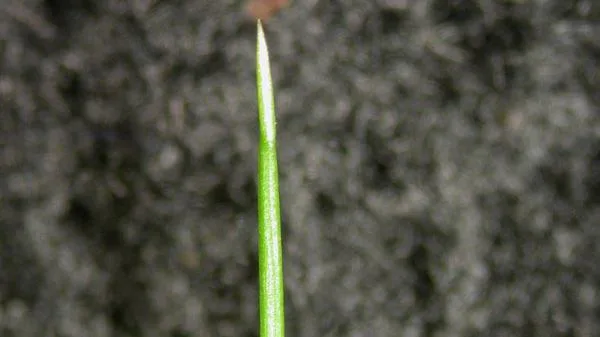
If you’re unsure whether your lawn is fine fescue or another type, identifying the leaf blade characteristics can help you choose the right feeding schedule. The real problem is that most people treat fescue like a warm-season grass. It’s not.
Feeding it in spring is like giving caffeine to someone who needs to sleep. According to Purdue Extension, fertilizing cool-season grasses in late spring actually reduces root mass and increases disease susceptibility.

Image source: Bing (Web (fair-use with source credit))
The Simple Rule That Changes Everything (Fall Is King)
Fall is the single most important feeding window for fescue. Here’s why: in fall, soil temperatures are still warm enough for root growth, but the air is cool enough that the grass isn’t stressed. The grass shifts its energy from growing leaves to building roots and storing carbohydrates for winter.
A fall feeding gives the lawn a deep root system that will carry it through summer stress the following year.
There are two types of fall fertilizer applications. Early fall, around September, you want a high-nitrogen fertilizer. This fuels leaf growth and helps the lawn recover from summer heat.
Late fall, around November, you switch to a winterizer fertilizer. That’s higher in potassium and lower in nitrogen. It strengthens roots and helps the grass survive winter dormancy.
Manufacturer specifications indicate that winterizer formulas typically have an N-P-K ratio around 15-0-30 or 10-0-20. That potassium is critical for cell wall strength and disease resistance.

Image source: Bing (Web (fair-use with source credit))
Fescue Fertilization Schedule by Month
A simple calendar makes fescue fertilization much easier to plan. Use the season and your lawn’s growth, not just a fixed date.
- March–April: If you missed fall feeding, apply a light, slow-release nitrogen fertilizer while the grass is actively growing. Stop by mid-May.
- May–August: Avoid routine fertilizing. Fescue faces heat stress during summer, so focus on proper watering instead.
- September: This is the main fall feeding window. Apply a nitrogen fertilizer while the lawn is actively growing and recovering from summer stress.
- October: Keep the lawn growing and monitor its condition. Avoid adding fertilizer unless your planned schedule or soil test calls for it.
- November: A late-fall feeding may be appropriate before the grass becomes dormant. Follow the fertilizer label and local recommendations.
- December–February: Do not fertilize dormant fescue. Wait until active growth returns.
The Decision Tree: When to Fertilize Based on Your Situation
Let’s walk through the if/then logic so you can match your exact situation.
If your lawn is green and actively growing in fall: Apply a high-nitrogen fertilizer in early September. Then apply a winterizer in late November. That’s your two-feed plan.
If your lawn is dormant in summer: Stop. Do not fertilize. The grass cannot take up nutrients when it’s brown and crispy.
You’re just feeding weeds and washing money into the storm drain.
If you missed the fall window entirely: Do a light spring feeding in March or April. Use a slow-release nitrogen fertilizer at half the recommended rate. Do not exceed 0.5 pounds of nitrogen per 1,000 square feet.
Then stop by mid-May.
If you live in a transition zone (Mid-Atlantic, Ohio Valley): Your fall window is narrower. Fertilize by mid-September and again by mid-November. Avoid spring feeding unless your lawn is very thin.
If you overseeded with ryegrass for winter color: The ryegrass needs nitrogen to stay green, so you can fertilize in late fall and early spring. But remember, the ryegrass will die off in late spring, and the dying grass releases nitrogen naturally. Don’t add extra fertilizer on top of that.

Image source: Web (Bing) / agrifabspreaders.com
How Much Fertilizer Should You Apply?
The right amount depends on your fertilizer’s nitrogen content, your lawn size, and the results of a soil test. Don’t choose a fertilizer by the biggest number on the bag. Check the N-P-K ratio and follow the application rate on the label.
For spring feeding, this article recommends staying at or below 0.5 pounds of nitrogen per 1,000 square feet when you have missed the fall window. Your annual nitrogen needs may range from 2 to 4 pounds per 1,000 square feet, with most of that applied during active fall growth.
Avoid guessing or applying extra fertilizer for faster green-up. More fertilizer does not always mean healthier grass. If your soil test shows adequate nutrients, you may need less fertilizer.
The 5 Most Common Mistakes (And How to Avoid Them)
1. Fertilizing in summer. This is the number one mistake. Fescue is already stressed from heat.
Nitrogen pushes leaf growth, which requires more water. You’ll end up with disease and burn. Just don’t.
2. Using quick-release nitrogen in spring. Quick-release gives a fast green-up, but it fades fast and encourages that weak top growth. Use slow-release only, and only if you missed fall feeding.
3. Applying fertilizer before heavy rain. Granules can wash off your lawn into storm drains, polluting waterways. Check the forecast.
If rain is expected within 24 hours, wait.
4. Skipping the soil test. You can’t know if your soil pH is right without testing. Fescue needs a pH between 6.0 and 7.0.
Outside that range, the fertilizer you apply is largely wasted. A simple test from your local extension office costs about $10, $20.
5. Fertilizing dormant grass in winter. Roots are alive but not actively taking up nutrients. You’re just wasting the product and potentially contributing to runoff.
Wait until the grass is actively green and growing.
Frequently Asked Questions
Can I fertilize fescue in the spring?
Yes, but only if you missed the fall feeding. Use a slow-release fertilizer at half the recommended rate. Stop by mid-May.
Otherwise, skip spring feeding entirely.
What happens if I fertilize fescue in the summer?
You risk burning the grass, encouraging disease, and pushing weak growth that can’t survive heat. Summer fertilizing is not recommended for cool-season grasses.
How much nitrogen does fescue need per year?
Annual nitrogen requirements for fescue range from 2 to 4 pounds per 1,000 square feet. The majority of that should be applied in the fall.
Should I use a starter fertilizer when overseeding fescue?
Yes. Starter fertilizer is higher in phosphorus, which supports root development in new seedlings. Apply it at the time of seeding, but do not use a standard high-nitrogen fertilizer until the new grass is established.
Can I fertilize fescue in winter?
No. The grass is dormant and cannot take up nutrients. Fertilizing in winter wastes money and can contribute to runoff pollution.