How to Grow Kentucky Bluegrass From Seed the Right Way
You want a lush, dense Kentucky bluegrass lawn, but starting it from seed feels like a gamble. One wrong move, planting too late, watering too little, picking the wrong variety, and you’re staring at patchy dirt instead of that signature deep‑green carpet. The truth is, how to grow kentucky bluegrass from seed comes down to two variables you can control: your seedbed and your timing.
Get those right, and the rest is straightforward maintenance.
As of 2026, National Turfgrass Evaluation Program data shows that properly established KBG can fill in bare spots within 60 days, but only if you match the seeding method to your specific situation, fall on bare soil, spring overseeding, or dormant winter seeding. Each path has different risks and rewards. Let’s walk through the conditions that decide your success.
Image source: Web (Bing) / lawnsynergy.com
Quick Answer
Sow Kentucky bluegrass seed in early fall when soil is between 50, 65°F. Use 2, 3 pounds per 1,000 square feet. Rake seed ¼ inch deep.
Keep soil moist for 14, 21 days. First mow when grass hits 3, 4 inches. Fertilize with a high‑phosphorus starter.
Avoid pre‑emergent herbicides until after the second mowing.
Why Kentucky Bluegrass Is So Tricky from Seed
Most cool‑season grasses germinate in 5, 10 days. Kentucky bluegrass takes 14, 21 days, sometimes longer if the soil is too cold or too dry. That slow start is the main reason people fail.
The seed itself is tiny. It needs constant contact with damp soil. If it dries out for even one day during that three‑week window, germination stops.
The seedling dies, and you get bare patches.
KBG also has a rhizomatous growth habit. That’s great for filling in gaps later, but it means the initial stand needs time to spread. You can’t rush it.
If you mow too short or walk on it too early, you crush the young crowns.
The real challenge? Timing the seeding so the grass has enough time to establish roots before winter arrives, or survive summer heat if you plant in spring. That’s why fall seeding is the gold standard for anyone in zones 3, 6.
For more on how KBG behaves throughout the year, you can see our guide on when it stays green in winter and how it handles dormancy during summer.
The Two Key Decisions: Seedbed and Season
Before you buy a single bag of seed, ask yourself two questions. Your answers will determine every step that follows.
Decision 1: Are you starting on bare soil or overseeding an existing lawn?
- Bare soil: You till, grade, and start fresh. This gives the best results because there’s no competition from old grass. You can also control soil pH and fertility before planting.
- Overseeding: You’re adding seed to an already thin KBG or mixed lawn. Success depends on how well you prepare, aerating, dethatching, and keeping existing weeds under control. The seeding rate is lower (1, 2 lbs per 1,000 sq ft), but the risk of poor seed‑to‑soil contact is higher.
Decision 2: What’s your climate zone and your planting window?
- Fall (ideal): Soil naturally cools to 50, 65°F. Air temperatures drop, weeds slow down, and you get 6, 8 weeks of good growing weather before frost. This is your safest bet.
- Spring (higher risk): Soil warms slowly, but you’re racing against summer heat. KBG seedlings are heat‑sensitive. If you don’t finish by June, the young grass may go dormant and die.
- Dormant seeding (late fall): You sow after the ground freezes. The seed sits in place until spring soil temps trigger germination. Works well if you can’t get to a fall planting, but germination rates are lower.
A soil test kit is essential for either path. It tells you your pH and nutrient levels, so you don’t waste money on fertilizer that won’t work. If your pH is below 6.0, add lime.
Above 7.0, add sulfur. The goal is 6.0, 7.0.
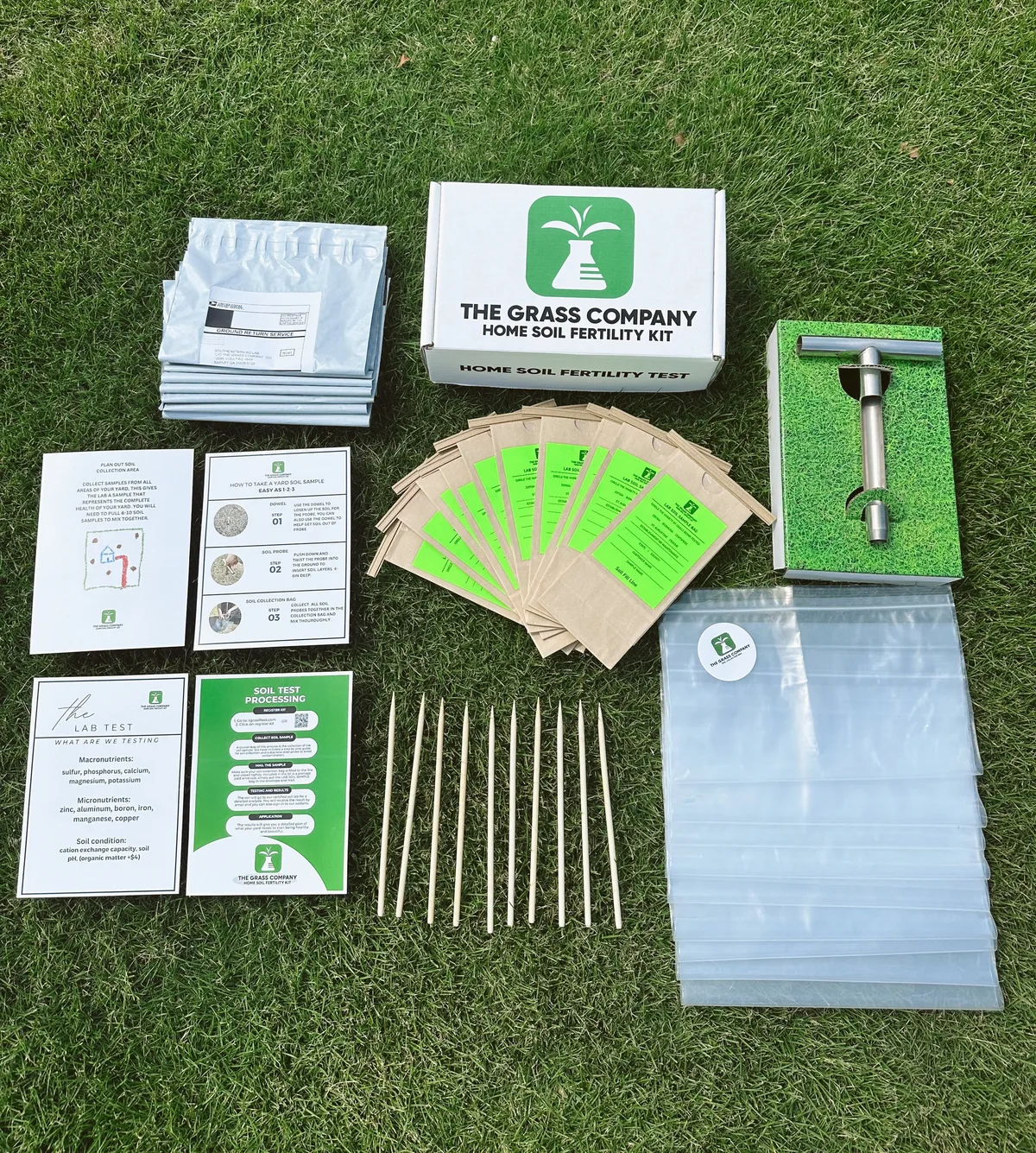
Image source: Web (Bing) / tgcsoiltest.com
The Right Process for Your Situation
You have three main scenarios. Each has a different workflow. Pick the one that matches your conditions.
Fall Seeding on Bare Soil (Best Case)
- Prepare the bed. Remove debris, rocks, and weeds. Till 4, 6 inches deep. Grade so water runs away from structures.
- Test and amend soil. Wait 2 weeks after tilling. Apply lime or sulfur based on test results.
- Apply starter fertilizer. Use a high‑phosphorus formula (10‑20‑10 or 18‑24‑12). Rake it into the top 2 inches.
- Sow seed. Set your broadcast spreader to 2, 3 lbs per 1,000 sq ft. Walk in parallel rows, then cross‑hatch for even coverage.
- Lightly rake or roll. Bury seed no deeper than ¼ inch. A lawn roller helps firm the seed‑to‑soil contact.
- Mulch (optional but recommended). A thin layer of peat moss or straw keeps moisture in and prevents crusting.
- Water immediately. Use a fine mist. Keep the top inch of soil damp at all times. That means watering 2, 3 times a day for the first 2 weeks. Reduce to once daily as seedlings emerge.
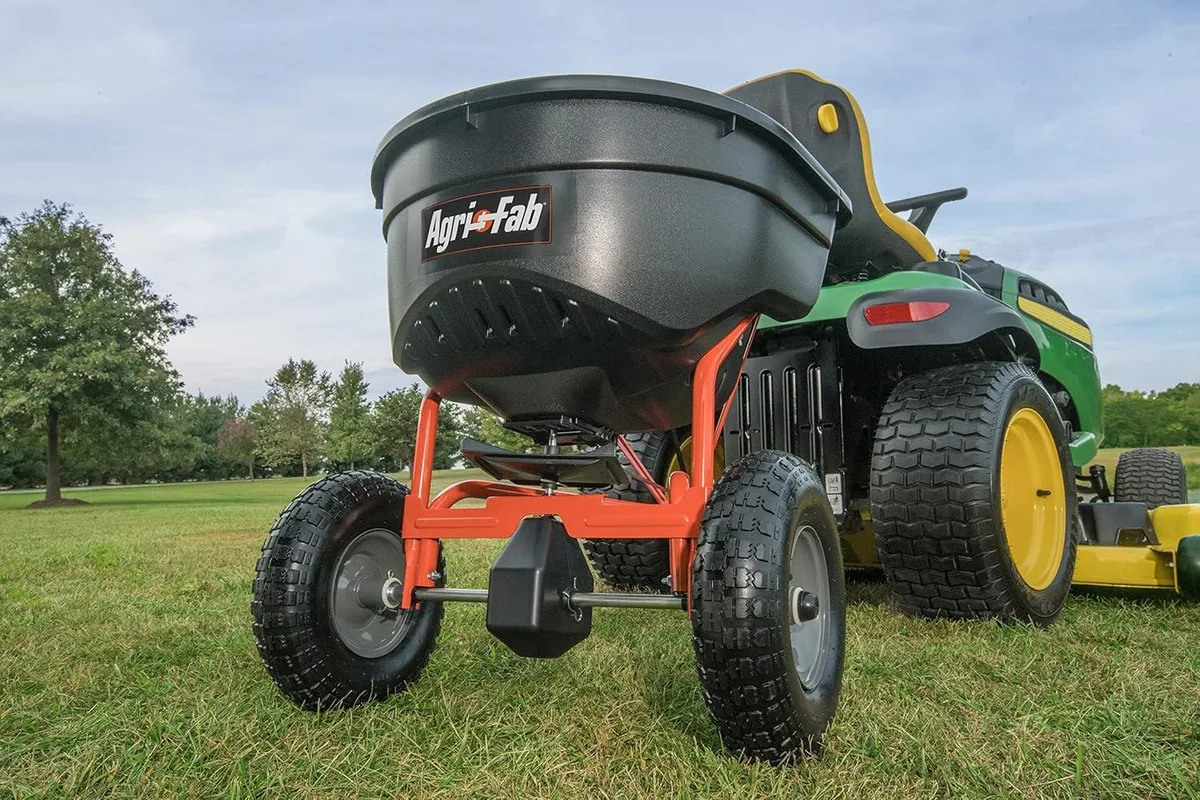
Image source: Bing (Web (fair-use with source credit))
Spring Seeding on Bare Soil (Higher Risk)
Same basic steps as fall seeding, but you must:
- Start as soon as soil temperature hits 50°F (usually mid‑March to mid‑April).
- Watch the forecast. A late frost can kill seedlings. Cover with floating row cover if temps dip below 32°F.
- Expect summer stress. Water deeply (1 inch per week) once grass is 2 inches tall. Consider a shade cloth during heatwaves.
- Accept that you may need to overseed again in fall if the stand is thin.
Overseeding an Existing Lawn (Any Season)
Overseeding is more forgiving but less predictable. Here’s the process:
- Mow low. Cut existing grass to 1.5, 2 inches. Bag the clippings.
- Dethatch and aerate. If thatch is thicker than ½ inch, rent a dethatcher. Then core aerate to create seed‑safe pockets.
- Apply seed. Use 1, 2 lbs per 1,000 sq ft. Spread half in one direction, half perpendicular.
- Lightly rake. Drag a leaf rake over the area so seeds fall into the aeration holes.
- Water frequently. Same as bare soil, keep surface damp for the first 3 weeks.
- Delay herbicide. Do not apply any weed killer until after the second mowing. Pre‑emergents will kill your new seedlings.
For a deeper look at how KBG spreads on its own, check out our article on whether it seeds itself and what that means for overseeding.
Watering, Mowing, and Fertilizing in the First 60 Days
The first two months are make‑or‑break. Here’s exactly what to do at each stage.
Weeks 1, 3 (germination period)
- Water 2, 3 times daily. Target 15, 20 minutes each session with a fine spray. The goal is to keep the top ¼ inch constantly damp, never dry, never puddled.
- Do not walk on the seeded area. You’ll crush tender seedlings.
Weeks 3, 6 (seedling establishment)
- Reduce watering to once daily. Apply enough to soak down to 2, 3 inches. That’s about ½ inch of water per session.
- First mow when grass reaches 3, 4 inches. Cut at 2, 2.5 inches. Use a sharp blade. Do not remove more than one‑third of the leaf height.
- Apply a nitrogen‑based fertilizer (like 21‑0‑0) 4 weeks after germination at a rate of 0.5 lbs nitrogen per 1,000 sq ft.
Weeks 6, 8 (thickening phase)
- Water 2, 3 times per week, deeper (1 inch per week total).
- Mow at 2, 2.5 inches every 5, 7 days.
- Avoid heavy foot traffic and sports play until the grass is 4 months old.
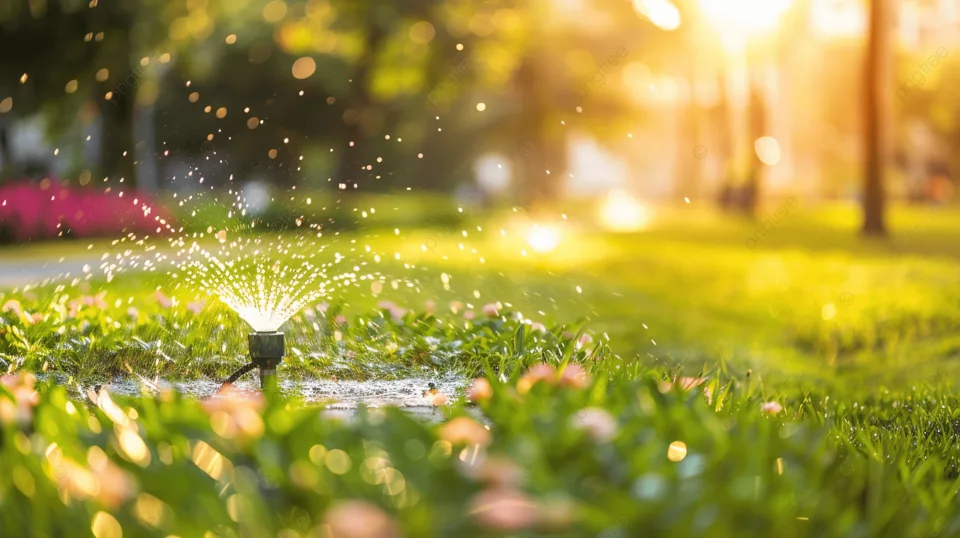
Image source: Web (Bing) / pngtree.com
Common Watering Mistakes
- Light sprinkles daily, encourages shallow roots. Switch to deeper, less frequent watering after week 3.
- Overwatering at night, promotes fungal diseases like dollar spot and red thread. Water in the early morning when possible.
- Letting the surface crust, on clay or silt soils, a hard crust can block emerging seedlings. Using a light mulch prevents this.
Quick-Reference Decision Guide
This table walks you through the key choices based on your specific situation. Start with your seedbed type, then find your season. The result gives you the exact plan to follow.
| Your Situation | Best Seeding Time | Seeding Rate (per 1,000 sq ft) | Notes |
|---|---|---|---|
| Bare soil, Northern zone (3–6) | Early fall (Aug–Oct) | 2–3 lbs | Low risk. Full sun. Use starter fertilizer. |
| Bare soil, Transition zone (7) | Early fall with irrigation | 2–3 lbs | Risk of summer stress. Irrigate deeply all summer. |
| Bare soil, any zone, missed fall | Spring (Mar–May) | 2–3 lbs | High risk. Must keep soil cool. Expect patchy fill; plan to overseed next fall. |
| Overseeding thin lawn | Fall or spring | 1–2 lbs | Aerate first. Lower rate. Delay herbicides. |
| Dormant seeding (bare soil) | Late fall, ground frozen | 2–3 lbs | Lowest germination. Wait for spring melt. No watering until soil warms. |
When to choose fall over spring every time: If you live north of Interstate 80 and have bare soil, fall seeding gives you the highest success rate with the least effort. Spring is only worth it if you can irrigate and you are okay reseeding again in fall.
When to skip KBG entirely: If your lawn gets heavy foot traffic before the grass is four months old, or if you cannot water 2, 3 times daily for the first three weeks. In those cases, perennial ryegrass or tall fescue are more forgiving choices.
For more on how KBG handles drought, shade, and spreading habits, you can read our takes on its limitations and where it thrives best.
Frequently Asked Questions
How long does Kentucky bluegrass take to germinate?
Typically 14 to 21 days under ideal soil temperatures of 50 to 65°F. Cooler soils push germination toward 28 days. Warmer soils above 70°F reduce germination rates.
Keeping the top quarter inch of soil constantly damp is critical during this window.
Can I plant Kentucky bluegrass in the spring?
Yes, but it is higher risk. Spring plantings have a shortened growing window before summer heat triggers dormancy. You must start early (soil at 50°F), keep the soil moist, and accept that you will likely need to overseed again in the fall to fill gaps.
Should I use a starter fertilizer when seeding?
Yes. A high‑phosphorus starter fertilizer (like 10‑20‑10) supports root development during the first few weeks. Rake it into the top two inches of soil before seeding.
Avoid nitrogen‑only fertilizers until after the first mowing.
How often should I water new Kentucky bluegrass seed?
For the first 2 to 3 weeks, water 2 to 3 times daily with a fine mist. The goal is keeping the top quarter inch of soil damp at all times. Once seedlings appear (about 3 weeks), reduce to once daily and water deeper to encourage root growth.
When can I mow newly seeded Kentucky bluegrass?
Mow when the grass reaches 3 to 4 inches tall. Set your mower to 2 to 2.5 inches high. Use a sharp blade and never remove more than one third of the leaf height at once.
Do not mow if the soil is soft or wet.
Why is my Kentucky bluegrass seed not growing?
Most common causes: soil too cold (below 50°F), soil too dry (seed dries out), seed planted too deep (more than ½ inch), or poor seed‑to‑soil contact. Also check for birds eating seed, crusted soil blocking emergence, or pre‑emergent herbicide use.