Is Kentucky Bluegrass Dog Pee Resistant? My Easy Lawn Fix
If you’ve ever looked out at your lawn and seen those yellow patches after your dog does its business, you’re probably wondering is Kentucky bluegrass dog pee resistant. The short, honest answer is no, not really. Kentucky bluegrass (KBG) isn’t “resistant” to urine in the way some grass types are.
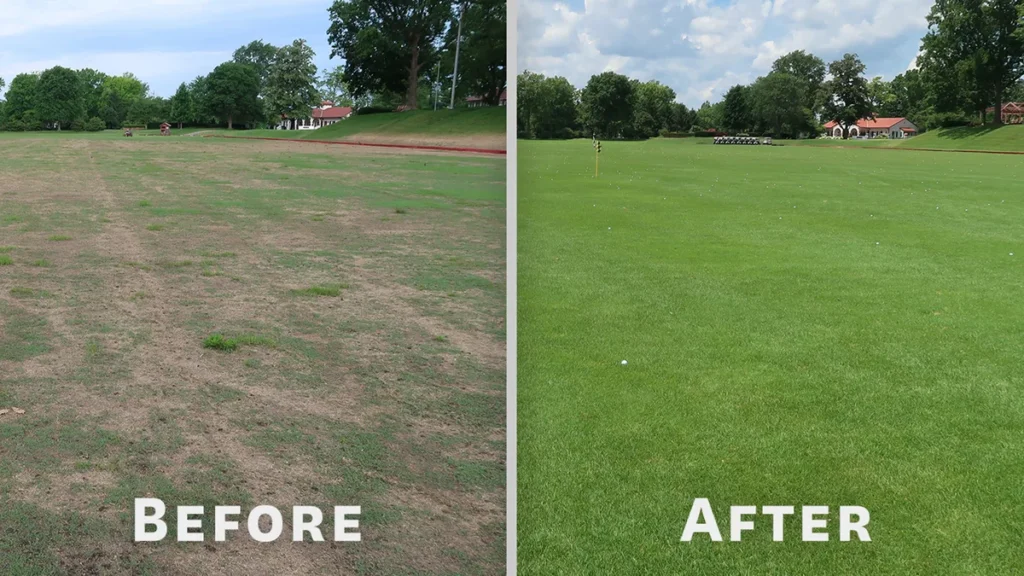
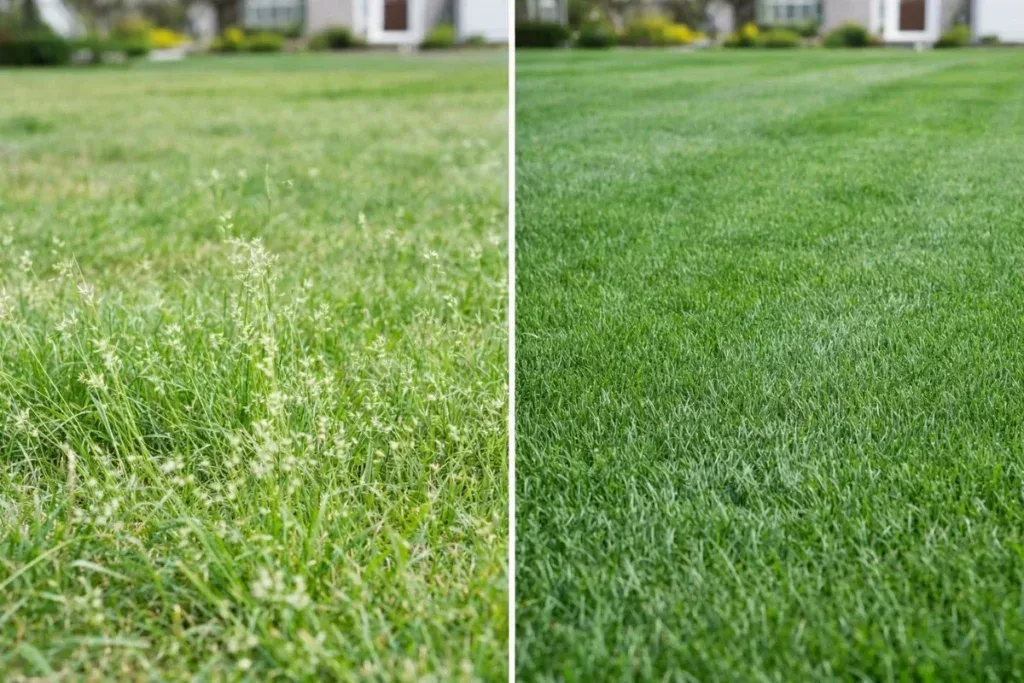
It burns just like most cool-season grasses when hit with high nitrogen. But here’s the twist: KBG has a strong rhizome system that lets it recover faster than many other grasses, if you handle the damage the right way.
According to university turfgrass research, a single urine deposit can deliver up to 1.5% nitrogen concentration directly to a small patch of grass, way more than the typical lawn can absorb. That’s what causes the burn. But with the right watering and care, KBG’s underground runners can fill those dead spots in a few weeks.
Let’s walk through what that means for your yard.
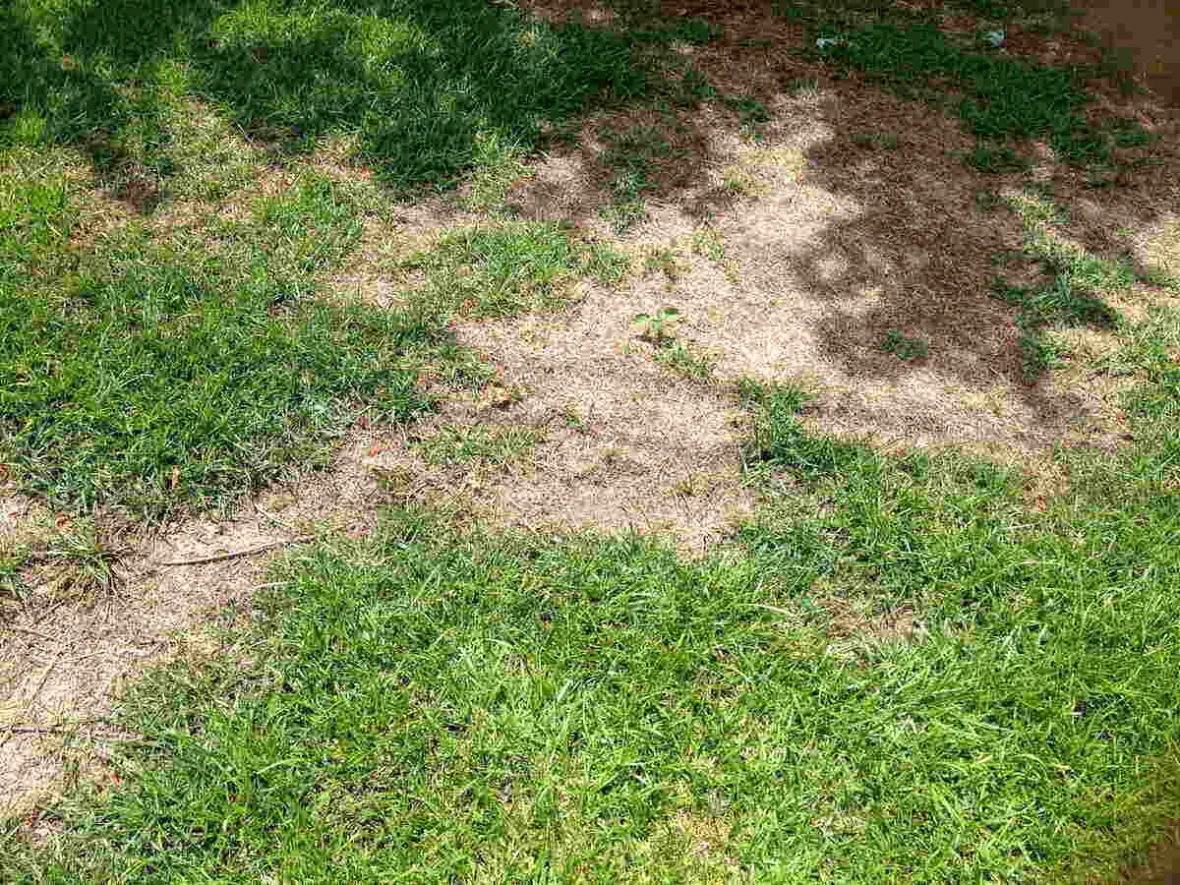
Image source: Web (Bing) / lawnlove.com
Quick Answer
No, Kentucky bluegrass is not dog pee resistant. It burns just like most grasses. But the rhizomes help it heal.
Recovery takes 2, 4 weeks with proper watering. Without water, the spots stay dead. You can fix it, but you have to work with the grass, not against it.
Why Dog Urine Burns Kentucky Bluegrass (and What That Means for Recovery)
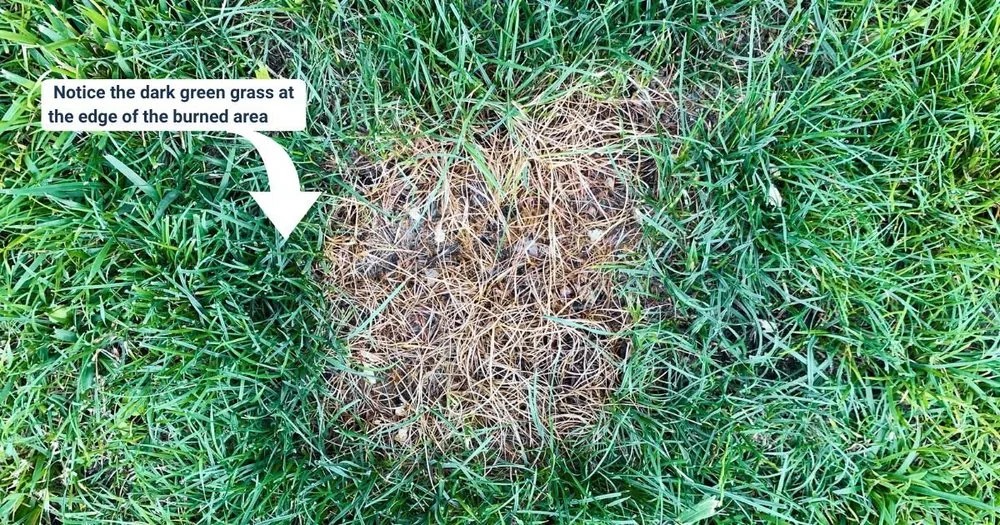
Image source: Bing (Web (fair-use with source credit))
Dog urine is basically liquid fertilizer, concentrated urea, salts, and other nitrogen compounds. When your dog pees on a single spot, the nitrogen level spikes far above what the grass can handle. That’s what creates the yellow or brown ring.
The grass cells get dehydrated and “burned” from the inside out.
But here’s where Kentucky bluegrass is different. It grows through rhizomes, horizontal underground stems that send up new shoots. So even if the leaf blades die, the roots and rhizomes often survive if the burn isn’t too deep.
That means the grass can fill back in from the sides, as long as the soil doesn’t stay too salty or too acidic.
Still, KBG is a cool-season grass that grows best in spring and fall. During summer heat, it’s already stressed. Add dog urine on top of that, and recovery slows way down.
As of 2026, the consensus from turfgrass specialists (check out extension.umn.edu for official guidance) is that KBG falls in the moderate zone for urine tolerance, not great, not terrible. It’s all about how fast you act.
Can Kentucky Bluegrass Recover From Dog Urine Without Reseeding?
Yes, Kentucky bluegrass can recover from dog urine without reseeding, but it depends on how badly the grass is damaged. If only the leaf blades turn yellow while the crowns and rhizomes remain healthy, new growth may gradually fill the affected area.
However, if a patch turns brown, becomes brittle, and remains bare, the grass may be dead. In that case, watering alone won’t bring it back, and reseeding may be necessary.
Give mildly damaged areas time to recover, especially during spring and fall. If bare spots persist, follow the repair steps below to restore your lawn.
The Real Decision Factor: Recovery vs. Resistance – What Actually Matters
Most people ask “is Kentucky bluegrass dog pee resistant” when they really want to know “will my lawn survive my dog.” That’s a different question. The real factor isn’t resistance. It’s recovery speed and your habits.
Here’s the decision tree in simple terms:
- If your dog pees on the lawn and you do nothing → the grass burns, stays dead, and weeds move in. KBG has no magical immunity.
- If you flush the spot with water within a few hours → the nitrogen gets diluted, the grass survives, and the rhizomes keep the lawn thick.
- If you fertilize the lawn heavily on top of urine spots → you double the nitrogen overload and make burn worse.
- If your dog is female (squats and releases a full spot) vs male (marks in small amounts) → females cause bigger, rounder burn patches because they concentrate urine in one area.
- If your dog is on a high-protein diet → the urine has more nitrogen, so burns are more severe.
So the decision you make each time your dog goes outside changes the outcome. KBG can’t “resist”, but it can rebound if you help it. Think of it as a partner, not a shield.
Your Decision Tree: What to Do Based on Your Situation
Now let’s get specific. Use this flowchart logic to decide your next move.
Branch 1: Your dog just peed and you’re home.
- Action: Immediately water the spot with a garden hose. Use at least 1 gallon per 10 pounds of dog body weight. That dilutes the nitrogen enough to prevent most burns. Do this every time you catch it in time.
Branch 2: You didn’t catch it in time and there’s a yellow patch.
- Action: Don’t panic. Water it deeply for 5, 10 minutes each day for a week. The yellow will fade to green in 2, 3 weeks if the roots aren’t dead. If the center is brown and crunchy, the roots are dead. Overseed in early fall.
Branch 3: You have multiple dogs or a high-traffic potty area.
- Action: Accept that KBG will struggle. Consider a dog run with artificial turf or a more tolerant grass like tall fescue. Or create a designated mulched area your dog uses instead of the lawn.
Branch 4: You want to keep KBG and your dog with minimal effort.
- Action: Train your dog to use a separate patch. Or adjust diet (add more water to food). And always flush after urination. Also, avoid fertilizing during times when urine is heavy.
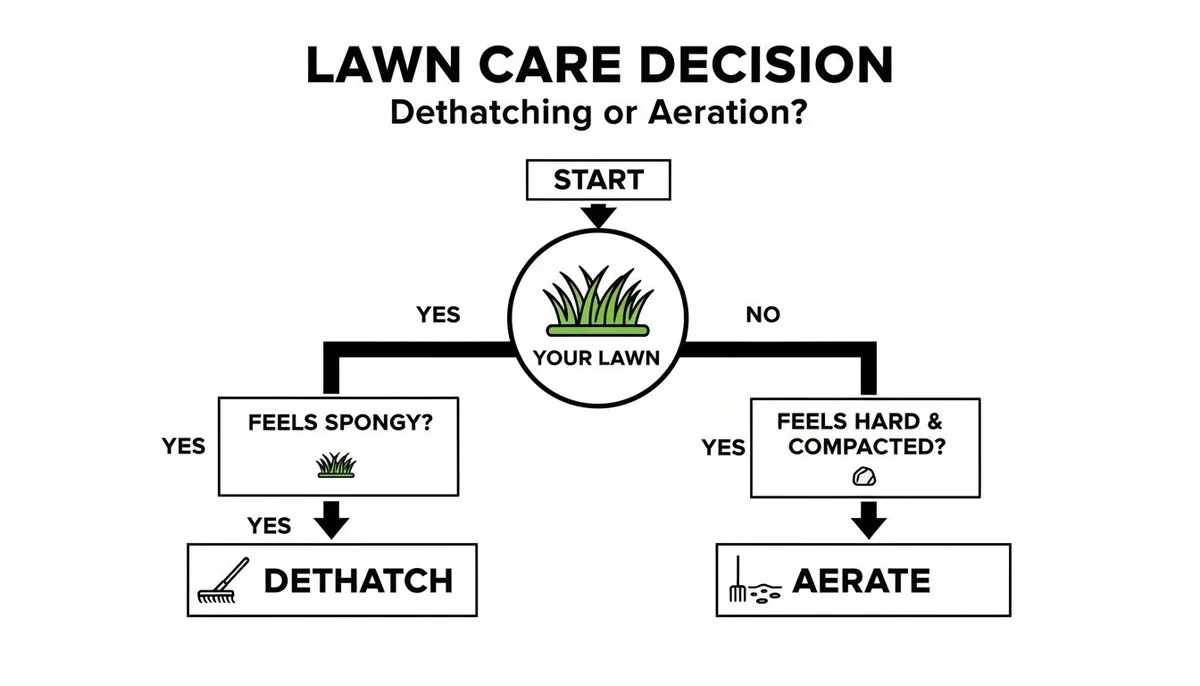
Image source: Bing (Web (fair-use with source credit))
Step-by-Step Fixes for Burned Patches That Actually Work
If you already have dead spots, here’s the proven repair process used by lawn care pros.
Step 1: Soak the spot
Use a hose with a spray nozzle. Water for 10 minutes slowly so it soaks in, not runs off. This leaches urine salts deeper into the soil, away from the grass roots.
Step 2: Test the soil (optional but helpful)
If you see recurring burn, get a soil test from your local extension office. A pH above 7.5 makes urine burn worse because alkaline soil lowers nutrient availability. Gypsum can help if salt buildup is high.
Step 3: Rake away dead grass
After the area dries, gently rake the dead layer. This lets air and water reach the soil.
Step 4: Overseed with KBG
Fall is best. Spread a thin layer of seed. Then cover with a light dusting of compost or starter fertilizer.
Water daily until germination (14, 30 days). Use a blend containing KBG for best recovery, you can find that information in our article on overseeding with Kentucky bluegrass.
Step 5: Avoid high-nitrogen fertilizer
For a month after repair, skip the lawn food. Give the new grass time to establish. If you must fertilize, use a low-nitrogen slow-release product.
Image source: Bing (Web (fair-use with source credit))
This process works because KBG’s rhizomes will spread into the newly seeded area. It’s not instant, but it’s reliable. Just be patient through the first few weeks.
Overwatering while waiting for germination can cause disease, so keep the soil damp, not soaking.