Is Tall Fescue a Warm Season Grass? My Essential Guide
Ask anybody shopping for grass seed south of the Midwest and you’ll hear the same confusion at the shelf. A lot of homeowners ask is tall fescue a warm season grass because it stays green through hard freezes and shrugs off August heat that flattens other cool-season lawns. That mix-up is more than trivia.
It changes how you feed, water, and seed your whole yard.
In our research across university extension trials, tall fescue (Festuca arundinacea) grows roots 2 to 3 feet deep, roughly double what Kentucky bluegrass manages. That single trait makes it act like a warm-season grass while its biology says otherwise. Here’s the short answer, then the full breakdown.
Is Tall Fescue a Warm Season Grass
Tall fescue is not a warm season grass. It is a true cool-season species. Cool-season grasses grow best at 60 to 75°F air temperatures.
Warm-season types like bermudagrass need 80 to 95°F. Tall fescue simply tolerates heat better than its cool-season cousins.
Cool-Season vs. Warm-Season Grasses: What the Classification Actually Means
Every common lawn grass falls into one of two camps, and the split comes down to photosynthesis chemistry. Cool-season grasses, including tall fescue, Kentucky bluegrass, perennial ryegrass, and the fine fescues, run the C3 pathway. Warm-season grasses like bermudagrass, zoysia, St.
Augustine, and centipede use the more heat-efficient C4 pathway. That difference decides when each type grows, goes dormant, and wants fertilizer.
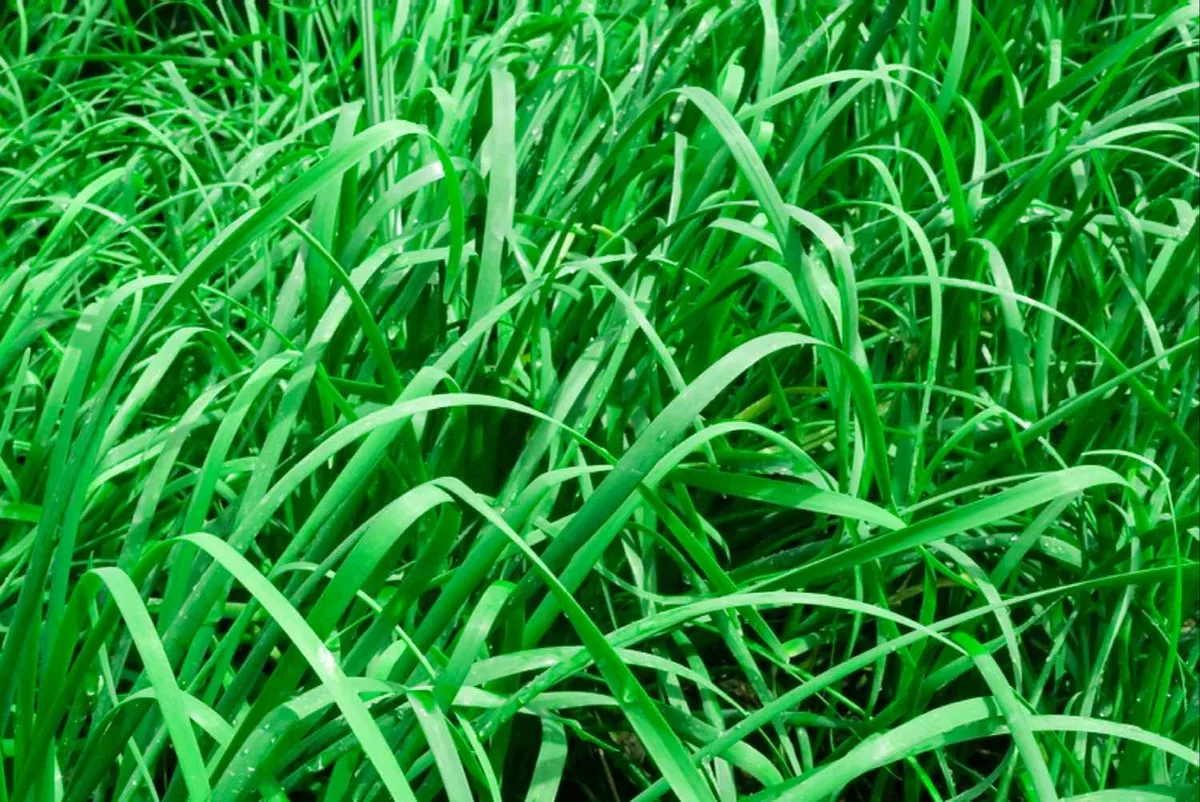
Image source: Bing (Web (fair-use with source credit))
Here’s the practical side-by-side:
| Trait | Cool-Season (Tall Fescue) | Warm-Season (Bermuda, Zoysia) |
|---|---|---|
| Peak growth | 60 to 75°F | 80 to 95°F |
| Photosynthesis type | C3 | C4 |
| Winter color | Stays green in most winters | Browns out at first frost |
| Main feeding season | Fall | Late spring through summer |
| Best seeding window | Fall | Late spring |
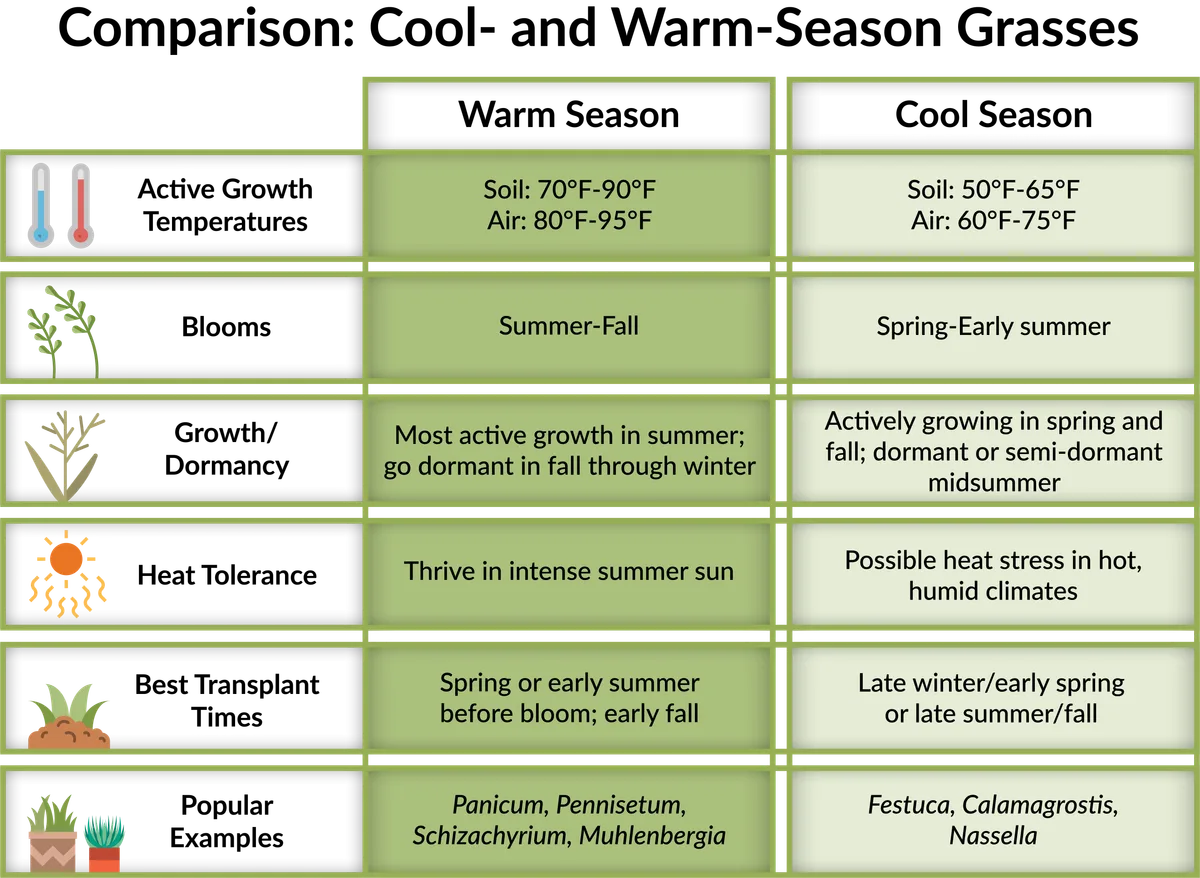
Image source: Bing (Web (fair-use with source credit))
One more distinction worth locking in now. Cool-season and warm-season describe the grass, not your climate. Millions of people grow a cool-season grass in a hot climate every year.
What you can’t do is treat it like the warm-season lawn next door.
C3 vs. C4 Photosynthesis: The Real Reason the Two Types Behave Differently
Photosynthesis sounds like chemistry class, but the practical version is simple. C3 grasses capture carbon in mild weather and sulk once afternoons push into the 90s. C4 grasses run a heat-efficient system that barely flinches at 95°F.
That’s why zoysia owns August in Atlanta while tall fescue merely survives it.
The tradeoff runs the other way in winter. C4 grasses shut down at the first frost and stay brown until soil warms in spring. C3 grasses keep photosynthesizing in chilly weather, which is why your fescue is green in February while your neighbor’s zoysia looks like straw.
Growth Temperature Windows and What They Mean for Your Lawn Calendar
Those temperature windows aren’t trivia. They set your entire lawn calendar. If you fertilize tall fescue on a warm-season summer schedule, you feed it hardest exactly when it wants to rest.
NC State Extension’s turf program builds its tall fescue guidance entirely around fall and spring growth pulses for that reason.
Soil temperature matters too. Tall fescue roots keep growing in soil as cool as the low 40s, so fall work pays off twice. Feed the roots in September and you harvest a thicker lawn in April.
A warm-season calendar and a cool-season calendar are nearly opposites, which is why copying a zoysia routine fails so badly on fescue.
Why Tall Fescue Gets Mistaken for a Warm-Season Grass
So if the biology screams cool-season, why do seed bags, store clerks, and forum threads keep filing tall fescue under warm-season? Three traits do the damage. Each one looks warm-season from the curb.
Deep Roots, Heat Tolerance, and Year-Round Green: Traits That Blur the Line
- Roots that dig deep. Most cool-season grasses quit around 12 inches of rooting depth. Tall fescue pushes 2 to 3 feet and reaches 5 feet in loose soil. That’s the entire story behind how it handles dry spells.
- Real heat tolerance. Kentucky bluegrass collapses when highs hold in the low 90s for weeks. Tall fescue stays functional through the same weather, though it may thin and fade for a few weeks.
- Winter green. Zoysia and bermudagrass go tan at first frost and stay that way until April. Tall fescue holds color through winter in zones 6 and 7, which makes it look like the odd one out on a warm-season street.
It also takes shade better than most sun-grass options, another reason mixed-light yards end up fescue. Put those traits together and you get a cool-season grass wearing a warm-season coat. The coat fools a lot of people.
The biology underneath never changes.
Turf-Type Tall Fescue vs. Kentucky 31: Same Species, Very Different Lawns
Walk the big-box seed aisle and you’ll meet two very different tall fescues. Kentucky 31, usually sold as K-31, is the coarse forage strain released in 1943. Turf-type tall fescue is the bred-for-lawns generation that followed.
Modern lawn-grade cultivars grow finer blades, denser stands, and better disease resistance.
| Trait | Kentucky 31 | Turf-Type Tall Fescue |
|---|---|---|
| Blade texture | Coarse and wide | Finer and softer |
| Stand density | Open and clumpy | Thick and full |
| Brown patch resistance | Weak | Much improved |
| Price per pound | Cheapest on the rack | Moderate |
If you’re weighing the cheap bag against pricier seed, our full K-31 breakdown covers the tradeoffs. As of 2026, National Turfgrass Evaluation Program trials keep scoring modern cultivars well above K-31 on overall turf quality. Same species, very different lawn.
Where You Live Changes the Answer: Tall Fescue by Region
Now the decision tree starts branching. The classification never changes, but whether tall fescue is the right pick for your yard depends almost entirely on where you live. Match your region below and the rest of your lawn plan follows.
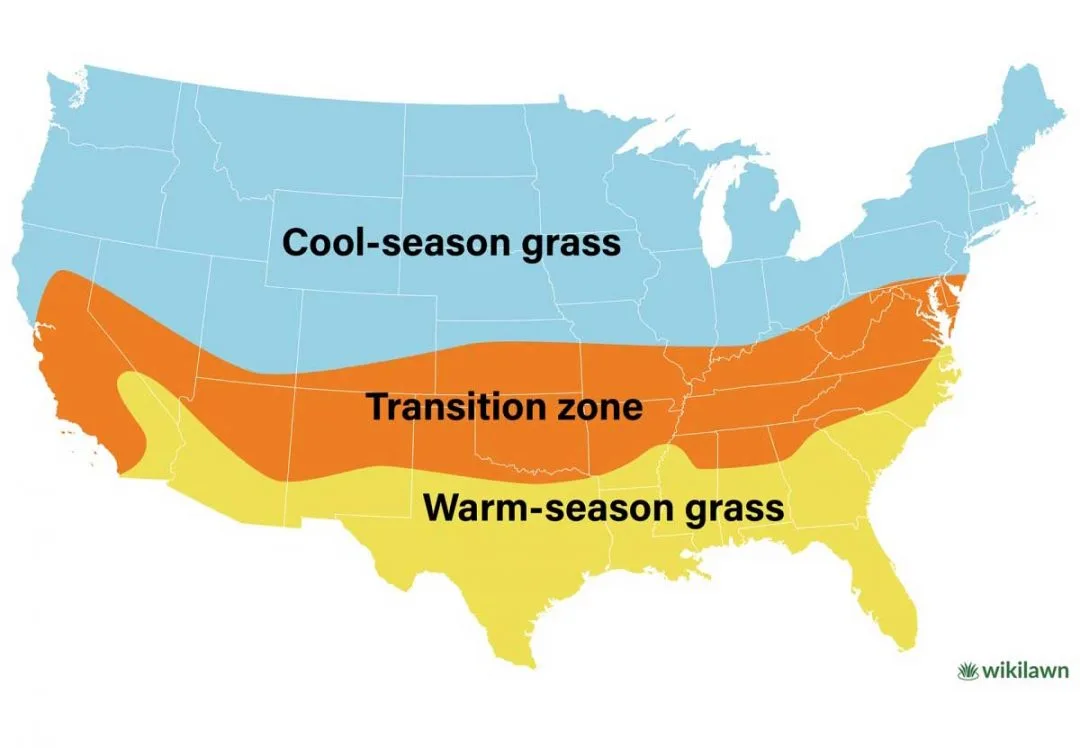
Image source: Bing (Web (fair-use with source credit))
The Transition Zone: Where This Question Gets Asked Most
The transition zone is the band where cool-season and warm-season ranges overlap. Think Kansas, Missouri, Kentucky, Tennessee, Virginia, the Carolinas, northern Georgia, Arkansas, and Oklahoma. Neither camp is comfortable there.
Summers cook cool-season grasses, and winters brown out warm-season ones. Tall fescue is the one grass that shrugs off both halves of the year, which is why it dominates transition-zone lawns.
Extension services across the region treat it as the default lawn grass for exactly that reason. You get bermuda-grade summer survival with bluegrass-grade winter color. The tradeoff is water.
During multi-week droughts, tall fescue needs about 1 to 1.5 inches of irrigation per week to stay green, or it slides into temporary dormancy. It bounces back in fall, but unirrigated stands look rough by late August.
The other transition-zone reality is thinning. Because fescue is a bunch grass, it can’t creep into bare spots the way bluegrass does. Plan on refreshing the stand every couple of years instead of expecting it to repair itself.
The North and the Deep South: When Tall Fescue Is (and Isn’t) the Right Pick
North of the transition zone, the math changes. Kentucky bluegrass and perennial ryegrass handle long winters better, and they self-repair, which fescue can’t. If you garden in zones 3 through 5, tall fescue works but rarely wins.
The Deep South is the harder line. Below the transition zone, sustained heat and humidity above 90°F wear fescue down over two to three summers. Lawns south of Atlanta, in Birmingham, and beyond typically thin no matter how well they’re maintained.
In that band, zoysia or bermudagrass makes a better foundation.
One southern exception: heavy shade. Bermudagrass dies in it, and fescue sometimes wins those shaded southern yards anyway. Here’s the branch map:
- Transition zone (roughly zones 6-7): Plant tall fescue. It’s the regional workhorse.
- North (zones 3-5): Choose bluegrass or ryegrass first. Fescue is a niche pick.
- Deep South (zone 8 and warmer): Go warm-season. Fescue only earns a spot in stubborn shade.
The USDA Plant Hardiness Zone Map is the fastest way to pin down your own zone before you commit to a seed bag.
The Tall Fescue Calendar: Seeding, Feeding, and Watering on a Cool-Season Schedule
Classification only matters if it changes what you do, so here’s the cool-season calendar translated into lawn work. Every date below assumes a transition-zone yard. Shift earlier in the South and a bit later at the northern edge.
Fall Seeding Window and Establishment Steps
Fall is the whole ballgame for tall fescue. Soil stays warm from summer while air temperatures cool down, so seed germinates fast and roots grow hard before winter. The window runs from late August through mid-October across most of the transition zone.
Spring seeding works, but young roots rarely survive their first July.
The steps are simple and worth following in order:
- Test the soil. Fescue wants a pH near 6.0 to 7.0. Fix it before seeding, not after.
- Loosen the surface. Rake or core-aerate so seed makes firm contact with soil.
- Spread at the right rate. New lawns take 6 to 8 pounds per 1,000 square feet, and overseeding takes 3 to 5. The correct seeding rate matters more than most buyers realize.
- Water light and often. Keep the top half-inch moist until germination, usually 7 to 14 days.
- First mow around 3 to 4 inches. Then taper watering toward deep and infrequent.
For the full walkthrough, our step-by-step seeding guide covers prep, spreader settings, and aftercare in detail.
Fall-First Fertilization and Mowing Height
Here’s where cool-season biology pays you back. Tall fescue wants roughly 2 to 4 pounds of nitrogen per 1,000 square feet per year, and about two-thirds of it should land between September and November. Feed the grass while it’s growing hardest and it builds the roots that carry it through summer.
Spring feeding is where warm-season habits sneak back in. A heavy spring nitrogen dump pushes soft top growth right before summer stress, which invites brown patch and drought burnout. A light spring application is fine.
Heavy summer feeding is not.
Mowing rides the same logic. Hold tall fescue at 3 to 4 inches and never remove more than a third of the blade at once. Taller blades shade the soil, hold moisture, and crowd out summer weeds.
The right cutting height does more for summer survival than anything else you can buy.
Brown in August? Tall Fescue Summer Dormancy vs. a Dead Lawn
Nine times out of ten, a brown tall fescue lawn in August is dormant, not dead. Extended heat above roughly 85 to 90°F with little rain pushes the grass into semi-dormancy. The blades go tan while the crowns and deep roots stay alive underground.
That’s a survival strategy, not a failure.
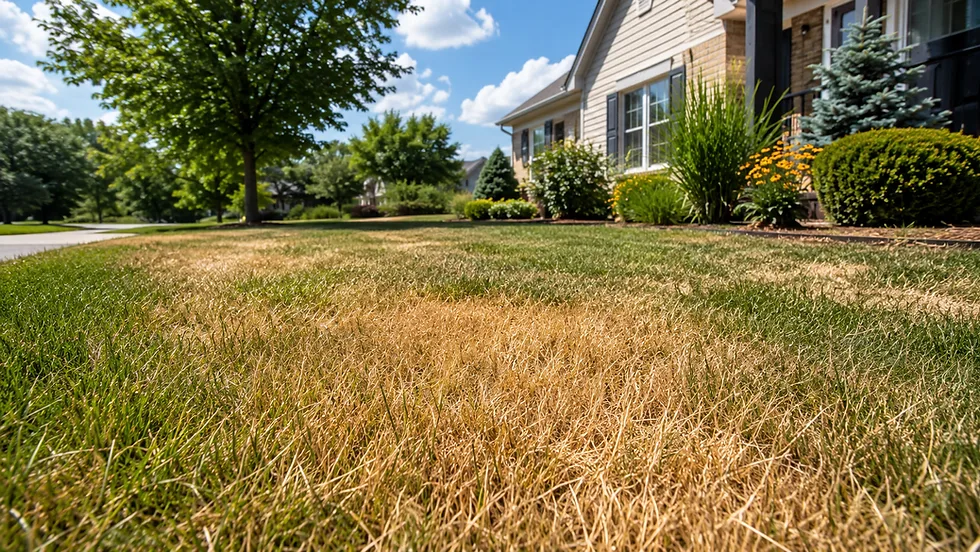
Image source: Bing (Web (fair-use with source credit))
Dormancy has a signature look. The whole yard fades to a fairly uniform straw color. It doesn’t spread from one patch to the next, and it doesn’t ring.
Two quick checks settle the question:
- Crown check. Part the brown blades at the soil line. A living crown looks firm and whitish or cream colored.
- Tug test. Gently pull a handful. Dormant grass holds firm because the roots are alive. Dead grass slides out with almost no resistance.
Disease looks different. Brown patch, the classic tall fescue summer fungus, shows up as irregular circles, often with a smoky gray edge after humid nights. Drought dormancy never rings or spreads.
If you see distinct patches, treat a fungus, not your watering schedule.
From there, you have two clean options. Keep it green by watering about 1 to 1.5 inches per week through the drought. Or let it coast brown, save the water, and trust the fall recovery.
Per extension guidance, most stands green back up within two to four weeks once nights cool into the 60s.
What you should never do is feed it. Nitrogen on a heat-stressed fescue lawn burns soft growth and feeds disease. Hold every application until fall.
And skip July reseeding, because seedlings planted into that heat almost never survive their first month.
Tall Fescue vs. Bermudagrass, Zoysia, and Kentucky Bluegrass: Choosing for Your Yard
The classification question ends here, but the choice question starts. Which grass wins depends entirely on what you value most. Here’s the side-by-side:
| Grass | Winter Color | Repairs Bare Spots | Best For |
|---|---|---|---|
| Tall fescue | Green most winters | No, bunch growth | Transition zone, shade, lower watering |
| Bermudagrass | Brown after frost | Yes, aggressively | Full sun, heavy traffic, Deep South |
| Zoysia | Brown after frost | Slowly | Thick carpet lawns with patience |
| Kentucky bluegrass | Green | Yes, self-repairing | Northern yards with irrigation |
Now the who-it’s-for breakdown:
- Tall fescue suits transition-zone homeowners who want winter color without a big water bill, and it’s the strongest sun-grass option where light runs mixed. Before committing to a partly shaded lot, it’s worth checking how it copes in shade, since light levels flip this decision fast.
- Bermudagrass suits full-sun southern yards and sports-level traffic. It repairs damage faster than anything on this list and shrugs off 95°F afternoons. It dies in shade and browns out half the year.
- Zoysia suits anyone chasing a dense, manicured warm-season carpet. It takes moderate shade and handles heat well. The catch is patience, since full establishment often takes a season or two.
- Kentucky bluegrass suits the north, where winters run long and rainfall is reliable. It fixes its own bare spots, which fescue never will, but it drinks far more water in a hot July.
One hybrid approach deserves mention. Plenty of transition-zone seed bags blend roughly 90 percent tall fescue with a dash of bluegrass. The bluegrass fills the small gaps fescue can’t reach on its own.
It’s a fair compromise between toughness and self-repair.
No option wins everything. Fescue trades self-repair for year-round color. Bermuda trades winter color for bulletproof summer performance.
Pick the tradeoff you can live with, because you’ll live with it for years.
Mistakes That Come From Treating Tall Fescue Like a Warm-Season Grass
Most tall fescue failures trace back to one root cause: a warm-season routine bolted onto a cool-season grass. Extension troubleshooting lines are full of it. These are the repeat offenders:
- Dumping nitrogen in late spring. Warm-season calendars push heavy feeding in May and June. On fescue, that grows soft blades headed straight into July, which invites brown patch and drought burnout. Save the big feed for fall.
- Scalping to bermuda height. Bermudagrass tolerates 1 to 1.5 inches. Tall fescue needs 3 to 4. Cutting short strips the plant’s energy reserves right before peak stress arrives.
- Seeding in May. Late spring is correct for warm-season planting and wrong for fescue. Spring-seeded fescue faces its first July with a baby root system, and it usually loses. Fall seed survives.
- Applying pre-emergent before fall seeding. A crabgrass preventer laid down in late summer blocks new fescue germination just as effectively as it blocks weeds. Pick one job per season, either weed prevention or seeding, never both at once.
- Waiting for bare spots to fill themselves. Bermudagrass crawls into gaps within weeks. Fescue never will, because it has no stolons or rhizomes. Bare soil stays bare until you put seed on it.
- Ripping out a brown lawn in August. Dormant fescue is alive, as the crown check proves in seconds. Homeowners who reseed over a sleeping stand waste the money and set the project back a full year.
Notice the pattern. Every fix points back to fall. Flip your whole fescue calendar toward autumn and you dodge nearly every problem on this list without spending another dollar.
FAQs About Tall Fescue and Grass Classification
Can tall fescue survive in the Deep South?
Short term, yes. Long term, no. Below the transition zone, sustained heat and humidity above 90°F wear the stand down over two to three summers, and it thins no matter how well you maintain it.
The one exception is deep shade, where fescue sometimes outlasts sun-loving southern grasses anyway.
Why does tall fescue stay green in winter?
Its C3 photosynthesis keeps working in cold soil, so the plant continues producing energy through chilly months. Warm-season C4 grasses shut down at first frost and stay tan until spring. That metabolic difference, not luck, is why fescue looks alive in February while zoysia looks like straw.
Is tall fescue a spreading grass?
No. Tall fescue is a bunch-type grass that thickens only by tillering, which means new shoots rise from the base of existing plants. It has no stolons or rhizomes, so it can’t creep sideways into bare spots.
That single trait is why overseeding is routine maintenance here, not an occasional project.
What temperature does tall fescue grow best at?
Shoot growth peaks between 60 and 75°F air temperature, with the strongest pushes in spring and fall. Roots keep developing in soil as cool as the low 40s. Once afternoons hold in the 90s, top growth stalls and the plant shifts into survival mode until cooler weather returns.
Can you mix tall fescue with warm-season grass?
It rarely works for long. In southern summers, bermudagrass outcompetes fescue and crowds it out within a few seasons. Some shaded transition-zone yards hold a mixed stand, but the fescue portion needs annual overseeding just to hang on.
Pick one grass and manage for it.
Does tall fescue come back every year?
Yes, it’s a true perennial. A healthy stand lives indefinitely within its preferred range. What needs refreshing is density, not existence.
Because the grass can’t spread, thinned areas stay thin, so plan on overseeding every one to three years to keep full coverage.
Should You Grow Tall Fescue? The Final Decision Guide
You’ve got the classification, the regional map, and the tradeoffs. Here’s the branch-by-branch call:
- If you live in the transition zone (roughly zones 6-7): Plant tall fescue. It’s the regional default for good reason, and a modern turf-type cultivar beats everything else on year-round color.
- If you’re north of that (zones 3-5): Bluegrass or ryegrass usually serves you better. Consider fescue mainly for drought-prone or low-input lots where irrigation is limited.
- If you’re in the Deep South with full sun: Skip it. Zoysia or bermudagrass will outlast fescue every single time.
- If you’re in the Deep South with heavy shade: Fescue is one of the few grasses that tolerates southern shade at all. It’s a legitimate exception. Just expect to overseed every year.
- If you want a lawn that repairs itself: Fescue isn’t it. Choose bluegrass or bermudagrass and accept their color or watering tradeoffs instead.
- If you can’t irrigate: Fescue survives drought better than any other cool-season grass, but it will tan out in long dry spells. Pick it only if you accept seasonal brown.
The bag says cool-season, and the biology backs that up completely. In the right region, though, tall fescue behaves like the best parts of both camps. Feed it in fall, seed it in September, mow it tall, and ignore the zoysia calendar your southern neighbor swears by.
Do those four things and the question that brought you here stops mattering, because your lawn simply stays green.