How to Seed Tall Fescue Grass: A Complete Guide
Tall fescue is the workhorse of the transition zone—that tricky strip of the country where summers bake and winters bite. It survives where bluegrass gives up, stays green when Bermuda goes dormant, and asks for less water than almost any other cool-season turf. But getting it established takes more than scattering seed and hoping.
The difference between a patchy, disappointing lawn and a thick, weed-resistant one comes down to timing, soil preparation, and a disciplined watering routine. This guide walks through every step, from reading your soil to making the first mow, so you can establish tall fescue that lasts for years. For more on this, see our guide on does tall fescue grow in shade a complete.
Why Tall Fescue Deserves a Spot in Your Yard
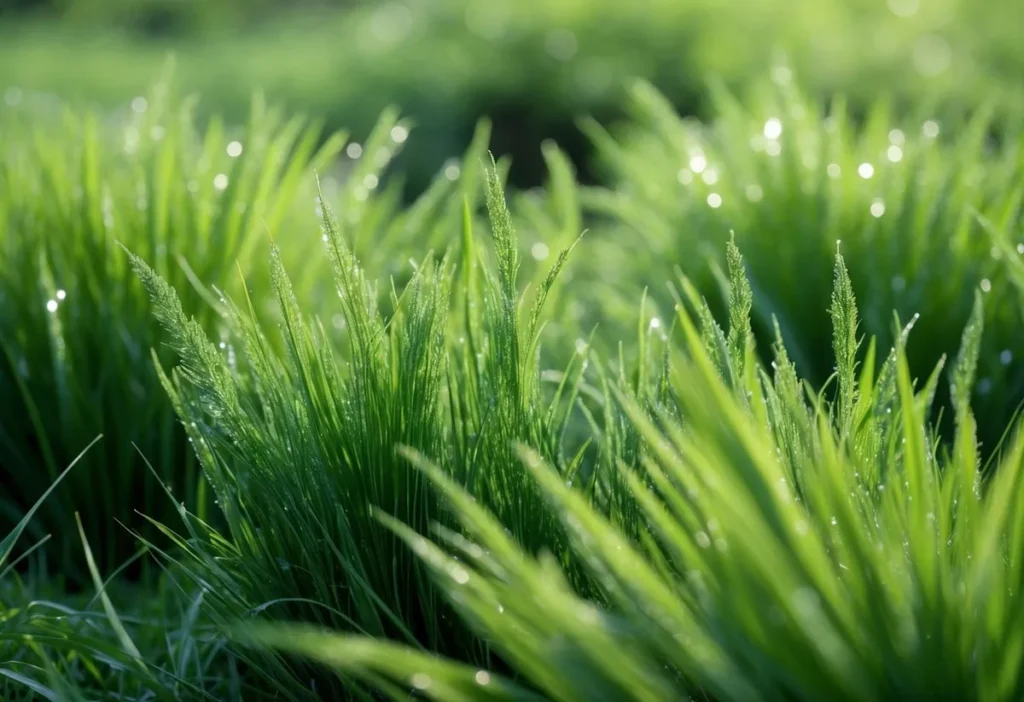
Before buying seed, understanding what tall fescue is—and isn’t—saves you from frustration later. It’s a bunch-type grass, meaning it grows in clumps rather than spreading through runners. This trait shapes how you maintain it, especially when bare patches appear.
Here’s what makes it a favorite among lawn care professionals:
- Deep root system: Roots can reach 2–3 feet, which explains its excellent drought tolerance
- Wide climate adaptability: Performs well in USDA zones 3 through 8, with peak performance in the transition zone
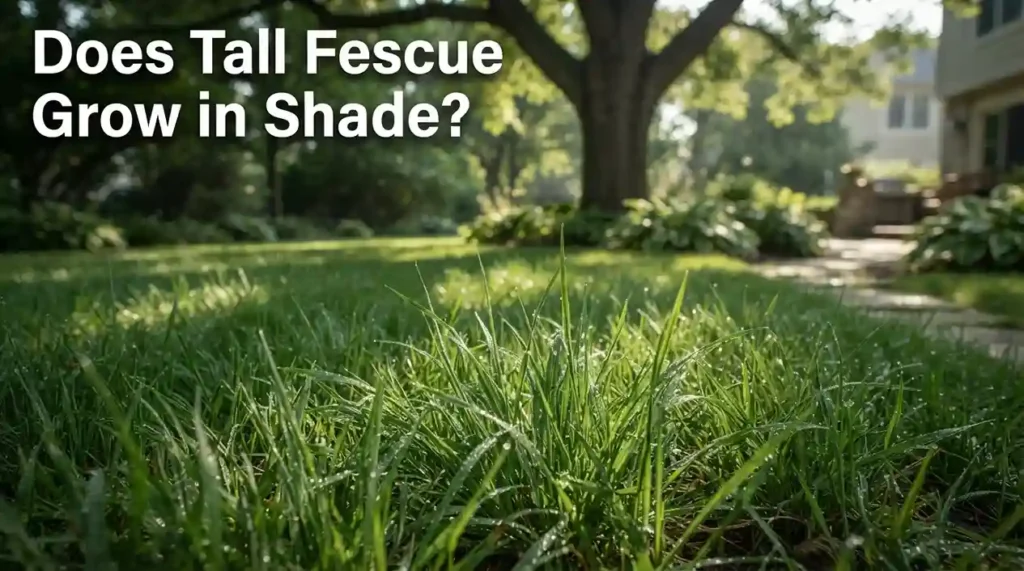
- Shade tolerance: Handles partial shade better than most cool-season grasses, though it still needs 4–6 hours of direct sun
- Year-round color: Stays green through fall and winter in most regions, unlike warm-season grasses that go dormant
The trade-off is that tall fescue won’t repair itself. When bare spots appear, you have to reseed them yourself. If that sounds like a dealbreaker, compare it to a spreading grass like Kentucky bluegrass—which fills gaps on its own but needs far more water and babying. For more on this, see our guide on how much is a pallet of bermuda grass.
Fall vs. Spring: When to Seed Tall Fescue
Early fall is the only answer that makes agronomic sense for tall fescue. The window typically runs from late August through October, depending on your region.
Why fall works so well:
- Soil is warm: Soil temperatures in the 50–65°F range kick-start germination, even as air temperatures cool
- Less competition: Summer weeds are dying off, and fall-germinating weeds haven’t sprouted yet
- Root development time: Seedlings get months to establish deep roots before summer stress arrives
- Lower water demand: Cooler weather means less evaporation, so your watering goes further
Spring seeding is possible but risky. Seeds germinate, then face the punishing heat of June and July before their roots are deep enough to cope. Many homeowners lose spring-planted fescue to heat stress, especially in the South and transition zone. For more on this, see our guide on what height to cut tall fescue for a.
If you miss the fall window, consider waiting rather than rushing a spring planting—or plan to irrigate heavily through the summer.
Soil Preparation: The Foundation of Success
Seed-to-soil contact is the golden rule of turf establishment. Seeds that land on hard, compacted dirt or sit on top of thick thatch simply won’t germinate well. The roots have nowhere to penetrate, and the seed dries out quickly. For more on this, see our guide on how to pre germinate bermuda grass seed.
Test Your Soil First
A soil test tells you exactly what you’re working with—pH, nutrient levels, and organic matter content. Your local county extension office offers affordable testing, and the results come with specific recommendations.
Tall fescue thrives in soil with a pH between 5.5 and 7.5. If your test shows a lower pH, apply lime according to the recommendations several weeks before seeding to give it time to react. If the pH runs high, sulfur helps bring it down. For more on this, see our guide on how long for lawn to grow from seed.
Clear the Site
For bare soil, remove any existing vegetation, rocks, and debris. A non-selective herbicide applied two weeks before seeding works well for weeds and old grass. For smaller areas, a sharp hoe or shovel gets the job done.
For overseeding an existing lawn, mow it down to about 1.5 inches and collect the clippings. This thin cut lets sunlight reach the soil level where new seeds will rest.
Dethatch and Aerate
Thatch—the layer of dead organic matter between the soil and grass blades—blocks seed from reaching the dirt. If your thatch layer is more than half an inch thick, rent a power dethatcher or use a stiff bow rake to pull it up.
Core aeration is equally important, especially on compacted clay soil. A core aerator pulls plugs of soil up to 3 inches deep, creating perfect little seed pockets that trap moisture and protect the seeds from birds.
For reporting on optimal mowing height once your fescue establishes, keep the mower set between 3–4 inches. Taller grass develops deeper roots and shades out weeds naturally. Read more about the ideal cutting height for a thick, green tall fescue lawn.
Choosing the Right Tall Fescue Seed
Not all seed is created equal. The cheapest bag at the big-box store often contains “crop seed” or weed seed that will haunt your lawn for years.
When comparing seed labels, look for:
- Pure live seed: This percentage accounts for both purity and germination rate. Aim for 90% or higher
- Weed seed content: Should be 0.0%, or as close to it as possible
- Turf-type varieties: Look for named cultivars like Rebel, Titan, or Falcon rather than generic “tall fescue”
- Blends vs. single varieties: A blend of two or three cultivars has better disease resistance and overall resilience
Coated seed costs more but contains water-absorbing polymers that help buffer against drying. It’s useful for beginners who worry about watering consistency, though the coating reduces the actual grass seed weight per bag.
How to Spread Tall Fescue Seed
Even distribution matters more than people think. Uneven seeding leads to patchy germination, clumpy growth, and wasted seed.
Seeding Rates That Work
- New lawns (bare soil): 6–8 pounds per 1,000 square feet
- Overseeding an existing lawn: 3–4 pounds per 1,000 square feet
- Repairing small bare patches: Handful of seed per patch, pressed into the soil
Spreader Technique
A broadcast spreader works best for larger areas. Walk at a steady pace and make two passes in a crisscross pattern—north to south, then east to west. This prevents the visible stripes that come from a single-direction pass.
For accurate calibration, weigh out the seed before you start. Set the spreader opening, test on a small area, and adjust until you get the right coverage.
If you’re overseeding a patchy Bermuda lawn with tall fescue for winter color, the technique differs slightly. Understanding the nuances of spreading seed effectively matters here more than in bare-ground scenarios.
Topdressing: Protecting Your Investment
After seeding, a light topdressing does three things: holds moisture, protects from birds, and keeps seeds from washing away in rain.
Peat moss is the standard choice because it’s lightweight and shows its moisture status clearly—light brown when dry, dark brown when wet. Apply it about a quarter-inch thick, just enough to slightly cover the seeds. You should still see a hint of soil through the layer.
Fine compost works equally well and adds organic matter as it breaks down. Avoid heavy topdressing with dense soil, which can smother germinating seeds.
The Watering Schedule That Makes or Breaks Germination
The first two weeks are critical, too much water drowns the seed, too little kills the sprouting embryo. Consistency is everything.
Here’s a practical timeline:
Days 1–14: Water lightly 2–3 times daily for 5–10 minutes per session. The goal is keeping the top inch of soil continuously moist, not saturating it. Mid-morning, early afternoon, and early evening intervals work well.
Days 15–21: Reduce to once daily, watering slightly deeper—15–20 minutes. The seedlings have roots now and need less frequent surface moisture.
Day 28 onward: Transition to deep, infrequent watering—about one inch per week, applied once or twice. This encourages roots to grow downward in search of water.
A hose timer takes the guesswork out of the schedule. The number one cause of failed germination is simply forgetting to water.
Keep foot traffic off the seeded area during this establishment period. Dog paws, wheelbarrows, and even footprints from daily walks can crush fragile seedlings.
First Mow and Beyond
The first mow happens around week four, when the new grass reaches 3–4 inches tall. Sharpen your mower blade before this cut—a dull blade tears seedlings out of the soil instead of slicing them cleanly.
Key mowing principles for young fescue:
- Never remove more than one-third of the blade height in a single mow
- Leave clippings in place to return nutrients to the soil
- Keep the mower on its highest setting—3.5–4 inches is ideal for tall fescue
- Let it grow taller in summer to self-shade the roots
Fertilizer Strategy for New Seedings
Standard lawn fertilizers with high nitrogen can burn delicate new seedlings. Starter fertilizer, with its higher phosphorus content (the middle number in the N-P-K ratio), promotes root growth exactly when the grass needs it most.
At seeding: Apply a starter fertilizer like 24-25-4, raking it lightly into the soil before dropping seed.
4 weeks post-germination: Switch to a slow-release nitrogen fertilizer to boost top growth and deepen color.
Late fall: Apply a winterizer with higher potassium to help roots harden off before freezing temperatures.
Avoid heavy nitrogen applications on young fescue until it has been mowed at least three times—typically eight weeks or more after germination.
Weed Control During Establishment
This is where many homeowners make an expensive mistake. Pre-emergent herbicides that prevent crabgrass also prevent grass seed germination. The chemical barrier they create doesn’t discriminate between weed seeds and fescue seeds.
If you apply a standard pre-emergent within 6–8 weeks of seeding, you will waste your grass seed.
The exception: products containing mesotrione (sold as Tenacity) can be applied at the same time as seeding. They block broadleaf and grassy weeds while allowing cool-season grasses like tall fescue to grow normally.
If weeds appear alongside your new grass, leave them alone for the first month. Hand-pulling disturbs fragile roots, and post-emergent herbicides can damage young seedlings. Wait until you’ve mowed at least three times before treating weeds.
Common Problems and Fixes
Even perfect preparation hits snags. Here are the frequent challenges and their remedies:
Seeds sprout but die quickly: Often damping-off disease from overwatering. Cut back watering frequency and let the soil surface dry slightly between sessions.
Patchy germination: Usually poor seed-to-soil contact or seed washing. Rake patches, re-seed, and press the seed firmly into the soil.
Thin, yellowed growth: Could be a nutrient deficiency or cold soil. Apply starter fertilizer if you skipped it, and wait for warmer soil temperatures.
Birds eating seeds before germination: Scare tape, netting, or a light topdressing can deter them.
Bare areas that persist past day 21: Fescue germinates unevenly, so some patches take longer. If a spot remains bare after three weeks, rough up the soil and drop fresh seed.
Seasonal Care for Established Tall Fescue
After establishment, tall fescue needs a seasonal rhythm that aligns with its cool-season growth cycle.
Spring: Apply pre-emergent weed control, spot-treat broadleaf weeds, and mow at 3–3.5 inches. Overseed thin areas in early spring if fall seeding wasn’t possible.
Summer: Water deeply 1–2 times weekly. Raise the mower to 4 inches. Skip heavy fertilization. The goal is survival, not growth.
Fall: Core aerate, overseed bare patches, apply starter fertilizer, and maintain a 3-inch mowing height. This is the season when tall fescue does its real work.
Mowing height plays a huge role in drought tolerance and overall health. Too short, and the grass stresses out; at the right height, it builds the deep root system that makes fescue so resilient.
FAQ
How long does tall fescue take to germinate? Under ideal conditions—soil temperatures between 50–65°F and consistent moisture—expect germination in 7–21 days. Colder soil or older seed extends this timeline.
Will tall fescue fill in bare spots on its own? No. It’s a bunch-type grass without rhizomes or stolons. Bare patches require reseeding to recover.
How soon can I mow new tall fescue? Wait until the grass reaches 3–4 inches in height, usually around four weeks. Use a sharp blade to avoid pulling seedlings from the soil.
Can I seed over an existing lawn without preparation? Success rate will be low. Seeds need soil contact to germinate. If you skip aeration and dethatching, most seed ends up sitting on thatch where it rots or gets eaten.
Should I mix tall fescue with other grasses? Blending tall fescue with a small amount of Kentucky bluegrass is common in some regions. The bluegrass fills gaps via spreading while fescue provides the backbone. Keep fescue as the majority species—at least 80%—for best drought tolerance.
The Takeaway
Seeding tall fescue rewards patience and preparation. Test your soil, time your planting for fall, create genuine seed-to-soil contact, and commit to that daily watering rhythm for the first month. Skip any of those steps and you’ll battle thin patches for years.
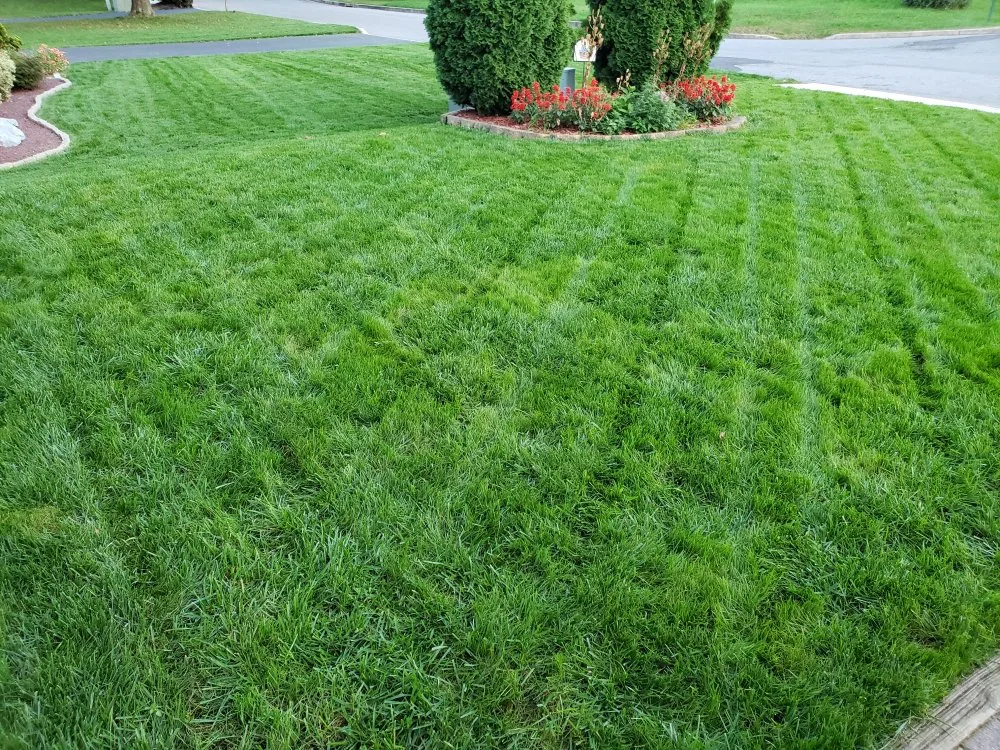
Start with quality seed, fix the environment before planting, and the grass will do what grass does best—grow. By next summer, your lawn will be the one that stays green while the neighbors’ yards look scorched.