How to Mow Fine Fescue Lawn: Avoid Costly Mistakes
If you’ve ever typed how to mow fine fescue lawn into a search bar, most of what comes back was written for thick, thirsty bluegrass. That advice fails here, and it fails fast. Fine fescue grows on its own schedule and punishes careless cuts for months.
Get the conditions right, though, and it’s one of the easiest lawns you can own.
The specs tell the story. Extension turf programs recommend holding established fine fescue at 2.5 to 3 inches, and mature stands need roughly half the cuts of a Kentucky bluegrass lawn. As of 2026, that guidance hasn’t budged.
Let’s cover the quick answer first, then look at why this grass breaks all the normal rules.
How to Mow Fine Fescue Lawn
Mow a fine fescue lawn at 2.5 to 3 inches during active growth. Check for drought stress and soggy soil before every cut. Never remove more than one-third of the blade at once.
Plan on cuts every 7 to 14 days in spring and fall. Skip midsummer mowing once the lawn goes dormant.
Why Mowing Fine Fescue Is Different (and Why Generic Lawn Advice Fails It)
Standard lawn advice assumes fast growth. Mow weekly, feed heavily, water often, and expect the grass to forgive a bad cut within a fortnight. Kentucky bluegrass and perennial ryegrass fit that script.
Fine fescue was never invited to it.
Fine fescue is a family of five cool-season species that evolved on poor, rocky upland soils in Europe and Asia. Slow, sparse growth is the design, not a defect. University of Minnesota Extension, which runs one of the country’s leading fine fescue research programs, notes that these species thrive on a fraction of the nitrogen bluegrass demands.
In our research across extension publications and seed trial data, three differences matter most to your mower. First, the needle-thin blades carry high silica, so they wear down a mower edge quickly and show ragged brown tips when you cut with a dull blade. Second, most fine fescues grow in tight bunches and cannot spread sideways into a bald spot, so scalping damage often stays visible for a full season.
Third, the roots run shallower than people expect, which matters because this species gets confused with its taller namesake all the time.
The practical upshot is simple. Mow fine fescue like bluegrass and you’ll fertilize too much, cut too often, and stress a lawn that wanted to be left alone. Get the conditions right and you’ll mow half as often with better results.
That’s the whole promise of this grass, and the rest of this guide shows you how to collect on it.
Know Your Blend First: The Species in the Bag Changes Everything
Every fine fescue lawn is actually a blend, usually two to four species mixed together. That matters because each species answers the mower differently. Botanically, you’ll see Festuca rubra (creeping red), Festuca brevipila (hard), and Festuca ovina (sheep) on seed tags and extension pages.
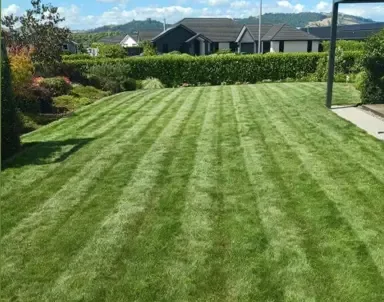
Image source: Web (Bing) / theplantcompany.co.nz
The Five Fine Fescues and Their Mowing Personalities
Here’s the quick field guide.
| Species | Growth habit | Mowing personality |
|---|---|---|
| Creeping red fescue | Spreads by short rhizomes | Forgiving, knits back from damage |
| Slender creeping red fescue | Rhizomatous, dense | Handles lower cuts, links-style favorite |
| Chewings fescue | Bunch, very dense | Tidiest look, tolerates the lowest home-lawn heights |
| Hard fescue | Bunch, slowest grower | Wants 3 inches and infrequent cuts |
| Sheep fescue | Bunch, open tufts | Meadow look, cut little and high |
Bunch-Type vs. Creeping Red: Why Recovery Speed Dictates Height
The growth habit line decides how careful you have to be. Bunch grasses such as hard fescue, sheep fescue, and Chewings fescue expand only from the base. Cut them too low and the bare patch has no way to fill itself.
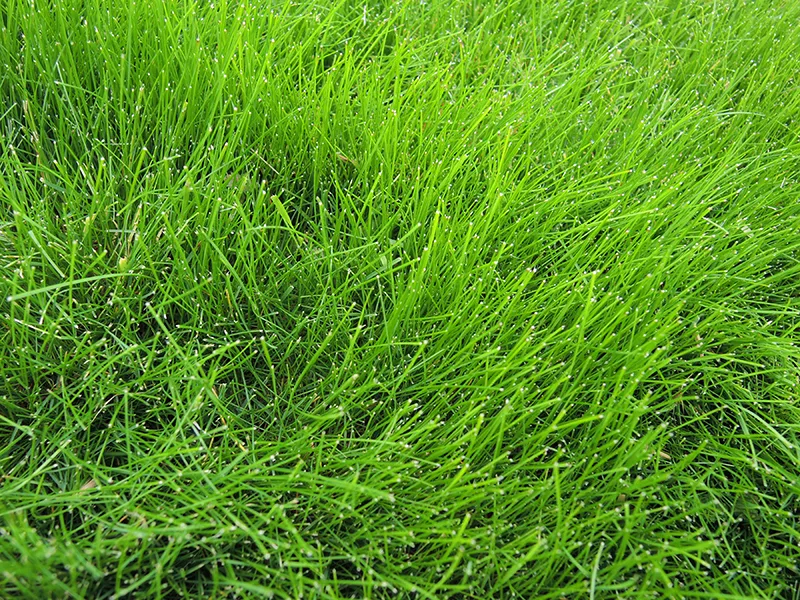
Creeping red fescue pushes short rhizomes sideways, so it slowly knits over small wounds. That’s why we set bunch-type stands at least a half inch higher. Scalping a hard fescue lawn in June can still look bare in October.
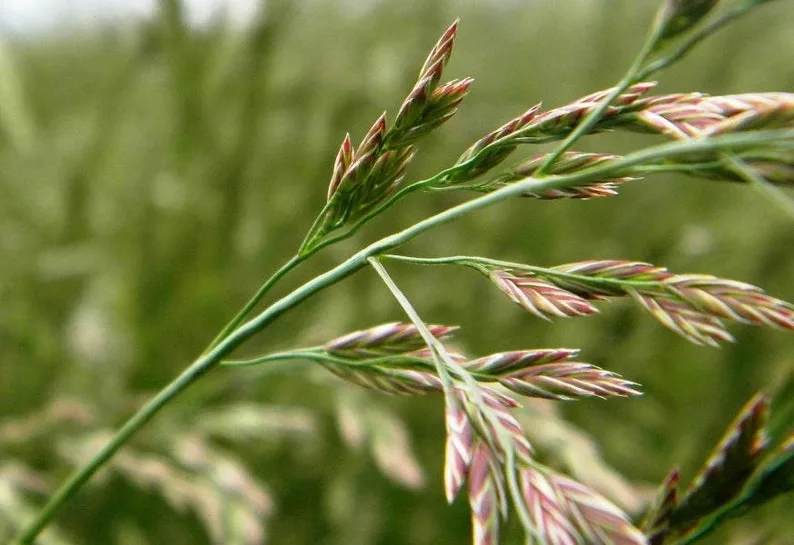
Image source: Bing (Web (fair-use with source credit))
How Can You Tell What’s Actually in Your Lawn?
Check the seed tag first, because federal seed-labeling rules require every bag to list varieties and percentages by weight. Many blends also toss in 10 to 20 percent Kentucky bluegrass, which grows faster and will set your spring mowing rhythm. If you inherited the lawn, use your eyes.
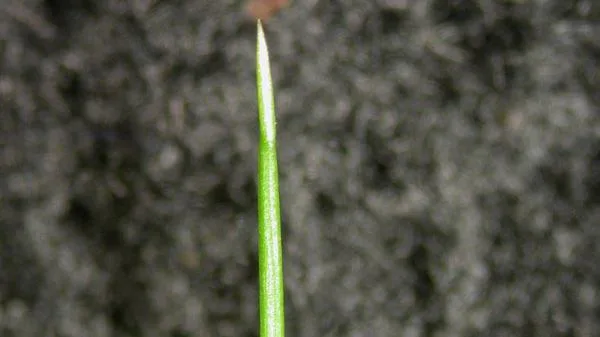
Fine fescue blades look like green needles, about 1 millimeter wide, with a soft, drooping texture. Our guide to spotting needle-thin blades walks through the visual differences in detail.
The Four Conditions That Decide Your Mowing Plan
Season and Growth Rate
Fine fescue runs on two gears. Spring and fall bring a genuine flush, so cuts land every 7 to 14 days. From late June through August, growth slows to a crawl even on irrigated stands, and the interval stretches to three or four weeks.
Drought Stress and Summer Dormancy
When drought hits, fine fescue shuts down on purpose. The turf turns a gray-green, then tan, and the crowns are resting rather than dying. Mowing dormant grass is the fastest way to finish it off, because each cut removes moisture the plant can’t spare.
So use if-then logic here. If the lawn is brown from heat and dry weather, then park the mower until fall rain returns. If it’s brown from a disease outbreak or grubs, then diagnose before cutting anything.
Our guide to smarter summer watering habits explains how much moisture keeps fescue green without drowning it.
New Seedling vs. Established Stand
Newly seeded fine fescue follows its own timeline. Wait until seedlings reach about 3.5 to 4 inches, usually 4 to 6 weeks after seeding, then take the first cut back to roughly 3 inches. The soil must be dry enough that the mower doesn’t leave tracks, because tender seedlings plus soft ground equals permanent ruts.
Maintained Lawn vs. No-Mow Blend
No-mow blends, mostly hard and sheep fescue, flip the entire plan. They get one or two cuts a year at 3 to 4 inches, usually a spring comb-out. If your bag says “no mow” or “eco lawn,” skip everything else in this section except the annual reset.
Fine Fescue Mowing Heights and Frequency by Situation
The right height is a range, not a number, and it moves with the calendar. Rutgers turf researchers have spent decades refining these targets for cool-season species, and their numbers line up with extension recommendations nationwide.
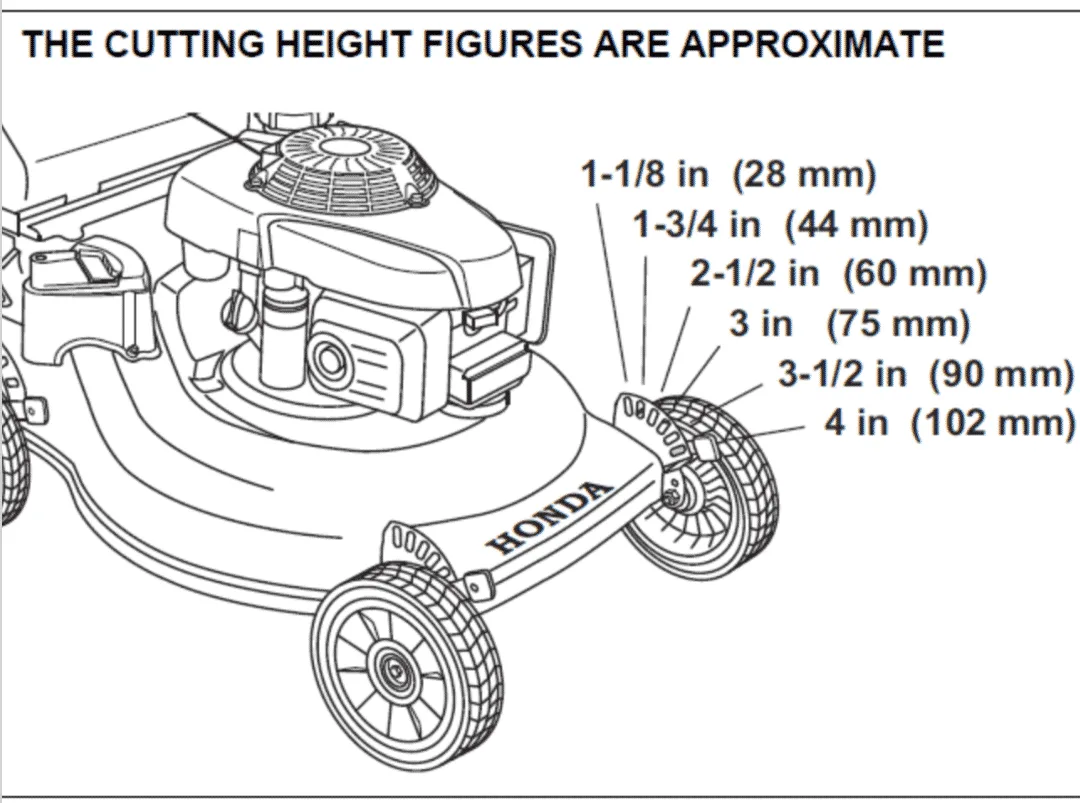
Image source: Web (Bing) / mowersboy.com
Height Targets by Season and Species (Comparison Table)
| Situation | Target height | How often |
|---|---|---|
| Established stand, spring flush | 2.5 to 3 in. | Every 7 to 14 days |
| Chewings or slender creeping red, in season | 2 to 2.5 in. | Every 10 to 14 days |
| Hard or sheep fescue, in season | 3 in. or taller | Every 3 to 5 weeks |
| Summer, irrigated and green | 3 in. | Every 3 to 4 weeks |
| Summer, drought or dormant | Leave uncut | Skip until fall |
| New seeding, first cut | Down to 3 in. | Once seedlings reach 3.5 to 4 in. |
| Final cut before winter | 2 to 2.5 in. | Once, after growth stops |
The One-Third Rule Applied to Slow-Growing Fescue
The one-third rule says never remove more than a third of the leaf blade in a single cut. For fast grass, that forces weekly mowing. For fine fescue, slow growth works in your favor, because a lawn held at 3 inches usually won’t reach 4 inches for two weeks or more.
The rule still bites when you fall behind. Cutting from 4.5 inches straight down to 2.5 removes nearly half the blade, and that’s a genuine stress event for shallow-rooted turf.
When Skipping a Week Is the Right Call
Skip a scheduled cut whenever growth stalls. If the lawn grew less than an inch since the last mowing, there’s nothing worth removing. Skipping also protects the stand during heat waves, after disease outbreaks, and any time the soil is soggy.
A missed mowing costs nothing on this grass. A forced one can cost a season.
How to Mow Fine Fescue: The Step-by-Step Workflow
The whole routine takes about ten minutes of looking and twenty of mowing. Here’s the sequence we’d run.
The Pre-Mow Stress Check (Drought, Wet Soil, Disease)
Walk the lawn before you wheel out the mower. Push a screwdriver 4 inches into the soil. If it slides in easily and comes out muddy, wait a day.
Saturated ground compacts under your feet and under the mower wheels.
If the grass is tan from late-summer heat, stop right there. Dormant turf is resting, not dying, and every cut removes water the crowns can’t spare. A green lawn that holds your footprints needs a drink first.
Our guide to a smarter summer watering rhythm covers the fine fescue numbers.
If the lawn bakes in afternoon sun, expect it to dry out sooner and stress faster. We explain how fescue handles open sun in a separate piece.
If you inherited the lawn and aren’t sure what’s in it, reading the blade texture settles the question in a minute. Then check any disease patches. Red thread shows up as ragged, coral-tinted spots in humid spring weather.
When it’s active, bag the clippings on that pass instead of mulching.
Mower Setup: Blade Sharpness, Height Setting, Mulching
Silica-rich fescue blades dull an edge about twice as fast as bluegrass does. Plan on sharpening every 20 to 25 hours of mowing. Penn State Extension walks through proper mower blade care, and it’s worth ten minutes of anyone’s time.
Dull blades tear rather than slice, and torn fescue tips turn gray-brown within days.
Set the deck on flat concrete, never on the lawn. Measure both sides of the deck. Even a half-inch mismatch scalps one edge of a bunch-type stand.
Mulching beats bagging on this grass. Fine fescue drops so few clippings that they vanish into the canopy. Left in place, they feed the soil between fall feeding windows.
Cutting Technique for Thin-Bladed Turf
- Slow the pace. Thin blades need a clean slice, and racing leaves streaked edges.
- Vary the pattern each visit so the turf doesn’t lean into ruts.
- Keep bunch-type blends a notch taller than feels right.
- Mow dry grass only, never right after rain or irrigation.
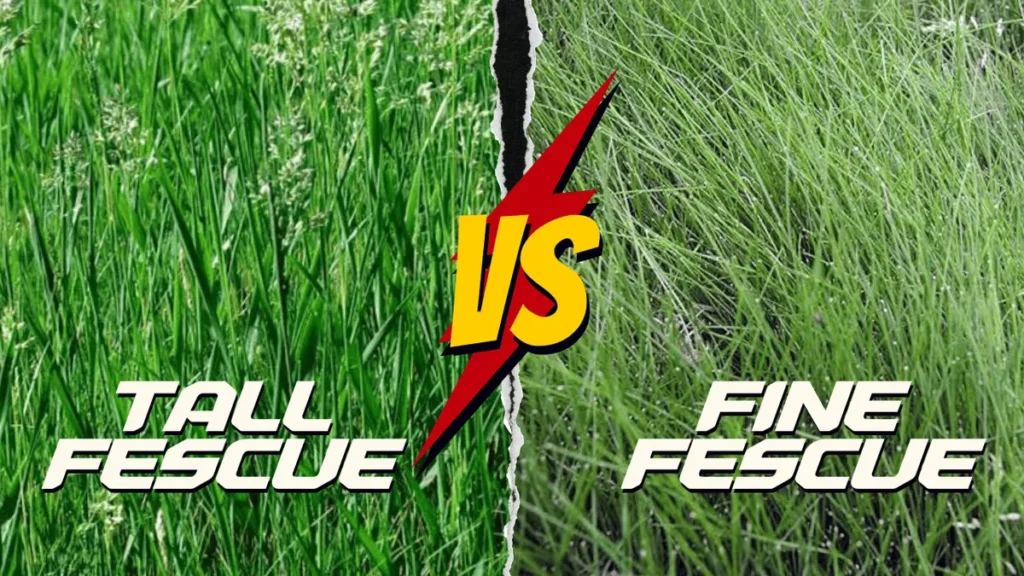
One distinction matters before your first pass. Fine fescue and tall fescue get mixed up constantly, and their mowing plans are nothing alike. We clear up that tall fescue mix-up in a two-minute read.
Special Cuts: New Seedings, No-Mow Resets, and Recovery Mows
Three situations bend the normal calendar, and each one has its own rules.
First Mow After Seeding
Wait until seedlings stand 3.5 to 4 inches tall, which takes 4 to 6 weeks after germination. Cut to about 3 inches on a dry afternoon with a freshly sharpened blade. Keep the walking pace slow so thin seedlings get sliced instead of pulled.
Bag this first crop of clippings. Tender material clumps easily and can smother young crowns overnight.
If rain flopped the seedlings over before your first cut, then raise the deck to its highest setting and take a cleanup pass two or three days later. Never drag the full height off new turf in one shot.
The Annual No-Mow Comb-Out
No-mow blends still need one or two cuts a year, and the big one comes in late winter or early spring before growth restarts. Cut the whole stand to 3 or 4 inches and bag everything, because winter-killed material won’t break down on its own.
Skip the reset and the dead layer stacks up. Within two or three seasons the stand turns spongy, traps moisture, and starts matting flat. A string trimmer works fine for meadow-style yards where a mower can’t reach.
Catching Up After a Vacation Without Shocking the Lawn
If the lawn hit 6 inches while you were away, then don’t cut straight back to 3. Stage the reduction instead.
| Height now | First pass | 3 to 5 days later | Final pass |
|---|---|---|---|
| 5 to 6 in. | 4 to 4.5 in. | 3.5 in. | 3 in. |
| 4 to 5 in. | 3.5 in. | 3 in. | Not needed |
| 3 to 4 in. | 3 in. | Not needed | Not needed |
Each pass removes about a third of the blade, so the turf keeps enough green tissue to keep growing. Stretch the gaps between passes in hot weather. Rush it, and the lawn turns pale for weeks.
Mistakes That Ruin Fine Fescue (and How to Fix Them)
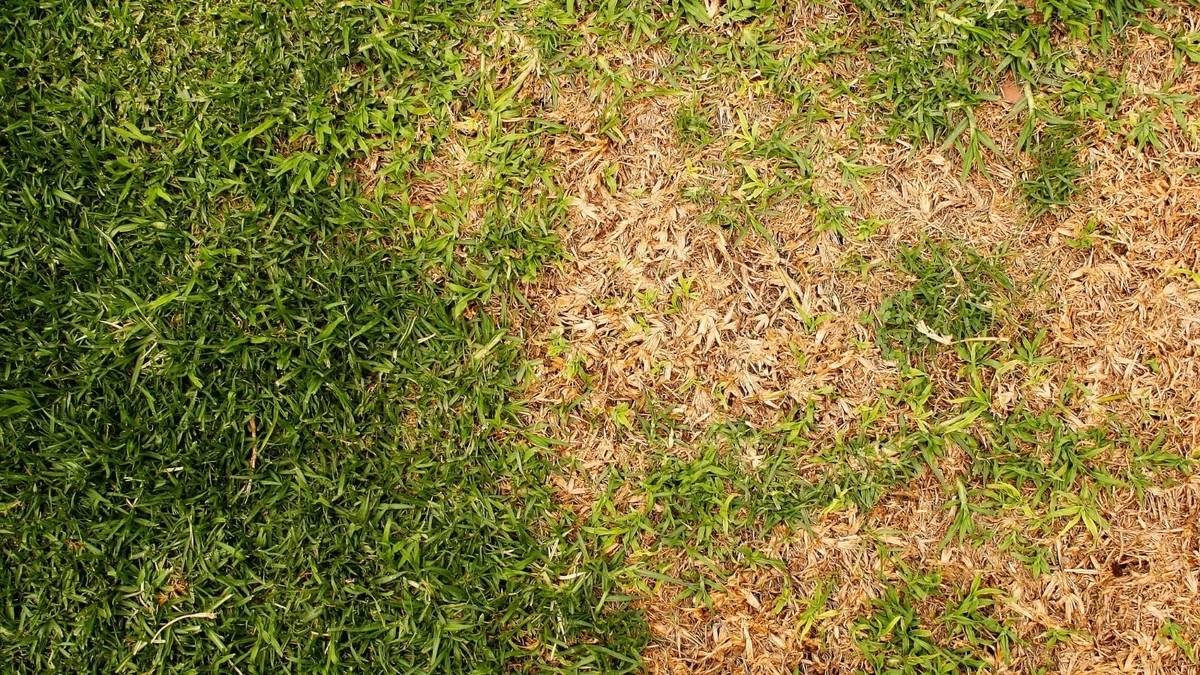
Image source: Web (Bing) / epicgardening.com
Four errors cause most fine fescue failures. All four are avoidable, and three of them happen in a single afternoon.
Scalping Bunch-Type Fescue
One pass below the crown can kill a tuft outright, and hard, sheep, and Chewings fescue have no way to spread back in. The bare patch persists until you repair it. Raise the deck at least half an inch above the last setting, topdress with compost in early fall, and overseed the damaged spots the same week.
If more than a third of the lawn got scalped, then skip spot repairs and plan a full fall overseeding instead.
Mowing Drought-Stressed or Wet Turf
Dormant turf is resting, not dead, and mowing it strips the last moisture the crowns hold. Every extension source we reviewed says the same thing: wait for fall rain. Wet mowing does quieter damage.
Tires rut saturated soil, clippings smear into smothering mats, and red thread spores ride the mower deck to the next patch.
Dull Blades and Ragged Brown Tips
Fine fescue carries more silica than bluegrass, so a blade that slices other lawns cleanly will tear this one within a few hours. Torn tips turn gray-brown and stay that way until they’re cut off again. Sharpen every 20 to 25 hours of run time, and keep a spare blade on hand so you can swap mid-season without stopping.
Over-Fertilizing Into Extra Mowing
Nitrogen is the throttle on this grass. Feed it like bluegrass, at 3 to 4 pounds per 1,000 square feet per year, and you’ll double your mowing while inviting dollar spot. Fine fescue wants 1 to 2 pounds total, with nearly all of it in fall.
Our fall feeding window guide covers the timing that keeps growth steady instead of surging.
The Seasonal Mowing Calendar for Fine Fescue
Fine fescue runs on two real seasons and one long pause. Plan around them.
Spring Surge, Summer Pause, Fall Rebound
Make the season’s first cut once the canopy reaches 3 inches, usually early April across most cool-season regions. Hold 2.5 to 3 inches through the spring flush and cut every 7 to 14 days. By late June, stretch the interval no matter how green things look.
Summer is where this grass earns its keep. If the stand is irrigated and stays green, then mow every 3 to 4 weeks at a full 3 inches. If it browned off, then park the mower entirely until fall.
Stands in full sun brown first and recover slowest, and our fescue sun tolerance breakdown explains what to expect from exposed lawns.
Fall brings the second flush. Resume the usual rhythm through October, then plan the final cut at 2 to 2.5 inches once growth stops, typically early November in northern states.
Grasscycling and the Final Winterization Cut
Leave the clippings all season. They’re light, they vanish into the canopy, and they return roughly a quarter of the lawn’s annual nitrogen. Bag only when red thread is active or during the spring comb-out.
The last cut of the year matters more than it looks. Grass left at 3 inches traps moisture against the crowns and feeds snow mold under snow cover. Take the stand down to 2 to 2.5 inches on that final pass.
Long-Term: Preventing the Spongy No-Mow Mat
No-mow stands accumulate dead leaf between the soil and the green tips. Left alone, that layer gets thick enough to shed water within a few years. The annual comb-out slows the buildup.
Every second or third spring, go deeper: cut hard and bag aggressively, or run a dethatcher on a dry day and overseed immediately after.
Fine Fescue Mowing FAQs
Can fine fescue be mowed short, like 1.5 inches?
Only Chewings fescue and slender creeping red fescue hold up below 2 inches, and even they thin out in a home lawn. With a rotary mower, 2.5 inches is the practical floor. Anything lower needs a reel mower and near-ideal conditions, which is why that finish belongs to golf courses.
Should I bag or mulch the clippings?
Mulch during routine cuts, because fine fescue produces so little material that clippings disappear into the canopy. Bag in two cases: when red thread is active, and during the no-mow comb-out when you’re clearing a winter’s worth of dead growth.
How do I know if my lawn is fine fescue or tall fescue?
Measure a blade. Fine fescue leaves run about 1 millimeter wide and fold like needles. Tall fescue blades are several times wider with a stiff rib down the middle.
Our visual ID guide shows both up close, and the tall fescue comparison covers why their mowing plans differ.
How often does a no-mow fescue lawn really need cutting?
Once or twice a year. The early-spring comb-out to 3 or 4 inches, bagged, is the only required service. A light trim in late fall keeps the stand tidy through winter, though it’s optional in milder climates.
Can I mow a dormant fine fescue lawn in summer?
No. Dormant crowns are alive but out of moisture, and every cut removes tissue they can’t replace. Wait for steady fall rain, then resume at a raised height.
Our summer watering intervals guide explains how to keep enough moisture in the root zone to avoid dormancy in the first place. Mowing through dormancy is the fastest way to lose the whole stand.
Do I need a special mower for fine fescue?
Any sharp rotary mower works. A reel mower only matters if you want a sub-2-inch links-style finish, and even then it suits Chewings fescue rather than a general blend. Sharpness matters far more than mower type on this grass.
Quick Decision Guide: Your Fine Fescue Mowing Plan at a Glance
Pick your row, then follow the plan.
| Your situation | Your plan |
|---|---|
| Established blend, spring or fall | Cut every 7 to 14 days at 2.5 to 3 in. |
| Irrigated stand, green summer | Every 3 to 4 weeks at 3 in. |
| Dormant, brown summer lawn | No mowing until fall rain returns |
| New seeding | First cut at 3.5 to 4 in., down to 3 in. |
| No-mow blend | One bagged comb-out each early spring |
| Bunch-type heavy stand | Keep heights a half inch higher |
| Lawn a month overdue | Staged cuts over two weeks |
Three if-then checks cover almost everything the table can’t. If the soil squishes underfoot, then wait a day. If the tips look gray or brown after mowing, then sharpen the blade before the next pass.
If the lawn grew less than an inch since the last cut, then skip the week.
Every rule in this guide bends back to one fact. Fine fescue wants to be mowed less often than you think, higher than you think, and never while it’s stressed. Honor those three and the lawn will quietly do its job for decades.