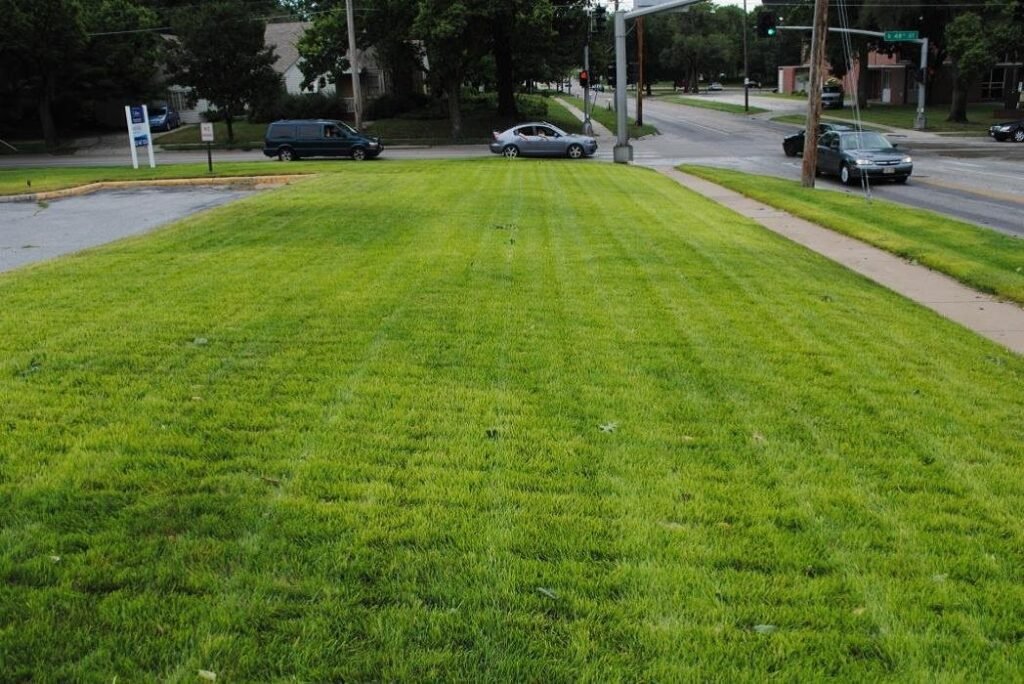
Why Is My Kentucky Bluegrass Turning Yellow? 6 Vital Clues
Kentucky bluegrass turning yellow is often caused by nitrogen deficiency. Learn how to diagnose the issue and restore your lawn to a deep green.

Kentucky bluegrass turning yellow is often caused by nitrogen deficiency. Learn how to diagnose the issue and restore your lawn to a deep green.

Got it. Here’s the article content for the first batch. Servicing your Husqvarna lawn mower isn’t a mystery, but it does require a little patience and the…
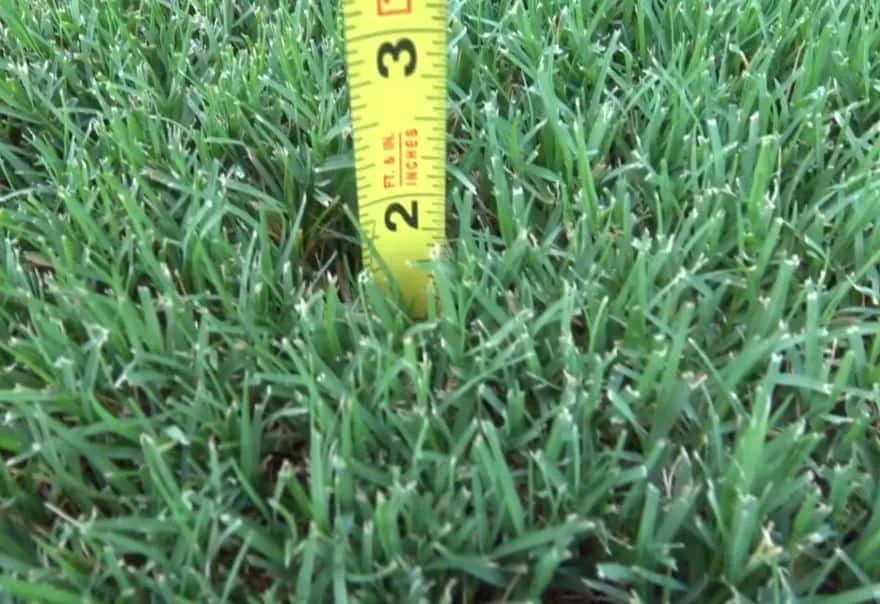
So, you’ve got a Bermuda grass lawn and you’re wondering how often to cut bermuda grass. It’s a fair question, every week? Twice a week? Once a month? The…

Does Kentucky bluegrass need a lot of water? Learn the ideal weekly watering schedule to keep your lawn healthy, green, and thriving all season long.
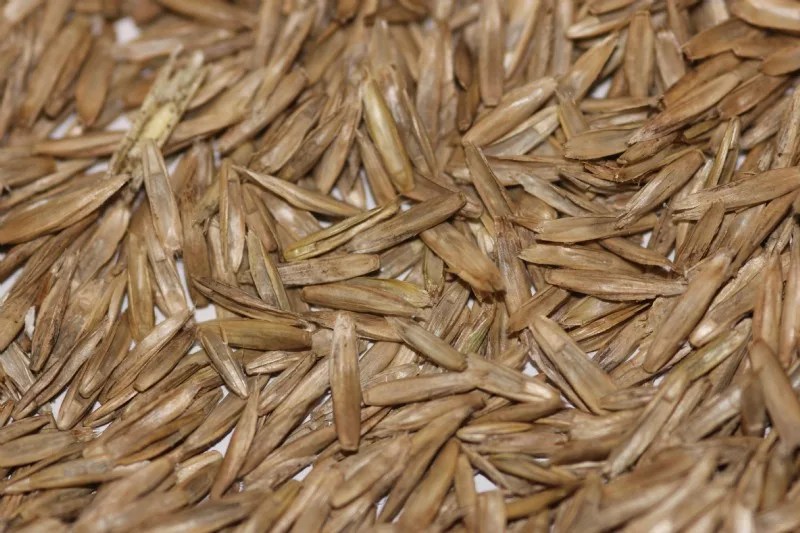
You’re standing in the seed aisle, bag of perennial ryegrass in hand, and the one question nobody answers clearly is how deep to plant perennial ryegrass seed.…

Kentucky blue grass spreads on its own using underground rhizomes. Learn how this vigorous grass fills in bare spots to create a thick, lush lawn.

Your selfpropelled mower is supposed to make mowing easier. But when it lurches forward faster than you can walk, it turns a chore into a workout you didn’t…
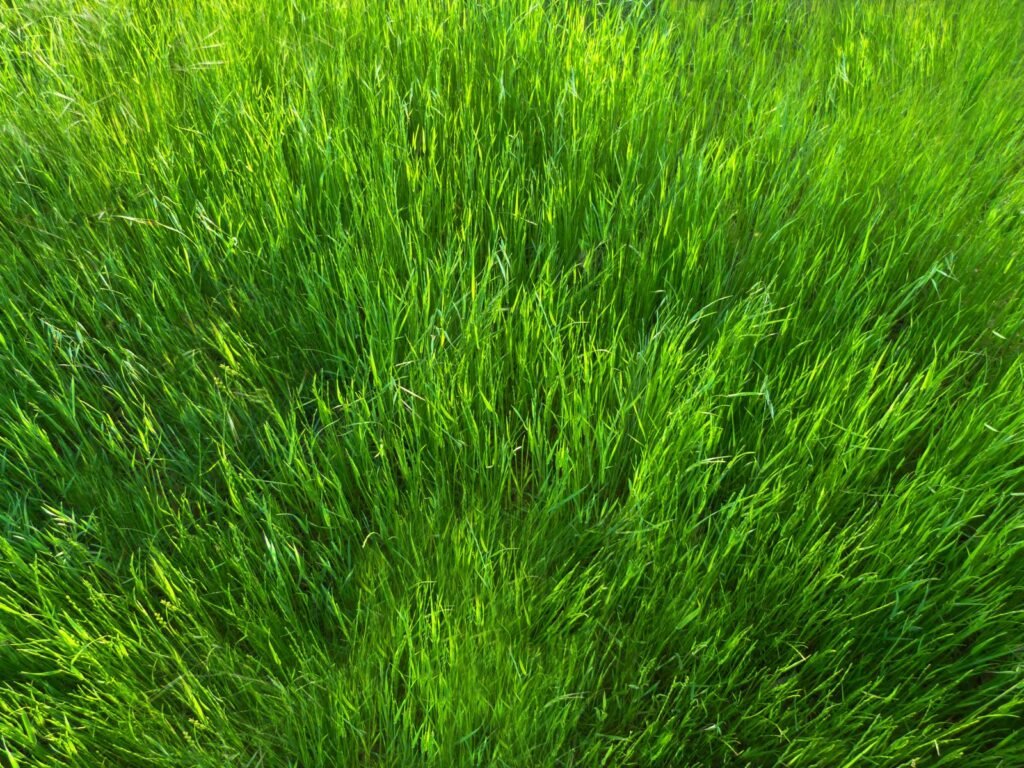
Kentucky bluegrass germination takes 14 to 30 days due to natural inhibitors. Learn how consistent moisture and warmth help your lawn seeds sprout.

If you’ve ever stared at a bare patch of dirt and wondered is kentucky bluegrass good for lawns, the honest answer is “it depends, completely.” That’s not a…

Does lawn mower have alternator? It depends on the machine you’re standing next to. Most riding mowers and lawn tractors have a charging system, but push…