Why Is My Kentucky Bluegrass Turning Yellow? 6 Vital Clues
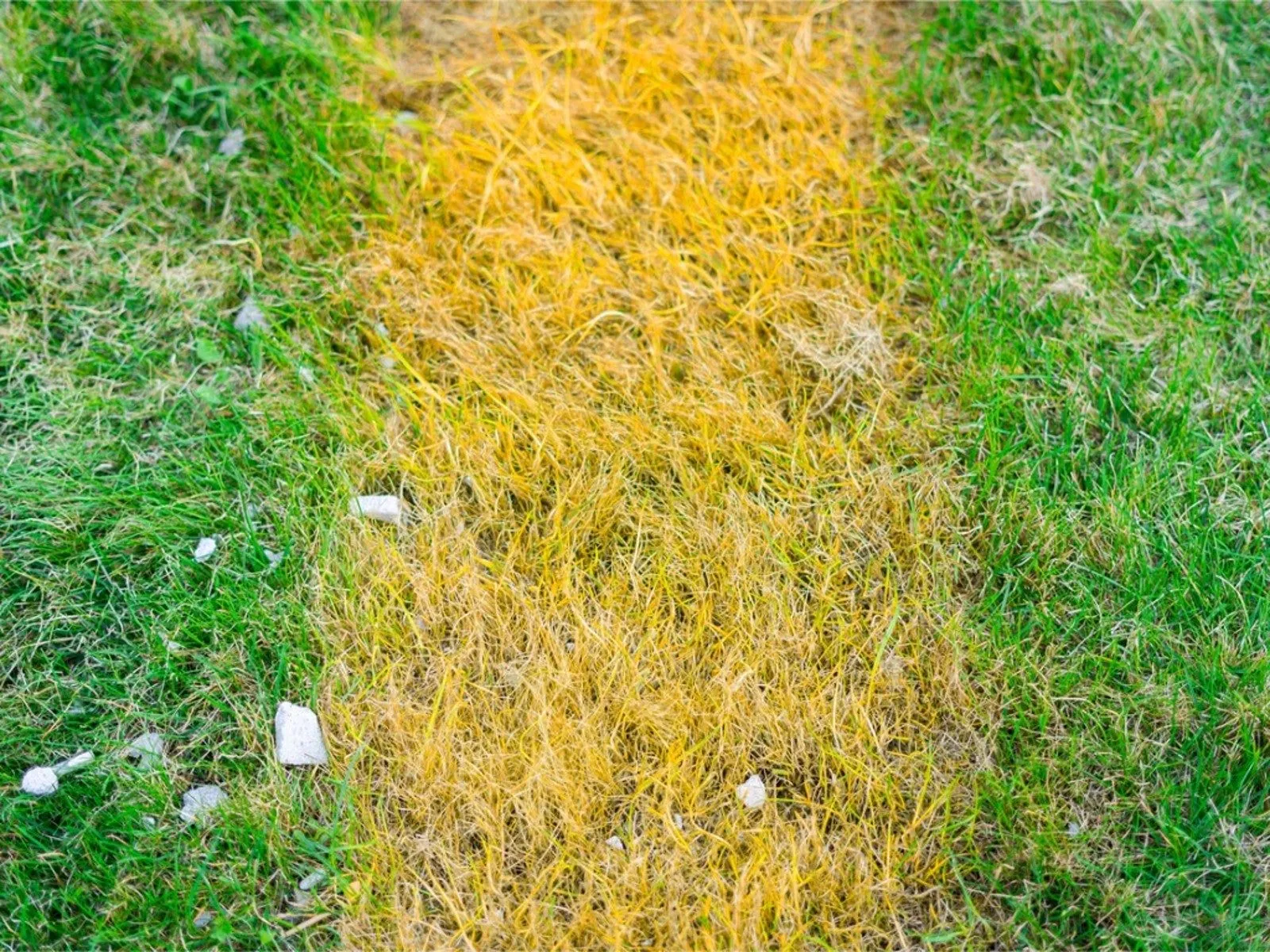
A lack of nitrogen in the soil is why my kentucky bluegrass turning yellow is the most common issue for homeowners. In most cases, this color change happens when the grass can’t produce enough chlorophyll to maintain its deep green appearance. You can confirm this by checking the growth rate; if the lawn is thin and grows slowly, it’s likely hungry for nutrients. If the yellowing is patchy or appears suddenly after heavy rain, the cause is often a different issue like fungal disease or drainage.
Why your Kentucky bluegrass is turning yellow
| Cause | How common | How to confirm it | Fix it yourself? |
|---|---|---|---|
| Nitrogen deficiency | Very common | Pale green, slow growth | Yes |
| Overwatering | Common | Soil stays soggy | Yes |
| Iron deficiency | Common | Yellowing on new leaves | Yes |
| Fungal disease | Occasional | Small spots or patches | Yes with care |
| Soil pH issues | Occasional | Tested with soil kit | Yes with care |
| Insect damage | Rare | Brown or yellow clumps | No |
Nitrogen deficiency is the most frequent culprit. If your grass turns a uniform, pale lime color and stops growing, apply a high-nitrogen fertilizer. Don’t confuse this with iron deficiency, which leaves the veins of the grass blades green while the tissue between them turns yellow.
Overwatering often mimics drought stress because saturated roots can’t absorb oxygen. If the soil feels spongy or smells like swamp gas, skip two watering cycles. Most lawns require only one inch of water per week, including rainfall.
Fungal issues appear as circular patches or distinct lesions on the blades. If you see white or gray fuzz during early morning, stop watering at night. Moisture sitting on blades overnight invites rot.
Test your soil pH if your grass remains yellow despite regular feeding. Grass prefers a range between 6.0 and 7.0. If the pH drops below 5.5, nutrients become chemically locked in the soil and the plant can’t consume them regardless of how much fertilizer you apply.
Nitrogen deficiency in lawn health
Nitrogen is the primary fuel for Kentucky bluegrass. When levels drop, the grass loses its ability to photosynthesize effectively, leading to a pale or yellow tint across the entire lawn. This symptom usually appears uniformly rather than in distinct spots. If your grass hasn’t been fertilized in more than three months during the growing season, a nitrogen shortage is almost certainly the culprit.
To confirm this, look at the overall density of your turf. A healthy lawn is thick and deep green, while a nitrogen-starved lawn looks thin and pale. If you haven’t applied a balanced fertilizer recently, a single application of a nitrogen-rich product will usually restore the color within 10 to 14 days.
Always follow the specific application rates on the bag, as adding too much can burn the grass roots. If the grass remains yellow after two weeks, the problem is likely something else in the soil.
If your soil is sandy, nitrogen washes away faster than in clay soils. This means you might need to apply smaller amounts of fertilizer more frequently to keep the grass green.
If you’re unsure about your soil type, you can use a basic soil testing kit from a local University of Massachusetts Extension office to see exactly what nutrients your lawn lacks. This simple test helps you avoid guessing and prevents you from wasting money on the wrong type of fertilizer.
Effects of overwatering on grass roots
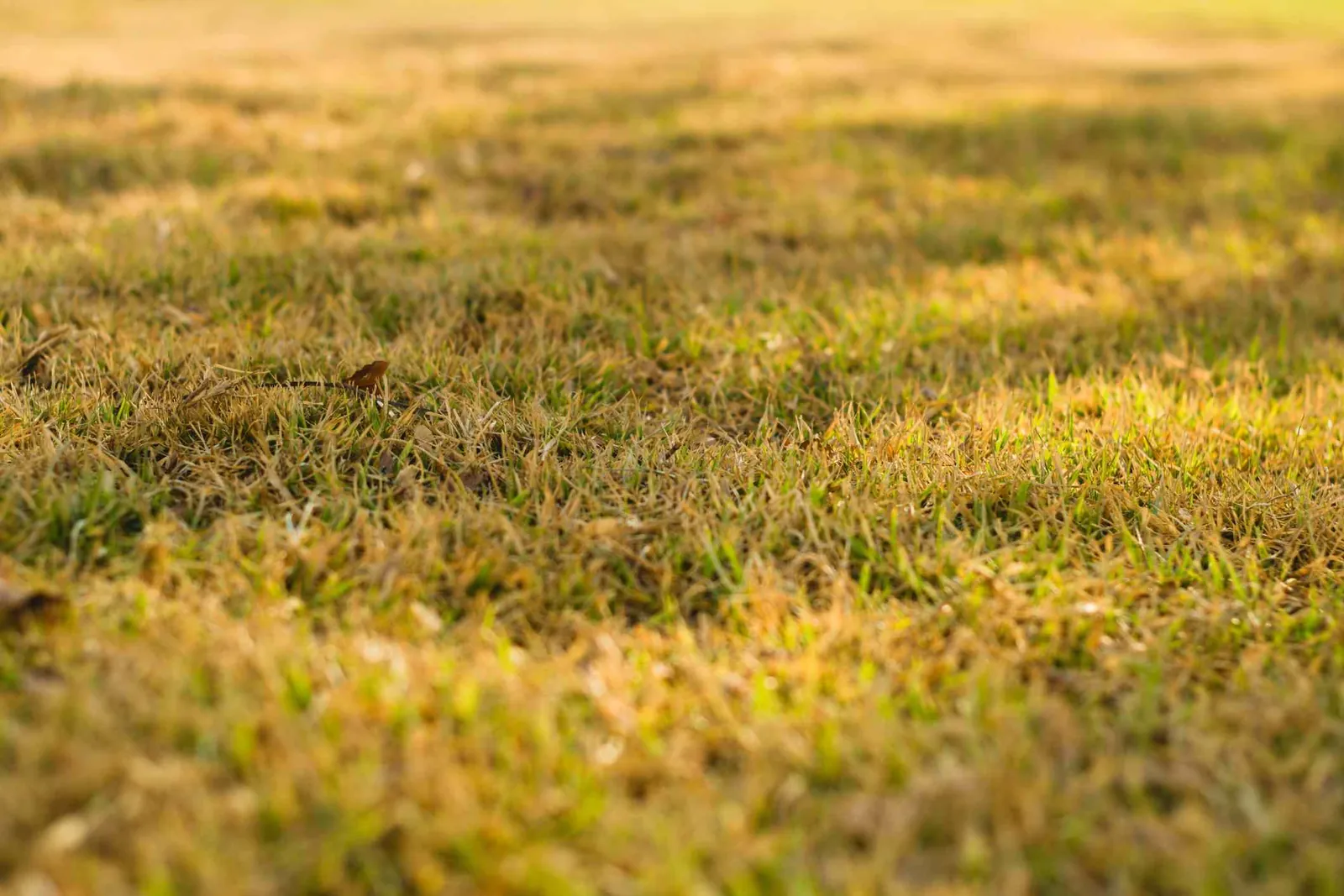
Grass needs oxygen in the soil to function properly. When the ground stays wet for too long, the roots are essentially suffocated, which prevents them from absorbing essential nutrients like iron and nitrogen. This causes the grass to turn a sickly yellow or light green color, often accompanied by a soft or spongy feel underfoot. Unlike a nutrient deficiency, overwatering usually affects the lowest parts of your lawn first where water naturally collects.
You can tell if water is the problem by checking the soil moisture levels. Push a screwdriver into the ground; if it goes in easily and the soil feels like a wet sponge, you’re watering too much. If you have seen heavy rain recently or your sprinkler system is set to run every day, cut back to once or twice a week.
The most common mistake is assuming yellow grass needs more fertilizer. Adding nitrogen to waterlogged soil creates a toxic buildup that burns the roots further. If the soil smells like rotten eggs, it indicates the presence of hydrogen sulfide gas, a sign of severe soil compaction and lack of oxygen. In this case, you must aerate the lawn to introduce oxygen immediately.
Kentucky bluegrass prefers a deep watering that allows the soil to dry out slightly between sessions. If the yellowing persists after a week of dry conditions, check for other causes such as fungal disease or grubs.
Iron deficiency in new growth
Iron is a micronutrient that helps grass stay dark green. When the soil pH is too high, often above 7.0, the grass can’t absorb the iron it needs even if the element is present in the ground. You’ll notice this when the newest blades turn bright yellow while the older blades stay slightly greener. This pattern is a key clue that distinguishes it from a general nitrogen lack, which typically causes the oldest, lowest blades to yellow first.
Test your soil pH using a simple kit from a garden center to see if it’s too alkaline. If the pH is high, you can add elemental sulfur to bring it down. Apply no more than five pounds of sulfur per 1,000 square feet at any one time to avoid burning the root system. This process must be done slowly over several months.
If you see yellowing across the entire lawn rather than just new growth, check for poor drainage or compacted soil instead. Alternatively, you can apply a liquid iron supplement for a quick color boost. This fix is temporary and won’t solve the underlying pH problem, but it will hide the yellowing while you address the soil quality.
Less common causes for yellowing
Fungal diseases often manifest as small, circular yellow spots or lesions on individual blades. If you see these, improve air circulation immediately or apply a fungicide. Stagnant humidity is the primary catalyst here.
Mowing with blunt blades tears grass tips rather than slicing them cleanly. This ragged edge turns yellow or white as the tissue dries out. Inspect your blade edge regularly; if it looks frayed rather than sharp, sharpen it to prevent this stress.
Pet waste introduces excessive nitrogen, which creates dark green rings with yellow or dead centers. This is a chemical burn, not a nutrient deficiency. If the patch recovers after a heavy watering, the roots are intact. If it stays brown, you must reseed the area.
Grubs or root-feeding insects cause grass to yellow and pull up like a loose carpet. If you can lift a section of turf with your hands, treat the soil for pests before the damage spreads across the entire lawn.
Repairing and restoring your lawn
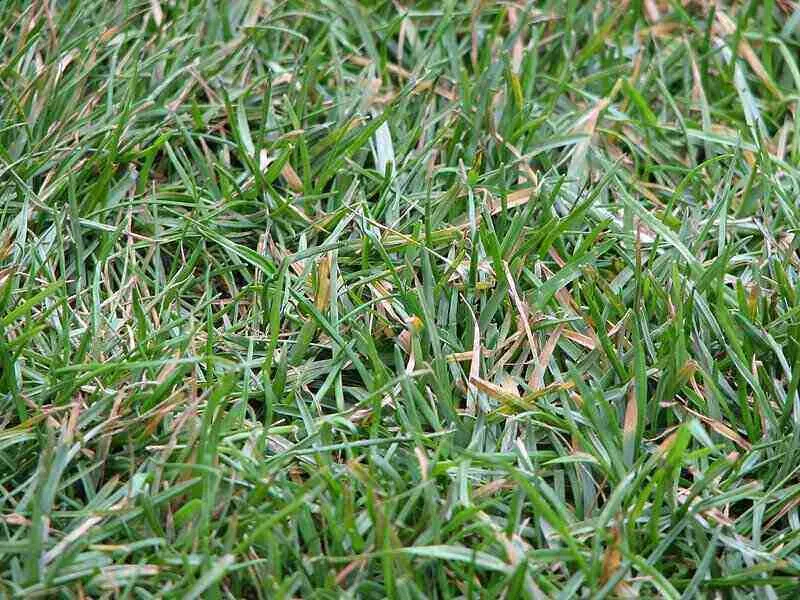
Fixing a yellow lawn demands patience and the right choice of products. If the issue is a nutrient gap, use a spreader for granular fertilizer or a sprayer for liquid supplements. Basic fertilizers are affordable compared to the cost of replacing dead sod. Always check the label to see how much area they cover and how often you should apply them.
If your soil pH is the culprit, you need a test kit before acting. If the soil tests above 7.0, apply elemental sulfur to lower alkalinity. If it tests below 6.0, apply lime to raise acidity. Don’t guess; applying the wrong amendment will lock out existing nutrients, effectively starving your grass despite your efforts.
Most homeowners make the mistake of over-applying nitrogen to force a quick green-up. This creates a flush of weak, succulent growth that invites fungal diseases and pests. If your grass is yellow but the blades feel brittle, you likely have a water issue rather than a nutrient one. In this case, increase your irrigation depth rather than your chemical input.
If you remain unsure, consult a local extension agent. They provide an accurate diagnosis that fits your specific soil conditions and climate, saving you from the common trap of buying expensive, ineffective treatments that do more harm than good.
Frequently asked questions
How long does it take for yellow grass to turn green again?
Grass typically turns green within 7 to 14 days after you apply the correct fertilizer or fix the watering schedule. This assumes the grass is still alive and the roots are healthy enough to absorb nutrients. If you don’t see any change after two weeks, the issue might be a more complex soil pH problem or a hidden fungal infection that needs a different approach.
Is it safe to fertilize yellow grass?
It’s safe to fertilize if a nitrogen deficiency is the confirmed cause, but you must use the correct amount for your specific lawn size. Applying too much fertilizer to stressed grass can cause root burn and make the yellowing worse. Always read the bag instructions carefully; if your grass is suffering from a disease or severe drought, wait until the lawn recovers before adding any chemicals.
Why is my grass yellow in patches?
Yellow patches are usually a sign of uneven watering, localized fungal disease, or a concentration of pet waste. If the patches align with your sprinkler heads, you likely have a coverage issue that leaves some areas dry and others soaked. Check your sprinkler heads for clogs or broken parts, as fixing the distribution pattern is often the only way to stop the yellowing from spreading.
How often should I water my kentucky bluegrass?
Kentucky bluegrass needs about 1 inch of water per week, ideally applied in one or two deep soakings rather than daily light sprinkles. This frequency assumes your local climate is standard; if you live in a very hot or dry region, you may need to monitor the soil moisture daily. Check the soil depth with a probe to ensure the water reaches the root zone.
Does mowing height matter for color?
Mowing too short stresses the grass and leads to yellowing, so you should keep your Kentucky bluegrass blades at least 3 inches high. This height protects the crown of the plant and helps the soil retain moisture during hot spells. If you notice the grass turning yellow shortly after a mow, raise your mower deck to avoid cutting off too much of the green leaf tissue.
What happens if I ignore the yellow color?
Ignoring yellow grass will eventually lead to thinning, weed invasion, and permanent damage if the plant lacks the energy to survive the season. If the yellowing is caused by a disease, it can spread quickly and kill large sections of your lawn. Taking action as soon as you spot the color change is the best way to keep your lawn healthy and avoid the high cost of reseeding.
Conclusion
Keeping your lawn healthy shouldn’t feel like a chore. If you aren’t sure what your soil needs, grab a simple test kit from your local garden shop this weekend. It’s a small investment that’ll save you time and help you grow the lush, vibrant yard you’ve always wanted.