How Much Sun Does Bermuda Grass Need? A Clear Guide
If you’re staring at a patchy, thinning lawn and wondering whether your Bermuda grass is getting enough light, you’re asking the right question. How much sun does Bermuda grass need is one of the most common, and most misunderstood, topics in warm-season lawn care. Get it wrong and you’ll waste time, water, and money on a lawn that never really thrives.
University turfgrass research across the Southeast consistently puts the minimum at 6 to 8 hours of direct, unfiltered sunlight per day. Below that threshold, Bermuda grass stops acting like the hardy, self-repairing turf it’s known for. It gets leggy, invites weeds, and eventually thins out completely.
Let’s walk through exactly what that means for your yard.
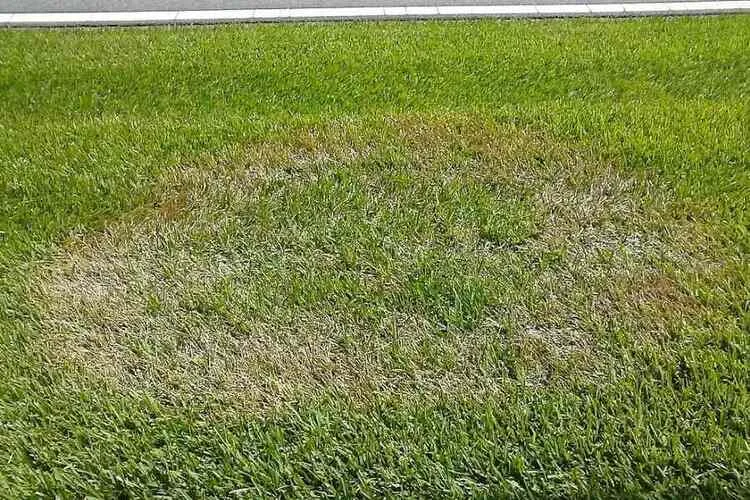
Image source: Bing (Web (fair-use with source credit))
Quick Answer
Bermuda grass needs 6 to 8 hours of direct sun daily. The ideal range is 8 to 10 hours. Anything under 6 hours causes thinning and weak growth.
Morning sun matters more than afternoon sun. No amount of fertilizer or water replaces missing light.
Why Your Bermuda Grass Might Be Struggling
Bermuda grass is a warm-season grass built for intense, direct sunlight. It evolved in tropical and subtropical climates where shade is rare. When you plant it in a yard with partial shade, it doesn’t adapt, it slowly declines.
The most common reason Bermuda grass struggles is simple: it’s not getting enough light. Homeowners often misjudge how much sun their yard actually receives. A yard that looks bright to the human eye might only get 4 or 5 hours of direct sun.
That’s enough for a patio chair but not enough for Bermuda grass.
Other factors like compacted soil, improper mowing height, or poor watering can compound the problem. But if aeration hasn’t helped and your fertilizer routine is solid, light is almost certainly the missing piece. Check whether the thinning areas line up with shadows from trees, fences, or the house.
That visual clue tells you more than any soil test.
There’s also a timing factor you might not expect. Deciduous trees that look bare in winter can create deep shade once they leaf out in spring. A lawn that seems fine in January can start failing by May.
That’s why measuring light across the full growing season matters, not just on one sunny afternoon.
The Quick Answer: Bermuda Grass Needs 6–8 Hours of Direct Sun
The number you’ll see in every university extension bulletin is 6 to 8 hours of direct, unfiltered sunlight per day. That’s the minimum for acceptable turf quality. For a thick, lush lawn that recovers from traffic and crowds out weeds, aim for 8 to 10 hours.
Let’s break down what “direct sun” actually means. It’s not light filtered through a tree canopy. It’s not bright shade beside a building.
Direct sun means the sun’s rays hit the grass without passing through leaves, branches, or other obstructions. A yard under a mature oak that gets dappled light all day still counts as shade, even if it’s bright enough to read a book in.
Morning sun is more valuable than afternoon sun for Bermuda grass. Morning light dries dew off the blades quickly, which reduces fungal pressure. Afternoon sun is hotter and more intense, but if you only get 4 hours of morning sun and 2 hours of late afternoon sun, that’s still borderline.
The grass can survive but won’t thrive.
One important note: newly planted Bermuda grass needs even more light during establishment. Sod or seed planted in a spot that only gets 6 hours of sun may struggle to root in properly. If you’re starting fresh, choose the sunniest part of your yard first.
As of 2026, improved cultivars like TifTuf and Celebration have slightly better shade tolerance, but none of them are shade grasses. They just fail a little slower.
How to Measure Sunlight in Your Yard Accurately
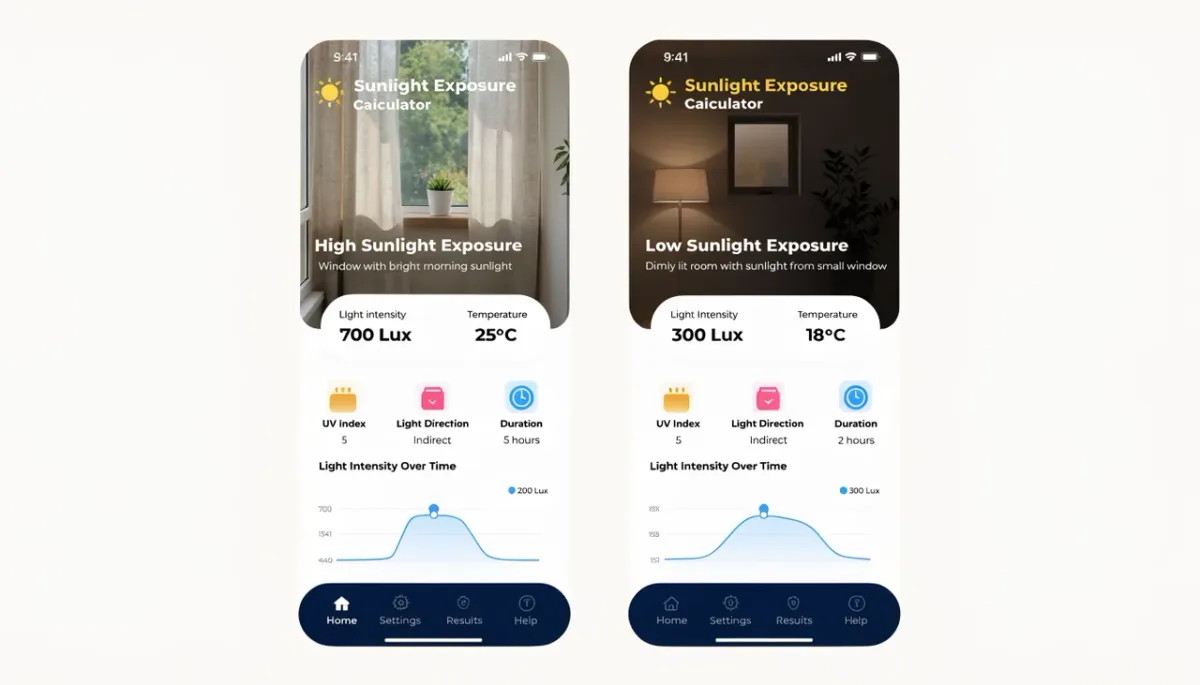
Image source: Bing (Web (fair-use with source credit))
Guessing how much sun your lawn gets is surprisingly unreliable. Our eyes adjust to light levels quickly, and what feels like “full sun” to you might actually be partial shade by turfgrass standards. The only way to know for sure is to measure it.
Here’s the simplest method that doesn’t require any special tools. Pick a clear day during the growing season, ideally in late spring or early summer when the sun is high and trees have fully leafed out. Walk out to the area you’re concerned about at sunrise and note the time.
Check back every hour and mark whether the grass is in full sun, partial shade, or full shade. Do this until sunset.
You’re looking for total hours where the grass receives direct, unobstructed sunlight. If a tree casts a shadow for two hours in the middle of the day, those two hours don’t count toward your total. A yard that’s sunny from 8 AM to 10 AM and again from 3 PM to 6 PM gets 5 hours of direct sun, below the minimum.
For a more precise measurement, a simple sunlight meter or even a smartphone app can help. Apps like Sun Seeker or SunCalc show the sun’s path across your property at any date. They’re not perfect, they can’t account for tree canopy density, but they give you a solid baseline.
One thing most people miss: measure during the right season. Measuring in April when deciduous trees are still bare will overestimate summer sun. The accurate reading comes in June or July when the canopy is fullest.
Also check spots under evergreens like pines or cedars. Those cast shade year-round and are some of the toughest spots for Bermuda grass.
The Decision Tree: What to Do Based on Your Sunlight Hours
Once you know your sun hours, the next step is deciding what to do. Here’s a simple decision tree that covers the most common scenarios.
If your lawn gets 8 or more hours of direct sun:
You’re in the ideal range. Focus on standard Bermuda grass care, proper mowing height, consistent watering, and annual aeration. Your grass should perform well with no light-related issues.
Make sure you’re using an appropriate nitrogen fertilizer during the growing season and mowing at the correct height for your cultivar.
If your lawn gets 6 to 8 hours of direct sun:
This is the borderline zone. Bermuda grass can grow here but may not reach its full density. Prioritize deep, infrequent watering to encourage deep roots, and keep the mowing height at 1 to 1.5 inches to give blades more surface area for photosynthesis.
Consider removing a few lower tree branches to let in more light. This is the range where you’ll notice improvement from aeration since better root access to oxygen helps compensate for the lower light.
If your lawn gets 4 to 6 hours of direct sun:
You’re in risky territory. Bermuda grass will thin out over time, especially in summer heat. You have three options.
Trim or remove trees to increase light, accept a thinner lawn and manage it carefully, or replace the Bermuda grass with a more shade-tolerant species. Zoysia grass handles 4 to 5 hours of sun better than Bermuda. St.
Augustine grass can manage with as little as 3 to 4 hours, though it has its own challenges.
If your lawn gets less than 4 hours of direct sun:
Don’t plant Bermuda grass here. It will fail within one or two growing seasons. Even the most aggressive hybrid cultivars can’t survive on 3 hours of sun.
Your best bet is to either remove the shade source or switch to a cool-season grass like fine fescue or tall fescue, which naturally handle lower light. You can also consider non-turf options like ground covers, mulch beds, or ornamental shade plants.
What Happens If Bermuda Grass Gets Too Little Sun
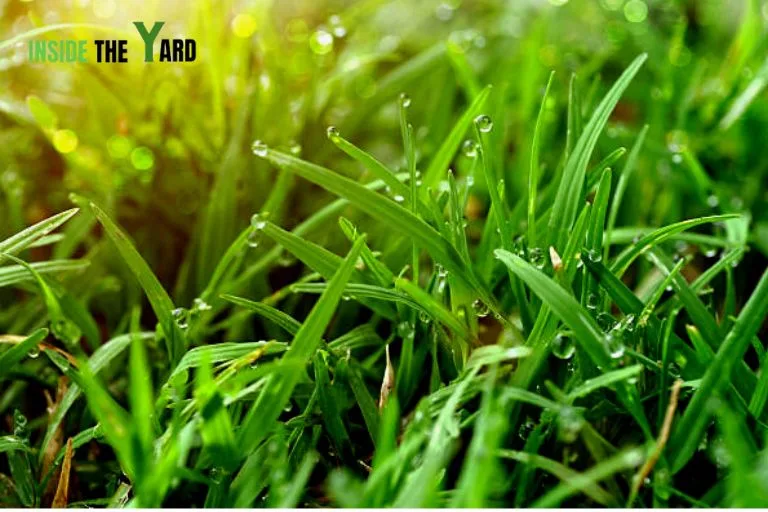
Image source: Web (Bing) / insidetheyard.com
When Bermuda grass doesn’t get enough light, the decline is gradual at first and then accelerates. The first sign is a change in growth habit. Instead of forming a dense, carpet-like mat, the grass grows taller and spindlier.
It’s literally stretching upward trying to reach more light. Blades become narrower and lighter green because chlorophyll production drops.
The second problem is stolon and rhizome dieback. Bermuda grass spreads through above-ground runners (stolons) and underground stems (rhizomes). In low light, the plant allocates energy to survival instead of spreading.
Stolons become thin and brittle. Bare spots appear between the main plants and don’t fill in.
Weed invasion follows quickly. Thinning Bermuda grass can’t compete with broadleaf weeds and annual grasses like crabgrass. Those weeds love the open space and the lower competition.
Before long, what started as a Bermuda lawn becomes a mixed weed patch with a few strands of Bermuda grass struggling underneath.
Fungal diseases also increase in low light. Shaded areas stay damp longer because the sun doesn’t dry the grass quickly after morning dew or irrigation. Extended leaf wetness promotes diseases like large patch, dollar spot, and leaf spot.
This creates a cycle where the grass is already weak from low light and then gets hit by disease on top of it.
Roots are affected too. In full sun, Bermuda grass can send roots 4 to 6 feet deep. In shade, root depth drops dramatically to 6 to 12 inches.
Shallow roots mean the grass can’t access deeper moisture, so it dries out faster and requires more frequent watering, which keeps the leaves wetter and invites more disease. You can see how this snowballs.
Best Alternatives When You Don’t Have Enough Sun
If your yard consistently falls under 6 hours of direct sun, Bermuda grass isn’t the right choice. No amount of fertilizer, extra water, or lower mowing will fix a light deficit. You’ve got better alternatives that will actually thrive.
Zoysia grass handles 4 to 5 hours of direct sun reasonably well. It’s a warm-season grass like Bermuda, but it has better shade tolerance. The trade-off is slower establishment and a longer spring green-up.
It also feels stiffer underfoot. If you’re already aerating Bermuda grass in sunnier parts of the yard, Zoysia can fill the shadier edges without clashing.
St. Augustine grass tolerates as little as 3 to 4 hours of direct sun, especially the newer cultivars like Palmetto or Sapphire. It grows well in the coastal Southeast and Gulf regions.
The downside is higher water needs and sensitivity to traffic. It’s not a good choice for a high-use play area.
Cool-season grasses like tall fescue or fine fescue handle light shade better than any warm-season grass. They stay green through winter and need only 3 to 4 hours of direct sun. Fescue mixtures are common in the transition zone where Bermuda struggles.
Just know they require more consistent watering in summer heat and don’t self-repair like Bermuda.
Non-turf options can save you the headache entirely. Shade beds with mulch, ornamental grasses, ground covers like creeping jenny or mondo grass, or expanded patio areas all eliminate the losing battle with grass. These options need less water and mowing once established.
Expert Tips for Maximizing Sunlight in Your Lawn
You can’t move the sun, but you can sometimes improve how much light reaches your grass. Here are the practical steps that actually work.
Selective tree pruning is the most effective single change. Remove lower branches up to 8 to 10 feet from the ground. This lets morning and early afternoon light hit the turf below.
Don’t top trees or remove more than 25 percent of the canopy in one season. That stresses the tree and invites disease.
Thinning vs. raising the canopy matters. Thinning removes interior branches so dappled light becomes direct. Raising removes only the lowest limbs.
For Bermuda grass, raising the canopy is usually more valuable because it eliminates the low-angle shade that blocks morning sun.
Consider tree removal if a single tree is the main shade source and it’s a low-value species like a silver maple or volunteer sweetgum. The gain in usable lawn area often outweighs the loss. Urban forestry guidelines suggest consulting an arborist before removal, especially if the tree is large or near structures.
Reflective surfaces can help marginally. Light-colored fences, walls, or even gravel paths bounce sunlight onto adjacent grass. White or beige vinyl fences reflect more than wood fences.
The effect is small but measurable, especially in yards with morning sun from the east hitting a west-facing fence.
Mow higher in shady areas. Raise your deck to 2 inches or even 2.5 inches in sections that get less sun. More leaf surface captures more of the available light. This is the opposite of what you do in full sun, but it helps the grass survive.
Reduce foot traffic in the shadiest parts of the lawn. Bermuda grass that’s already stressed from low light can’t recover from wear. Create a stepping stone path if people naturally cross that area.
You can also adjust your watering schedule to match the slower growth. Shaded Bermuda grass uses less water. Watering too frequently leads to disease, as we discussed earlier.
If you’re still managing a mixed situation, follow a regular routine for lawn maintenance across the whole property to keep things consistent.
Frequently Asked Questions About Bermuda Grass Sunlight
Can Bermuda grass grow in full shade?
No. Bermuda grass cannot survive in full shade. It needs at least 6 hours of direct, unfiltered sunlight.
Full shade means less than 2 hours of direct sun. In those conditions, the grass dies back within one season and weeds take over completely.
Will Bermuda grass grow under trees?
It can grow under trees if the canopy is high and open enough to let 6 or more hours of direct sun through. Most dense shade trees block too much light. Consider pruning lower branches or switching to a shade-tolerant grass if the tree canopy is thick.
Does morning sun or afternoon sun matter more for Bermuda grass?
Morning sun matters more. It dries dew and irrigation from the leaf blades quickly, reducing fungal pressure. Afternoon sun is hotter but less critical for disease prevention.
If you only get partial sun, prioritize the side that gets morning light.
Can I use a reflective cover or mirror to increase light for Bermuda grass?
Not effectively. Reflective surfaces only increase light by a small percentage. They don’t replace direct sun hours.
The effort and cost of installing mirrors or reflectors is not worth the minimal gain. Focus on tree pruning or choosing a different grass instead.
How do I know if my Bermuda grass is suffering from lack of sun versus another problem?
Check the pattern. If thinning follows shadows from trees, fences, or buildings, it’s a light issue. If the entire lawn is struggling evenly, suspect soil compaction, improper watering, or low nitrogen.
Also inspect for insect damage like grubs. A sun problem shows up patchy and consistent with shade patterns.
Can I mix shade-tolerant grass seed with Bermuda to fix the problem?
Mixing species usually creates a messy lawn with uneven color, texture, and growth rates. Bermuda is aggressive and overtakes other grasses in sun but fails in shade. The shady parts remain thin either way.
Better to overseed the whole area with a single compatible grass or create separate zones.