How to get rid of Poa Annua in bermuda grass: Smart Fix
If you want to know how to get rid of poa annua in bermuda grass, start by understanding what you’re dealing with. This annual weed shows up like clockwork in late fall and winter, making bright green patches in a lawn that’s supposed to be resting. It seeds fast, dies in spring, and leaves gaps that are perfect for summer weeds.
We dug through university turfgrass research and extension guides to break down what actually works. The key isn’t one magic product. It’s matching your treatment to your Bermuda’s dormancy stage.
As of 2026, the standard advice remains the same: time pre-emergents to soil temperatures around 68 to 70°F, then follow up with targeted post-emergent passes when needed. Get those windows right, and you’ll stop most of the problem before it starts.
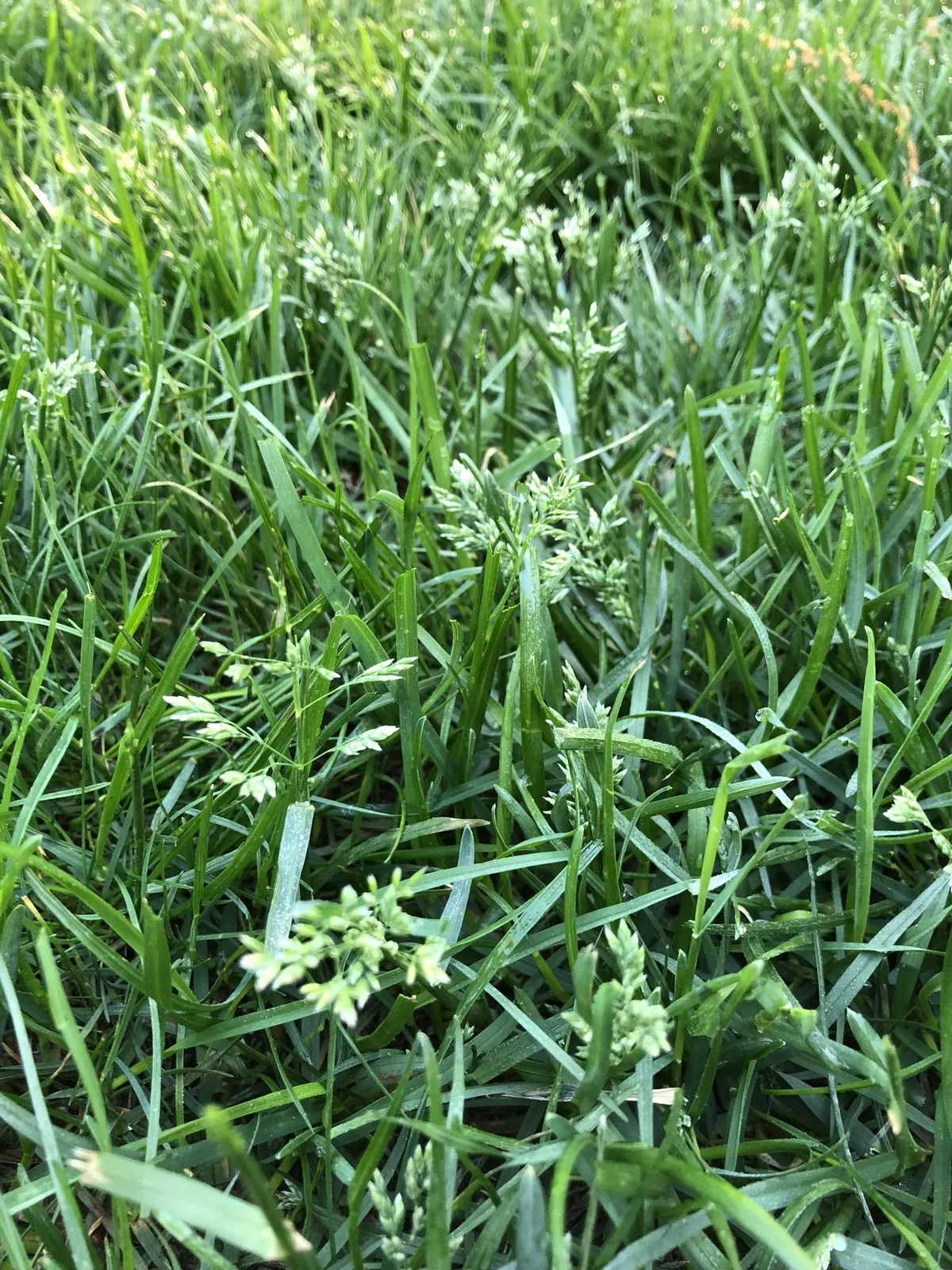
Image source: Web (Bing) / veganipaevaraamat.com (Web image (fair-use with source credit))
Quick Answer
The fastest way to get rid of poa annua in bermuda grass is timing. Apply pre-emergent in late summer and again in fall. For visible patches, spot-treat with post-emergent herbicide.
Only treat when the Bermuda is dormant. Never spray after spring green-up begins.
The Real Problem: Why Poa Annua Is Bermuda’s Worst Nightmare
Poa annua, also called annual bluegrass, acts like a winter freeloader. It germinates in fall, stays green through the cooler months, then dies out in late spring when the weather warms up. For Bermuda owners, that’s a nasty cycle because the weed is most visible when the lawn is least able to recover.
University extension research shows that a single plant can produce thousands of seeds. Those seeds sit in the soil and keep the weed coming back season after season. Mowing doesn’t stop it, because the seedheads sit low.
And by the time most people notice the problem, the weed is already spreading.
Here’s what makes it so destructive to a Bermuda lawn:
- It forms ugly, light-green clumps that stand out against dormant turf.
- It dies off just as Bermuda wakes up, leaving dead, straw-colored patches.
- It competes with your lawn for water and nutrients during the cool season.
- Its seeds can stay viable in soil for years waiting for the right conditions.
That’s why you can’t just pull it and call it done. You need a plan that works with your Bermuda’s growth cycle, not against it.
First, Answer One Question: Is Your Bermuda Dormant or Already Growing?
Before you buy anything, take a hard look at your lawn. The difference between dormant and actively growing Bermuda changes which products are safe and which ones will nuke your turf.
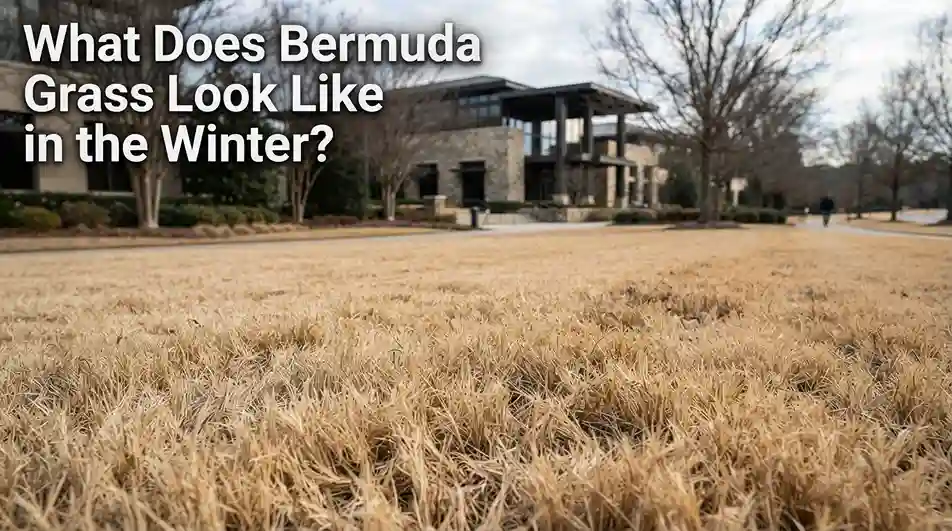
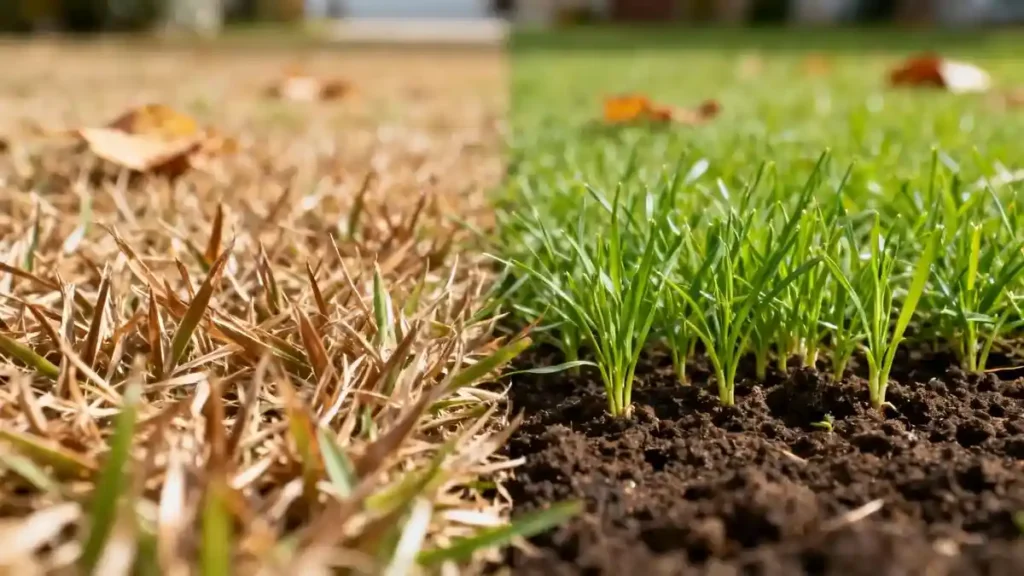
In most transition states, Bermuda goes fully dormant in late fall and stays that way through winter. Dormant Bermuda looks straw-colored, brownish, and frankly kind of dead. It’s not dead, it’s just sleeping.
Poa annua, meanwhile, is bright green, clumpy, and actively growing. That contrast is exactly why people notice it in the first place.
Ask yourself these questions to figure out your stage:
- Is the majority of your lawn tan, brown, or straw-colored? That’s dormant.
- Do you see any new green growth coming up from the crowns? That means it’s waking up.
- Are you mowing every few days because the grass keeps growing? That’s fully active.
- Does the green grass form tight clumps while the rest of your lawn looks flat and brown? That green clump is probably Poa annua.
If you’re still unsure, check out our guide to the winter dormancy look for visual clues. The short version is that Bermuda without any green color is dormant, and that’s the only safe window for some of the strongest control methods.
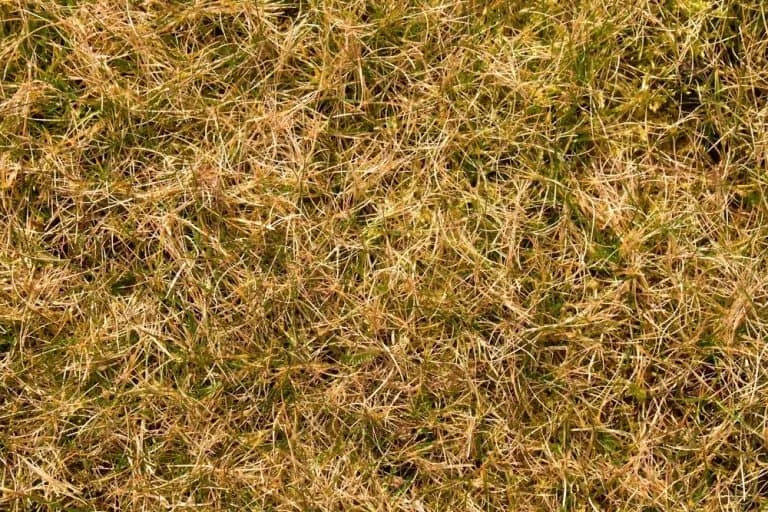
Image source: Web (Bing) / obsessedlawn.com (Web image (fair-use with source credit))
The Decision Tree: Match Your Grass’s Stage to the Right Control
Once you know your Bermuda’s stage, the right path is mostly a matter of if/then logic. There’s no one-size-fits-all spray. Here’s the decision map we recommend, broken down by scenario.
Path 1: Bermuda Is Dormant + Poa Annua Is Not Up Yet
If your Bermuda is fully dormant and you aren’t seeing any Poa, you’re in the prevention window. Apply a granular pre-emergent with prodiamine or dithiopyr before the soil temperature drops below 70°F. Water it in properly.
This creates a chemical barrier that stops Poa seeds from germinating in the first place. It’s the cheapest, easiest way to control the problem.
Path 2: Bermuda Is Dormant + Poa Annua Is Already Visible
Your Bermuda is brown, but the Poa is green and growing. You can spot-treat with a non-selective herbicide like glyphosate, because the dormant Bermuda won’t take it up. Be careful.
Only apply when no green Bermuda is present. Even a few green blades can absorb the spray and die.
Path 3: Bermuda Is Greening Up (The Transition Danger Zone)
This is where most people screw up. Bermuda is starting to show little green shoots, and someone tells you to spray. Don’t.
Non-selective herbicides will kill those new shoots and set your lawn back weeks. Wait until the Bermuda is at least 50 to 75 percent green before making any treatment call.
Path 4: Bermuda Is Fully Active (Spring/Summer)
Once Bermuda is actively growing, you have limited options. Some selective post-emergent herbicides are labeled for annual bluegrass control in Bermuda, but you need to read the label carefully. Products containing sulfentrazone or certain ALS-inhibitors can work, but they’re often more specialty than what a big-box store carries.
Spot-test an inconspicuous area first, and never blanket-spray a good Bermuda lawn with an unlabeled product.
Path 5: Poa Annua Has Taken Over (Time to Bulldoze or Rebuild)
If Poa covers huge sections of the lawn and Bermuda has been choked out, the honest answer is renovation. Wait until late spring when the Poa dies off on its own. Then prep the bare soil and reseed or sod.
In North Carolina, that timing often lines up with the recommended planting window for new Bermuda.
Pre-Emergents for Bermuda the Right Way: Timing, Rates, and the Two-Application Rule
Pre-emergents are your best first line of defense. They don’t kill visible Poa. Instead, they stop seeds from sprouting.
The catch is timing, and your local weather matters more than the calendar.
For most of the transition zone, you want to apply the first pre-emergent in late summer, roughly four to six weeks before your average first frost. That’s usually when soil temperatures start dropping through the 70s in the evening. The second application should come eight to ten weeks later to extend the barrier.
Here’s a quick reference for common active ingredients:
| Active Ingredient | Best Time | Notes |
|---|---|---|
| Prodiamine | Late Aug to early Sep | Long residual. Easy to find in granular form. |
| Dithiopyr | Late Aug to early Sep | Good for early Poa and crabgrass control. |
| Pendimethalin | Late Aug to early Sep | Widely available. Needs water to activate. |
Follow the label rates for your turf type. Don’t guess, don’t double up, and don’t apply to frozen or snow-covered ground. You also want to water the lawn lightly after application so the chemical reaches the soil.
This ties into a solid year-round maintenance routine for Bermuda. A healthy, dense lawn naturally blocks weed seeds from finding a spot to grow.
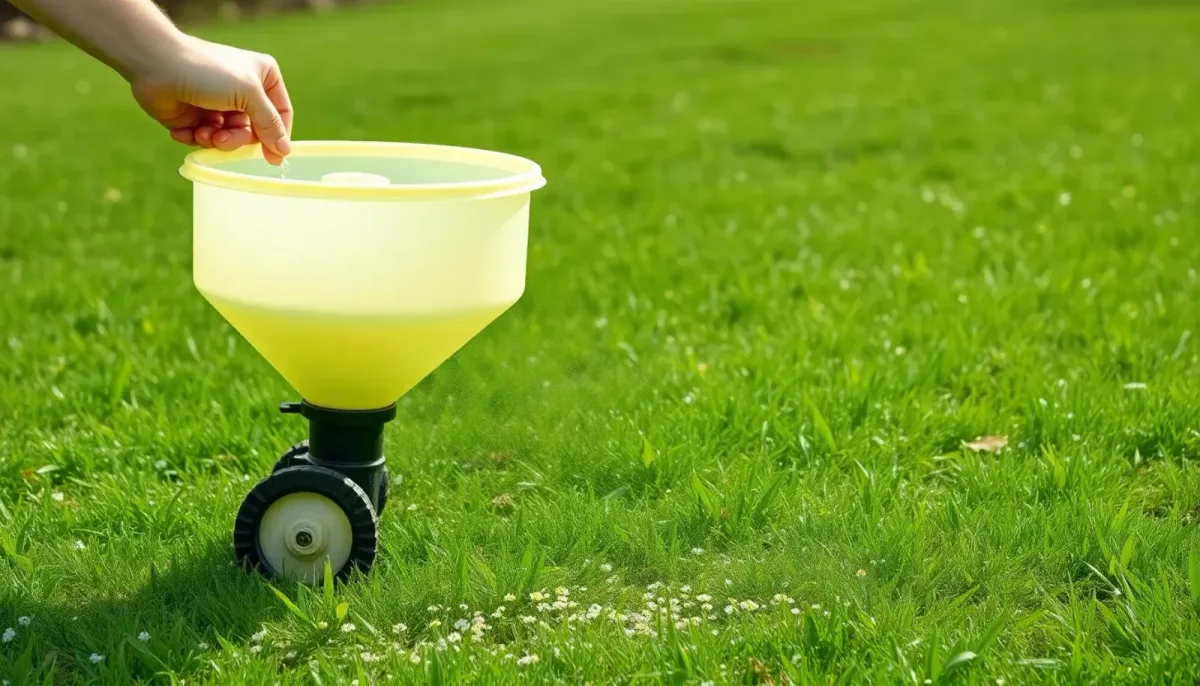
Image source: Bing (Web (fair-use with source credit))
Post-Emergents That Target Annua Without Harming the Grass: What to Look For
If Poa is already visible, a pre-emergent won’t help you this season. You need a post-emergent. But here’s the tricky part: most broad-spectrum killers will also damage Bermuda.
The safest approach is to use a non-selective herbicide only on fully dormant Bermuda. Glyphosate spot treatments work well when the lawn is completely brown. Just make sure there’s no green Bermuda nearby.
One drift from the sprayer can leave a dead patch for months.
Once the lawn is actively green, you need a selective product that lists Bermuda as a safe turf type and annual bluegrass as a target weed. Look for active ingredients like foramsulfuron, trifloxysulfuron, or sulfentrazone in the fine print. These are more common in commercial products than consumer spray bottles, so check your local landscape supplier.
A few rules to keep your lawn safe:
- Read the label twice. If Bermuda isn’t listed as safe, don’t use it.
- Spray when Poa is small. Young weeds die faster than mature clumps.
- Avoid spraying when temperatures are below 50°F. The herbicide won’t work.
- Don’t mow for 24 to 48 hours before and after treatment.
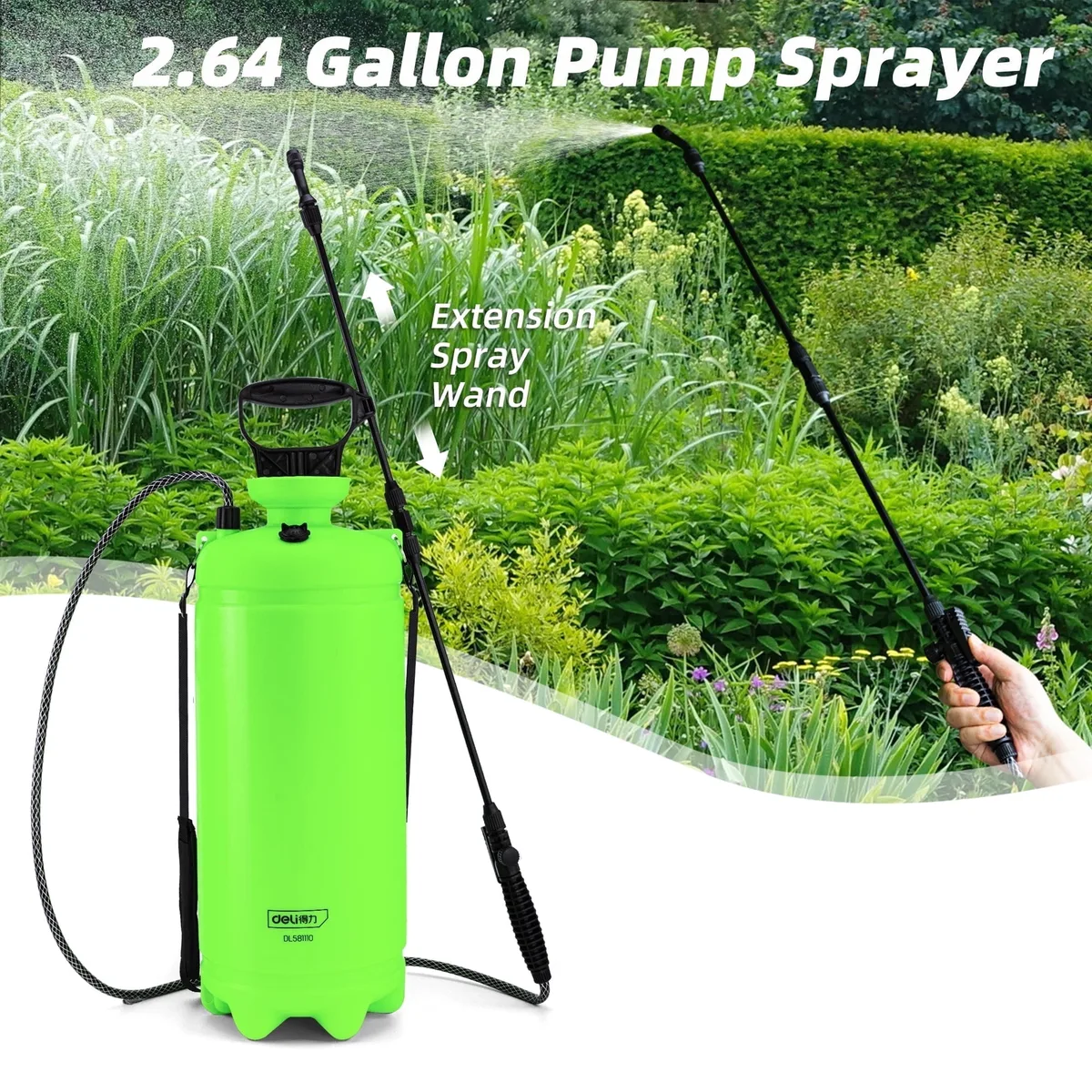
Image source: Bing (Web (fair-use with source credit))
Cultural Control: The Step-by-Step Guide to Making Your Lawn Unfriendly to Poa Annua
Poa annua loves thin, weak turf. A dense Bermuda lawn is its worst enemy. So your first line of defense is making the grass so crowded that weed seeds never get a place to land.
Here’s the cultural playbook that university turf programs keep coming back to. It works because it targets the conditions Poa needs, not just the weed itself.
- Mow higher in fall. Keep the leaf blade at 1.5 to 2 inches through September and October.
- Avoid heavy nitrogen in late fall. Poa thrives on fast-release nitrogen. Your Bermuda isn’t using it.
- Water deeply but rarely. Poa seeds germinate best with frequent, shallow irrigation.
- Core aerate in early fall. That relieves compaction and helps your Bermuda fill in gaps.
- Don’t overseed with ryegrass. You’ll just fill your lawn with another winter annual that competes with Bermuda.
One more tip. Collect your clippings during the Poa seed-head peak. A single pass over a seeded Poa patch can scatter hundreds of viable seeds.
Bagging in early spring cuts down next year’s seed bank.
Spot Treatment vs. Full Spray: When to Treat the Patch and When to Treat the Whole Yard
Here’s the decision rule we recommend: if Poa covers less than 10 percent of your lawn, spot-treat the patches. If it’s creeping past that, a broadcast application becomes more practical.
Spot treating is simple. Mix a labeled post-emergent or non-selective herbicide, spray the green clumps, and skip the healthy turf. For dormant Bermuda, a pump sprayer with glyphosate works well as long as you stay off the green blades.
Full-spray situations are different. You’re treating the whole lawn, so product choice matters a lot more. A selective product that’s safe on Bermuda is your only option once the lawn is awake.
Read the label carefully and don’t guess.
Also consider the cost side. Spot treating uses less product and less time. Broadcasting a pre-emergent over the entire lawn is more expensive, but it doubles as prevention for crabgrass and other summer weeds.
The Biggest Mistakes That Cause the Negative Round and How to Avoid
Most people fighting Poa annua make the same errors year after year. Here are the most common mistakes to avoid.
| Mistake | Why It Fails | The Fix |
|---|---|---|
| Spraying too early in fall | Poa seeds haven’t germinated yet | Wait for soil temps below 70°F |
| Skipping the second pre-emergent | The first barrier breaks down | Apply again 8 to 10 weeks later |
| Spraying green Bermuda with non-selective | You kill the lawn along with the weed | Only use on fully dormant turf |
| Mowing too short in fall | Sunlight reaches Poa seeds and triggers germination | Keep height at 1.5 inches minimum |
| Watering lightly every day | Topsoil stays moist, perfect for Poa | Water deeply once or twice a week |
The most expensive mistake is treating an actively growing Bermuda lawn with the wrong product. You can lose hundreds of dollars in turf in one afternoon. Always check the product label against your turf type first, and review the EPA-registered label for use restrictions before you mix anything.
Prevention Calendar: A Season-by-Season Plan from Late Summer to Spring
We won’t sugarcoat it. Prevention is a year-round project. But once it’s in rhythm, it takes less effort each season.
| Season | Timing | What You Do |
|---|---|---|
| Late summer | 4 to 6 weeks before first frost | Apply first pre-emergent with prodiamine or dithiopyr |
| Early fall | 8 to 10 weeks later | Apply second pre-emergent application |
| Late fall | After Bermuda goes dormant | Spot treat visible Poa with glyphosate if needed |
| Winter | On warm, dry days | Monitor, pull odd plants, and avoid foot traffic on wet soil |
| Early spring | Before Bermuda greens up | Keep an eye out for new Poa patches; treat only while dormant |
| Late spring | After Poa dies off | Overseed or fill bare spots so Bermuda regrows densely |
If you live in the transition zone, your local cooperative extension can tweak these dates. Check with the USDA’s extension directory for contact info. They have state-specific soil temperature data that the calendar can’t give you.
Renovation: When Poa Has Gone Mad and the Only Way Is a Rebuild
Sometimes the fight isn’t worth it. If Poa covers more than half the lawn, and Bermuda has been choked into isolated islands, renovation is the honest answer.
Start in late spring. The Poa will be dying off naturally as the air warms. Wait until most of it has browned out, then scalp the whole lawn down to 0.5 inches.
Remove the debris and rent a core aerator to loosen the soil.
Next, level and prep the surface. You’ll need to kill any lingering Bermuda edges or you’ve done nothing. Then reseed with a high-quality Bermuda variety or lay fresh sod.
Water lightly and often until it establishes.
After the new lawn is in, hit it with a pre-emergent in the fall. That’s the same step we covered earlier, but this time you start clean. It’s more effort than a simple spray, but it’s the only way to reset a lawn that’s completely lost to annual bluegrass.
For the best regional timing on a rebuild, check the recommended planting windows for your area before you start digging. And once it’s established, keep up with a steady bermuda care routine so Poa never gets a foothold again.
The Final Decision Guide: Where to Start
Here’s a quick reference to help you choose the right approach:
| Your Situation | Your First Move | Your Second Move |
|---|---|---|
| Bermuda dormant, no Poa visible | Apply first pre-emergent before soil temps drop below 70°F | Apply second treatment 8 to 10 weeks later |
| Bermuda dormant, Poa patches visible | Spot-spray patches with glyphosate | Avoid spraying any green Bermuda blades |
| Bermuda greening up | Stop spraying entirely | Wait for at least 50 to 75 percent green coverage before treating |
| Bermuda fully active | Use a selective product safe on Bermuda | Spot-tips only, never blanket-spray |
| Poa has taken over | Plan a renovation for late spring | Scalp, re-level, reseed, and start fresh |
The general principle is the same every time: match the treatment to the turf’s stage. Get that right and you’ll eliminate most of the guesswork, not to mention a whole lot of dead Bermuda.
Frequently Asked Questions
Will vinegar kill Poa annua in Bermuda grass?
Not reliably. Vinegar is a non-selective contact killer that will burn the leaves of both the grass and the weed. It doesn’t kill the plant underground, so Poa regrows quickly.
For any persistent result, you need a residual pre-emergent or a spot treatment with a real herbicide.
How long does it take for pre-emergent to stop annual bluegrass?
Applied at the right soil temperature, granular pre-emergents like prodiamine create a barrier within a few days. You’ll still see weeds that have already germinated. New weeds stop emerging within 1 to 2 weeks.
For full protection, reapply as the product’s label indicates, usually 8 to 10 weeks later.
Is tenacity or Mesotrichane effective for annual bluegrass in Bermuda?
Some selective products containing mesotrione or topramezone are labeled for annual bluegrass in established Bermuda. They can be extremely effective, but they also have a bleaching effect on the turf itself. Read the target weed list on your product label and meet the rate and timing specification to reduce the risk of turf injury.
Can I pull annual bluegrass by hand?
You can pull it, sure. But you have to get the entire root system or it regrows, and Poa seeds have often already scattered when the plant is visible. Hand-pulling that helps very light, isolated patches.
For anything larger, use a herbicide or step up your culture.
When should I do the last fall pre-emergent application?
Your second rate should be applied when your first pre-emergent is running out, typically 8 to 10 weeks after the first, which usually pumps you into early November in the transition zone. That timing keeps a solid an-it into late winter. It also catches a second flush of Poa germination if your fall sees temperatures fluctuate.
What happens if I miss the pre-emergent window?
You’ll almost certainly see Pea Annua germinate. That’s not the end of the world. You can spot-treat while the Bermuda stays dormant, and if the season ends without a full infestation, you can always start your prevention routine in late summer to catch it next year.
Is it safe to apply che, if on mature, turfs in fall?
Not exactly. Fall is when the Bermuda is actively storing energy for the winter, and applying a late dose keeps you green and does nothing for Bermuda. Additionally, late-season nitrogen actually encourages Poa to compete.
Use a low-nitrogen, high-potassium fertilizer the fall, and skip the high-nitrogen feed until spring green-up.
If I have Guilf. Poa in winter, should I water when the frost is on?
No. Avoid walking on verdant Bermuda. It will crushes the crown and create bare spots.
Wait until midday when the grass has dried, and don’t water, because Poa loves moist surface conditions during the cold months.