What Is a Zero Turn Lawn Mower? My Ultimate Breakdown
Watching a landscaping crew mow is almost hypnotic. The mower zips down a straight stripe, stops at the end, pivots on the spot, and heads back down the next row without a single wasted motion. That machine is a zero turn lawn mower, and it is the reason professional crews finish large properties so quickly.
Zero turn mowers are no longer just for pros. They have become a popular upgrade for homeowners with an acre or more of grass. They are faster, more maneuverable, and more precise than traditional lawn tractors. But they also cost more, handle hills differently, and take a little practice to drive.
If you are trying to decide whether one belongs in your garage, this guide covers what they are, how they work, what they cost, and where they fall short.

Quick Answer: What Is a Zero Turn Lawn Mower
A zero turn lawn mower is a riding mower with a true zero-degree turning radius. Instead of a steering wheel, it uses two lap bars to control the rear wheels independently. Push both forward to go straight, pull both back to reverse, and move one lever ahead of the other to turn.
Because the rear wheels can spin in opposite directions, the mower can pivot in place around trees, flower beds, and fence posts. That design is what makes zero turns so much faster than traditional lawn tractors.
What Makes a Zero Turn Mower Different?
At first glance, a zero turn looks like a regular riding mower. The difference is underneath and in your hands.
Traditional lawn tractors steer with the front wheels, like a car. A zero turn has no front steering axle. The front wheels are small, unpowered casters that swivel freely. Steering is controlled entirely by the two rear wheels, each driven by its own hydrostatic transmission.
Here are the parts that make the design work:
| Component | What It Does |
|---|---|
| Lap bars | Two levers in front of the seat that act as both steering wheel and throttle |
| Independent rear-wheel drives | Separate hydrostatic transmissions let each rear wheel move at a different speed or direction |
| Caster front wheels | Free-swiveling front tires that carry weight but do not steer |
| Mid-mount deck | Cutting deck sits under the center of the machine for balance and visibility |
Understanding these parts helps explain why a zero turn feels so different from a tractor. You are not steering the front wheels. You are controlling the speed of each rear wheel.
How a Zero Turn Mower Works
Zero turns use hydrostatic transmissions, which transfer power with hydraulic fluid rather than gears. Each rear wheel has its own transmission, so the left and right wheels can move at completely different speeds.
To drive a zero turn:
- Push both lap bars forward to go straight.
- Pull both back to reverse.
- Push the right bar forward more than the left to turn left.
- Push the left bar forward more than the right to turn right.
The controls take a few minutes to feel natural. New drivers often overcorrect at first, but most people pick it up within a single mowing session.
The Zero-Degree Turn
The signature move is the zero-degree turn. Pull one lap bar back while pushing the other forward. The rear wheels spin in opposite directions, and the mower rotates around its center point.
That lets you turn around at the end of a row without backing up or making a three-point turn. It is the main reason zero turns save so much time on obstacle-filled lawns.
Gas vs. Battery Power
Zero turns used to be gas-only, but battery-powered models have become a serious option. Today’s battery zero turns run quietly, eliminate oil changes, and remove the need to store fuel. They still cost more upfront, and run time can be a concern on very large properties.
If you mow two acres or less, a modern battery model may be worth considering. If you mow commercially or need to run for hours, gas is still the more practical choice.
Why Choose a Zero Turn? Key Benefits
Zero turns are not just faster. They change how you approach the lawn.
Speed and Time Savings
Residential zero turns typically have top speeds around 7 mph, and commercial models can go faster. More importantly, you do not lose time turning around. On a tractor, you slow down, swing wide, and reposition. On a zero turn, you pivot at the end of the stripe and keep going.
In practice, many owners find they finish in about half the time. The savings are biggest on lawns with lots of trees, beds, and other obstacles.
Maneuverability and Visibility
Because the deck sits under the operator and the front of the machine is open, you can see exactly where the cutting edge is. You can pull up close to flower beds, trees, and fences without hopping off with a string trimmer.
This is the feature homeowners notice immediately. It makes mowing feel precise instead of approximate.
Less String Trimming
With a tractor, you often leave strips of grass along beds and fences. With a zero turn, you can cut those areas directly. That means less string trimming and a cleaner finish.
A zero turn does not automatically cut better than a tractor. But because it is easier to overlap and maneuver, the finished lawn usually looks more uniform.
Zero Turn vs. Lawn Tractor: Which Is Right for You?
Choosing between a zero turn and a lawn tractor depends on your property and what else you need the machine to do.
| Feature | Zero Turn | Lawn Tractor |
|---|---|---|
| Turning radius | Zero | Wide |
| Top speed | Faster | Slower |
| Hills | Poor on steep slopes | Better on moderate slopes |
| Towing | Light carts only | Can pull heavier attachments |
| Price | Higher | Lower |
| Learning curve | Short but real | Familiar |
Zero turns excel at mowing. Lawn tractors are more versatile. If you need to plow snow, pull a cart, or mow a steep hillside, a tractor may be the better choice. If your priority is cutting time and precision, a zero turn wins.
Stand-on mowers and wide-area walk-behinds are also worth knowing about. They are popular with commercial crews and on terrain where a zero turn struggles.
Limitations and Safety Considerations
Zero turns have real limitations, and ignoring them can damage your lawn or put you at risk.
Steep Slopes
Zero turns rely on rear-wheel traction for both steering and braking. On a steep slope, the front end can become light, and the rear tires can lose grip. If that happens, you lose control.
A good rule is to avoid slopes steeper than 15 degrees. Most manufacturers design zero turns around voluntary safety standards from the American National Standards Institute, and those standards include slope-operation warnings. If your property is mostly hillside, a zero turn is the wrong tool.
Turf Damage
A common mistake is spinning the mower in place on soft grass. The inside rear tire can dig a divot, especially when the ground is wet.
To avoid this, keep the mower moving during turns. Instead of a full stop, make a teardrop-shaped turn that keeps the inside tire rolling.
Cost and Attachments
Zero turns cost more than tractors, and they are not built for ground-engaging attachments. You can pull a lightweight cart or spreader, but you should not pull a tiller or plow. If you need a do-everything machine, a tractor is more flexible.
How to Choose the Right Zero Turn Mower
Before you buy, work through these steps.
Measure Your Property and Gates
Know your acreage and the width of every gate, fence opening, and storage door. Deck size matters, but it has to fit where you store it. A 60-inch deck is useless if it will not fit through your side gate.
Match Deck Size to Acreage
- Under 1 acre: a 42–48 inch deck is usually enough
- 1–2 acres: 48–54 inches
- 2–5 acres: 54–60 inches
- 5+ acres or commercial: 60–72 inches
These are general guidelines, not rules. Yards with many obstacles benefit from a slightly smaller deck, while wide-open properties can handle a larger one.
Choose the Right Tier
Entry-level residential models are fine for flat, open lawns. Prosumer models have stronger frames and fabricated decks for rougher terrain. Commercial models are built for daily use and larger crews.
Consider Terrain and Grass Type
Flat, open properties are ideal for a zero turn. If you have uneven ground, look for a model with a fabricated deck and a stronger transmission.
Your grass type also affects mowing height and frequency. If you grow Bermuda, follow the right mowing height for your grass type. Mowing too low stresses the turf and invites weeds.
Test Drive Before You Buy
Lap bars feel strange for the first few minutes. Test-drive a model before spending thousands. Try turning, reversing, and stopping. The controls should feel smooth and comfortable.
Budget for More Than the Machine
Remember to include delivery, a cover, blade sharpening, and maintenance supplies. A zero turn is an investment, not just a purchase.
If your lawn is thin and patchy, a faster mower will not fix it. Start with a proper overseeding plan so the new machine has healthy grass to cut.
Common Mistakes New Owners Make
Even experienced mowers make these errors when they switch to a zero turn.
- Gripping the lap bars too tightly, which causes jerky steering
- Making zero-degree turns on wet grass, which tears the turf
- Mowing too fast on uneven ground, which scalps high spots
- Forgetting to check tire pressure, which ruins the cut level
- Buying too much machine for the size of the yard
The best way to avoid these mistakes is to start slow. Take the first mow at a moderate speed, practice turning in an open area, and learn how the mower responds before you try to set a speed record.
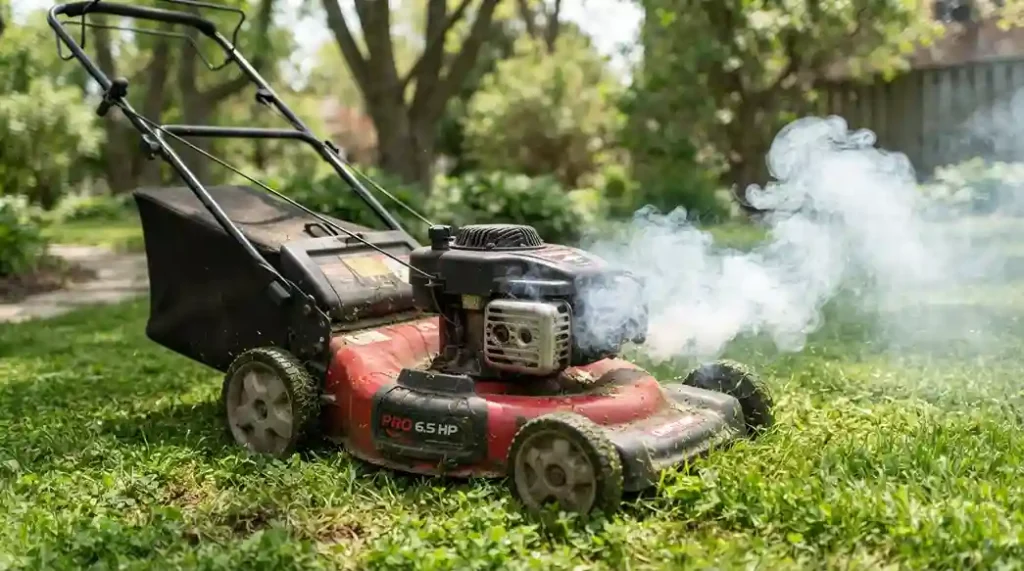
You might find this helpful: Why Is My Lawn Mower Smoking
Maintenance and Longevity
Zero turns last a long time when maintained. Neglect them, and repairs get expensive.
Before Every Mow
- Check tire pressure
- Look for debris under the deck
- Make sure the blades are secure
Every 20–25 Hours
- Clean the underside of the deck
- Sharpen or replace the blades
- Check belts and pulleys
Every Season
- Change the oil and filters
- Replace the air filter
- Check the battery
- Use the right fuel for your engine and store the mower with a full tank
Newer gas models also have to meet EPA emissions standards, which is why fuel-injected engines are becoming common. They start more reliably and run cleaner than older carbureted engines.
Transmissions
Hydrostatic transmissions are the heart of a zero turn. Some entry-level models have sealed transmissions that do not require fluid changes. Higher-end models have serviceable transmissions that need fresh hydraulic fluid and filters at the intervals listed in your manual.
Check the manual and stick to it. Skipping transmission service is one of the fastest ways to shorten the life of a zero turn.
A well-maintained residential zero turn can last a typical homeowner well over a decade. The key is consistent upkeep.
Keeping the Lawn Healthy Around the Mower
A zero turn makes mowing faster, but it does not replace basic lawn care. The machine is only one part of a healthy yard.
If your lawn feels spongy, schedule time for removing built-up thatch before you invest in new equipment. Thatch blocks water and nutrients from reaching the soil.
Mowing at the right time also protects the lawn. Cutting wet or heat-stressed grass can leave ruts and ragged tips. Check the best time of day before you head out.
If you maintain a warm-season lawn, keeping Bermuda grass healthy is just as important as the machine you cut it with. A good mower and a good lawn care routine work together.
Even the best mower will not fix pet damage. Set aside time for repairing urine burn patches before they spread across the yard.
Frequently Asked Questions
How much does a zero turn lawn mower cost?
Entry-level residential models typically start around $3,000 to $4,000. Prosumer models range from $5,000 to $8,000, and commercial machines can cost $10,000 or more depending on deck size and engine. Battery-powered models usually carry a higher upfront price.
Do zero turn mowers have brakes?
Most zero turns do not have a traditional foot brake pedal. Braking is done through the transmissions. Pulling the lap bars back to neutral stops the mower. They do have a parking brake to lock the wheels when the machine is off.
Are zero turns dangerous on hills?
They can be. Because the front caster wheels do not steer or brake, gravity can pull the heavy front end down a steep hill. If the rear tires lose traction, you lose all ability to steer or stop. Avoid slopes steeper than 15 degrees.
How long does a zero turn last?
A well-maintained residential zero turn can last a typical homeowner well over a decade. Commercial models used every day need more frequent service but are built to handle the workload.
Can I pull a cart with a zero turn?
Yes. Most residential and prosumer zero turns have a rear hitch for a lightweight dump cart, spreader, or aerator. Avoid pulling ground-engaging attachments like heavy tillers or box scrapers, because they put too much strain on the transmissions.
Are battery-powered zero turns worth it?
For homeowners with smaller properties, yes. They are quiet, low-maintenance, and increasingly powerful. If you need to mow for hours at a time or run a commercial business, gas is still the more practical option.
Final Thoughts
Upgrading to a zero turn lawn mower is one of the most impactful changes you can make to your property maintenance routine. They are fast, highly maneuverable, and genuinely fun to drive once you get past the initial learning curve.
If you have an acre or more of relatively flat land and you are tired of spending your whole Saturday on a slow-moving tractor, a zero turn is worth the investment. Just choose the right deck size for your gates, respect the limitations on hills, and keep up with regular maintenance.
If you are ready to get your weekends back, measure your yard, set a budget, and test-drive a zero turn at a local dealer before you buy. Your future self will appreciate the extra hours.