

You look at your Bermuda grass lawn and you know it needs something. But when you stand in the lawn care aisle, the wall of fertilizer bags makes your eyes glaze over. The real question, the one that actually matters, is exactly what type of fertilizer for bermuda grass you should throw down.
As of 2026, the honest answer is still: it depends on the season, your soil, and how established your turf is.
Bermuda grass is a hungry warm-season grass. It typically needs 2 to 4 pounds of actual nitrogen per 1,000 square feet across the growing season. That’s more than fescue or ryegrass, and it only feeds while soil temperatures stay above 65 degrees.
So before you grab any bag off the shelf, you need a plan. Here’s the process, step by step.
Image source: Web (Bing) / agricarehub.com (Web image (fair-use with source credit))
Quick Answer
Use a complete granular fertilizer with high nitrogen and moderate potassium. A 16-4-8 or 15-0-15 works well for established grass. Apply 1 pound of actual nitrogen per 1,000 square feet every 4 to 6 weeks.
Water it in afterward.
Skip the phosphorus unless a soil test says you need it. And never feed dormant brown grass. If your Bermuda lawn is still tan and sleeping, the fertilizer just sits there and washes away.
Why Bermuda Grass Is Different From Cool-Season Lawns
Bermuda grass is not fescue. It’s not ryegrass either. Those are cool-season grasses that grow in spring and fall and go semi-dormant in summer.
Bermuda does the opposite. It wakes up late in spring, hits its stride in the heat of July, and fades out when nights turn cool.
That difference drives everything about fertilization. Cool-season lawns get fed in March, October, and maybe November. Bermuda gets fed only after it’s actively growing, which usually means late April through August, depending on where you live.
If you treat Bermuda like a cool-season lawn, you’ll end up feeding grass that can’t use the nutrients yet, which often feeds weeds instead.
Warm-season grass also wants more nitrogen. That’s why you see fertilizer bags labeled “Southern Lawn Food” or “Bermuda Food” with a heavy number on the front. Nitrogen drives leaf growth and that deep green color you’re chasing.
Potassium supports the root system and helps the grass handle heat. Phosphorus? Most established lawns don’t need it, but we’ll get to that in a minute.
In our research, the biggest mistake homeowners make is using a “Winterizer” formula on Bermuda in November. That product is designed for fescue and bluegrass. On Bermuda, it can delay dormancy and increase the risk of winter damage.
So when you buy fertilizer, ignore the marketing on the front and read the numbers on the back.
Start Here: Test Your Soil Before You Spend a Dime
You can guess your soil’s needs. Or you can spend $15 and know. A soil test tells you the pH, the phosphorus level, and the potassium level, which means you stop buying fertilizer blind.
Bermuda grass prefers a soil pH between 6.0 and 7.0. If your pH is below 5.5, the grass can’t access nutrients even if they’re sitting right there. If it’s above 7.5, certain micronutrients like iron get locked up.
A simple test from your local extension office will tell you exactly where you stand.
Most state university extensions offer soil testing for a small fee. They mail you a tiny bag, you scoop up soil from a few spots in the yard, and you send it off. In our research, that’s the single most valuable step for any lawn, and it’s the one most people skip.
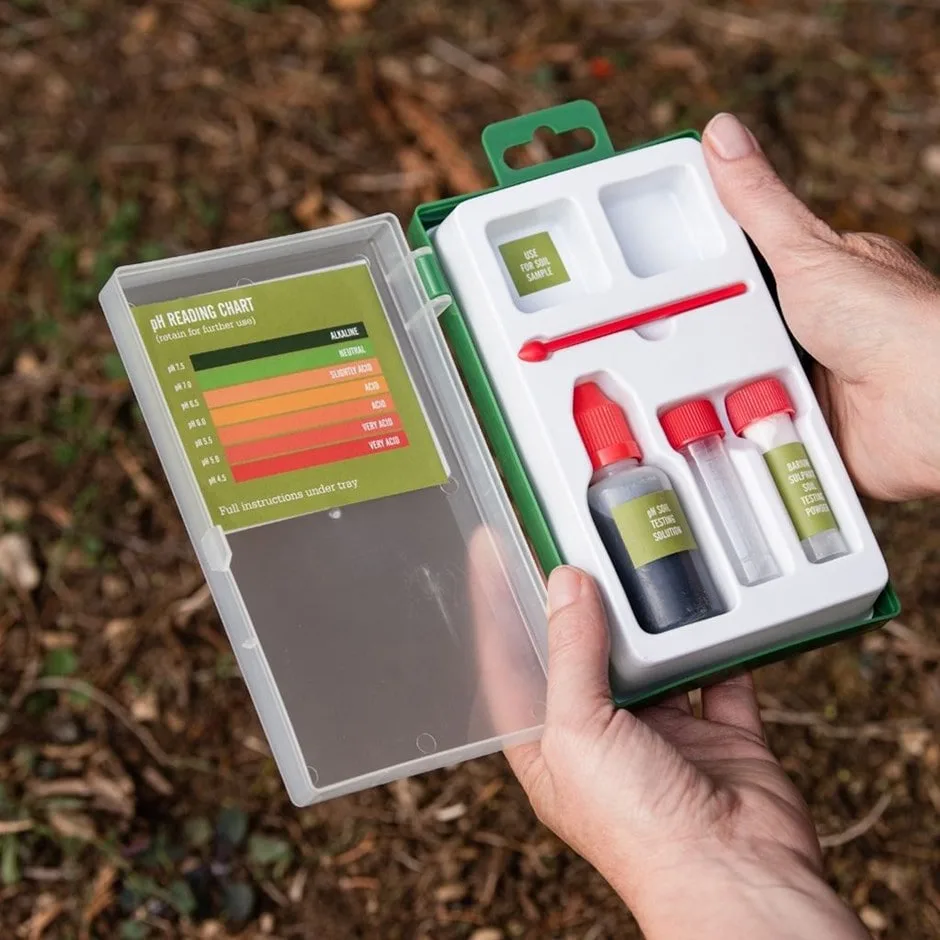
Image source: Web (Bing) / rhs.crocdn.co.uk (Web image (fair-use with source credit))
If the test comes back high in phosphorus, look for a fertilizer with a middle number of zero, like 16-0-8 or 15-0-15. Many states have phosphorus restrictions for established lawns anyway, because excess phosphorus runs off into waterways. Checking with your state extension office can save you from buying the wrong product and breaking local rules.
How to Read the N-P-K Numbers on a Fertilizer Bag
Every fertilizer bag has three numbers, like 16-4-8. Those stand for nitrogen, phosphorus, and potassium, in that order. This is the analysis, and it’s not a brand preference.
It’s the actual percentage of each nutrient by weight.
A 50-pound bag of 16-4-8 contains 8 pounds of nitrogen, 2 pounds of phosphate, and 4 pounds of potash. The rest is filler, coatings, or carrier material. So a 10-10-10 bag and a 16-4-8 bag are not the same thing, even if they’re the same size.
For Bermuda grass, nitrogen is the workhorse. It’s the nutrient that makes the grass spread, thicken, and turn dark green. Slow-release nitrogen is usually listed as water-soluble nitrogen or polymer-coated urea.
Fast-release nitrogen shows up as ammonium sulfate or urea, and it works quickly but can burn the lawn if you overdo it.
Phosphorus is the middle number. Seedlings and freshly laid sod want it for root growth. Established Bermuda grass usually doesn’t.
If your soil test shows adequate phosphorus, choose a bag with a middle number near zero.
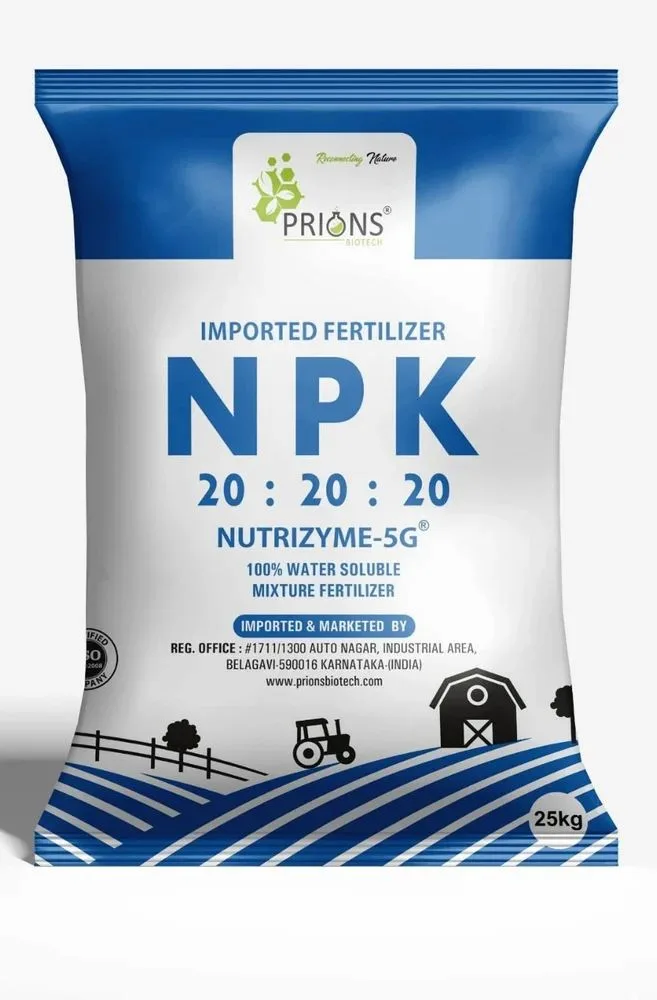
Image source: Web (Bing) / indiamart.com (Web image (fair-use with source credit))
Potassium, the last number, matters for drought tolerance and disease resistance. A fertilizer with higher potassium, like a 15-0-15, is a solid choice for summer when heat and traffic stress the grass. If you see a product with a high middle number, set it back on the shelf unless you’re working with new turf or a soil test says otherwise.
Decision Branch 1: New Sod, Seeded Lawn, or Established Grass?
The age of your Bermuda lawn changes the fertilizer formula and the application rate. So let’s split this into three paths.
New Sod or Sprigs
Newly laid sod has limited root systems. It needs phosphorus to establish, but it also needs gentle treatment. A starter fertilizer like 10-20-10 or 6-20-20 gets those roots growing downward.
Apply about 0.5 pound of nitrogen per 1,000 square feet, then water it in lightly.
Wait two to three weeks after installation before the first feeding. The sod needs time to knit into the soil. After that first establishment feeding, switch to a standard maintenance fertilizer.
For a guide on the full process, our article on keeping your Bermuda lawn healthy walks through the rest of the season.
Seeded Bermuda
Bermuda seed is tiny and needs consistent moisture to germinate. A starter fertilizer with phosphorus helps seedlings push roots before the top growth takes off. Use the same starter numbers you’d use for sod, but cut the rate in half.
Too much nitrogen on young seedlings can burn the tender tissue.
The bigger challenge with seeded Bermuda is timing. It takes 10 to 20 days for the seed to sprout, and the lawn isn’t truly established until it fills in. During that window, avoid any weed-and-feed product.
The pre-emergent herbicide in those bags will kill the seed before it ever comes up. Check the planting window for Bermuda sod if you’re unsure about your region’s timing.
Established Bermuda
Once your lawn is over a year old and fills in without bare patches, it’s in maintenance mode. That’s when you stick with a high-nitrogen, low-phosphorus product. A 16-4-8 or 15-0-15 is perfect.
Feed it 1 pound of actual nitrogen per 1,000 square feet every 4 to 6 weeks during the active growing season.
Skip the phosphorus unless a soil test says it’s low. Many cities and counties in places like Florida and Maryland now limit phosphorus on established lawns. You’ll see signs at garden centers telling you to look for a zero in the middle.
That’s not just marketing, it’s a real regulation in some areas.
Decision Branch 2: What’s the Season Right Now?
Bermuda grass fertilization is seasonal. If you hit the wrong window, you waste money and set the lawn up for problems. Here’s the if/then logic for each season.
Spring Green-Up
Your Bermuda grass will start showing green patches when soil temperatures hit about 65 degrees. That’s usually mid-April to early May in the South, and later in the transition zone. When you see about 50 percent green-up, it’s time for the first feeding of the year.
Use a product with about 1 pound of nitrogen per 1,000 square feet. If you have persistent weed pressure in spring, a weed-and-feed product can work here, but only if you’re not seeding. The pre-emergent ingredient prevents seeds, including Bermuda seed, from germinating.
Peak Summer Growth
Late May through August is when Bermuda grows fast and thick. It’s also when the lawn is most responsive to nitrogen. Feed every 4 to 6 weeks with a high-nitrogen blend.
In extreme heat, switch to a slow-release nitrogen source. It feeds steadily without causing a sudden growth surge that requires mowing every three days.
Soil moisture matters too. Don’t apply fertilizer right before a heavy rain, because the runoff takes the nitrogen with it. And don’t fertilize during a drought.
The grass can’t absorb the nutrients without water, so you end up scorching the soil instead of feeding the lawn.
Fall and the “Winterizer” Question
Here’s where most people go wrong. Bermuda grass starts slowing down in September and goes fully dormant after the first hard frost. That means your lawn is not looking for nutrition.
Applying a winterizer fertilizer in October or November is counterproductive.
Some southern retailers still sell winterizer blends for warm-season lawns. The idea is to boost potassium for winter hardiness. But research shows that late nitrogen application on dormant Bermuda can cause cold injury and encourage fungal disease.
If you want to help the lawn before dormancy, make your last application in late August or early September, and keep the rate low. You can also check our notes on what your lawn looks like during dormancy to understand what’s normal.
Decision Branch 3: Slow-Release vs. Fast-Release Nitrogen?
This comes down to how quickly you want the grass to respond and how much babysitting you’re willing to do. Fast-release nitrogen, like ammonium sulfate, hits the lawn within days. It’s great for a quick green-up in early spring or for patching a lawn that’s lost color fast.
Slow-release nitrogen comes coated or in a form that breaks down slowly. It feeds your Bermuda for 6 to 12 weeks. That means fewer applications, steadier growth, and a much lower chance of fertilizer burn.
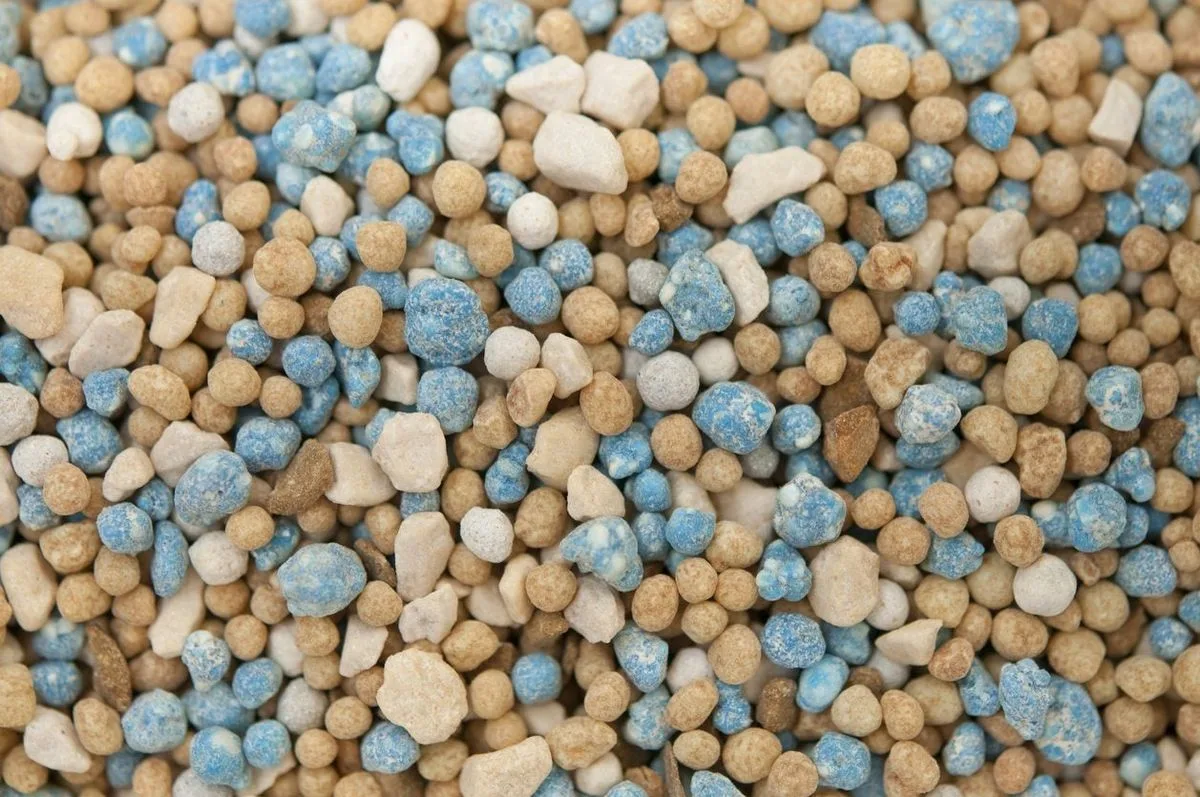
Image source: Web (Bing) / gardeningknowhow.com (Web image (fair-use with source credit))
If you live somewhere hot, use slow-release for summer feedings. The steady release keeps the grass growing without forcing a growth surge that demands daily mowing. Fast-release is the better pick in spring, when the lawn is waking up and eating aggressively.
Decision Branch 4: Organic or Synthetic Fertilizer?
Organic fertilizers come from things like composted poultry litter, bone meal, or plant-based blends. They release nutrients slowly and they feed the soil biology along with the grass. Synthetic fertilizers are refined into precise N-P-K ratios, and they act fast.
If you want measurable results and simple math, go synthetic. It’s cheaper per pound of nitrogen and easier to calibrate. If you want long-term soil improvement, organic is worth the extra cost.
Keep in mind that organic products often have a lower nitrogen analysis, so you’ll need to apply more product to hit the same rate.
Some homeowners do both. Start the season with a synthetic quick-release to jumpstart growth, then switch to organic for summer maintenance. Aggregate reviews show that works well, especially on Bermuda that gets heavy traffic.
The Step-by-Step Seasonal Fertilizer Schedule for Bermuda
Here’s the simplest way to plan your year. Write this down, it takes the guesswork out of everything.
| Timing | Product Type | Rate (N per 1,000 sq ft) |
|---|---|---|
| After full green-up | 16-4-8 or 15-0-15 | 1 lb |
| Late spring | Slow-release 15-0-15 | 1 lb |
| Midsummer | 15-0-15 or 16-4-8 | 1 lb |
| Late August | Low-N, high-K product | 0.5 lb |
| Fall through winter | None | 0 |
Water the fertilizer in lightly after each application. That settles it into the soil and prevents tie-off. Never fertilize before a heavy storm, and never apply to drought-stressed grass.
Either way, you’re flushing money down the drain.
If you start late in the season, skip a feeding and resume on the adjusted schedule. The lawn won’t miss one application as much as it misses a balanced routine.
Weed-and-Feed: When It Helps and When It Hurts
Weed-and-feed combines fertilizer with a pre-emergent or post-emergent herbicide. It’s convenient, but it’s not always smart for Bermuda.
It helps when you need to knock out crabgrass and feed the lawn in one pass. Apply a pre-emergent weed-and-feed in early spring, right before soil temps hit 65 degrees. That blocks weed seed before it sprouts.
It hurts when you’re seeding or overseeding. Most pre-emergents kill Bermuda seed too, and the post-emergent formulas can damage young seedlings. It also doesn’t work on dormant lawns, because the grass won’t take up the food.
One more warning. Weeds feed on nitrogen too. If you throw down fertilizer without herbicide, you might be feeding crabgrass more than Bermuda.
That’s why timing matters more than product choice.
Mistakes That Burn, Thin, or Discolor Your Bermuda Lawn
Most lawn damage comes from five common errors. Here’s what to avoid.
First, over-fertilizing. More product doesn’t mean more green. It means burned roots and a surge of growth that attracts pests.
Second, applying the wrong nitrogen type. Fast-release nitrogen in midsummer heat can scorch the tips. Stick to slow-release during the hottest months.
Third, spreading unevenly. A miscalibrated spreader leaves dark green stripes and yellow patches. Always check your spreader setting, and overlap the pass slightly.
Fourth, fertilizing at the wrong time. Feeding dormant grass in early spring or late fall is a waste. The lawn can’t absorb it, and the nitrogen leaches into groundwater.
Fifth, skipping the water. Never let granules sit on dry grass for more than a day. That’s how you get chemical burn and dead spots.
Water it in within 24 hours for best results.
Cost Expectations: What a Year of Fertilizer Really Runs You
Fertilizer isn’t the most expensive part of lawn care, but the cost stacks up faster than you’d think. A typical 50-pound bag of granular lawn fertilizer runs between $20 and $50, depending on the brand and the analysis. For a 5,000-square-foot Bermuda lawn, plan on 3 to 4 bags per growing season.
| Item | Typical Cost |
|---|---|
| Soil test | $10 to $20 |
| 50-lb bag synthetic 16-4-8 | $20 to $35 |
| 50-lb bag organic blend | $35 to $50 |
| Liquid iron supplement | $15 to $25 |
That puts a full season of feeding at roughly $90 to $160 for synthetic products. Organic options can run $150 to $250, since you need more product to hit the same nitrogen rate. If you’re watching your budget, skip premium blends and stick with a basic 16-4-8.
One way to save without sacrificing results: calibrate your spreader. A miscalibrated spreader can dump twice the product you need, wasting cash and risking a nitrogen burn. And never fertilize right before a heavy storm.
That’s just runoff racing toward the storm drain.
Your 60-Second Decision Guide: Which Fertilizer Should You Buy Today?
Here’s the whole process condensed into one quick reference. Find your situation and follow the branch.
- Established lawn, spring green-up. Use 16-4-8 or 15-0-15. Apply 1 pound of nitrogen per 1,000 square feet after about half the lawn has greened up.
- Established lawn, summer heat. Switch to slow-release 15-0-15. It keeps color without forcing a growth surge that demands daily mowing.
- High phosphorus in your soil test. Pick a fertilizer with a zero in the middle, like 16-0-8 or 15-0-15.
- New sod, under three weeks old. Wait. Let the roots knit into the soil first. Then use a starter fertilizer like 10-20-10 at 0.5 pound of nitrogen per 1,000 square feet.
- Low budget. Buy a basic synthetic 16-4-8. It’s the most cost-effective way to feed Bermuda without extras.
- Organic preference. Choose composted poultry litter or a plant-based blend. Expect to apply more product per feeding, and plan for a slower visual response.
If you’re still unsure, start with a soil test. That $15 fee saves you from guessing wrong and sets the entire year up correctly.
Frequently Asked Questions
Should I fertilize Bermuda grass in the winter?
No. Bermuda goes dormant and stops taking up nutrients in winter. Fertilizer sits on cool soil, and nitrogen leaches away or washes into storm drains.
Wait until the lawn shows at least 50 percent green-up in spring, usually late April to early May in the South.
Can I use weed-and-feed on Bermuda grass?
Yes, but only with pre-emergent products in early spring. Post-emergent weed-and-feed formulas can damage Bermuda during active growth, and most pre-emergents will kill Bermuda seed. If you’re seeding, skip weed-and-feed entirely for at least one season.
How soon after fertilizing should I water?
Water within 24 hours, ideally within a few hours. Lightly water until the granules dissolve and wash off the leaf blades. Do not soak the lawn, or you’ll push nitrogen past the root zone and waste the feeding.
What does 16-4-8 mean on a fertilizer bag?
Those numbers are the guaranteed analysis. The bag contains 16 percent nitrogen, 4 percent phosphate, and 8 percent potash by weight. A 50-pound bag holds 8 pounds of actual nitrogen, which is why a standard application rate covers roughly 8,000 square feet.
