When to Apply Pre Emergent for Bermuda Grass: My Guide
Wondering when to apply pre-emergent for Bermuda grass? Timing it too early can waste the product, while waiting too long can leave crabgrass and other summer weeds with a chance to germinate. The key is knowing what your soil is doing, not simply following a calendar date.
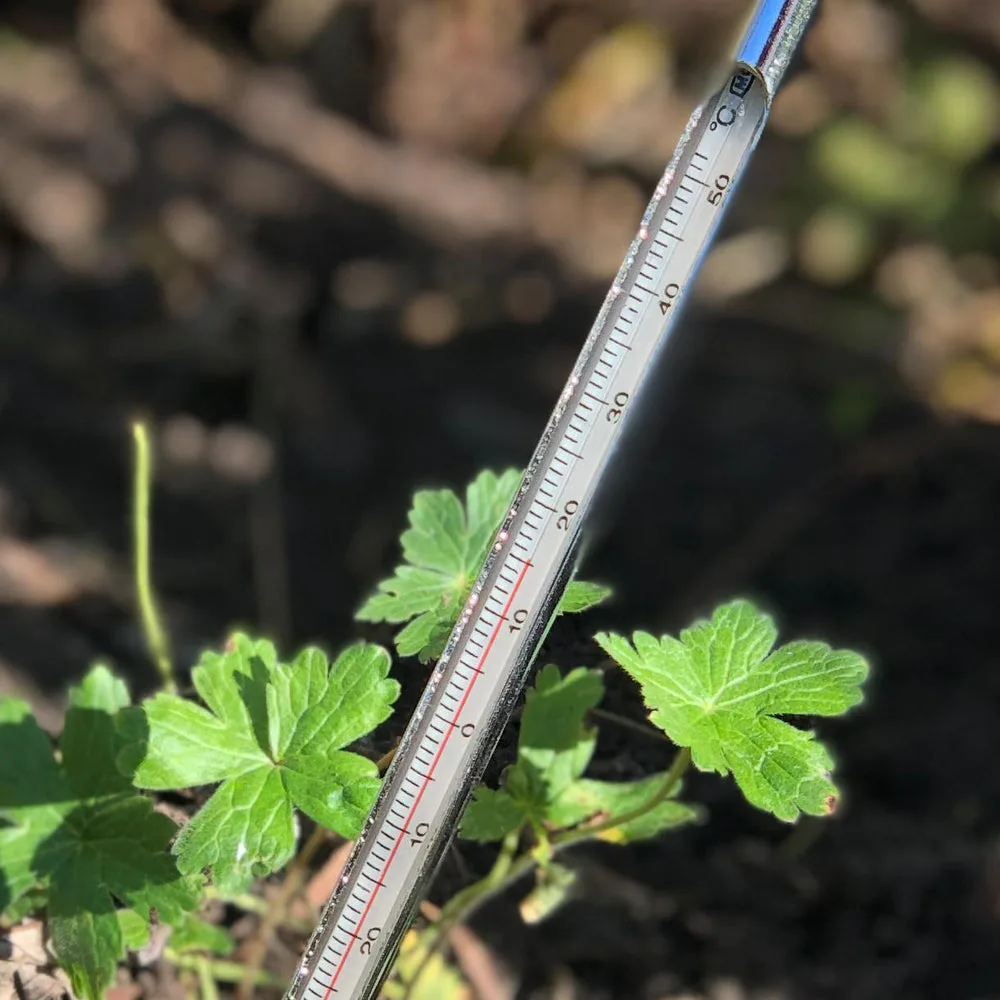
Image source: Web (Bing) / worm.co.uk (Web image (fair-use with source credit))
Quick Answer
Apply pre‑emergent to Bermuda grass when soil temperatures at a 2‑inch depth hit 55, 60 °F for three to five consecutive days. For most of the South, that’s mid‑February to mid‑March; for the Upper South, it’s late March to mid‑April. A second application (split app) keeps you covered through summer.
The Soil Temperature Rule – It’s Not a Calendar Date
Your neighbor’s “always March 1st” rule might cost you. Crabgrass seeds germinate when soil warms up, not when the calendar says so. Cold spring or warm snap, the ground tells the real story.
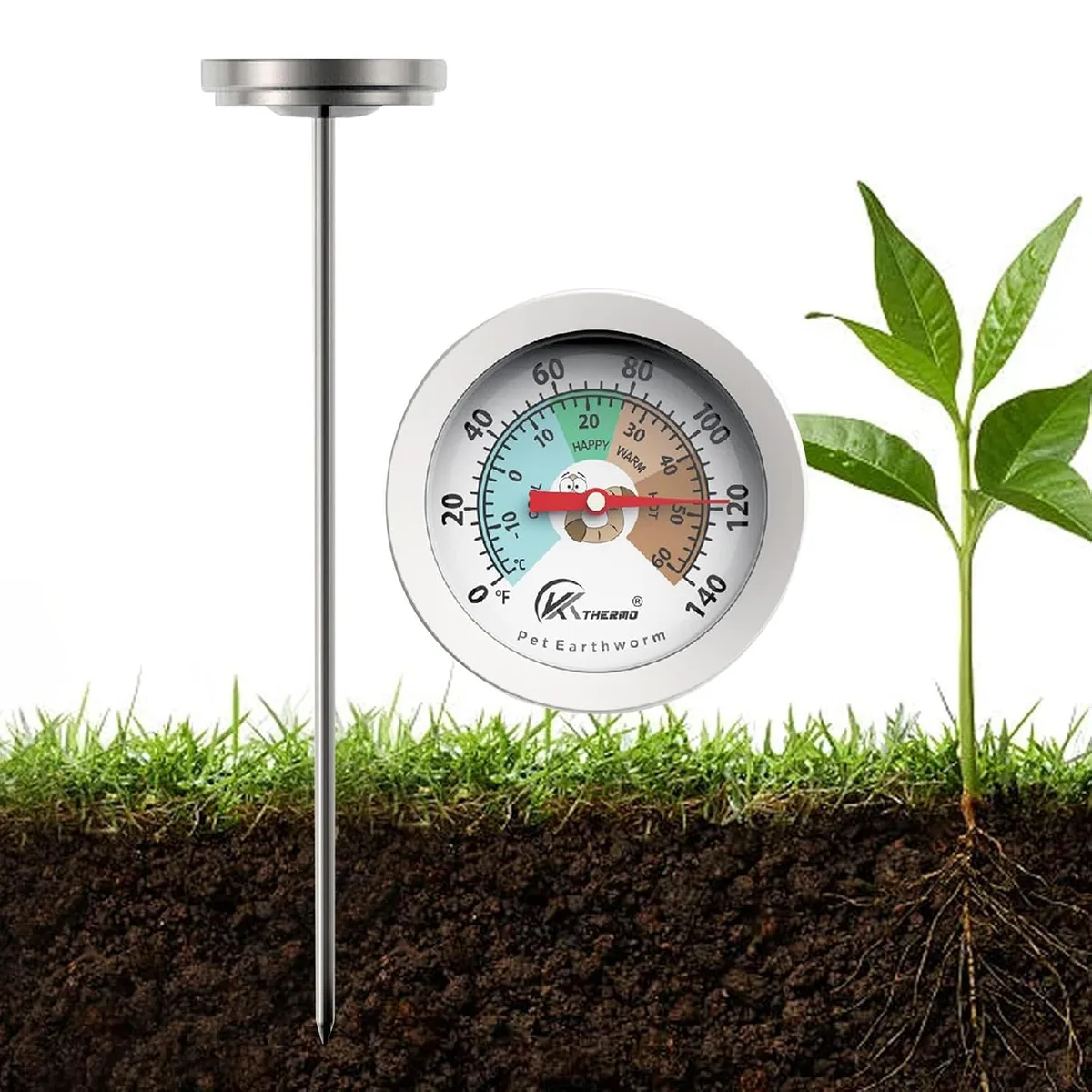
Image source: Web (Bing) / amazon.com (Web image (fair-use with source credit))
Why 55–60 °F?
That’s the germination trigger for crabgrass and most summer annual weeds. Measure at 2 inches deep, not the surface. Use a soil thermometer (under $20 at any garden center).
Check early morning before the sun heats the top.
In our research, North Carolina State Extension confirms that consistently measuring at the right depth and time is the single most reliable cue. If you’re in the Deep South, expect this window around late February. In the Upper South, closer to early April.
Don’t rely on air temperature, it can fool you.
Typical Application Timing by Region
In the Deep South, the 55–60°F soil-temperature window usually arrives around mid-February to mid-March. In the Upper South, it’s typically late March to mid-April.
These are only general windows. Start checking your soil as the season approaches and apply when it reaches the target temperature. Your soil thermometer matters more than the calendar.
What if I miss the window?
You lose the pre‑emergent’s main benefit: stopping seeds before they sprout. But you can still apply post‑emergent herbicides on young weeds. Better yet, plan a split application next year, first at 55 °F, second six to eight weeks later.
Which Pre-Emergent Product Should You Use?
Once you know when to apply pre-emergent, choosing the right product matters too. Prodiamine and dithiopyr are two common options for Bermuda grass.
Prodiamine vs Dithiopyr
Prodiamine provides longer-lasting residual control, making it a good choice when you want protection to carry farther into the growing season. Dithiopyr also prevents new weeds and provides some post-emergent activity against very young crabgrass.
How Product Longevity Affects Timing
A longer-lasting product can help maintain coverage through more of the summer, while shorter residual control may require a second application. For either product, follow the label for application rates, timing, and reseeding restrictions.
That’s why a split application can be useful during long, hot growing seasons.
Weather Forecast Considerations
A short warm spell can push soil temperatures into the target range faster than expected. Before applying, check the next few days of weather along with your soil thermometer.
If temperatures are still fluctuating around 55°F, wait and keep checking. Once your soil reaches 55–60°F consistently, you’re in the application window. Don’t let one unusually warm afternoon make the decision for you.
The forecast helps you anticipate the window, but soil temperature should be the final trigger.
Spring Decision Tree – When to Pull the Trigger
Use these three branches to decide exactly when to apply for your lawn.

Image source: Bing (Web (fair-use with source credit))
Branch 1: Is your lawn overseeded with winter ryegrass?
- Yes, Wait until ryegrass dies naturally (typically late spring). Pre‑emergent will kill the ryegrass seed. Instead, apply in early fall for winter weeds.
- No, Proceed to Branch 2.
Branch 2: How green is your Bermuda?
- Fully dormant (brown), Do NOT apply. Pre‑emergent may damage roots trying to wake up. Wait until you see 50, 70% green‑up.
- Partially green, Ideal. Soil temps are likely in the 55, 60 °F zone. Apply immediately.
- Fully green, You may be a bit late, but a split app still works if you act within the first week of full green.
Branch 3: Single or split application?
- Single app, Works for short growing seasons (Upper South, cooler zones).
- Split app, Better for long, hot summers. First dose at 55 °F, second six weeks later. That holds through summer heat.
Action: Broadcast granular pre‑emergent (like prodiamine or dithiopyr) according to label rate. Water in with 0.5 inch of irrigation within 24 hours.
Fall Decision Tree – Why Bermuda Needs a Second Window
Spring isn’t the only season. Bermuda lawns also need a fall application to stop annual bluegrass (Poa annua), which germinates when soil temperatures drop below 70 °F.
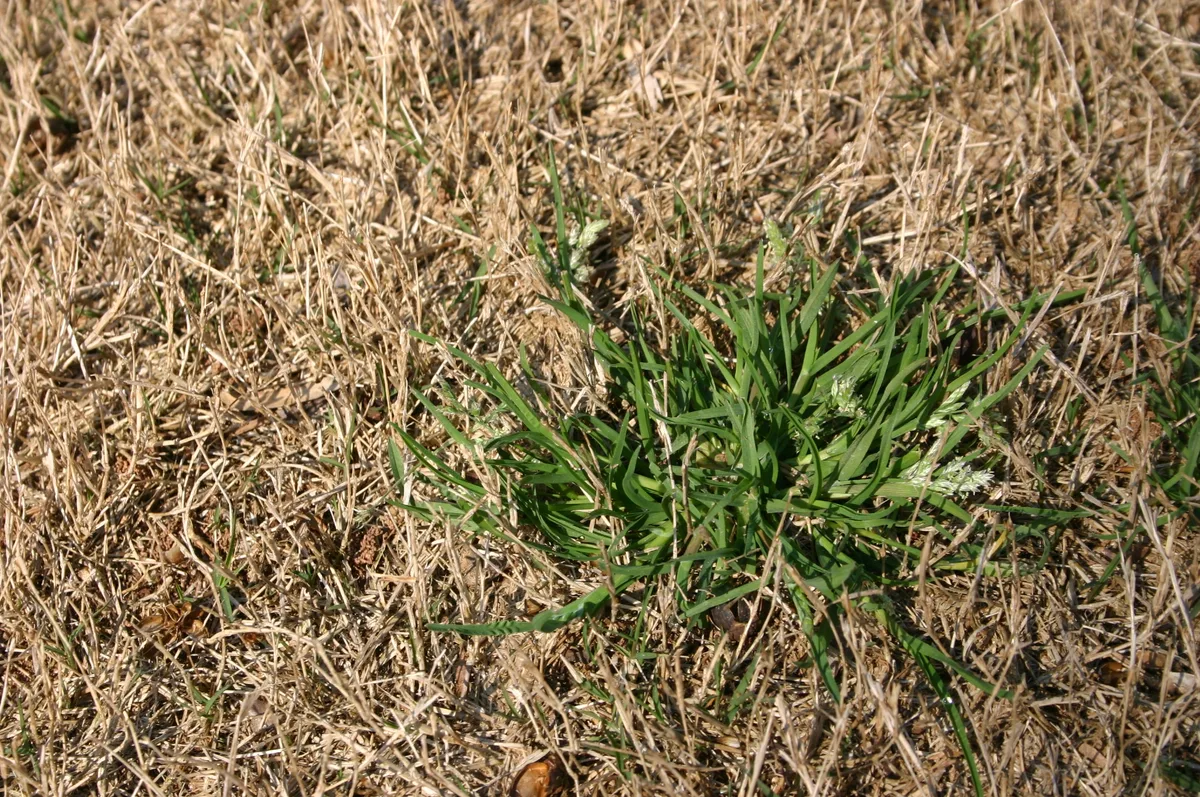
Image source: Bing (Web (fair-use with source credit))
When to apply in fall
Watch for soil temps consistently under 70 °F and dropping. That’s usually late September to early October in most of the South. Don’t wait until the first frost, Poa annua seeds germinate weeks before that.
What if you plan to overseed?
If you want a green winter lawn, skip the fall pre‑emergent. It will kill your ryegrass seed. Instead, manage Poa annua with a post‑emergent herbicide in early winter after the ryegrass is established.
Why fall matters
Poa annua is one of the ugliest weeds in Bermuda, light green clumps that stick out like sore thumbs. A well‑timed fall pre‑emergent avoids the need for spot‑spraying later. If you’ve struggled with it before, read our guide on getting rid of Poa annua.
5 Timing Mistakes That Wreck Your Pre‑Emergent
Avoid these common errors to get the most out of your application.
1. Applying too early
Soil at 50 °F? The herbicide breaks down before seeds germinate. You waste money and product.
Wait for 55 °F.
2. Applying too late
Missed the window? Weeds are already up. Pre‑emergent won’t kill existing plants.
You’ll need a post‑emergent instead.
3. Misreading the temperature
Many people stick a thermometer at 1 inch deep in the afternoon. That’s wrong. Measure 2 inches deep right after sunrise when the ground is coolest.
4. Skipping the split application
A single application may only last 8, 10 weeks. In a long southern summer, that leaves a gap. Split apps (first at 55 °F, second at 8 weeks) give full coverage.
5. Applying too close to overseeding
Pre‑emergent stops all seed germination, including the ryegrass you want. If you oversow winter grass, apply pre‑emergent only in spring.
One last tip: keep your lawn healthy year‑round. Thick Bermuda crowds out weeds naturally. Check our full Bermuda care plan for the complete maintenance schedule.
Frequently Asked Questions
Can I apply pre‑emergent after Bermuda is fully green?
Yes, but you’re a bit late. Apply immediately, soil temps are still rising, and some weed seeds haven’t germinated yet. A split app may still work if you apply right away.
How soon can I overseed after a pre‑emergent application?
Wait at least four to six months after application. Most pre‑emergents remain active in soil that long. For overseeding, consider skipping the fall pre‑emergent.
What if I missed the spring window – is it too late?
Not entirely. Use a post‑emergent herbicide for existing weeds. Then plan a better split application next spring.
Also, keep the lawn thick, it’s your best defense.
Do I need a second spring application?
Yes, if you live in zones where summer lasts until October. A second dose six to eight weeks after the first covers the later‑germinating goosegrass and foxtail.
What’s the best active ingredient for Bermuda lawns?
Prodiamine (Barricade) and dithiopyr (Dimension) are the most reliable. Prodiamine lasts longer; dithiopyr offers some post‑emergent activity on young weeds. Always read the label for Bermuda‑specific rates.