Is Fine Fescue and Tall Fescue the Same Thing? My Answer
If you’ve ever stood in the garden center staring at bags of grass seed labeled “fescue,” you’re not alone. The question is fine fescue and tall fescue the same thing trips up more homeowners than you’d think. They sound like cousins, but pick the wrong one and you’ll be reseeding next year.
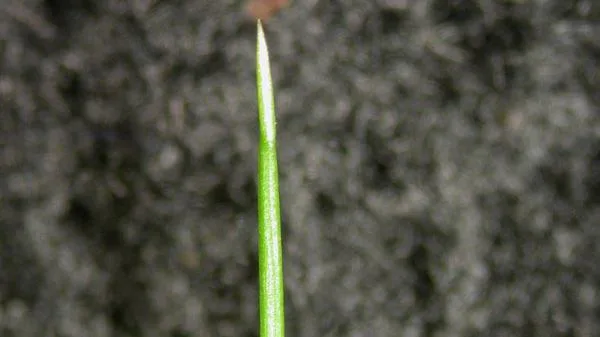
Per university turfgrass extension research, fine fescue blades measure roughly 1, 2 mm wide while tall fescue blades run 5, 10 mm wide, that’s a huge difference in texture and performance. Let’s break down exactly what sets them apart and which one belongs in your yard.

Image source: Web (Bing) / exoblwevx.blob.core.windows.net (Web image (fair-use with source credit))
Quick Answer
No, fine fescue and tall fescue are not the same. Fine fescue is a group of slender, shade-loving grasses. Tall fescue is a coarse, sun-loving bunchgrass.
Fine fescue tolerates low fertility and shade. Tall fescue handles heavy foot traffic and drought. Choose based on your yard’s sun and use.
What Counts as Fine Fescue?
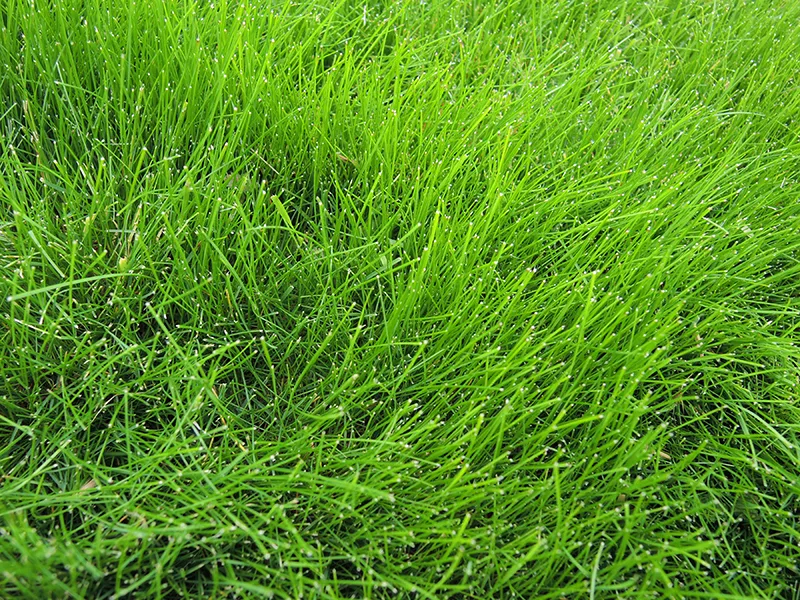
Here’s where the name gets a little confusing: fine fescue isn’t one specific grass. It’s a group of fine-bladed fescue species that includes creeping red fescue, Chewings fescue, hard fescue, and sheep fescue.
These grasses share the thin, needle-like texture that gives fine fescue its name, but they don’t all grow exactly the same way. For example, creeping red fescue can spread through short rhizomes, while Chewings and hard fescue are primarily bunch-type grasses.
Tall fescue, by comparison, refers to a distinct, coarser-bladed turfgrass that grows in clumps rather than spreading through rhizomes. That’s why simply seeing the word “fescue” on a seed bag isn’t enough. Check the specific types listed in the blend before choosing grass for your yard.
Why This Confusion Hurts Your Lawn
Choosing the wrong fescue for your lawn can lead to thin, patchy grass and more maintenance. Fine fescue performs well in shade but can struggle with heavy traffic and intense summer conditions. Tall fescue handles sun, drought, and foot traffic better, but it generally performs less well in deep shade.
Before buying a seed mix, consider how much sun your lawn gets, how heavily it’s used, and how much summer stress it faces. Choosing the right type from the start can save you from unnecessary reseeding later.
You might find this helpful: Can Fine Fescue Tolerate Full Sun
Fine Fescue vs. Tall Fescue: What’s Actually Different

Image source: Web (Bing) / eaacdafrica.org (Web image (fair-use with source credit))
Texture and blade width
Run your fingers across the grass. Fine fescue feels like soft needles. Tall fescue feels like a stiff blade of cereal grain.
That’s because fine fescue leaves are about one‑quarter the width of tall fescue.
| Feature | Fine Fescue | Tall Fescue |
|---|---|---|
| Leaf width | 1–2 mm | 5–10 mm |
| Growth habit | Bunch or creeping (rhizomes) | Bunch only |
| Root depth | 12–24 inches | 24–36 inches |
| Shade tolerance | Excellent | Fair |
Growth habit and root system
Fine fescue includes creeping red fescue, which spreads via rhizomes. Tall fescue is strictly a bunch‑type grass, it doesn’t fill bare spots on its own. That makes tall fescue more work to keep dense without overseeding.
Water and fertilizer needs
Tall fescue’s deeper roots let it pull moisture from lower soil layers. Fine fescue stays greener with less nitrogen, but it faints faster in a heat wave. If you forget to water, tall fescue bounces back quicker.
Which One Belongs in Your Yard?

Image source: Web (Bing) / gardentabs.com (Web image (fair-use with source credit))
Shady yards with kids and dogs
If your lawn gets less than four hours of direct sun, go with a fine fescue blend. Creeping red fescue and Chewings fescue perform well under trees. Just keep foot traffic light, fine fescue wears down fast.
Sunny play areas and drought‑prone spots
Tall fescue handles full sun, heavy use, and dry spells better than any other cool‑season grass. It’s also the better choice if you have slopes where erosion is a problem. For a durable lawn that takes abuse, tall fescue wins.
Transition‑zone compromise
In areas where summers get hot but winters freeze (the U.S. transition zone), a mix of tall fescue with a little fine fescue often works. The tall fescue carries the sun, the fine fescue fills the shady corners. Just mow at 3 inches or higher to keep both happy.
Common Mistakes That Wreck a Fescue Lawn
Mowing too short
Scalping a fescue lawn is the fastest way to kill it. Tall fescue needs 3, 4 inches. Fine fescue needs 2, 3.5 inches.
Cutting shorter invites weeds and sunburn.
Ignoring soil pH
Fescues prefer pH between 5.5 and 6.5. If your soil is too acidic or too alkaline, the grass can’t take up nutrients. Get a simple test before you seed.
Seeding at the wrong time
Spring seeding works, but fall is safer. Fescue germinates best when soil temps are 50, 65°F. A fall planting gives the roots winter to establish before summer stress hits.
If you must seed in spring, water more often.
Overwatering fine fescue
Fine fescue is drought‑tolerant once established. Too much water invites fungus like red thread and dollar spot. Water deeply but less often, once a week when there’s no rain.
Mixing the two without a plan
Blindly blending fine and tall fescue often creates a mismatched lawn. Each one wants a different mowing height and water schedule. If you mix them, stick with a reputable blend designed for your specific light conditions.
Quick Answers to Your Fescue Questions
Can I mix fine fescue and tall fescue together?
Yes, but only if you match them to your site. Use a blend formulated for your light level. A generic mix usually fails because the two types fight for dominance.
Which fescue is more drought tolerant?
Tall fescue wins. Its deep roots reach moisture fine fescue can’t access. Fine fescue survives drought by going dormant faster.
Does fine fescue need full sun?
No. It thrives in partial to deep shade. In full sun, it struggles unless you keep it well‑watered and don’t walk on it much.
How often should I water tall fescue?
Deep, infrequent watering, about 1 inch per week including rain. In dry spells, water once a week, not every day.
Is tall fescue good for high‑traffic areas?
Yes. It’s one of the most wear‑tolerant cool‑season grasses. It recovers decently if you overseed annually, unlike fine fescue.
What’s the best mowing height for fine fescue?
Keep it at 2 to 3.5 inches. Lower than that invites weeds and scalping. In summer, raise the deck to the top of that range.