How to Change Oil on a Lawn Mower: My Proven Method
Learning how to change oil on a lawn mower feels like one of those tasks you can put off forever. But skip it and the engine wears faster, runs hotter, and gets harder to start with every season. The job itself takes about twenty minutes, and the supplies cost ten dollars or less.
Manufacturer specs from Briggs & Stratton, Honda, and Kawasaki line up on the basics: most push mowers hold between 15 and 24 ounces of oil, and the recommended change interval lands at 25 to 50 hours of run time or once a season. As of 2026, the standard guidance for air-cooled engines is a detergent oil, typically SAE 30 in warmer climates. Here’s how to do it without stripping a drain plug or flooding a carburetor.
Quick Answer
The fastest way to change oil on a lawn mower takes about 20 minutes. Warm the engine for three minutes. Shut it off and disconnect the spark plug wire.
Drain the old oil, then refill with the correct viscosity for your climate. Check the dipstick level, and recycle the used oil.
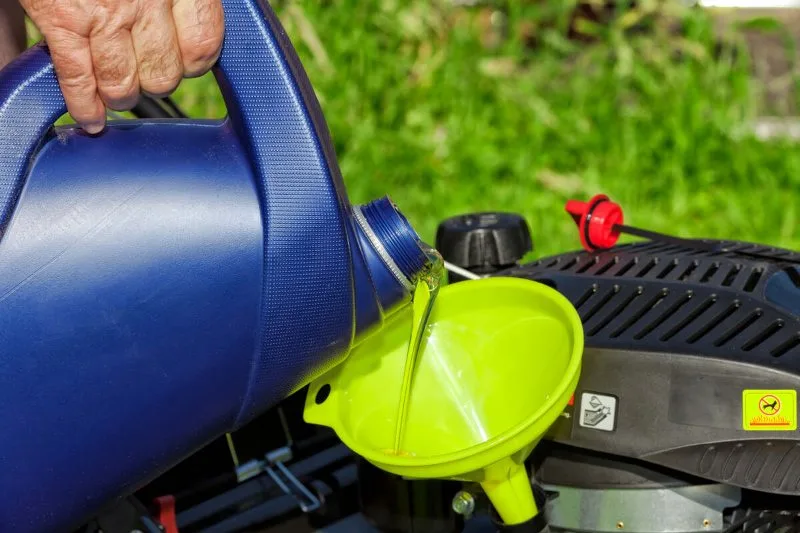
Image source: Bing (Web (fair-use with source credit))
Why Getting This Right Matters (More Than You Think)
There’s a reason every small-engine manual starts with oil. The oil lubricates the crankshaft, piston, and valve train. On an air-cooled engine, it also absorbs heat.
Let the oil degrade and the engine runs hotter, wears faster, and picks up carbon deposits that reduce compression.
Running a push mower on old oil is like going 20,000 miles between car oil changes. The oil thickens, turns gritty, and stops coating the metal parts it’s supposed to protect. The result is a mower that’s harder to start, vibrates more, and eventually burns oil or seizes.
You don’t need a mechanic to tell you that’s an expensive repair. Even if you’ve been careful about putting the right fuel in the tank, old oil slowly undoes all of it.
The good news? This is one of those maintenance tasks where doing it right is genuinely easy. You just need the correct order and a little patience.
That’s exactly what we’re covering here.
What You’ll Need Before You Touch a Wrench
Gather everything first so you’re not halfway through and hunting for a rag. Most of these are already in your garage.
| Tool / Material | Why You Need It |
|---|---|
| 4-stroke lawn mower oil | The correct viscosity for your engine |
| Low-profile drain pan | Fits under a push mower deck without tipping it far |
| Flexible-neck funnel | Reaches the fill tube without spilling |
| Socket or wrench for the drain plug | Usually 7/16-inch, 1/2-inch, or 10mm |
| Oil filter + wrench (if equipped) | Mostly on larger riding machines |
| Rags or cardboard | Contain drips and protect the floor |
| Spark plug socket or wrench | To remove the plug wire safely |
A standard push mower needs about 15 to 24 ounces of oil. Bigger platforms take 40 to 64 ounces. If you’re servicing one of the larger mower platforms, check whether it has a spin-on filter before you start, because that adds a step and a part.
Manufacturer specs matter here. Always confirm the oil capacity and viscosity grade in your owner’s manual. The manual gives you the exact number, and that’s the one you trust over any forum guess.
Step One: Prepping Your Mower the Safe Way
Start with the engine. Warm it up for three to five minutes so the oil flows like warm honey instead of cold syrup. Cold oil drains slowly and leaves the old sludge behind, which defeats the whole purpose.
Shut the engine off once it’s warm, then pull the spark plug wire. That’s the single most important safety step in this job. A mower without a plug wire cannot start on you.
Next, position the mower so you can reach the drain. Most push mowers have a drain plug that’s awkward to reach from the top. You’ll need to tilt the deck up.
That’s where people make their first serious mistake.
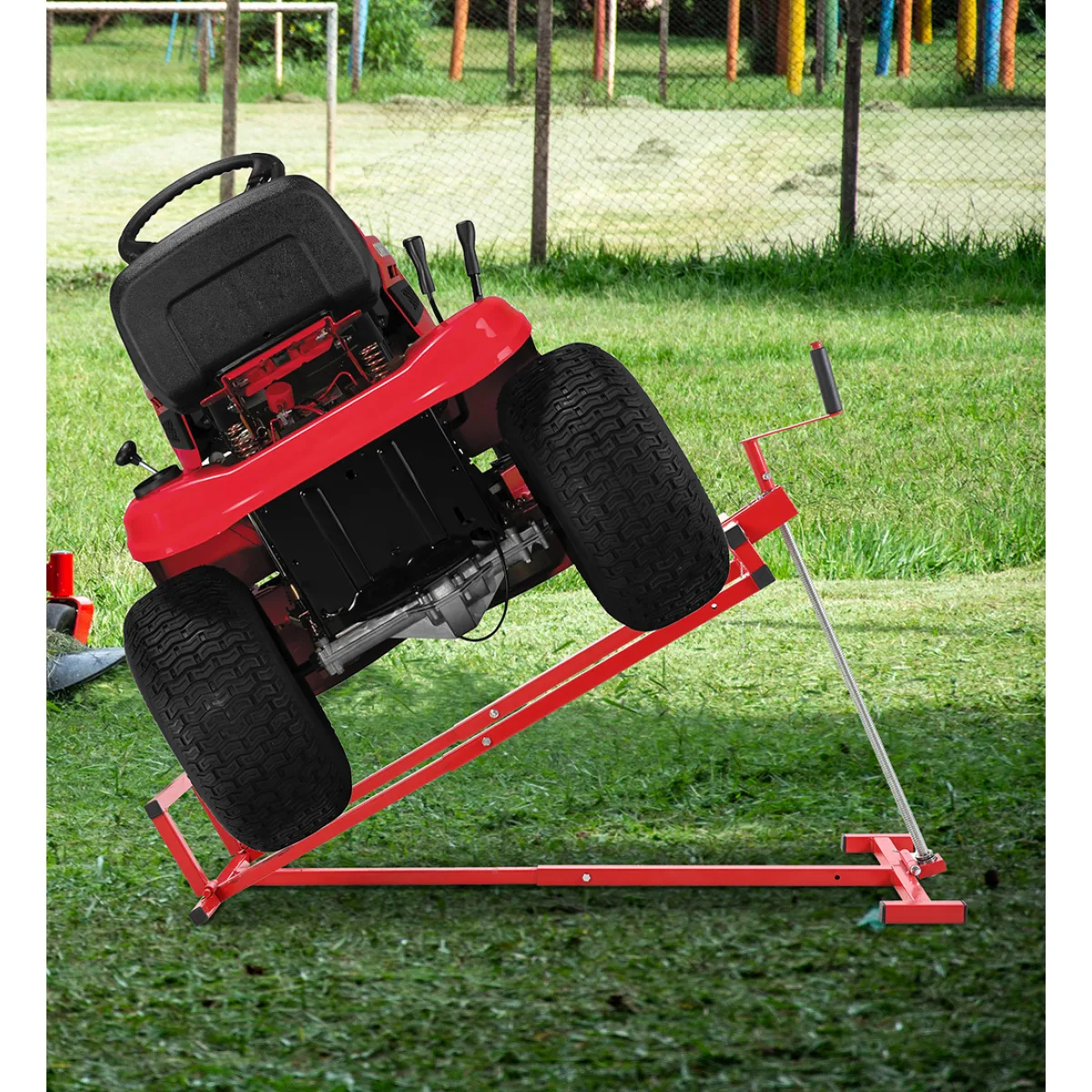
Image source: Bing (Web (fair-use with source credit))
Tilt the mower so the carburetor faces upward. Tip it the other way and oil runs into the air filter and carburetor, and the engine floods. On most mowers, the carburetor sits on the side with the air filter and pull start.
When in doubt, check the manual. Never tilt the mower with the gas tank cap loose either. Spilled fuel is the other classic mess.
If the tank is nearly full, drain it or clamp the fuel line before you angle the deck.
Step Two: Draining the Old Oil (Without Making a Mess)
Now the actual drain. Look under the deck and find the drain plug. It’s usually a hex bolt sticking out of the engine block.
Some newer mowers, especially Honda and Toro models, skip the plug and use a dipstick tube as the drain instead.
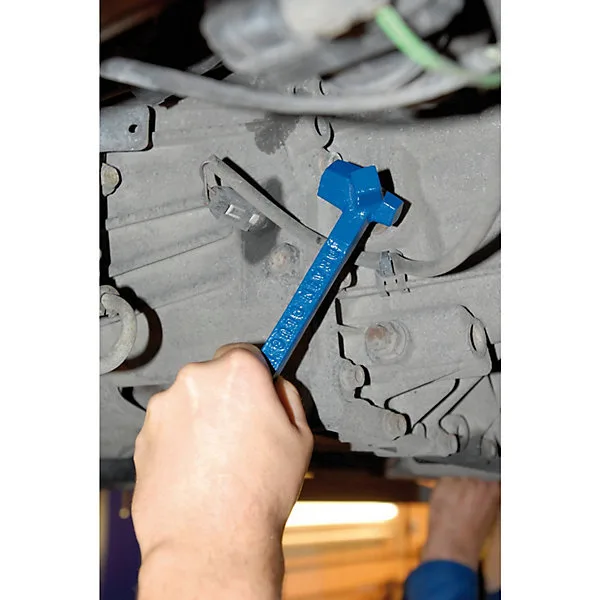
Image source: Web (Bing) / diy.com (Web image (fair-use with source credit))
For drain plug models: put the pan underneath, then loosen the plug with the right socket. Turn counterclockwise, slowly. The moment it unseats, oil pours out fast.
Let it drain for three to five minutes, then tip the mower slightly toward the plug side to get the last bit out.
For dipstick tube models: pull the dipstick, insert the siphon hose, and pump the oil out. It takes a few minutes but requires zero tipping.
Before reinstalling, check the crush washer. If it’s flattened or cracked, replace it. A worn washer causes a slow drip that stains your garage floor all summer.
Pour the old oil into a clean sealed container. The EPA regulates used oil disposal, and almost any auto parts store takes it off your hands for free.
Step Three: Picking the Right Oil and Refilling Properly
Oil selection is where most first-time owners overthink things. A detergent oil rated for air-cooled engines, like the small-engine oils from Briggs & Stratton, will work fine. Use SAE 30 for warm-weather mowing, 10W-30 for cooler spring and fall days, and 5W-30 if you’re running in cold conditions.
Synthetic lasts longer, but conventional is fine for a mower that gets used an hour or two at a time.
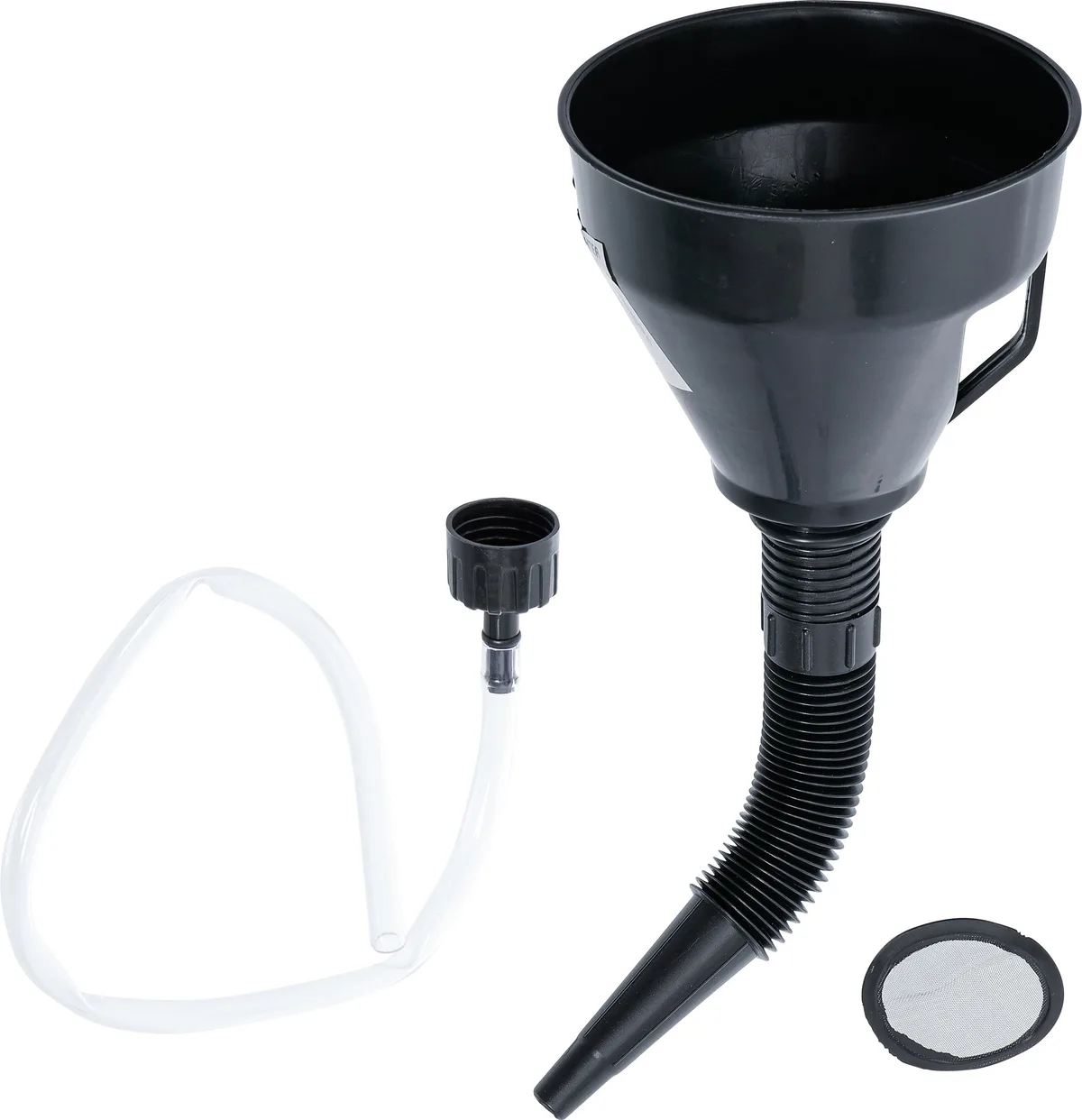
Image source: Web (Bing) / bgstechnic.com
Refilling is where you can damage the engine. Overfilling is the number one mistake. Too much oil creates pressure inside the crankcase, forcing oil past the seals and into the combustion chamber.
That’s a classic cause of engine smoke after a service. Pour in about two-thirds of the required capacity, check the dipstick, then add a little more at a time.
To read the dipstick correctly: wipe it clean, thread it in fully, then pull it out again. The oil level should sit between the low and full marks. That second reading is the accurate one.
Replace the fill cap, reconnect the spark plug wire, and run the engine for a minute. Shut it off, wait a few minutes, and recheck the level one last time. It should still sit between the marks.
You might find this helpful: Why Is My Lawn Mower Smoking
A Quick Note on Mowers With Oil Filters
Most walk-behind mowers don’t have a spin-on oil filter. You drain the oil, refill, and you’re done. But zero-turn machines and larger riding mowers usually have one tucked near the engine block, and it needs attention during every oil change.
A clogged filter bypasses entirely, which means unfiltered oil circulates through your engine. That’s how abrasive grit ends up scoring cylinder walls. Most manufacturers recommend replacing the filter every 25 to 50 hours, right alongside the oil.
Skip it and you’re leaving the old filter full of the exact contaminants you just drained out.
The swap takes two minutes. Unscrew the old filter with a strap wrench, wipe the mounting surface clean, and coat the new gasket with fresh oil. Spin it on by hand until snug, then add three-quarters of a turn.
Over-tightening is the classic mistake. A crushed gasket leads to a slow leak and a filter that fights you next season.
Common Mistakes That Cost People an Engine
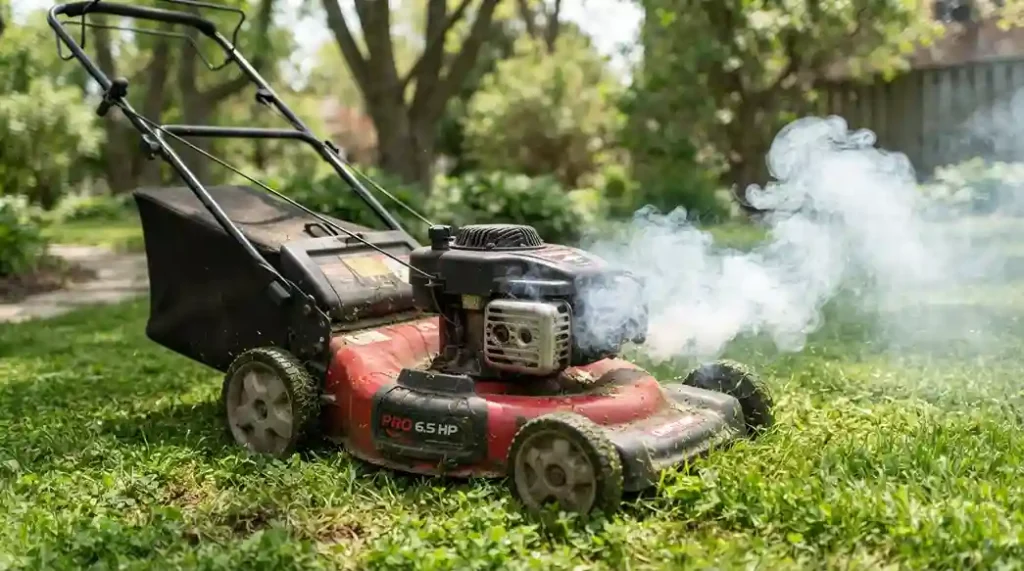
Overfilling the crankcase is the most expensive error. Too much oil builds pressure, blows past the seals, and makes the engine smoke and burn oil. If your mower starts smoking after an oil change, check the dipstick first.
That’s the easiest fix.
Tipping the mower the wrong way is the second big one. With the carburetor facing down, oil floods the air filter and the engine won’t start. White smoke on startup and a wet filter element tell you what happened.
Cleaning the filter, the carburetor bowl, and sometimes the spark plug is the recovery process.
Using the wrong oil is a quieter killer. Car oils carry friction modifiers meant for a wet-sump automotive engine, not a small air-cooled one. They don’t hold up under the heat.
Stick with a detergent oil rated for lawn mowers.
The drain plug deserves care too. Aluminum blocks strip threads easily, and a stripped oil pan is a shop job. Hand tight plus a quarter turn is enough.
Replace the crush washer if it’s flattened, and you won’t have a slow drip. Also, never skip the warm-up. Cold oil drains slowly and leaves sludge behind to contaminate the fresh fill.
The right fuel matters for oil health, too. Running the proper gasoline prevents carbon buildup that shortens oil life. And per the EPA’s used oil management standards, always recycle your old oil at a designated collection center rather than dumping it.
When to Just Let a Shop Handle It
An oil change is the most approachable maintenance job on a mower. But there are moments when paying someone else makes sense.
If the drain plug is rounded or the engine block is stripped, stop. Helicoil repair is precision work. Let a small engine shop handle it before you turn a minor leak into a cracked block.
If your mower is under warranty, read the fine print. Some manufacturers require servicing by an approved dealer to keep coverage active. A self-service oil change can void the engine warranty on certain models.
If the engine is already burning oil, a fresh change won’t fix it. Oil consumption means worn rings or valve seals, and that’s a rebuild or replacement conversation. Also consider a shop if you lack tools, workspace, or the patience for crawling under a deck.
What you’re paying for: a shop charges $50 to $120 and catches other issues while they’re down there. They notice loose blades, clogged cooling fins, and worn belts. That extra pair of eyes is worth it on an older machine.
Otherwise, DIY wins. Twenty minutes, ten bucks, and the quiet confidence of knowing it’s done right.
Frequently Asked Questions
How often should I change the oil on my lawn mower?
Manufacturers recommend every 25 to 50 hours of run time or once per season, whichever comes first. Mowers on large properties or in dusty conditions need the shorter end of that range. If you forgot last season, just change it now.
Fresh oil is never a bad idea.
What type of oil does a lawn mower take?
Most push mowers need SAE 30 in warm weather or 10W-30 for cooler conditions. Zero-turn riders and many commercial models specify 10W-30 across the board. The dipstick cap is often labeled with the correct viscosity.
When in doubt, the owner’s manual is the final word.
Can I use car oil in my lawn mower?
Not the same oil. Passenger-car motor oil contains friction modifiers engineered for wet-sump car engines. Small air-cooled engines need detergent oil formulated for higher operating temperatures and simpler lubrication systems.
Look for a bottle labeled “lawn mower” or “small engine” oil.
Why is my lawn mower smoking after an oil change?
Overfilling is the most common cause. Excess oil vents from the crankcase into the air intake, where it burns as smoke. Check the dipstick level first.
If it reads above the full mark, drain out the excess. White smoke can also mean oil in the filter from tilting the mower wrong.
Is there a difference between 4-stroke and 2-stroke oil?
Yes, and they are not interchangeable. A 4-stroke engine holds oil in a sump and needs a standard motor oil. A 2-stroke engine burns oil mixed with gasoline.
Using 2-stroke oil in a 4-stroke mower causes foaming and poor lubrication. The reverse ruins a 2-stroke engine quickly.
Do I need to warm up the engine before changing oil?
Yes. Warm oil drains faster and carries more suspended contaminants. Three to five minutes of running brings the oil to the right temperature without making it dangerously hot.
Never run the engine while draining. Always shut it off and pull the spark plug wire first.