Will Perennial Ryegrass Survive Winter? My Honest Take
Perennial ryegrass often greens up in spring even after a harsh winter, but the real question is whether the crowns survived. If you’re wondering will perennial ryegrass survive winter, the answer depends on your zone, snow cover, and how you prepped it last fall.
National Turfgrass Evaluation Program data shows perennial ryegrass is one of the least cold-hardy cool-season grasses, with crowns typically tolerating down to about 5°F when properly acclimated. That means the difference between a full recovery and a dead patch often comes down to a few key factors.
Will Perennial Ryegrass Survive Winter
It survives winter in Zones 6 and warmer. It often survives in Zone 5 with reliable snow cover. It struggles in Zone 4 and colder without insulation.
Crown death usually comes from ice sheets or freeze-thaw cycles, not cold alone.
Why Ryegrass Crowns Give Out Before the Grass Looks Dead
The leaves may brown and die back, but the crown is what matters. Perennial ryegrass stores carbohydrates in its crowns to fuel regrowth, and if those crowns stay hydrated during freeze-thaw cycles, they can rupture. Ice encasement is even worse, cutting off oxygen and suffocating the plant within weeks.
Unlike Kentucky bluegrass or tall fescue, perennial ryegrass has no rhizomes or stolons to spread into bare spots. If the crown dies, the clump dies with it. That’s why you’ll often see patchy recovery in spring, with green tufts surrounded by dead areas.
The Four Variables That Decide Your Outcome: Zone, Snow Cover, Ice, and Fall Timing
Hardiness zone and the Zone 4/5/6 cutoff
Perennial ryegrass is reliably hardy in Zones 6 and above. In Zone 5, survival depends on consistent snow cover acting as insulation. Below Zone 5, winterkill becomes likely unless you’re in a maritime climate with mild, wet winters.
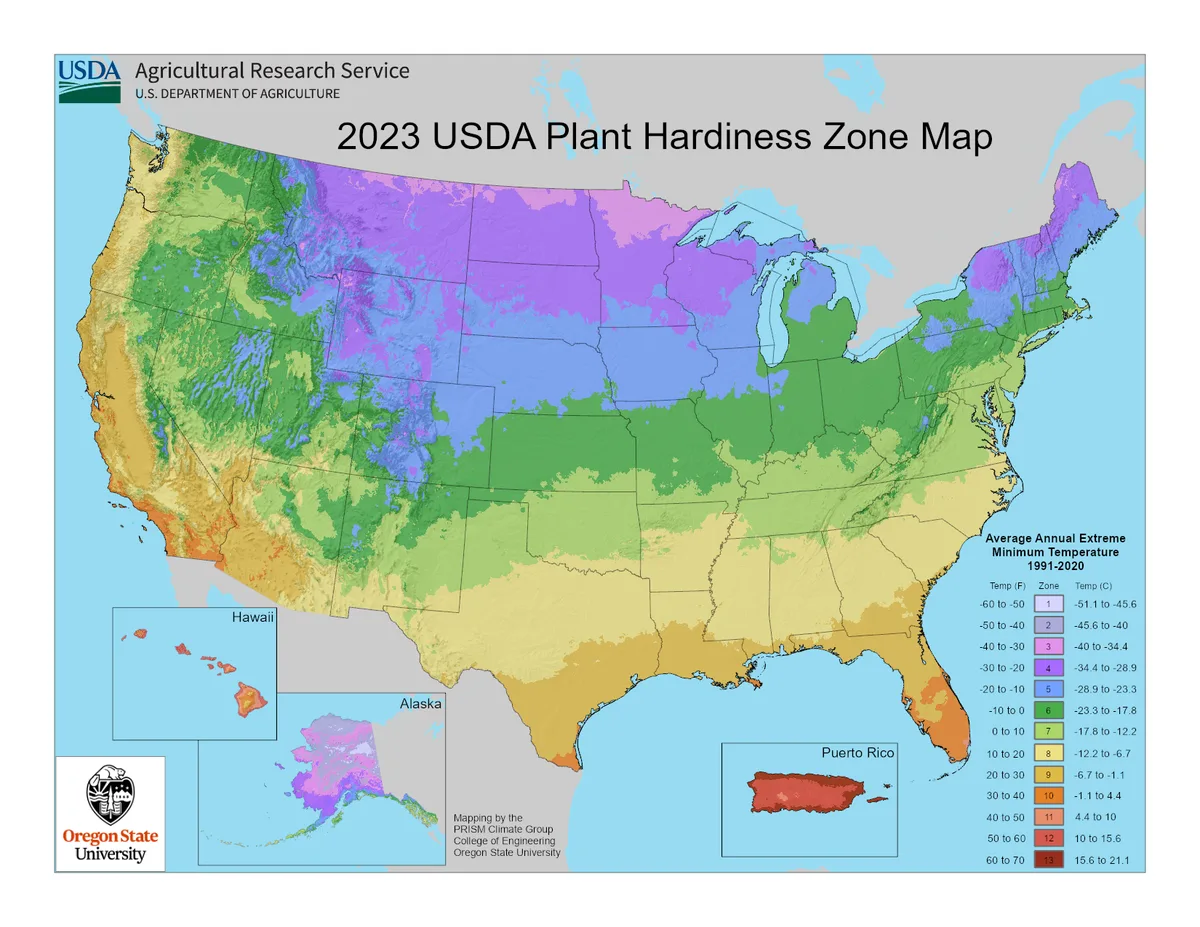
Image source: Bing (Web (fair-use with source credit))
The USDA Plant Hardiness Zone Map is the standard reference for determining your zone. If you’re on the edge of Zone 5 and 6, microclimates like south-facing slopes or urban heat islands can tip the scales.
Snow as insulation vs. ice as a smothering blanket
A consistent snow layer of 4, 6 inches acts like a blanket, keeping soil temperatures stable. Without it, crowns are exposed to wild temperature swings that can cause hydration injury. Ice, on the other hand, is deadly.
A solid ice sheet for more than 45 days can suffocate the crowns by cutting off oxygen.
Cultivar, stand age, and drainage
Not all perennial ryegrass is created equal. Cultivars like ‘Manhattan 5’ or ‘Pinnacle’ have better winter survival ratings in NTEP trials. Younger stands are more vulnerable, especially if they haven’t had time to build carbohydrate reserves.
Poor drainage leads to standing water that freezes, increasing the risk of crown damage.
Follow the Decision Tree: From Your Zone to Your Site to Your Stand
Branch 1: Zone 6 and warmer, or a mild maritime climate
If you’re in Zone 6 or higher, your perennial ryegrass will almost certainly survive winter. The same goes for maritime climates like the Pacific Northwest or the UK, where winters are mild and wet. In these areas, the grass may stay green year-round or only go dormant briefly.
Branch 2: Zone 5 with reliable snow cover
In Zone 5, survival hinges on snow cover. If your lawn typically gets a consistent snow layer, your ryegrass stands a good chance. The snow insulates the crowns, protecting them from extreme cold and temperature fluctuations.
Without snow, the risk of winterkill increases significantly.
Branch 3: Zone 5 with open, windswept ground
If you’re in Zone 5 but your lawn is exposed to wind and lacks snow cover, the outlook is less optimistic. Wind can desiccate the grass, and without insulation, crowns are vulnerable to freeze-thaw damage. In these conditions, winterkill is more likely, and you may need to plan for spring reseeding.
Branch 4: Zone 4 and colder, or a site that ices over
In Zone 4 and colder, perennial ryegrass is at high risk of winterkill. Even with snow cover, the extreme cold can push crowns beyond their tolerance. Sites prone to ice sheets are also problematic, as the lack of oxygen under the ice can kill the crowns within weeks.
If this describes your lawn, consider overseeding with a more cold-hardy grass like Kentucky bluegrass or tall fescue.
Is It Dead or Dormant? The Spring Crown Test
Wait until soil temperatures reach about 50°F before making any judgments. This usually happens after 2, 3 weeks of consistent warm weather in spring. If the crowns are firm and white at the base, the grass is still alive and will likely recover.
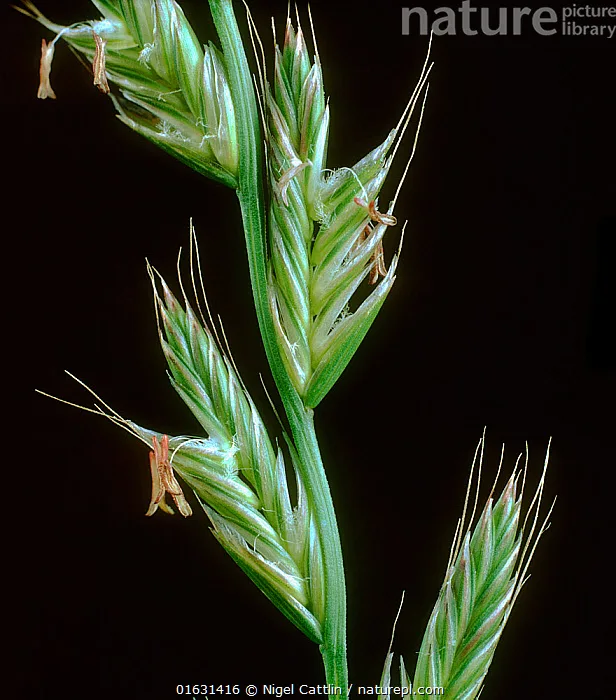
Image source: Web (Bing) / naturepl.com
If the crowns are mushy or dark, the grass is dead and you’ll need to reseed. A simple scratch test can help: gently scratch the base of the plant. If you see green tissue, it’s alive.
If it’s brown or black, it’s gone. This test is more reliable than just looking at the leaves, which may still be brown even if the crown is healthy. For more tips on reviving your lawn, check out routine upkeep strategies.
Fall Prep That Actually Moves the Odds
Stop nitrogen applications about six weeks before your first hard frost. Late-season nitrogen pushes soft, succulent growth that’s more prone to winter injury. Instead, apply potassium at roughly 1 lb K₂O per 1,000 sq ft to strengthen cell walls.
Raise your mowing height to 2.5, 3 inches for the final cuts of the season. Taller grass insulates the crowns and reduces exposure to wind desiccation. For more on the correct fluid level for your mower, check our guide.
Clear leaves and debris before winter sets in. A thick layer of leaves traps moisture and encourages snow mold. Core aeration in early fall improves drainage, reducing the risk of ice sheets forming over the crowns.
When the Stand Didn’t Make It: Reseed, Overseed, or Change the Mix
If your crown test confirms dead patches, reseeding in early spring is your best option. Soil temperatures need to reach about 50°F for germination, which typically happens after 2, 3 weeks of warm weather. Use a high-quality perennial ryegrass seed with good winter survival ratings.
Overseeding with a more cold-hardy grass like Kentucky bluegrass or tall fescue can prevent future winterkill. These grasses spread via rhizomes or stolons, filling in bare spots naturally. If you’re in the transition zone, consider a mix of perennial ryegrass for quick establishment and Kentucky bluegrass for long-term resilience.
For those in the South, winter overseeding with perennial ryegrass on dormant bermudagrass is a common practice. The ryegrass provides green color during winter and dies out as bermudagrass resumes growth in spring. For more on this strategy, see our guide on a reliable machine.
Mistakes That Wreck Ryegrass Over Winter
Scalping the lawn too short in fall exposes crowns to cold and wind. Keep the final mowing height at 2.5, 3 inches. Applying nitrogen too late in the season encourages tender growth that can’t handle winter stress.
Ignoring drainage issues leads to standing water that freezes and damages crowns. Address low spots or compacted areas before winter. Walking on frozen or frosted turf can shatter brittle crowns, so stay off the lawn during these conditions.
Using ice melt products near the lawn can cause salt damage. Sodium chloride can leach into the soil, harming grass roots. Opt for calcium chloride or magnesium chloride, which are less damaging, and apply them carefully.
Snow Mold, Ice Melt, and Winter Traffic: The Risk Layer
Snow mold appears as circular, straw-colored patches in early spring. Gray snow mold (Typhula) and pink snow mold (Microdochium nivale) thrive under prolonged snow cover or wet, matted leaves. Prevent it by keeping the lawn clear of debris and avoiding heavy nitrogen applications in late fall.
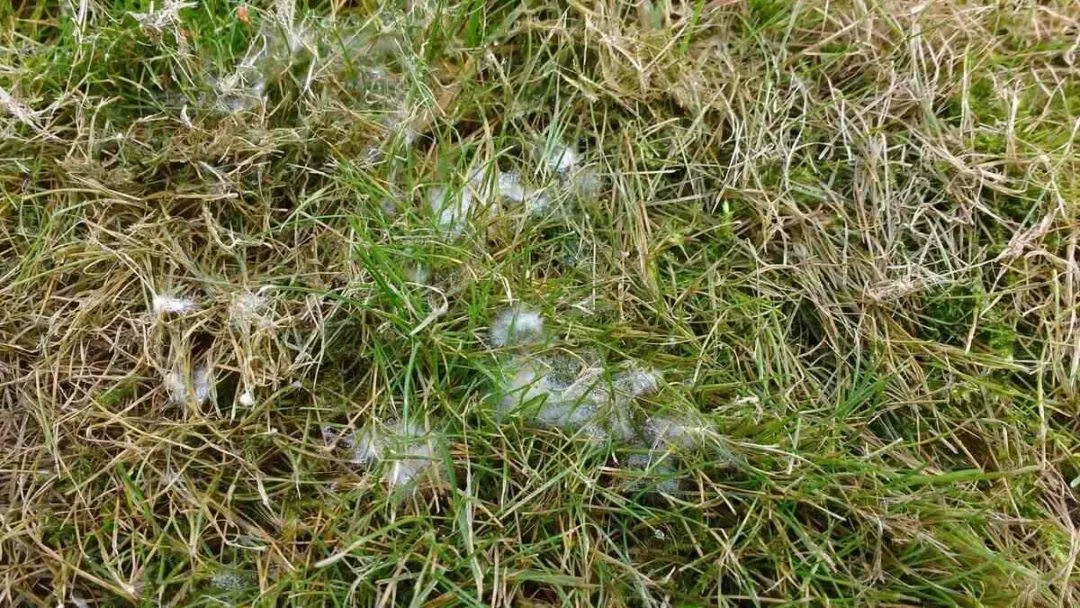
Image source: Web (Bing) / lawnlove.com
Ice melt products can cause chemical burns on grass. If you must use them, choose calcium magnesium acetate or urea-based products, which are less harmful. Apply them sparingly and avoid direct contact with the lawn.
Winter traffic from foot or vehicle traffic can compact the soil and damage crowns. Avoid walking on the lawn when it’s frozen or covered in frost. If you must cross the lawn, use a designated path to minimize damage.
Frequently Asked Questions
Does perennial ryegrass come back every year?
Yes, in Zones 6 and warmer it reliably returns each spring. In Zone 5, it often comes back if snow cover was consistent. In Zone 4 and colder, winterkill is common without protection.
Why is my ryegrass brown after winter?
It could be dormant, not dead. Wait for soil temps to hit 50°F, then check the crowns. If they’re firm and white, it’s alive.
If mushy or dark, it’s dead and needs reseeding.
Is perennial ryegrass good for cold climates?
It’s the least cold-hardy of the common cool-season grasses. For colder climates, consider Kentucky bluegrass or tall fescue, which handle winter stress better.
Can I overseed with perennial ryegrass in fall?
Yes, but finish seeding at least 6 weeks before the first hard frost. This gives the grass time to establish and store carbohydrates for winter survival.
How do I prevent ice damage to my ryegrass?
Improve drainage to avoid standing water that freezes. Break up ice sheets gently if they form, but avoid walking on frozen turf. Use sand or kitty litter for traction instead of salt-based ice melt.
What’s the best grass to mix with perennial ryegrass for winter survival?
Kentucky bluegrass is a top choice. It spreads via rhizomes, filling in bare spots naturally. Tall fescue is another good option, with deeper roots and better cold tolerance.