How Much Fescue Seed Do You Need Per Acre? My Proven Rule
How much fescue seed do you need per acre? The honest answer sits somewhere between 15 and 350 pounds. That spread isn’t sloppy math.
It’s the difference between seeding a lawn and seeding a pasture.
In our research across university extension trials, new tall fescue lawns take 6 to 8 pounds per 1,000 square feet, which works out to roughly 260 to 350 pounds per acre. Drilled pastures take 15 to 20 pounds on the same ground. Same seed, wildly different targets.
Here’s how to land on your number.
How Much Fescue Seed Do You Need Per Acre
How much fescue seed do you need per acre? New lawns take 6 to 8 pounds per 1,000 square feet. That equals about 260 to 350 pounds per acre.
Overseeding cuts the rate roughly in half. Drilled pastures take 15 to 20 pounds per acre, broadcast 20 to 25.
Why “One Rate Per Acre” Gives You the Wrong Answer
Search this question and you’ll find a dozen confident answers. Fifteen pounds. Two hundred.
Twenty-five. Every one of them is right for somebody, and every one of them is wrong for you unless your situation matches theirs.
The reason is simple. Fescue gets seeded into two completely different worlds. Lawns want a dense, carpet-thick stand, and tall fescue is a bunchgrass, so it has to build that density on its own tillers.
Pastures just need enough plants to cover ground and feed cattle, and once you’re seeding whole fields, every extra pound is real money.
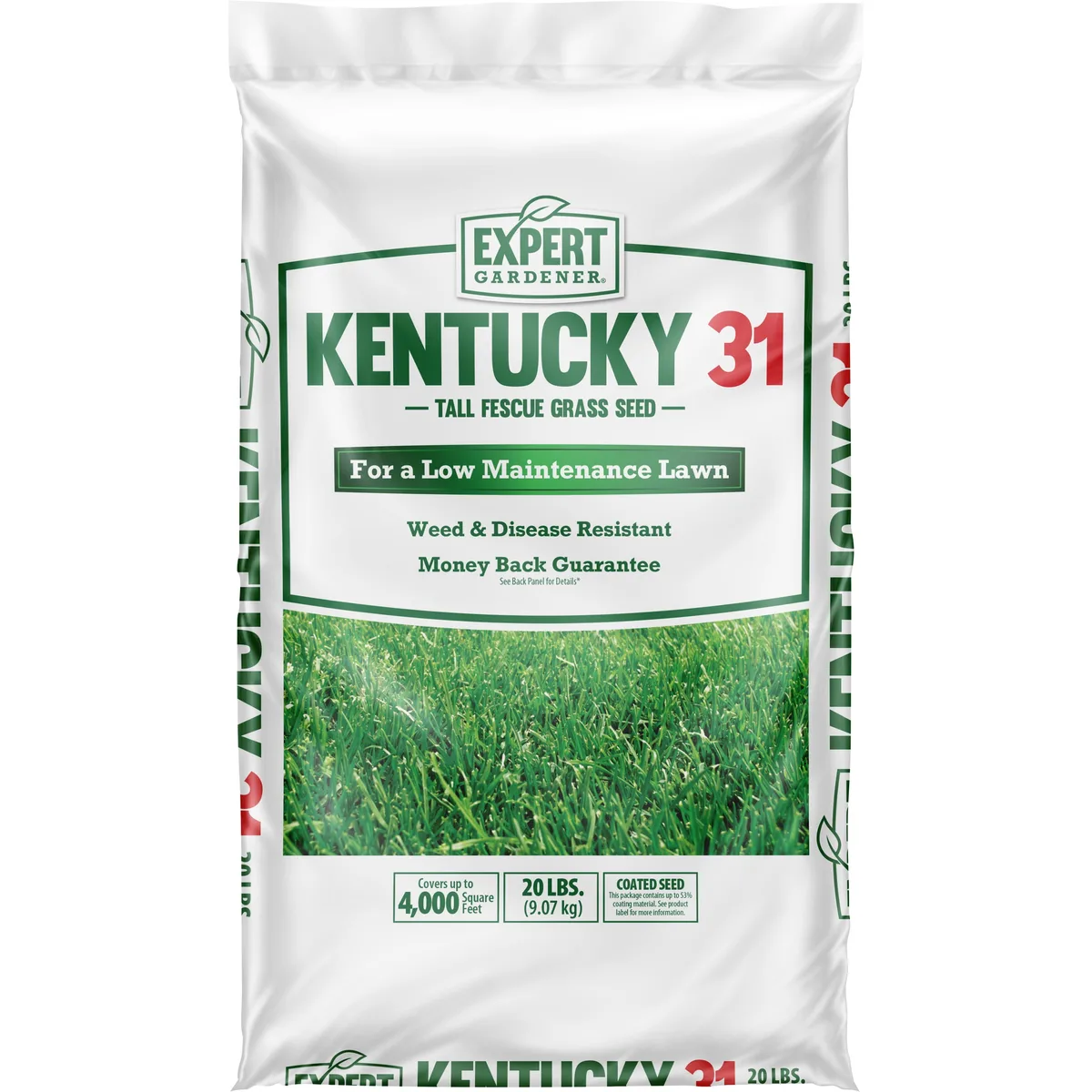
Image source: Bing (Web (fair-use with source credit))
Get the number wrong in either direction and the field tells you. We’ve watched the same failure modes show up across extension trial reports and grower accounts:
- Too thin on a lawn: bare soil stays open, and crabgrass moves in by midsummer.
- Too thick on a lawn: seedlings crowd each other, disease pressure climbs, and you’ve torched money.
- Too thin on pasture: weeds fill every gap the fescue missed.
- Too thick on pasture: young plants fight over water and the stand stunts.
There’s a third trap hiding inside the question, too. The person quoting you a rate might be quoting for coated seed, which can weigh nearly double per pound of actual seed. Two neighbors can seed the same field at “the same rate” and get completely different stands.
So the real question isn’t “what’s the rate?” It’s “which job am I doing, with what equipment, into what seedbed?” Those are the branches that follow. Answer them first, and the rate picks itself.
The Four Variables That Set Your Rate
Before any number makes sense, four inputs need to be on the table. Miss one and your calculation is wrong before the spreader ever rolls.
- Purpose. If you’re seeding a lawn, plan on the heavy turf rate. If you’re seeding pasture or hay ground, the forage rate runs a fraction of that. And if the bag reads fine fescue rather than tall fescue, stop, because fine fescue is a different species altogether with its own rate and its own care quirks.
- Equipment. If a no-till drill is placing the seed, the rate drops roughly a quarter compared with broadcasting. If you’re spreading by spinner or by hand, add a 10 to 15 percent cushion for uneven coverage.
- Seedbed condition. If the ground is tilled and firmed, seed goes further. If you’re slot-seeding into living sod, the rate drops again, because you’re thickening a stand rather than building one.
- The seed tag. If the bag is coated, a chunk of its weight is clay, not seed. Bulk pounds lie until you convert to pure live seed, and we’ll do that math a few sections down.
Extension rate tables as of 2026 look a lot like the ones printed decades ago, because the underlying agronomy hasn’t moved. What has changed is seed coating and new varieties, which is why the same question asked in 1990 and asked today can get two honest answers.
There’s one variable that shifts timing instead of rate: region. If you’re in the northern fescue belt, your fall window opens earlier. If you’re in Georgia or Arkansas, it stretches later.
The pounds stay put either way.
Branch 1: New Lawn or Overseeding? Turf Rates That Match the Job
If you’re starting a lawn from bare ground, the number is 6 to 8 pounds of tall fescue per 1,000 square feet. That sounds enormous until you picture the plant. Tall fescue is a bunchgrass that doesn’t creep or spread, so every gap you leave stays a gap until seed fills it.
The heavy rate forces tiller density in year one, which is what makes a lawn look like a lawn instead of a crop.
Here’s the per-acre math. One pound per 1,000 square feet equals 43.56 pounds per acre. Multiply the lawn rate out and a full establishment job runs roughly 260 to 350 pounds per acre, or five to seven 50-pound bags.
| Job | Per 1,000 sq ft | Per acre |
|---|---|---|
| New lawn, bare soil | 6-8 lbs | 260-350 lbs |
| Overseeding a thin lawn | 3-4 lbs | 130-175 lbs |
| Heavy renovation, thin stand | 4-5 lbs | 175-220 lbs |
The if/then logic is straightforward. If you’re seeding into tilled, bare soil, take the full rate. If you’re thickening an existing stand, cut it by half, because the plants already there shade the soil and the new seed only has to fill edges.
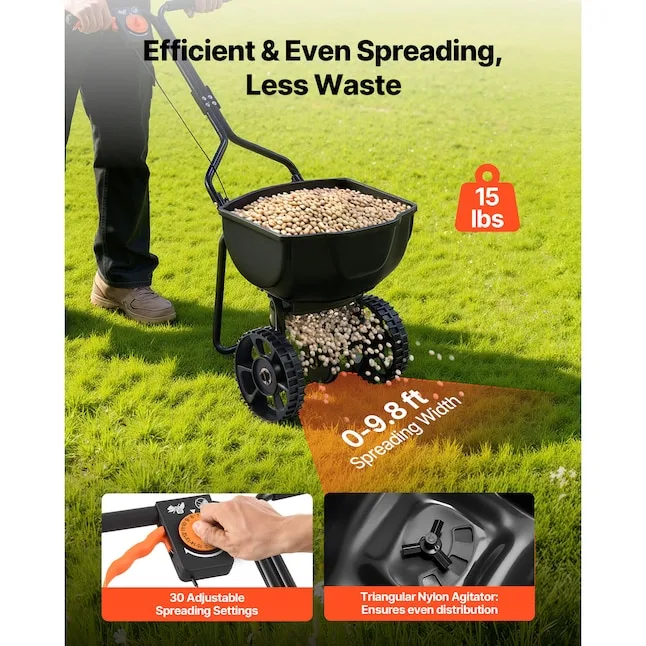
Image source: Web (Bing) / lowes.com
Check the bag before you lock in a number. Most turf-type blends pair tall fescue with a splash of Kentucky bluegrass, and shade mixes cut in fine fescue. That second grass earns its keep in dim corners, but it fades in hot, bright yards, hot, bright yards included, and it drags along its own care rules, right down to a midsummer watering routine.
If your blend is heavy on fine fescue, the coverage per pound shifts a bit, so read the label rate first and adjust from there.
One last lawn note. Broadcasting onto bare soil without rolling afterward wastes some of that expensive rate to fluff and birds. If you don’t own a cultipacker, a lawn roller set light does the same job.
Branch 2: Pasture, Hayfield, or Renovation? Forage Rates by Method
Forage seeding flips the turf math. If a drill is doing the work, plan on 15 to 20 pounds of tall fescue per acre.
The gap comes down to placement. A drill meters seed into neat rows at a set depth, so almost every seed lands where it can live. Broadcasting scatters seed on the surface, where birds, wind, and crusted soil all take a cut.
That’s why broadcast jobs run 20 to 25 pounds per acre, and a rough, clumpy seedbed justifies another 10 to 15 percent on top of that.
| Method | Rate per acre | Notes |
|---|---|---|
| Drilled | 15-20 lbs | Precise depth, best establishment |
| Broadcast | 20-25 lbs | Roll or cultipack afterward |
| Interseeding into sod | 10-15 lbs | Drill only, suppress existing sod first |
Renovation into living sod is its own branch. If the pasture still has grass on it, drill 10 to 15 pounds into the sod after you’ve grazed hard or sprayed the competition down. Broadcasting into unsuppressed sod is the most reliable way to watch a stand fail.
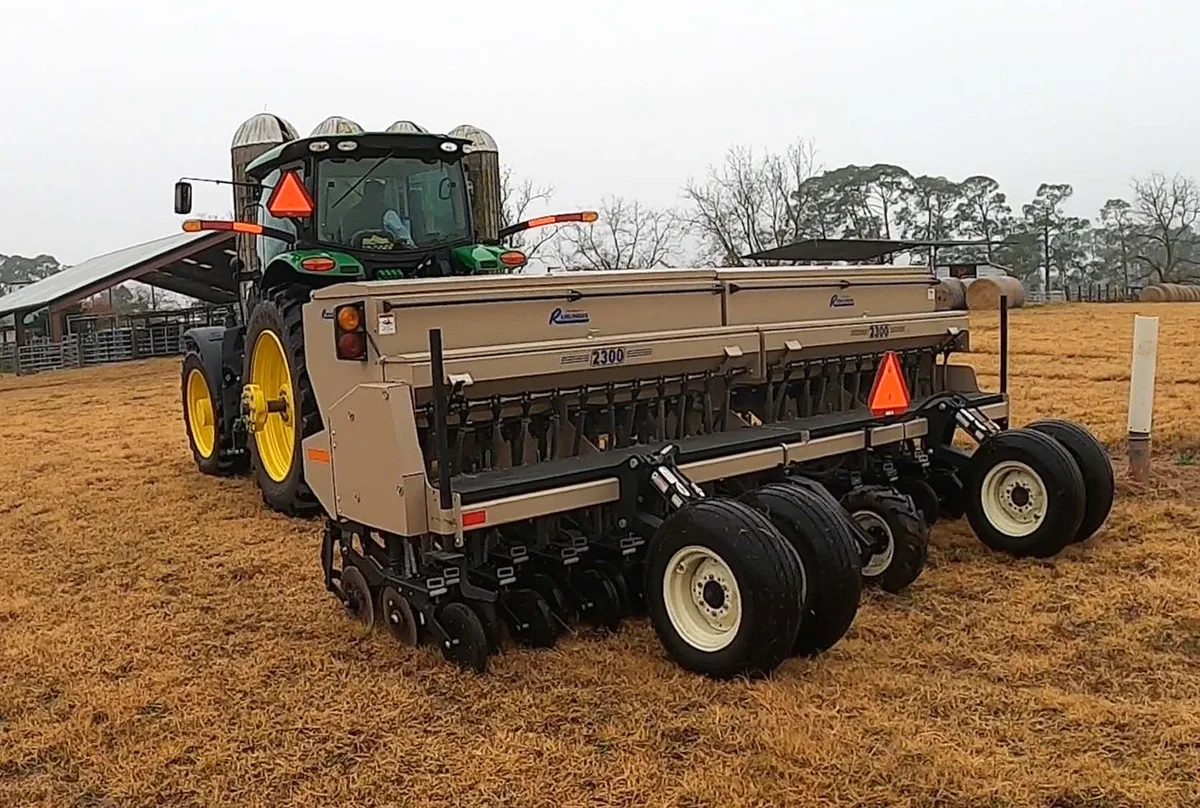
Image source: Web (Bing) / remlingermfg.com
Variety shifts the calculation too. Kentucky 31 remains the cheap workhorse of the fescue belt, and broadcast-and-forget seeding is exactly how it earned that reputation. Novel endophyte varieties like Jesup MaxQ cost several times more per pound, because they solve the fescue toxicosis problem without giving up persistence.
The seeding rate itself barely moves between varieties, and the NRCS plant guidance treats tall fescue establishment the same across them. The economics change, though. Nobody wastes novel endophyte seed on a sloppy broadcast job, so if you’re planting it, drill it.
Scale is the last piece. If you’re seeding hundreds of acres, the difference between 15 and 25 pounds per acre adds up to truckloads of seed. That’s why forage growers calibrate the drill rather than eyeball it, and why your rate should come from your method, not from a forum post.
Every rate so far assumes you’re spreading viable seed. The tag on the bag tells you whether that assumption holds, and most buyers walk right past it. That’s the most expensive two minutes in the store.
Read the Tag First: Bulk Pounds vs. Pure Live Seed
Pure live seed, or PLS, is the share of a bag that’s actually viable seed. Federal and state seed laws require every tag to list purity and germination, and the USDA’s Agricultural Marketing Service enforces that labeling under the Federal Seed Act. The math takes one line.
PLS (lbs) = bag weight × purity % × germination %
A real example. Say you’re holding a 50-pound bag testing at 96 percent purity and 85 percent germination. Multiply it out: 50 × 0.96 × 0.85.
You’re buying 40.8 pounds of live seed, not 50.
Coating complicates things further. Manufacturer specifications for water-absorbing coated seed show that clay and polymer can make up a third to half the bag’s weight, and germination is only tested on the bare seed. A 50-pound coated bag might hold 30 pounds of actual material before you even apply germination.
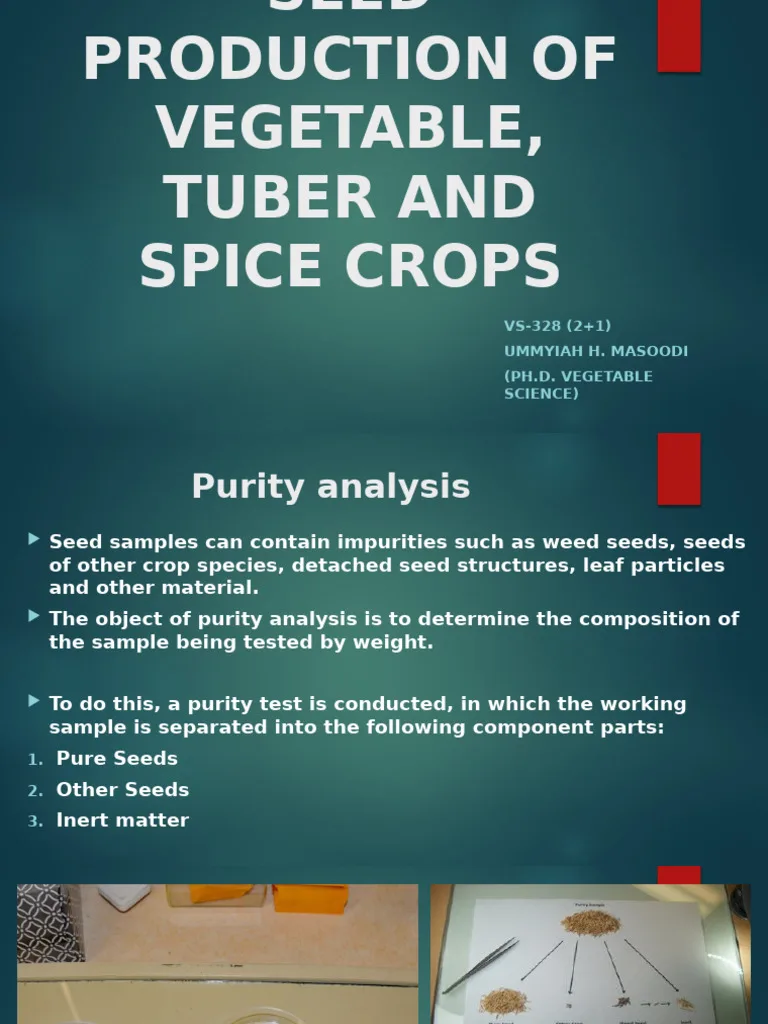
Image source: Web (Bing) / scribd.com
So how does this change your rate? If an extension table calls for 20 pounds per acre, that’s a PLS rate. If your bag tests at 82 percent PLS, divide: 20 ÷ 0.82, then round up.
That’s roughly 25 bulk pounds per acre to hit the same stand.
If you’re comparing two bags side by side, ignore the shelf price. Divide price by PLS pounds. A $60 bag with 46 pounds PLS costs $1.30 per live pound.
A $55 coated bag with 33 pounds PLS costs $1.67. The “cheaper” bag is 28 percent pricier where it counts.
If the tag lists under 80 percent germination, put it back. Old seed costs the same as fresh seed and establishes like half the field missed the rain.
Seeding Day Workflow: Depth, Equipment, and Timing
Rates only pay off when the seed lands right. Tall fescue seed is chunky by grass standards, but it still can’t push through more than half an inch of soil. Here’s the sequence extension seeding guides keep repeating.
- Calibrate before you commit. Run the drill or spreader across a measured strip and catch the output. If the meter is off by a third, your rate is off by a third.
- Set depth to 1/4 to 1/2 inch. If seed sits on the surface after a pass, go deeper. If you dig and find seed an inch down, ease off. Too deep is the top establishment killer.
- Split the rate. Divide your total in half and apply two passes, perpendicular to each other. Broadcast patterns run heaviest under the hopper, and cross-seeding evens them out.
- Firm the seedbed. A cultipacker or light roller presses seed into soil contact. Skip this on a broadcast job and you’re feeding the birds.
- Hit the window. Fall runs late August through mid-October across the fescue belt, opening earlier up north and stretching later down south. Spring seeding works February through April, but crusted soil and weeds fight back harder.
- Keep moisture steady. New lawns need the surface damp for two to three weeks, which can mean daily watering in dry spells. Pastures wait on rain.
Seedlings should emerge within two to three weeks. If you’re unsure what came up versus what blew in, it helps to know how to identify new fescue seedlings before you declare victory or failure.
First mowing comes once the stand reaches about four inches, cutting no lower than three. After establishment, feeding matters more than rate, and mature fescue responds best to a fall feeding schedule rather than heavy spring nitrogen.
What Seed Actually Costs Per Acre
Seed cost swings as hard as the rate does, because it’s driven by the same branches: lawn versus forage, and bare versus coated. As of 2026, retail prices on 50-pound bags run roughly $45-75 for uncoated Kentucky 31, $80-120 for turf-type lawn blends, and $4-7 per pound for certified novel endophyte varieties like Jesup MaxQ through dealers.
Here’s what a full seeding job runs per acre at those prices:
| Scenario | Rate per acre | Seed cost per acre |
|---|---|---|
| New lawn | 260-350 lbs | $500-800 |
| Overseeding a lawn | 130-175 lbs | $250-400 |
| Drilled pasture, KY-31 | 15-20 lbs | $16-30 |
| Broadcast pasture, KY-31 | 20-25 lbs | $20-38 |
| Drilled novel endophyte | 15-20 lbs | $75-140 |
Two pricing notes worth knowing. Bulk totes and farm-supply pricing drop the per-pound cost once you’re buying 500 pounds or more, which matters for lawn contractors but not for one-acre jobs. And coated lawn seed only looks expensive or cheap after the PLS conversion from the last section.
The trap is overspending in reverse. If you seed a thin lawn at the new-establishment rate, you’ve paid double for seed the existing turf doesn’t need. That’s money a drop-spreader pass at half the rate would have left in your pocket.
And where does the “cheap bag” cost more? A failed stand. If bad seed, deep planting, or a skipped roll costs you the seeding, the redo doubles your seed bill and pushes establishment back a full year.
Buy honest seed once.
Mistakes That Waste Seed or Ruin the Stand
Most failed fescue seedings trace back to one of a handful of errors. Every one of them is avoidable with a five-minute check.
- Planting too deep. Seedlings burn their reserves before reaching light. If you’re finding seed an inch down, raise the drill or back off the spreader setting.
- Skipping the soil test. Fescue wants a pH near 6.0 to 6.5, and lime takes months to move the number. Test in summer so fall seeding lands on corrected ground.
- Grazing before the tug test. Grab a handful of seedlings at 6 to 10 inches and pull. If they rip out by the roots, the cattle wait. Rotational grazing pressure too soon kills more new pastures than drought does.
- Herbicide carryover. Residuals from a prior crop or a year-old roadside spray can wipe out seedlings before they show. Know the field’s spray history and the plant-back interval before you drill.
- Treating every rate as interchangeable. Broadcasting at drilled rates gives you a thin stand. Seeding an overseeding job at new-lawn rates burns money. Match the branch to the job.
- Using old or overheated seed. A bag stored through summer in a metal barn can lose real germination points. Buy fresh for seeding season, and use last year’s leftovers on a patch job, not a main stand.
- Feeding too early. Heavy nitrogen on new seedlings scorches them before roots develop. Wait until the stand is established, then time applications to the season the grass actually uses them.
If a seeding does fail, don’t reseed blind. Diagnose which of these hit you first, because repeating the same rate with the same mistake just doubles the loss.
Frequently Asked Questions
Can one 50-pound bag cover a full acre?
For a drilled pasture, yes. At 15 to 20 pounds per acre, a single bag does the job with a little left over. Broadcast jobs at 20 to 25 pounds still fit one bag.
A new lawn is a different animal, since the turf rate tops 260 pounds per acre and needs five to seven bags.
What if I’m frost seeding or mixing in clover?
Frost seeding is broadcasting onto frozen ground, so use the broadcast rate plus the usual 10 to 15 percent cushion, because freeze-thaw coverage is unpredictable. For mixes, seed each species at its own rate and calculate the fescue PLS separately. Don’t just split one bag two ways.
How much extra seed for erosion control or thin soils?
Erosion control runs at the new-lawn rate or heavier, since fast ground cover is the entire point, and slopes justify adding another 10 percent. Thin, rocky, or droughty soils favor the high end of any broadcast range, because establishment odds per seed are lower there.
What’s the quickest way to figure out my rate?
Four checks, in order. First, name the job: new lawn, overseeding, or forage. Second, name the method: drill or broadcast.
Third, read the tag and convert to PLS. Fourth, add 10 to 15 percent if you’re broadcasting. Run those in under a minute and you’ll land within a bag of the right answer.