Can Fine Fescue Tolerate Full Sun? What to Know
If you’ve been wondering whether fine fescue can handle full sun, the short answer is: it depends on the variety and your specific conditions. Hard fescue and sheep fescue can take it, while creeping red fescue will scorch and thin out.
In our research, University of Minnesota Extension trials show that hard fescue tolerates up to eight hours of direct sunlight in cooler climates, but creeping red fescue begins to struggle after just six. The key is matching the right species to your site’s sunlight, soil, and moisture. Let’s walk through what actually determines that tolerance.
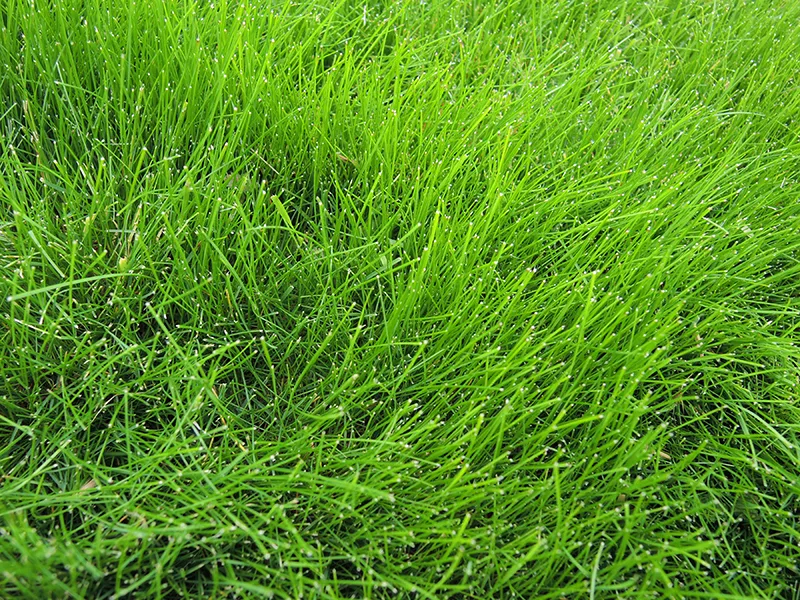
Image source: Web (Bing) / extension.umn.edu (Web image (fair-use with source credit))
Quick Answer: Can Fine Fescue Tolerate Full Sun?
Yes, but only some varieties. Hard fescue and sheep fescue tolerate full sun best. Creeping red fescue does not.
Heat and drought stress are the main risks. Choose the right species for your climate and soil moisture.
What Actually Determines Sun Tolerance in Fine Fescue
Fine fescue isn’t one grass. It’s a group of five species, and each handles sunlight differently. The most important factor is which species you’re planting.
| Species | Sun Tolerance | Best Use |
|---|---|---|
| Hard fescue | High (up to 8 hours) | Full sun in cool climates |
| Sheep fescue | High (up to 8 hours) | Dry, sunny, low-fertility sites |
| Chewings fescue | Moderate (4–6 hours) | Partial shade or morning sun |
| Creeping red fescue | Low (under 4–6 hours) | Shade, not full sun |
| Slender creeping red | Low (under 4 hours) | Shade, moist soil |
Soil moisture is the second big factor. Fine fescue has shallow roots. When the top few inches of soil dry out in full sun, the grass goes dormant or dies.
Sandy soil dries fast. Clay holds moisture longer. If you’re planting in full sun on sandy soil, even hard fescue will struggle without regular water.
Climate zone matters too. Fine fescue is a cool-season grass. It thrives in USDA zones 3 through 7.
In the Pacific Northwest or upper Midwest, hard fescue can handle full sun because summers are mild and rain is frequent. In the transition zone (zones 6, 7), afternoon heat above 85°F stresses the grass, even the tolerant varieties.

Image source: Web (Bing) / lawnal.com (Web image (fair-use with source credit))
The Decision Tree: Which Fine Fescue for Your Sunlight?
Use this simple if/then logic to pick the right species for your site.
If you have 6+ hours of direct sun and live in a cool climate (zones 3, 6): Choose hard fescue or sheep fescue. These are the most sun-tolerant varieties. Plant them in early fall.
Keep soil moist during establishment. After that, they need very little water or fertilizer.
If you have 4, 6 hours of sun or morning sun only: Chewings fescue or a blend of hard and creeping red fescue works well. This combination handles partial shade and still tolerates some direct light.
If you have less than 4 hours of direct sun: Creeping red fescue is your best bet. It’s the most shade-tolerant of the group. Do not plant it in full sun.
It will thin out and die back by midsummer.
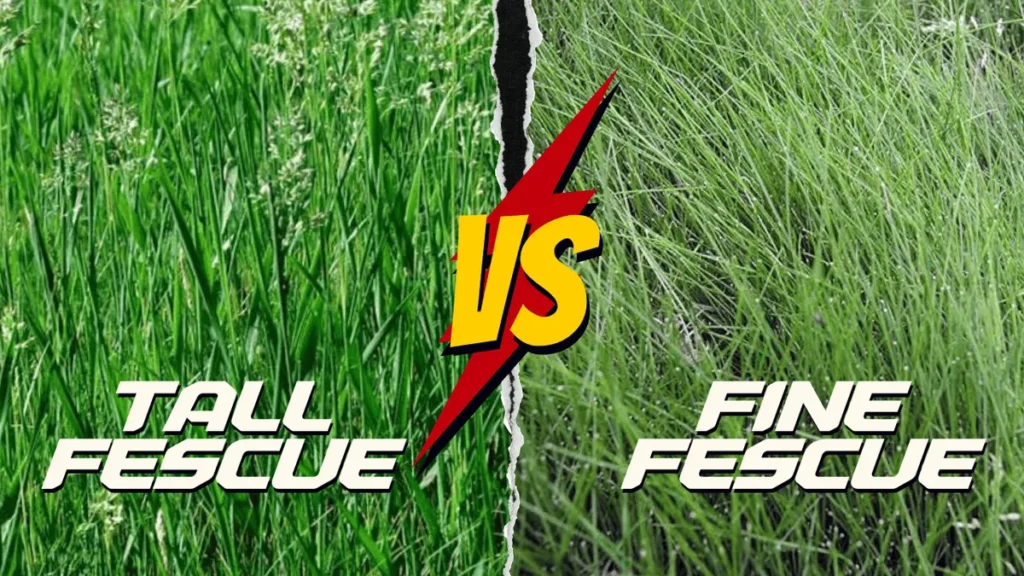
If you’re in the transition zone (zones 6, 7) with full sun: Consider a blend of hard fescue and tall fescue instead. Tall fescue handles heat much better. Pure fine fescue is risky here unless you’re willing to water regularly.
If you’re planting in dry, sandy soil with full sun: Sheep fescue is the most drought-tolerant option. It’s a tough, wiry grass that survives on very little. It won’t look like a manicured lawn, but it stays green.

Image source: Bing (Web (fair-use with source credit))
Common Mistakes That Kill Fine Fescue in Full Sun
The biggest mistake is assuming all fine fescue is the same. Creeping red fescue is sold everywhere. It’s the most common variety in shade mixes.
If you plant it in full sun, it will fail.
The second mistake is mowing too short. Fine fescue in full sun needs a taller cut. Set your mower to 3 to 4 inches.
Taller grass shades the soil, holds moisture, and keeps the roots cooler. Mowing at 2 inches in full sun is a death sentence.
The third mistake is overwatering. Fine fescue is drought-tolerant once established. Watering daily in summer encourages shallow roots and disease.
Water deeply once a week instead. If you see the grass curling or turning blue-gray, it’s stressed. Otherwise, let it be.

Image source: Bing (Web (fair-use with source credit))
Frequently Asked Questions
How much sun can fine fescue handle?
Hard fescue and sheep fescue tolerate up to 8 hours of direct sun in cool climates. Chewings fescue handles 4 to 6 hours. Creeping red fescue should stay under 4 hours of direct sun.
Should I water fine fescue in full sun?
Yes, but only deeply once a week. Frequent shallow watering weakens the roots. Fine fescue is drought-tolerant.
Let the soil dry between waterings. Overwatering causes disease.
Can I mix fine fescue with other grasses for full sun?
Yes. A blend of hard fescue and tall fescue works well in full sun. Tall fescue handles heat.
Hard fescue adds fine texture. This mix is common in the transition zone.
How do I know if my fine fescue is getting too much sun?
Look for straw-colored patches, thinning turf, and leaf tips turning brown. The grass may go dormant in midsummer. If it’s creeping red fescue, it will likely die back.
If it’s hard fescue, it may recover with fall rain.
Final Verdict: Should You Plant Fine Fescue in Full Sun?
Yes, but only if you pick the right species and manage expectations. Hard fescue and sheep fescue are your best bets for sunny spots in cool climates. They handle the heat, need little water, and stay green with minimal fuss.
For everyone else, blending fine fescue with tall fescue gives you the texture you want without the sunburn. And if you’re in the transition zone with full sun, skip the pure fine fescue. You’ll save yourself a dead lawn and a lot of frustration.
The bottom line is simple. Match the species to your sunlight. Keep the mower high.
Water deep but rare. If you do those three things, fine fescue can work in full sun. If you don’t, it won’t.