Is Kentucky Bluegrass Blue? The Fascinating Truth
Is Kentucky bluegrass blue? It’s a question that stops first-time lawn owners and even experienced gardeners mid-stride. You hear “bluegrass” and picture something closer to a summer sky than a suburban lawn.
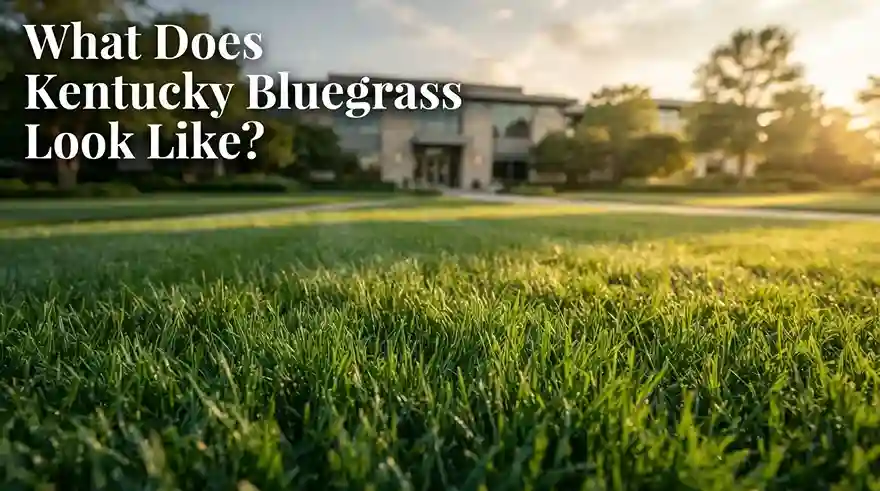
But when you look at an actual Kentucky bluegrass turf, you see a carpet of deep green, not swimming-pool blue. That gap between name and reality is what makes the whole topic worth untangling.
Most Kentucky bluegrass lawns in North America rate between 6 and 8 on the NTEP visual color scale, which measures green intensity. The name isn’t false advertising. It’s a clue about something subtle hiding on every leaf blade, something you can spot once you know exactly where to look.
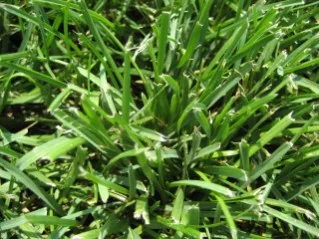
Image source: Bing (Web (fair-use with source credit))
Quick Answer
Kentucky bluegrass is not blue like a crayon. Its leaf blades are a rich, dark green most of the time. Under the right light, a faint blue-green cast appears.
That trace of blue comes from a waxy coating on the leaf surface. The common name points to a real plant trait, not a grass that’s actually blue.
Why the Kentucky Bluegrass Name Sets Up a Visual Disconnect
Calling something “bluegrass” when it looks undeniably green creates an instant mental mismatch. The name predates lawn culture. Early European settlers moving through the region that became Kentucky saw vast, open pastures of this grass.
On overcast mornings with dew still clinging to the blades, those fields took on a distinctive bluish haze. That hazy impression stuck and became part of the local lexicon long before anyone worried about residential curb appeal.
There’s another layer to the name. In late spring, Kentucky bluegrass pushes up seed heads that carry a subtle purplish-blue tint before they mature. That temporary display reinforces the bluegrass label, even though the grass itself stays green down at mowing height.
Add in the cultural weight of the “bluegrass” music genre (named after the plant, not the other way around) and you have a word that’s loaded with regional pride and visual expectation.
So the disconnect isn’t a mistake. It’s just a name that describes what early farmers noticed from a saddle or a wagon, not what a homeowner sees from a lawn chair. When you hear someone say their Kentucky bluegrass lawn “has a blue hue,” they aren’t exaggerating.
They’re catching a fleeting optical trick the plant performs under very specific conditions.
That optical trick matters because it’s built into the plant’s anatomy, not the soil or the fertilizer bag. Grasping that early saves you from chasing a color that isn’t supposed to dominate and helps you appreciate the subtle, living paint job unfolding right at blade level.
The Glaucous Coating That Explains the Blue Tint
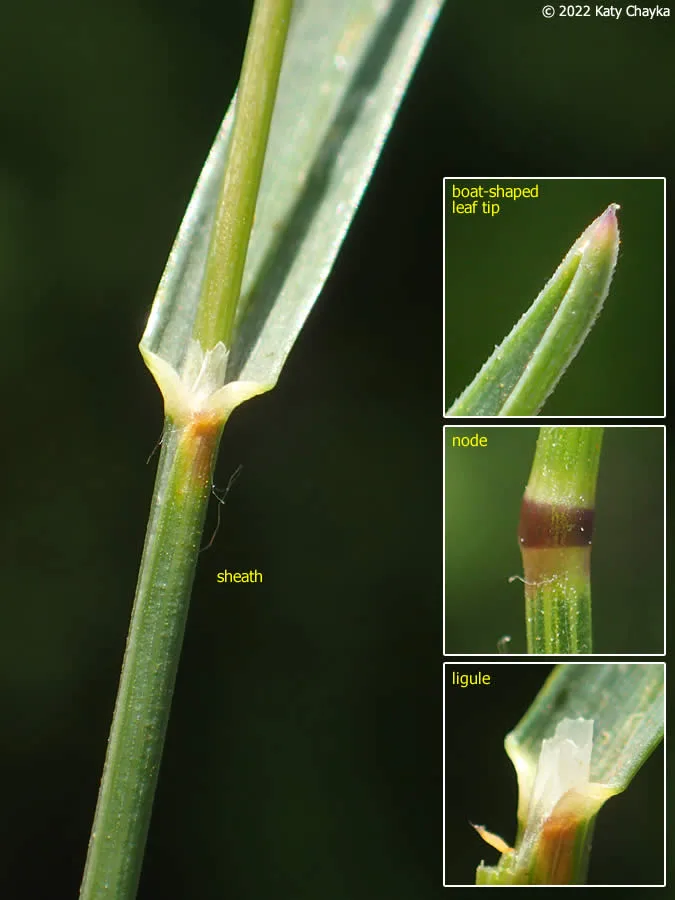
Image source: Web (Bing) / minnesotawildflowers.info
The real reason Kentucky bluegrass can look blue lives in a nearly invisible layer of wax. Botanists call it a glaucous coating, the same kind of whitish bloom you notice on blueberries, certain hostas, or the surface of a ripe plum. On grass blades, this epicuticular wax sits right on the outermost cell layer, diffusing light instead of reflecting it in a sharp, green spectrum.
When light hits a leaf without a heavy wax layer, it bounces off the green chlorophyll inside and reads as pure green. When light hits a glaucous blade, some of it scatters off the wax before it ever reaches the green tissue. That scatters the blue and violet wavelengths more than the longer reds and yellows.
The result for the human eye is a soft, silvery blue-green cast, subtle enough that you’ll miss it unless you’re looking for it.
Not all Kentucky bluegrass plants produce the same amount of wax. The thickness of the coating varies by cultivar, by how the grass is managed, and by the weather it endures. A lawn that’s stressed by drought often ramps up its waxy cuticle to conserve moisture, which can intensify the blue tint temporarily.
That’s evolution at work. The plant thickens its protective shield, and in doing so, gives you a more visible glimpse of what gave the species its name.
Hold a single Kentucky bluegrass blade up to a bright, overcast sky and turn it slowly. The waxy surface catches the light at a shallow angle and you’ll see a faint white-blue sheen. That’s the glaucous coating in action.
It’s not a pigment. It’s a physical effect. And once you’ve seen it up close, you’ll start spotting it across your lawn on those cool, damp mornings when conditions align.
University of Minnesota Extension’s detailed profile of Kentucky bluegrass describes the leaf texture and mentions the bluish-green color variation you get from well-maintained turf with a strong waxy cuticle. The USDA Plants Database lists glaucous leaves among the species’ identifying traits for Poa pratensis. So the coating isn’t a lawn-care myth.
It’s a documented, measurable plant characteristic that happens to be invisible at first glance.
That invisibility is the whole game. If you mow low and irrigate heavily with nitrogen-rich feeding, you’re scrubbing away the visual conditions the coating needs to perform. The wax stays there, but the light never catches it right.
So your bluegrass lawn looks as green as a painted fence. Not because the blue isn’t real, but because you’ve hidden it from view.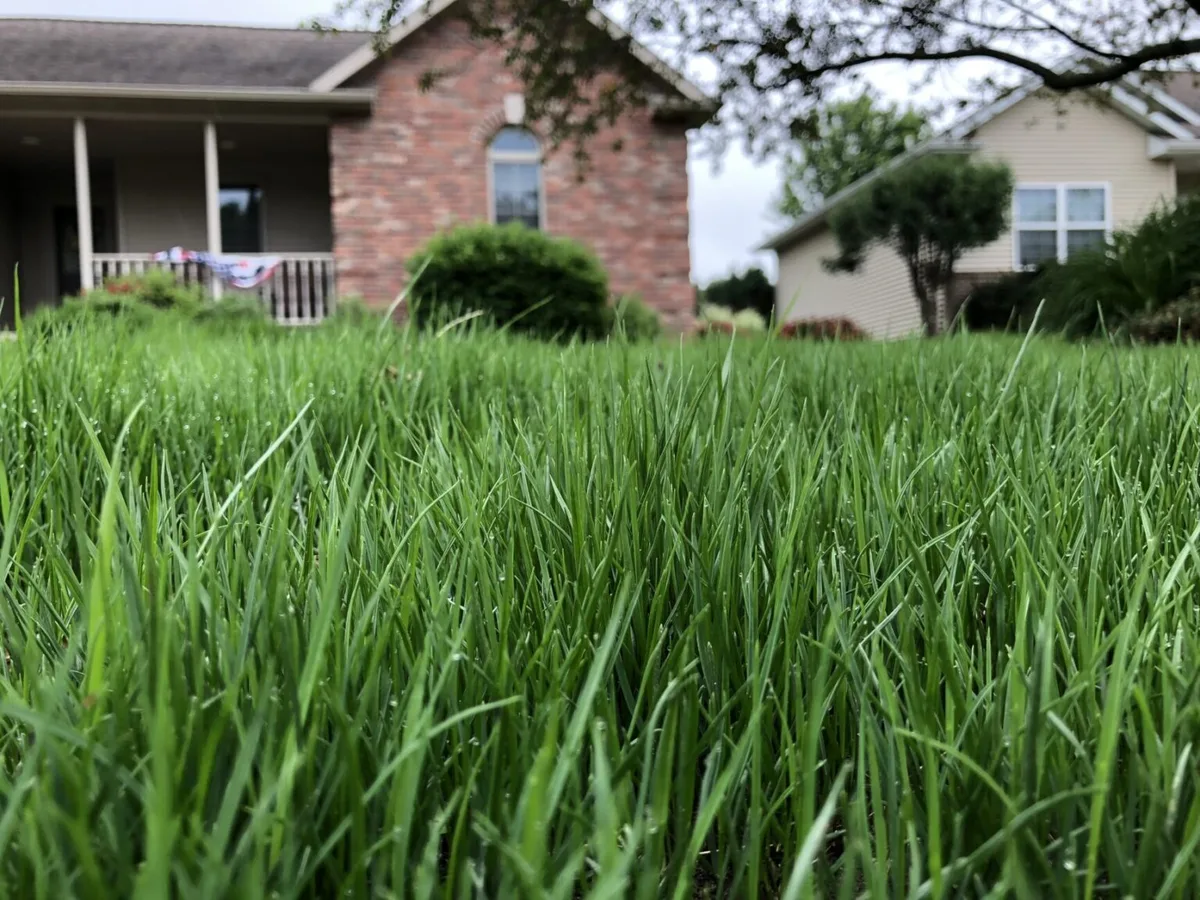
Image source: Web (Bing) / backyardfanatics.com
Where the Blue Shows Up: Light, Angle, and Real-Lawn Conditions
Kentucky bluegrass usually looks green, but its leaves can show a subtle blue-green tint under certain conditions. Lighting, the leaf’s waxy coating, and moisture can affect how that color appears.
Light matters most when observing the color. Look at your lawn in the early morning or late afternoon, when sunlight hits the grass at a lower angle. Compare its appearance with the same lawn at midday. You may notice a cooler blue-green cast, although the effect varies by cultivar and growing conditions.
Dew can also change how the blades reflect light. However, a blue appearance is not guaranteed, even on damp grass. Kentucky bluegrass generally remains green, and the tint may be too subtle to notice in many lawns.
For the most accurate identification, check the grass’s leaf shape and growth pattern rather than relying on color alone.
Does Kentucky Bluegrass Look Blue All Year?
No, Kentucky bluegrass does not look blue all year. Its blades remain mostly green, and the faint blue-green tint appears only when conditions allow it to show. As explained above, light angle, dew, and the leaf’s waxy coating can change how the grass looks.
Seasonal changes also affect what you notice. In spring, developing seed heads may show a purplish-blue tint before turning tan. During other parts of the year, your lawn may look simply dark green. These changes are normal and do not mean your grass has lost its natural color.
How Mowing Height and Leaf Blade Width Change What You See
Mowing height can change how Kentucky bluegrass looks, but it does not make the grass truly blue. The subtle blue-green tint depends on the leaf’s waxy coating, lighting, and cultivar.
Very short mowing leaves less visible blade surface, while taller grass exposes more of the leaves. However, mowing height alone does not guarantee a stronger blue tint. Leaf width and natural color differences between cultivars can also affect the lawn’s appearance.
Nitrogen affects color too. Adequate nitrogen supports healthy growth, but heavy applications can produce darker green foliage that makes a faint blue-green cast less noticeable. Watering practices also affect turf health, but you should not change them just to make the lawn look bluer.
For a healthy lawn, follow the recommended mowing height for your grass and avoid excessive fertilizer. Check the color in different lighting conditions before assuming your Kentucky bluegrass has a noticeable blue tint.
The Purplish-Blue Stage of Seed Heads and Early Growth
In late spring, Kentucky bluegrass sends up flowering stems that carry a faint purplish-blue tinge before the seed heads fully mature. That tint isn’t on the leaf blades. It sits on the developing inflorescence itself, a subtle wash of cool pigment that disappears once the seeds dry to tan.
For a week or two, a lawn left unmowed or allowed to go to seed can look dusted with color. The baby blue hue you might expect from the name actually shows up on these seed heads rather than the turf. Many homeowners spot it first in uncut borders or neglected corners.
It’s real. It’s just not where people usually look.
That seasonal show contributed to the common name’s staying power. Settlers would have seen pastures turning blue-tipped in early summer, a striking enough display to earn the grass a permanent label. When you notice it on your own lawn, you get a living history lesson wrapped in a bloom cycle.
Visual Misidentification Traps That Fool Homeowners
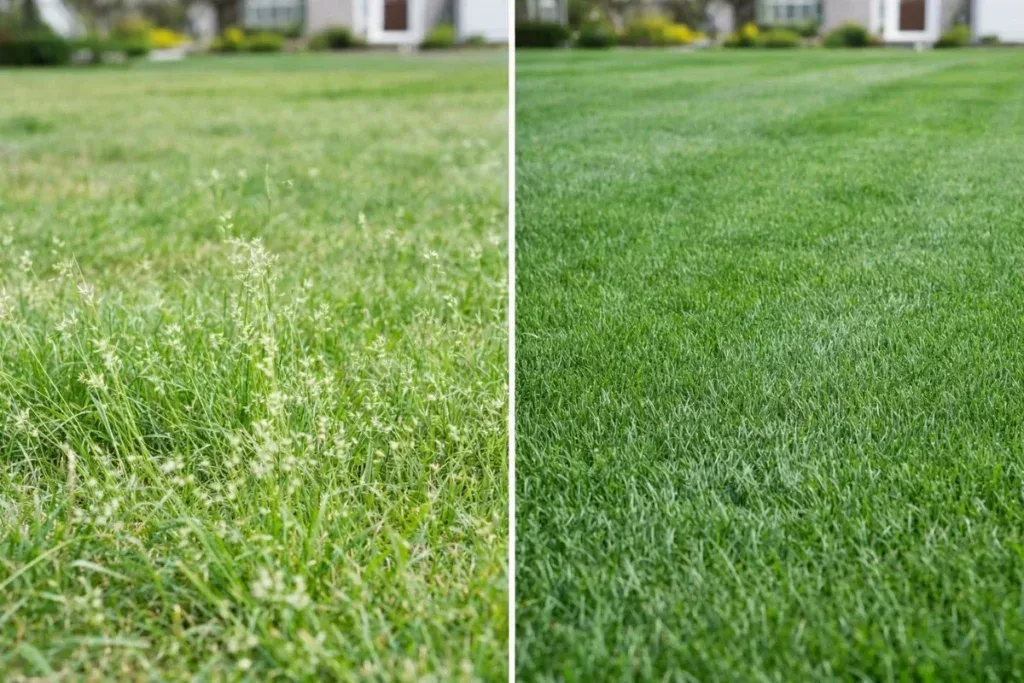
The biggest trap is thinking any bluish grass in a mixed lawn is Kentucky bluegrass. Several weedy grasses carry a similar glaucous coating. Poa annua, or annual bluegrass, can look nearly identical from a standing height, but its leaf tip is pointed, not boat-shaped.
That tiny difference matters.
Another impostor is tall fescue with a heavy wax layer. Some new fescue cultivars produce a blue-green look that rivals Kentucky bluegrass. Without checking rhizomes or the distinctive folded vernation in the shoot, you can easily mislabel the grass.
A quick tip: Kentucky bluegrass spreads underground; fescue clumps.
Crabgrass seedlings also fool people in early summer. They’re broad and pale green, not blue, but in certain light they catch a silvery sheen. That sheen isn’t glaucous wax.
It’s just fine hairs on the leaf surface scattering light. If you see a patch you suspect is bluegrass but it dies back with the first frost, you’re dealing with a warm-season annual weed, not a cool-season perennial.
Side-by-Side: Kentucky Bluegrass vs. True Blue Grasses
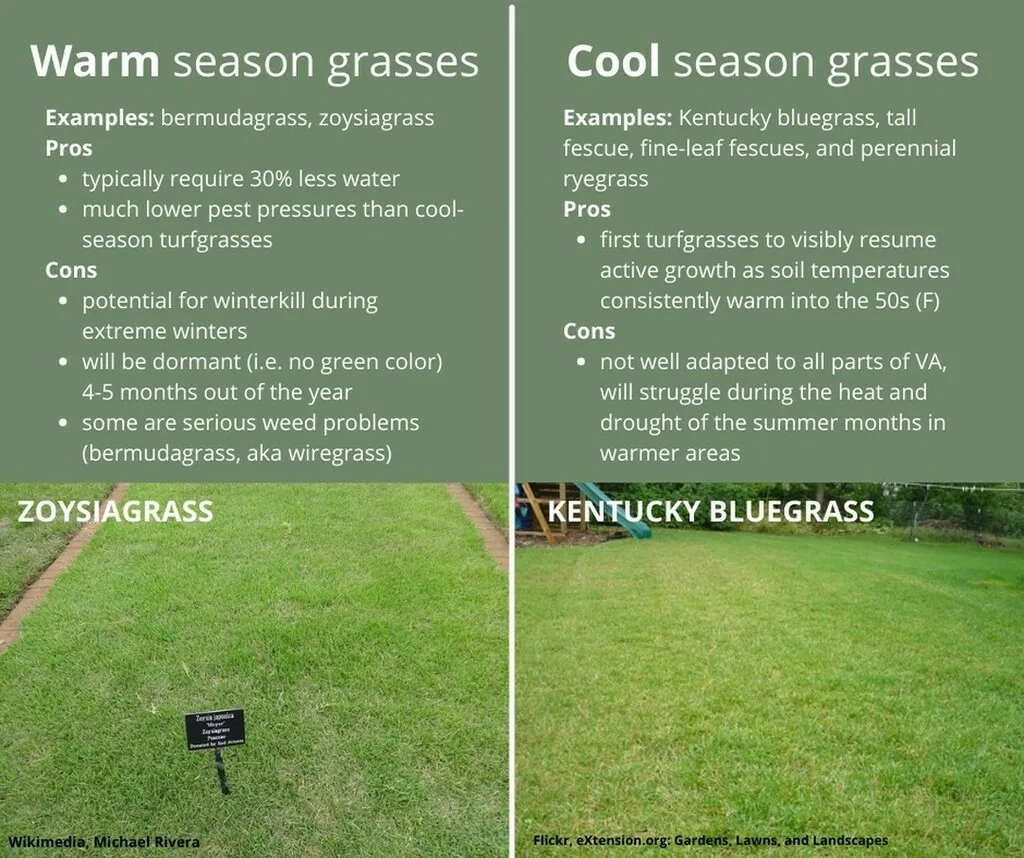
Image source: Web (Bing) / wordybirds.org
If you want genuinely blue turf, ornamental blue fescue is the closest you’ll get. Its blades are a powdery blue-grey, visible even at high noon. Kentucky bluegrass, by contrast, only whispers its blue under specific conditions.
Put the two side by side and the difference is stark. Blue fescue stays blue. Kentucky bluegrass stays green except for fleeting moments.
Blue grama, a native warm-season grass, also carries a blue-green cast that’s more pronounced than Kentucky bluegrass. But it’s a bunchgrass, not a spreading turf. Neither blue fescue nor blue grama forms the dense, rhizomatous lawn that Kentucky bluegrass provides.
So the trade-off is clear: you get a true blue color in small clumps, or you get a resilient, carpet-like lawn with an occasional hint of cool tone.
Cultivars Bred for the Strongest Blue-Green Cast
Turf breeders know the glaucous coating has visual appeal. Several Kentucky bluegrass cultivars were selected specifically to maximize the blue-green hue. Midnight, a popular choice since the 1980s, consistently scores high for dark color with a bluish undertone.
Award and Blue Velvet also push the blue end of the spectrum.
Newer releases like After Midnight and Blueberry take that trait further. These elite types combine dense growth with a cuticle thick enough to throw a visible blue sheen even under moderate mowing heights. University variety trials from Penn State and Rutgers often rate them highest on the “genetic color” scale, a 1 to 9 rating where 9 is darkest blue-green.
When you’re overseeding a thin spot and color is a priority, timing the seeding right gives these cultivars the best start. Early autumn seeding in cool soil lets the rhizomes establish before winter. Come spring, you’ll have a thicker stand that shows its bred-in blue potential.
The USDA Plants Database classifies all these cultivars under Poa pratensis L., noting the glaucous leaf trait across the species. So cultivar selection doesn’t create a new color. It simply amplifies what’s already there.
The pH, Nitrogen, and Water Factors Behind Color Shifts
Soil pH outside the sweet spot of 6.0 to 7.0 doesn’t change the wax layer directly. But it does reduce nutrient uptake, which weakens the plant and thins the canopy. Thin grass catches less light and shows less color.
A quick soil test from your local extension office tells you if you need lime or sulfur to dial things in.
Too much nitrogen deepens the green to the point where the blue disappears. Many lawn programs push 4 to 5 pounds of nitrogen per 1,000 square feet annually. That produces a lush, dark-green turf that looks great but kills the cool undertone.
Cutting back to 2 to 3 pounds per year, split between fall applications, keeps the grass healthy while letting the glaucous coating stay visible.
Watering habits matter just as much. Frequent, shallow irrigation keeps the leaf surface damp and can wash away some of the epicuticular wax over time. Deep, infrequent watering encourages the grass to build a thicker cuticle.
Let the soil dry between waterings. The grass will develop a stronger wax layer naturally. You’ll see the blue tint more often, plus you’ll reduce the risk of fungal outbreaks that thrive in constant moisture.
One external reference worth consulting is the University of Minnesota Extension’s guidance on Kentucky bluegrass lawn maintenance, which emphasizes mowing height and nitrogen moderation for optimal turf health. Their research consistently shows that the bluish tones are strongest in low-input, well-maintained lawns, not in overfed, scalped turf.
Step-by-Step: Spotting the Blue Tint in Your Own Turf
Head out on a dewy morning. Crouch low and look across the lawn. The silvery-blue sheen appears on the blade tips.
Quick Reference: Visual Identifier Checklist
Boat-shaped leaf tip, rhizomes, waxy sheen in low light, purplish seed heads? It’s Kentucky bluegrass.
FAQs About Kentucky Bluegrass and the Color Question
Is Kentucky bluegrass actually blue?
No. It’s deep green. A faint blue-green cast can appear under special light and moisture conditions.
Why is it called bluegrass?
The name comes from the bluish haze settlers saw across the fields and the purplish tint on the seed heads.
Can I make my lawn bluer?
Mow high, cut back nitrogen, and water deeply. The blue tint shows best on dewy mornings with low-angle sun.
Final Verdict: Green Grass, Blue Name, and the Light That Changes Everything
The blue is a fleeting trick of light and wax. Catch it at dawn, and the name finally clicks.