Will Ryegrass Kill Bermuda Grass? My Proven Lawn Guide
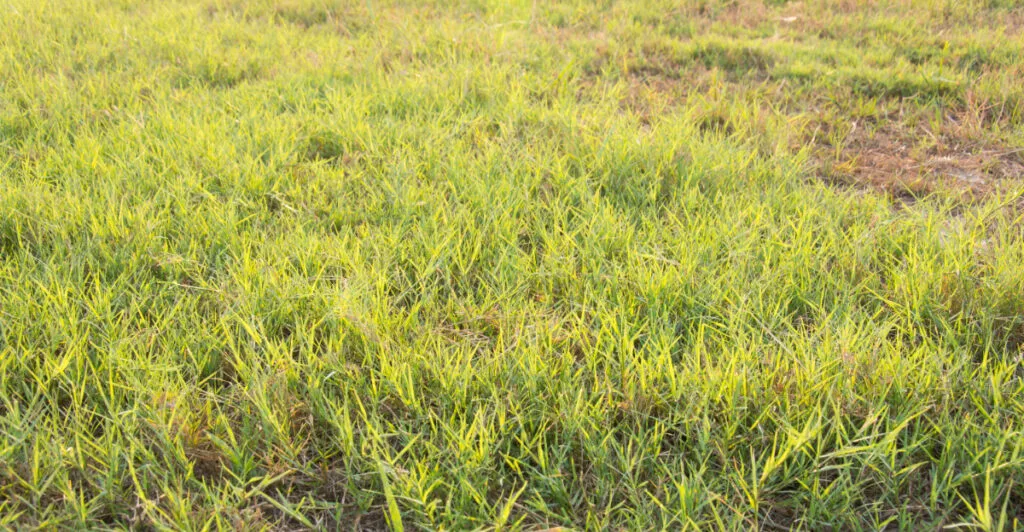
If you’ve typed “will ryegrass kill bermuda grass” into a search bar, you’re likely seeing a thin, patchy lawn. The short answer: no, ryegrass rarely kills Bermuda outright. But a thick stand can thin it 30–50% and delay green-up by weeks.
Quick Answer
No. Ryegrass rarely kills Bermuda grass completely. It can weaken it badly.
Annual ryegrass is safer. Perennial ryegrass is riskier. The real danger is spring transition.
Cool, wet springs let ryegrass hang on longer. That shades out Bermuda crowns. Thinning happens.
Bare spots show up. Good management prevents most damage.
“So, Is My Bermuda Going to Die or Not?” The Quick, Situational Answer
Most of the time, your Bermuda survives. Ryegrass (cool-season) thrives fall through early spring; Bermuda (warm-season) dominates in summer heat. The trouble comes during the handoff. Ryegrass actively grows when soil temperatures drop below 70°F, holding space while Bermuda is dormant. When spring arrives, both want the same territory.
- Annual ryegrass plus proper spring scalping? Bermuda greens up fine. Annual ryegrass dies naturally with heat—the safer overseeding choice.
- Perennial ryegrass plus a cool, wet spring? You’ve got a fight. It persists, shades out Bermuda stolons, and reduces spring density noticeably.
- Either type plus heavy nitrogen in April? You fed the ryegrass. Bermuda stays suppressed for weeks longer than it should.
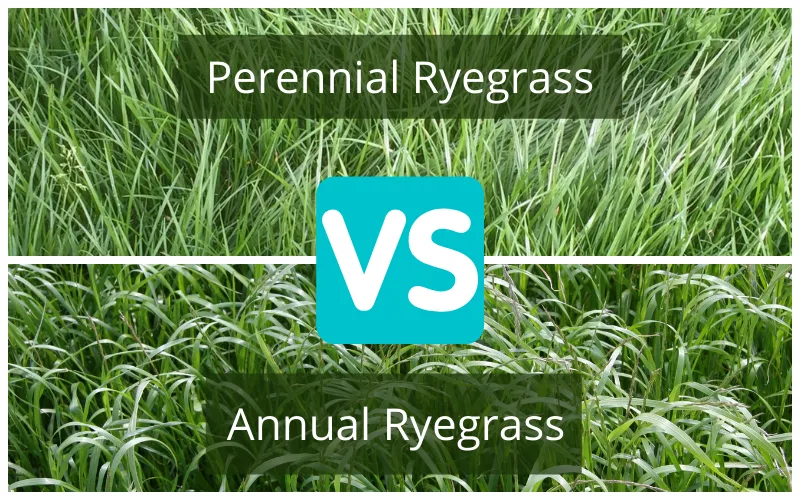
The difference between annual and perennial ryegrass matters enormously. One is a temporary guest; the other can become an unwanted roommate.
How to Tell if Ryegrass Has Suppressed or Actually Killed Bermuda
A brown Bermuda lawn does not always mean the grass is dead. Ryegrass can simply delay Bermuda’s spring green-up by blocking light and competing for moisture.
Look closely as spring temperatures rise. If you start seeing green Bermuda shoots, stolons, or runners underneath the ryegrass, the Bermuda is likely still alive but suppressed. Green-up should improve as the ryegrass thins and conditions become warmer.
Dead areas are more concerning. If a patch stays completely bare after the ryegrass is removed and Bermuda has had warm soil, adequate moisture, and sunlight, some crowns may have been lost.
Do not judge the lawn too early. Give Bermuda time to respond after the ryegrass declines. If bare patches remain well into active Bermuda growth, those areas may need plugging or sprigging.
The Two Grasses, Explained in 30 Seconds (So the Rest Makes Sense)
Bermuda grass is a warm-season perennial that spreads by stolons and rhizomes. It loves heat, hates shade, and goes fully dormant below 50°F soil temperature. When it’s awake, it’s aggressive; when dormant, it’s vulnerable.
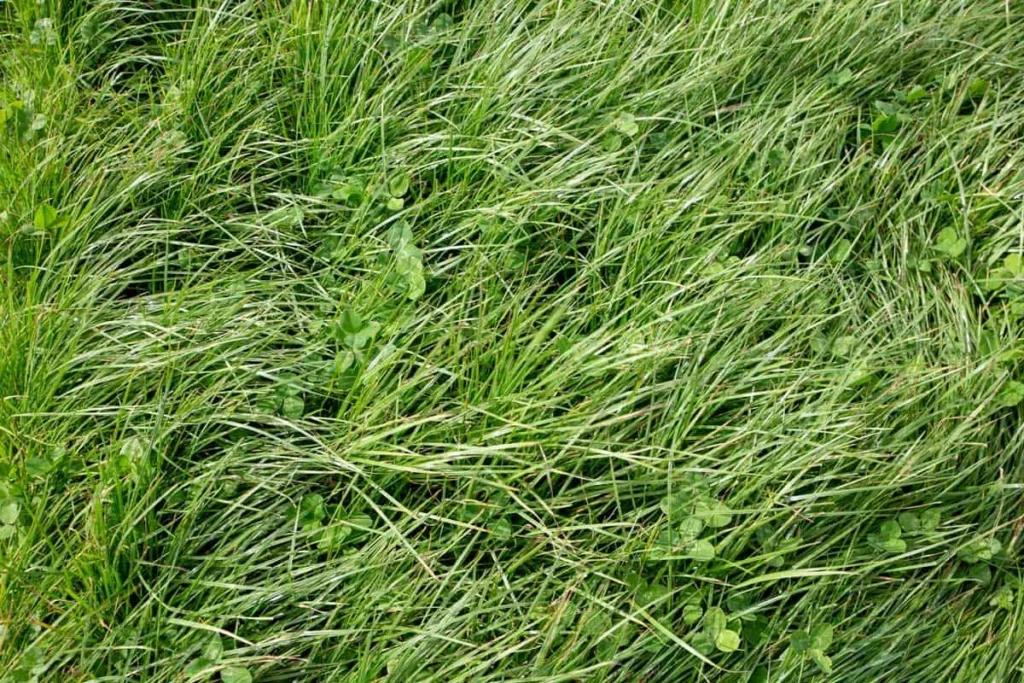
Annual ryegrass is a cool-season annual. It germinates fast, grows in bunches, and dies with sustained heat. It doesn’t spread and won’t return without reseeding. For overseeding, this is the safer bet.
Perennial ryegrass is the wildcard. It’s a cool-season perennial that hangs on through heat, drought, and anything short of deliberate removal. It also brings allelopathy: research since the 1980s confirms its roots and decaying residue release biochemical compounds that directly suppress Bermuda grass. It’s not just shade competition—it’s chemical warfare underground. As of 2026, breeding programs aim to reduce this trait, but most commercial perennial ryegrass cultivars still carry it.
Why Spring Transition Is Where Everything Goes Right or Wrong
March through May is when the answer gets decided. Bermuda wakes up when soil temps at a 2-inch depth hit roughly 65°F. It needs sunlight hitting the soil, moderate moisture, and absolutely no smothering by a thick ryegrass canopy. Ryegrass, meanwhile, loves spring: the 55–75°F range is its sweet spot. Give it nitrogen in March or April and it explodes, looking lush while Bermuda crowns starve for light.
A classic failure: overseeded perennial ryegrass in October, winter went fine, lawn looked great in March so homeowner fertilized. A cool, wet April thickened the ryegrass. By mid-May, perennial ryegrass still dominates, Bermuda underneath is pale and two months behind. When ryegrass finally dies in June, you’re left with bare patches, weak runners, and a long recovery.
Three factors determine success:
- Ryegrass type: annual dies on its own; perennial needs convincing.
- Spring mowing height: drop it low, incrementally, starting when soil hits 60°F. Crowd the ryegrass, give Bermuda sunlight.
- Nitrogen discipline: no nitrogen until ryegrass is visibly declining and Bermuda is actively greening. Feeding early feeds the wrong grass.
Golf course superintendents use selective herbicides like foramsulfuron or trifloxysulfuron to remove ryegrass on schedule. Homeowners rely on mechanical transition—scalping, verticutting, and withholding water.
The Decision Flow: What Your Lawn Needs Based on Timing, Ryegrass Type, and Climate
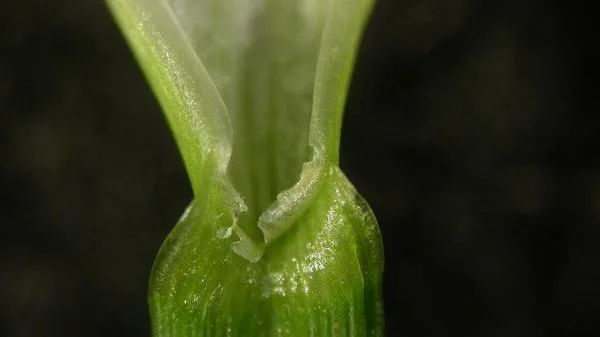
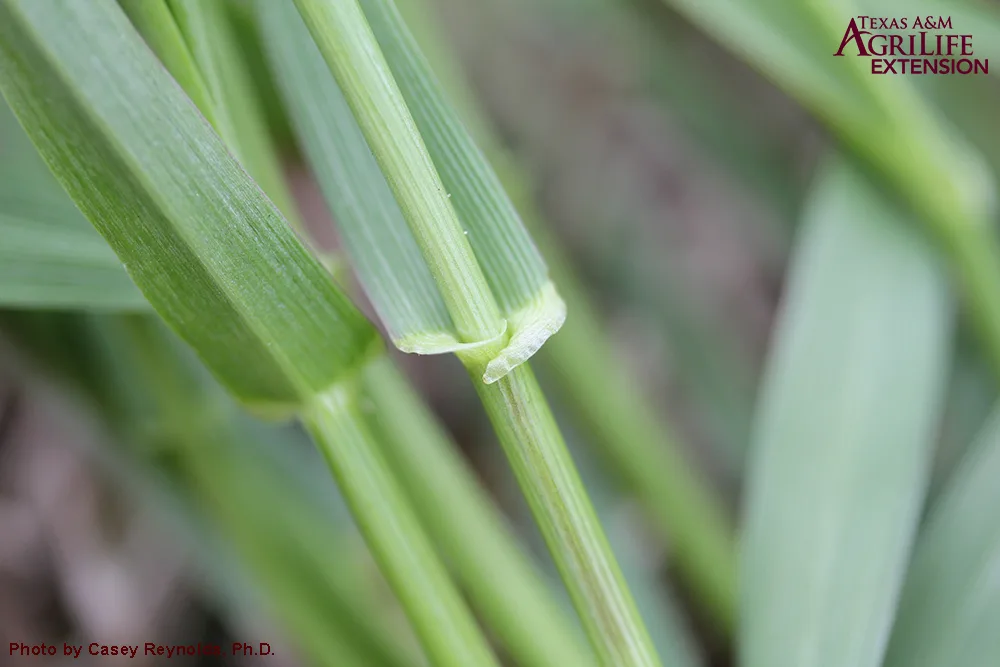
First, identify what you’re dealing with. If you don’t know whether you put down annual or perennial ryegrass, check the seed bag. No record? Identifying a perennial ryegrass plant comes down to visual tells: leaves with a shiny underside and a reddish-purple base. Annual ryegrass has a matte, lighter green appearance and usually lacks the pronounced purple crown.
Second, assess your climate zone.
| Zone | Typical Transition Window | Main Risk |
|---|---|---|
| Deep South (FL, south TX, LA) | March to early April | Ryegrass dies fast on its own. Rarely a problem. |
| Mid-South (GA, AL, MS) | April to early May | Cool springs delay ryegrass die-off. Watch moisture. |
| Transition Zone (OK, AR, TN, NC, SC) | Late April to late May | Highest risk. Perennial ryegrass hangs on longest. |
| Arid Southwest (AZ, southern CA) | March to April | Irrigation management is everything. |
Third, run the decision branches.
- Annual ryegrass, soil temps above 65°F: Drop mower height gradually over 2–3 cuts, hold fertilizer. Heat and low mowing kill ryegrass in 2–3 weeks.
- Perennial ryegrass, early spring: Start mechanical transition now. Scalp to 0.75 inches when Bermuda shows first green. Verticut lightly if mat is thick. No nitrogen. No overwatering.
- Perennial ryegrass, late spring, still dominating: You missed the gentle window. Scalp as low as possible, bag clippings. If warm and fully green, consider a selective herbicide labeled for ryegrass removal in Bermuda. Monument and Revolver are the two most cited in turfgrass extension literature available to licensed applicators as of 2026. Homeowners in most states will need a professional.
- You haven’t overseeded yet: Use annual ryegrass—cheaper, safer, leaves on schedule. Perennial ryegrass gives a prettier winter lawn but a spring headache that can last years. The vast majority of lawn disasters tied to this topic trace back to perennial ryegrass overseeding without a transition plan.
FAQ: “Can Perennial Ryegrass Kill Bermuda?” and Other Questions That Keep Lawn People Up at Night
Can perennial ryegrass actually kill Bermuda patches permanently?
Yes, in localized thick spots. Combined shade, moisture competition, and allelopathic compounds can kill Bermuda crowns over a single winter. You’ll see bare patches in May that don’t fill in. Those spots recover if you plug or sprig new Bermuda, but they won’t self-repair quickly.
How long does it take Bermuda to recover after a bad spring transition?
Plan on four to eight weeks once ryegrass is fully removed and soil temps stay above 70°F. Full density may not return until midsummer. Light, frequent nitrogen applications and consistent mowing at Bermuda height accelerate lateral spread.
Should I scalp my Bermuda every spring even if I didn’t overseed?
Yes, scalping dormant Bermuda is standard practice—it removes dead top growth, lets sunlight hit the soil, and speeds green-up. If you did overseed, scalping does double duty: it removes ryegrass and jumpstarts Bermuda.
What happens if I do nothing and just let nature take its course?
With annual ryegrass, you’ll probably be fine by June. With perennial ryegrass, you risk a multi-year problem. A stand that survives one summer can persist indefinitely, forming clumps that resist herbicides and spread slowly. Doing nothing essentially means accepting a permanent mixed-grass lawn.
Is there a totally safe way to have a green winter lawn?
Turf colorants are the only zero-risk option. These plant-based dyes are sprayed onto dormant Bermuda for a natural green appearance. They last three to four months, require no mowing, and create zero spring transition problems. University of Florida extension research has documented colorant performance matching or exceeding overseeded turf in winter aesthetics. It’s not for everyone, but if spring transition stress keeps you awake, it’s worth considering.