Will Rye Grass Grow in Sandy Soil? My Proven Lawn Tips
Yes, rye grass will grow in sandy soil, but thriving depends on which rye you pick, how you prep the ground, and what you expect. Sand drains 1 to 10 inches of water per hour (clay: under half an inch), stripping nutrients and leaving roots scrambling. Rye grass is one of the few cool-season options tough enough to handle sand, but only when you work with its nature. Contractors can get a green carpet by Thanksgiving by tossing annual rye onto beachy sand; homeowners who plant the wrong type in pure sand often end up with a yellowing mess by June.

Quick Answer: Will Rye Grass Grow in Sandy Soil?
Yes, rye grass grows in sandy soil. Match the type to your goal: annual ryegrass for quick winter color, perennial ryegrass for a lasting lawn (with soil amendment), cereal rye for erosion control in the poorest sand. All need frequent light watering at the start and a steady feeding schedule because sand holds almost no nutrients.
Why Sandy Soil Feels Like a Battlefield for Grass (and Where Rye Fits)
Sandy soil has low cation exchange capacity (CEC). Water rushes straight through, carrying nitrogen and potassium with it. Loam holds onto positively charged nutrient ions; sand does not. The good news is rye grass germinates faster than almost any other turfgrass. In moist, warm sand, annual ryegrass pops in as little as five days. Perennial rye takes seven to ten. That speed establishes a root system before a heavy rain washes seed away. Rye also sends roots deeper than you’d expect—in loose, deep sand, perennial rye roots can reach 18 to 24 inches, tapping moisture below the surface. No other cool-season grass matches that combination of speed and root aggression.
That said, rye on sand is still a relationship that needs maintenance. You’ll water more often than on clay, feed in small, frequent doses, and build organic matter over time. Every bit of compost or aged manure worked into the sand bumps up water-holding ability and nutrient storage, like installing a slow-release battery in a system that otherwise runs out of juice every few days.
Annual vs Perennial vs Cereal Rye: Which One Actually Belongs on Your Sandy Ground?

These three ryes are not interchangeable. They differ in job, cost, and behavior. Let’s break each one down so you land on the right choice.
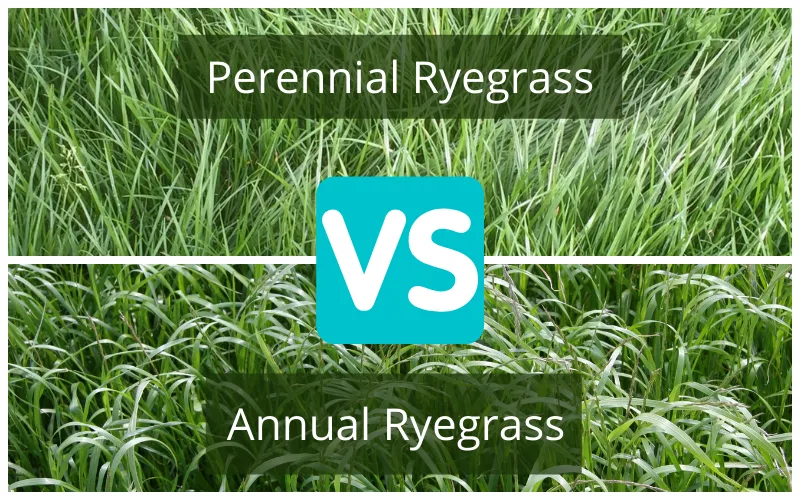
Annual ryegrass (Lolium multiflorum) is the fast, cheap option. It germinates in under a week in warm sand, greens up fast, and dies when summer heat hits. Southern homeowners use it to overseed dormant Bermudagrass for winter color; it’s also used for temporary erosion control. The downside: clumpy, bunchy growth that can look weedy if not mowed frequently, and it can reseed aggressively. It is not a permanent lawn.
Perennial ryegrass (Lolium perenne) is the turf-quality choice. Modern turf-type cultivars produce a fine-bladed, dense carpet that handles foot traffic well. It’s used on sand-based golf course roughs and athletic fields. A true perennial in cooler climates, it often behaves as a biennial in the transition zone and Deep South. For a permanent sandy lawn in the northern half of the U.S., perennial rye is the best rye bet—though it demands consistent feeding and won’t spread to fill bare spots.
Cereal rye (Secale cereale) is the workhorse, not a lawn grass. It survives on terrible, low-fertility sand that would starve almost anything else. Farmers use it as a cover crop to build organic matter and stop erosion on sandy slopes; hunters plant it for quick food plots. It grows tall, fast, and deep-rooted, then gets tilled under to feed the soil.
| Type | Best For | Germination | Longevity | Key Drawback |
|---|---|---|---|---|
| Annual ryegrass | Winter overseeding, temporary cover | 5-7 days | One season | Clumpy growth, can be weedy |
| Perennial ryegrass | Permanent sandy lawns (cool climates) | 7-10 days | Perennial where summers stay mild | High maintenance feeding on sand |
| Cereal rye | Erosion control, cover cropping, food plots | 5-7 days | One season | Not a turfgrass, grows tall and coarse |
If you’re trying to fix a permanent sandy lawn in a cool region, perennial rye is where you start. If you’re in the South and just want green grass from November through March while your Bermuda sleeps, annual rye is the play. If you’ve got a raw sandy slope that needs stabilizing, cereal rye is your bulletproof pick.
Setting Rye Grass Up for Success in Sand — Step by Step

Sand doesn’t forgive lazy preparation. Here’s the sequence that works.
Test the soil first. Sandy soils tend to run acidic, especially in high-rainfall areas. Ryegrass wants a pH between 6.0 and 7.0. A soil test tells you exactly how much lime to add before seeding. Skipping this is the number one reason rye lawns look pale and hungry.
Work organic matter into the top four to six inches. Spread two to three inches of compost, aged manure, or peat moss and till it in. This becomes your soil’s water sponge and nutrient pantry. Even for winter overseeding, a thin compost topdressing after seeding improves stand density.
Apply a starter fertilizer formulated for low-CEC soils. Use a balanced ratio like 10-10-10 or a phosphorus-heavy starter blend. On pure sand, split into two light applications—one at seeding, another two weeks after germination. Heavy single applications wash through.
Seed at the right rate and get good soil contact. For bare sandy ground, sow 7 to 8 pounds of perennial rye per 1,000 square feet—a touch heavier than the bag rate. The denser stand helps shade the soil. Rake seed lightly into the top quarter-inch, then roll or press. Seed sitting on loose, dry sand is dead seed walking.
Water like a surgeon for the first two weeks. Sand needs frequent, short waterings to keep the seed zone damp. Plan on three to four light waterings daily until germination. Once grass hits about two inches, transition to deeper, less frequent soaks that pull roots downward. A shallow daily schedule on mature rye creates weak, drought-prone turf.
Mistakes That Turn a Promising Start Into a Patchy Mess

Even when you do most things right, a few wrong moves can wreck the result.
Dumping all the nitrogen at once. Sand can’t hold nitrogen. A single heavy feeding looks great for two weeks, then the grass crashes. Apply half-rate doses every four to six weeks during the growing season. For perennial rye on sand, aim for 2 to 4 pounds of actual nitrogen per 1,000 square feet per season, split into four or five applications.
Letting the thatch-and-organic layer build without aeration. Core-aerate once a year in the fall, right before your main feeding window. This keeps air and water moving and gives you a perfect window to overseed thin spots.
Choosing the wrong rye for the climate. Planting perennial rye in central Florida and expecting August survival is a losing battle—roots cook in hot sand. Planting annual rye in Minnesota in September won’t give you a lawn next Memorial Day. Match the rye to your zone.
Mowing too short or with dull blades. Sandy soil is abrasive. Dull blades tear leaf tips, increasing water loss. Keep perennial rye between two and three inches. Sharpen blades at least twice a season.
Frequently Asked Questions
Does ryegrass need a lot of water in sandy soil?
Yes, due to fast drainage. During establishment, water three to four times daily. Once mature, deep, infrequent soaks work better, but you’ll still irrigate more often than on loam or clay.
Can I just throw ryegrass seed on sand and water it?
You can, but expect a thin, pale stand. Without organic matter worked in or starter fertilizer, rye on bare sand struggles. Raking the seed in and rolling improves results dramatically.
Will perennial ryegrass spread and fill bare spots in sand?
No. Perennial ryegrass is a bunch-type grass; it does not spread by stolons or rhizomes. Bare spots need to be reseeded—annual core aeration followed by overseeding is the standard fix.
Is rye grass salt-tolerant enough for coastal sandy soil?
Moderately, yes. Perennial ryegrass has decent salt tolerance compared to other cool-season grasses. It handles mild to moderate salinity better than Kentucky bluegrass or fine fescue, though it’s not as bulletproof as seashore paspalum.
How long does rye grass last in sandy soil?
Annual ryegrass lasts one cool season and dies when temperatures climb past 80–85°F. Perennial ryegrass can live three to five years or longer in cool northern climates if properly fed and watered. In hot-summer transition zones, it often fades after two seasons and needs overseeding.
When’s the best time to plant ryegrass in sandy soil?
For permanent northern lawns, seed perennial rye between mid-August and late September when soil temperatures drop into the 60s but daytime warmth still pushes quick germination. For winter overseeding in the South, drop annual rye seed when Bermudagrass goes dormant, typically October through November. University extension resources confirm soil temperature at seeding depth is the most reliable trigger for cool-season grass establishment.