How to Get Rid of Rye Grass in Lawn: My Best Strategy
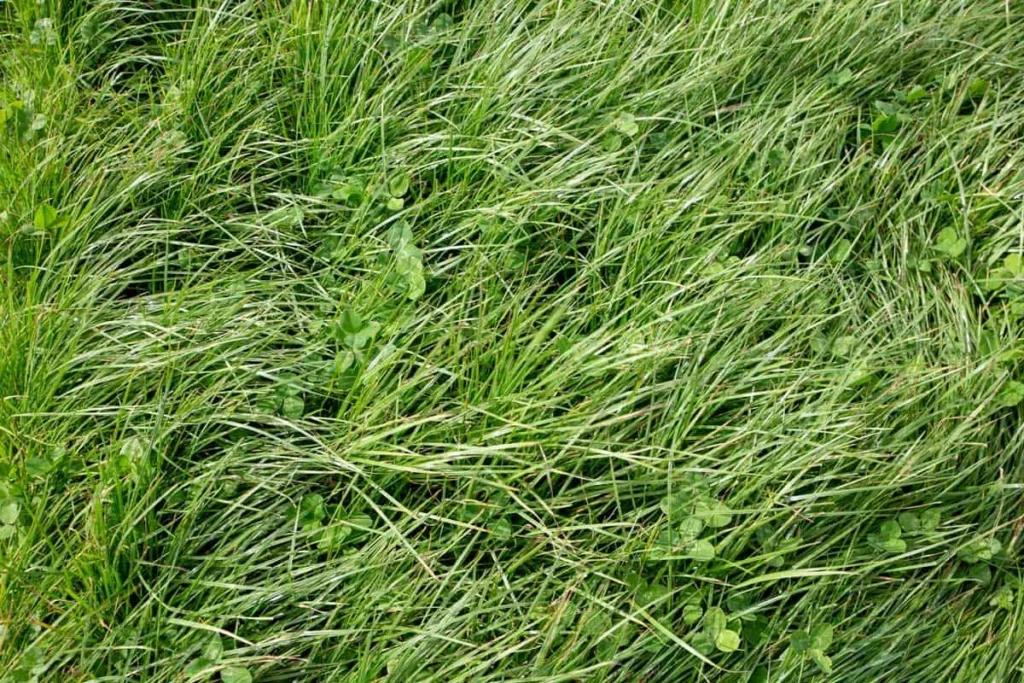
Figuring out how to get rid of rye grass in lawn turf starts with one uncomfortable truth. There’s no single spray-and-walk-away fix that works for every yard. The right move depends entirely on which rye grass you’re dealing with and what type of lawn it’s invaded.
Per university extension research, annual ryegrass can produce over 20,000 seeds per plant in a single season. That’s why timing your attack before seed heads form matters more than almost anything else. Here’s how to make the call.
Quick Answer
How you kill rye grass depends on your lawn type and the rye species. In warm-season lawns like Bermuda, spot spray glyphosate while the turf is fully dormant. In cool-season lawns like tall fescue, use selective Mesotrione applications or spot spray and reseed.
Annual rye is often stopped with a fall pre-emergent.
First, Identify Which Rye Grass You’re Actually Fighting
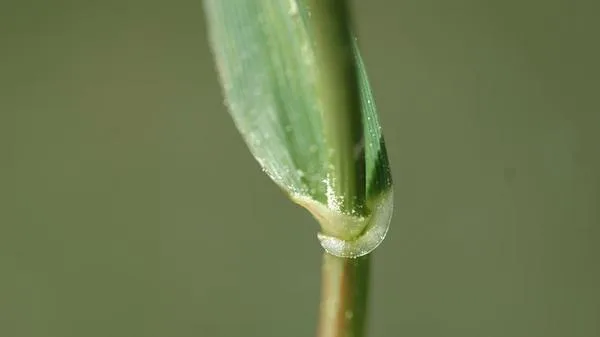
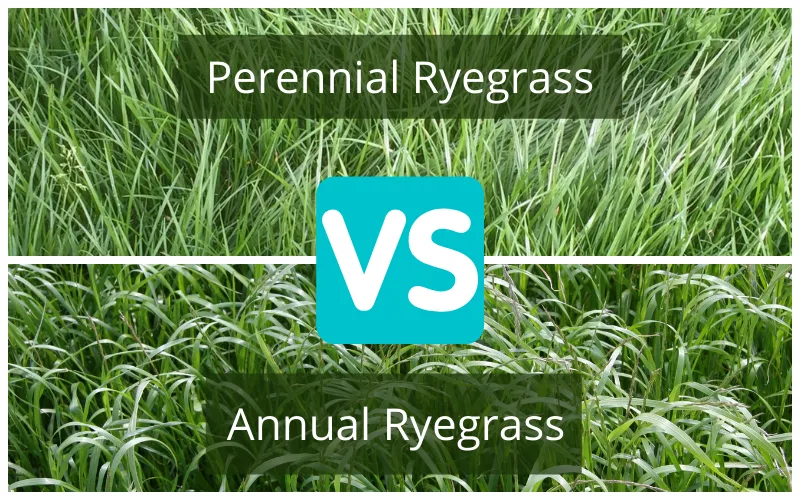
You can’t kill what you can’t name. The two rye grasses that invade lawns behave very differently, and mixing them up wastes an entire season.
Annual ryegrass (Lolium multiflorum) sprouts in fall, grows through winter, and dies in summer heat. It’s the lighter green, fast-growing grass you see in roadside ditches and construction site cover crops. It completes its lifecycle in under a year, spreads strictly by seed, and stops cold if you prevent seed heads from forming.
Perennial ryegrass (Lolium perenne) is a different beast. It survives year after year, forms stubborn clumps that expand outward, and never dies back on its own. Because it’s a bunch-type grass that doesn’t spread by stolons or rhizomes, each clump just grows wider and tougher. These are the lime-green bullseyes you see ruining an otherwise uniform dark green fescue lawn in mid-spring.
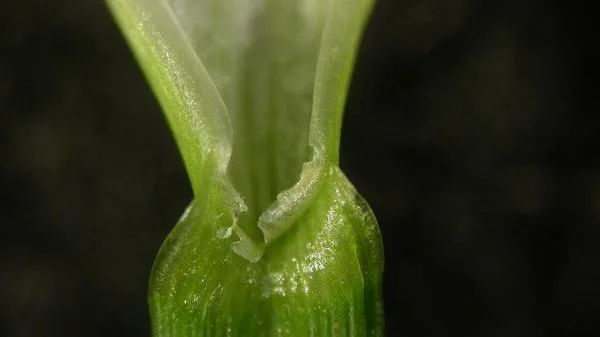
The 30-Second Auricle Test That Separates Annual from Perennial
Pull a stem and look at the base of the leaf blade where it wraps the stem. Both rye grasses have prominent clasping auricles. The difference shows up in the leaf itself.
Annual ryegrass leaves are typically lighter, thinner, and more tender. Perennial ryegrass leaves feel stiffer, coarser, and have a more pronounced shine on the underside.
If you’re still unsure, let it grow. Annual rye shoots up seed heads in late spring with alternating spikelets along the stem. Perennial rye seed heads are flatter and shorter.
Once you see seeds, you’re already behind on control for annual rye. That’s fine. We’ll cover the fix.
Why Your Lawn Type Changes Every Removal Strategy That Follows
Here’s the fork in the road that most generic advice misses entirely. Warm-season grasses go dormant in winter. Cool-season grasses don’t.
That single fact determines whether you can safely use a cheap, fast-acting non-selective herbicide like glyphosate or whether you need a precise selective grass killer.
If you have Bermuda, Zoysia, Centipede, or St. Augustine grass, you have options the cool-season crowd doesn’t. If you have tall fescue or Kentucky bluegrass, your path is narrower and demands more patience.
If You Have a Warm-Season Lawn (Bermuda, Zoysia, Centipede): The Dormant Season Advantage
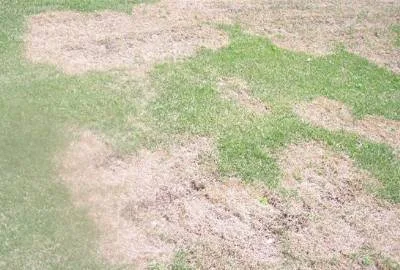
This is the easiest scenario and the one where you’ll see results fastest. Warm-season turf goes brown and stops growing once soil temperatures drop below roughly 55°F. Your lawn is effectively asleep.
The rye grass, however, stays bright green and actively growing all winter long. That contrast is your window.
Spot-Spraying Glyphosate on Dormant Grass Without Killing Your Lawn
Wait until your Bermuda or Zoysia is completely dormant. We mean fully brown. Not patchy.
Not “mostly there.” Any green in the desirable turf means it’s still metabolically active and glyphosate will translocate into the crown and kill it. In the southern U.S., this window typically runs from January through February, but you judge by the grass, not the calendar.
Mix a 41% glyphosate concentrate at 2 to 3 fluid ounces per gallon of water. Add a non-ionic surfactant if the label calls for it. Spray only the rye grass clumps on a calm, sunny day above 50°F.
Use a spray shield made from a cut plastic jug if you’re working near evergreen shrubs or ornamentals you want to protect. The rye grass yellows in about a week and is fully dead within 14 days.
Two cautions here. Never spray glyphosate on dormant St. Augustine or Centipede grass.
Both can retain viable green tissue at the crown even when the canopy looks brown. Stick to selective options for those turf types.
Using Selective Grass Herbicides (Sethoxydim or Fluazifop) During Active Growth
If you missed the dormancy window or you’re working with a grass that doesn’t go reliably dormant, selective herbicides are your backup. Sethoxydim and Fluazifop kill grasses but leave broadleaf plants alone. More importantly, they’re labeled safe on specific warm-season turf species.
| Herbicide | Safe On | Controls |
|---|---|---|
| Sethoxydim (Poast) | Centipedegrass, fine fescue | Annual rye, suppresses perennial rye |
| Fluazifop (Fusilade II) | Zoysiagrass, dormant Bermudagrass | Annual and perennial rye |
Both products require a surfactant. Sethoxydim needs a crop oil concentrate. Fluazifop needs a non-ionic surfactant.
Mix exactly per label instructions and spray when the rye grass is actively growing and the daytime temperature sits between 60°F and 85°F. Expect to make two applications, spaced 14 to 21 days apart. Perennial rye may need three.
These products aren’t typically on the shelf at home improvement stores. You’ll find them at farm supply outlets or online turf retailers. As of 2026, availability remains steady through agricultural channels.
If You Have a Cool-Season Lawn (Fescue, Kentucky Bluegrass): The Tougher Battle
There’s no dormancy window to exploit here. Your desirable grass stays green year-round in most climates, so glyphosate kills everything it touches. That makes rye grass removal in cool-season lawns a precision operation requiring more time and more patience.
When to Spot-Treat With Glyphosate and Immediately Reseed
For scattered clumps of perennial rye in a tall fescue lawn, the fastest route is still glyphosate. You’ll just have to accept small dead patches and reseed them. Late summer to early fall is the ideal timing.
The rye grass is growing strong and easy to hit, and the cooler weather ahead is perfect for new fescue seedlings.
Spray each clump directly with a low-pressure sprayer. A foam marker tip helps you see exactly what you’ve covered. Wait seven days after spraying, then rake out the dead material.
Scuff the soil surface and overseed with your original turf type at the recommended rate. Keep the area moist until the new grass establishes. You’ll have a uniform lawn again in about four to six weeks.
Multiple Mesotrione Applications As Your Only Selective Option
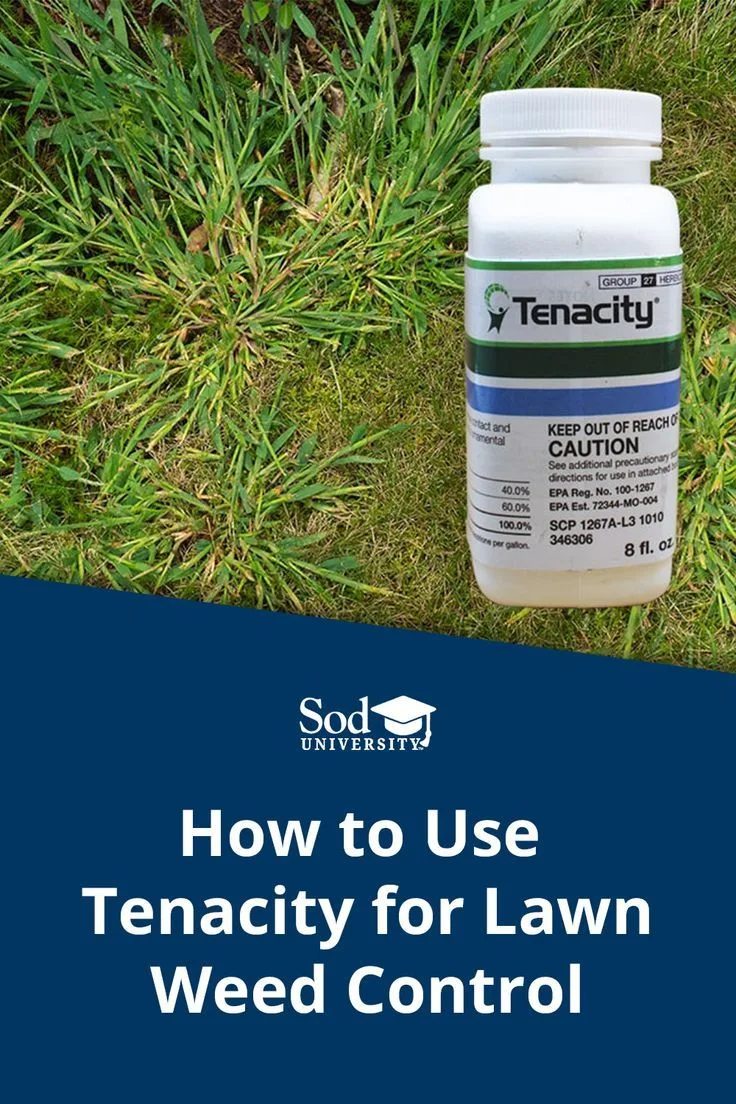
If digging up and reseeding every clump sounds terrible, there is one selective herbicide labeled for perennial ryegrass suppression in cool-season lawns. Mesotrione, sold under the trade name Tenacity, works differently from most herbicides. It bleaches susceptible weeds white before they die and it’s safe on Kentucky bluegrass, tall fescue, and fine fescue when used at labeled rates.
Mix one-half teaspoon of Mesotrione per gallon of water with a non-ionic surfactant. Spray the rye grass clumps thoroughly. You’ll repeat this application two or three times at 14 to 21 day intervals.
The rye grass turns white, weakens, and eventually dies back. It’s a slow process. Expect it to take a full growing season for complete control.
Strong perennial clumps may survive a full course and require another round the following spring.
After the final application, wait 30 days before overseeding any thin areas. Mesotrione has pre-emergent activity that can stop new grass seed from germinating if you rush it.
The Renovation Nuclear Option When Nothing Else Makes Sense
Sometimes the math points toward starting over. If perennial rye makes up more than 40% of a cool-season lawn, spot treating every clump is a losing battle. Renovation saves you years of chasing regrowth.
The process is straightforward. Spray the entire lawn with glyphosate in late summer. Wait the full 14 days.
Scalp-mow the dead turf as low as your mower goes. Core aerate or verticut to open the soil surface. Spread seed of your chosen turf type at the full renovation rate, not the overseeding rate.
Top dress with a thin layer of compost. Water lightly twice daily until the new grass reaches mowing height.
The real mistake people make here is rushing. They spray, wait three days, and throw seed down. That kills the new seedlings the moment they germinate.
Glyphosate needs full translocation time. Fourteen days, minimum. Fifteen is better.
The soil and weather don’t care about your impatience.
How to Prevent Ryegrass From Coming Back
Killing the rye grass once is only half the job. If you’re dealing with annual rye, the real goal is to stop it from completing its seed cycle. Don’t let mature plants sit long enough to produce seed heads, and use a properly timed fall pre-emergent to prevent new seedlings from establishing.
Perennial rye requires a different approach because it survives from existing crowns rather than returning from new seed each year. Remove or treat established clumps thoroughly, then repair thin spots with your original turf type.
The earlier you break the cycle, the fewer rye grass clumps you’ll be chasing next season.
The Mistake That Undoes Everything and Other Common Questions
The single most common failure in rye grass removal isn’t the herbicide choice. It’s mowing too soon after application. You spray, see some yellowing, and mow three days later because the lawn looks shaggy.
That cuts off the treated leaf tissue before the herbicide translocates to the roots. The rye grass pauses, then regrows from the crown like nothing happened.
Wait at least five full days after any post-emergent application before mowing. Seven days is safer. The herbicide needs that time to move through the plant’s vascular system down into the roots and growing points.
Mowing early is like pulling a poison ivy leaf off the vine and calling the plant dead.
Frequently Asked Questions
Can I pull rye grass out by hand?
You can for a few isolated clumps in soft, moist soil. For anything beyond a handful of patches, it’s impractical. Perennial rye has a dense, fibrous root mass that tends to break off at the crown when pulled.
The remaining roots regenerate quickly. Digging with a trowel to get the full root ball works better, but it leaves a divot you’ll need to fill and seed.
Will a fall pre-emergent stop perennial rye?
No. Pre-emergent herbicides like Prodiamine or Pendimethalin stop seeds from germinating. Perennial rye spreads from existing, living crowns.
A pre-emergent does nothing to an established clump. It’s effective against annual rye if applied before soil temperatures drop below 70°F in late summer.
How soon can I seed after using glyphosate?
Seven days is the minimum labeled interval for most glyphosate products. If you’re seeding a cool-season lawn in warm late-summer soil, waiting ten days gives you an extra margin of safety. Always check the specific product label.
Some formulations with longer residual carriers require a longer wait.
Why does rye grass keep coming back in my Bermuda lawn?
If you’re seeing it every winter, you’re dealing with annual rye that reseeded itself the previous spring. The fix is applying a pre-emergent in early fall, around late August to mid-September depending on your region. Break that seed cycle once and the problem shrinks dramatically the following year.
Is perennial ryegrass always a weed?
Not at all. Many golf courses and athletic fields are intentionally planted with perennial ryegrass for its fast establishment and wear tolerance. It’s only a weed when it’s growing where you didn’t plant it and it disrupts the uniformity of a different turf species like tall fescue.