Mowing Height for Kentucky Bluegrass: The Smart Fix
You’re standing over your Kentucky bluegrass lawn, mower ready, and you’re trying to remember where to set the deck. A lot of folks just pick a number that looks about right. But the truth is, the perfect mowing height for kentucky bluegrass shifts with the calendar and the conditions.
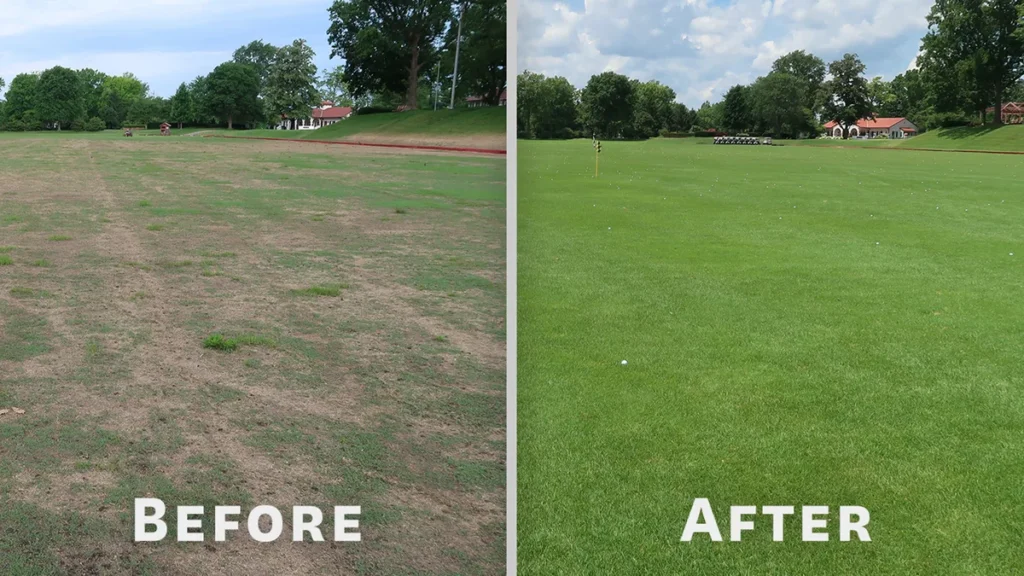
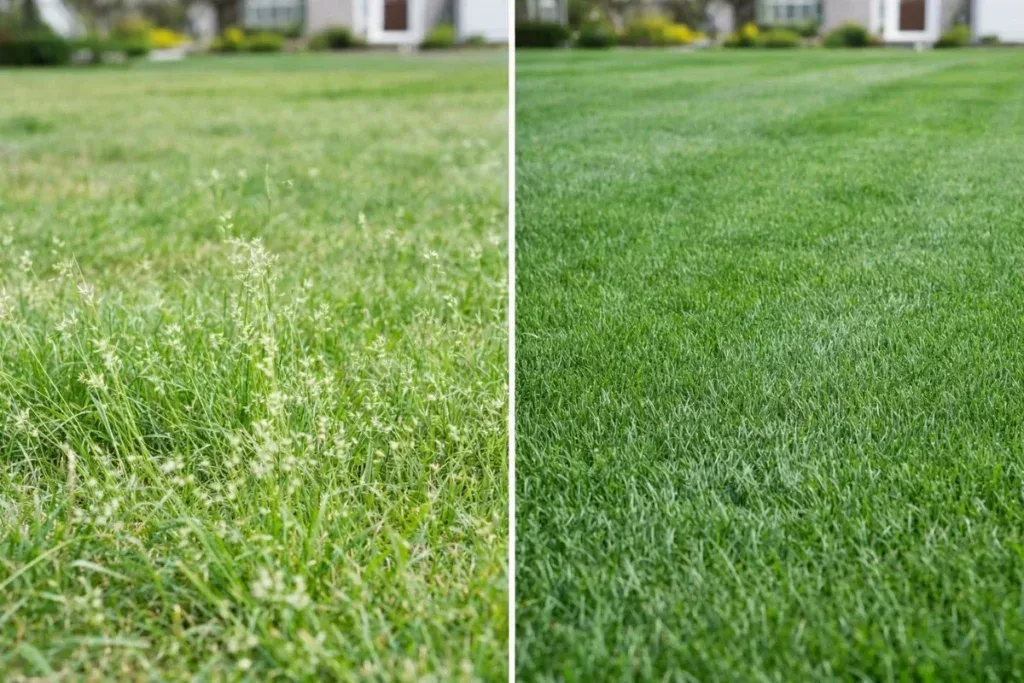
Get it right, and your lawn thickens up, shrugs off drought, and chokes out weeds.
As of 2026, turfgrass research from universities like Purdue and Nebraska points to a simple truth: there isn’t one magic number. There’s a smart range. This guide walks you through the decision-making so you know exactly what to dial in, whether it’s a scorching July afternoon or a crisp October morning.
Quick Answer
Here’s the baseline for mowing height for kentucky bluegrass: keep it between 2.5 and 3.5 inches. Raise it higher in summer. Lower it in spring and fall.
That’s the core principle. Stick to that range. It protects the plant.
It builds deep roots. Your lawn stays dense and green.
| Condition / Season | Optimal Height |
|---|---|
| Early Spring (Wake-up) | 2.5 – 3 inches |
| Late Spring / Early Summer | 3 – 3.5 inches |
| Peak Summer (Heat Stress) | 3.5 – 4 inches |
| Fall (Recovery & Overseed) | 2.5 – 3 inches |
| Late Fall (Final Cut) | 2.25 – 2.5 inches |
Why One Number Won’t Work for Everyone
Kentucky bluegrass is a cool-season grass, which means it has two peak growing seasons: spring and fall. It handles heat poorly. When the thermometer climbs above 85°F, the plant shifts into survival mode.
Cutting it short during this stress period is like forcing a dehydrated person to run a sprint.
Here’s what happens at different heights. When you cut it short (under 2.5 inches), the plant puts energy into leaf growth rather than root development. That works fine in the moderate weather of April and September.
But in July, shorter grass means shallower roots, faster soil moisture loss, and more visible stress.
When you let it grow taller (3.5 to 4 inches), the grass shades its own crown and the soil beneath it. That keeps soil temperatures lower and reduces evaporation. The deeper the roots, the more drought tolerance the lawn has.
Our research consistently finds that lawns cut at taller heights during summer heat stay greener longer with less watering.
The mistake most people make is setting the deck once in April and forgetting about it. If you mow at 2.5 inches in July, you’re setting yourself up for a brown, patchy lawn by August. If you mow at 4 inches in April, you’ll have a spongy, thatch-prone mess by June.
The Decision Tree: What Height Should You Set?
Think of your mower deck as a dial, not a switch. Every time you go out to mow, run through these four questions. They take about ten seconds and they’ll tell you exactly where to set the height.
Step 1: Check Your Season and Weather
Ask yourself: are we in a cool growth period or a hot stress period?
- Spring or fall (cool, lots of rain): Set the deck to 2.5, 3 inches. This encourages tillering and a dense stand.
- Summer (hot, dry stress): Raise it to 3.5, 4 inches. This protects the crown and roots.
- Heat wave incoming: Go to 4 inches before the heat hits. Don’t wait until the grass is already stressed.
- Cool spell in summer: You can drop it to 3 inches, but only if the forecast stays mild.
Step 2: Evaluate Your Sun Exposure
Bluegrass in full sun can handle a wider range of heights. Bluegrass in shade needs a different approach.
- Full sun (6+ hours): Any height in the 2.5, 4 inch range works. Adjust for season.
- Partial shade (4-6 hours): Stay on the taller side. Leaves need surface area to capture limited light. Set it at 3.5 inches minimum.
- Dense shade: Bluegrass is going to struggle here anyway. Keep it at 3.5, 4 inches to maximize leaf area.
Step 3: Consider Your Mower Type and Condition
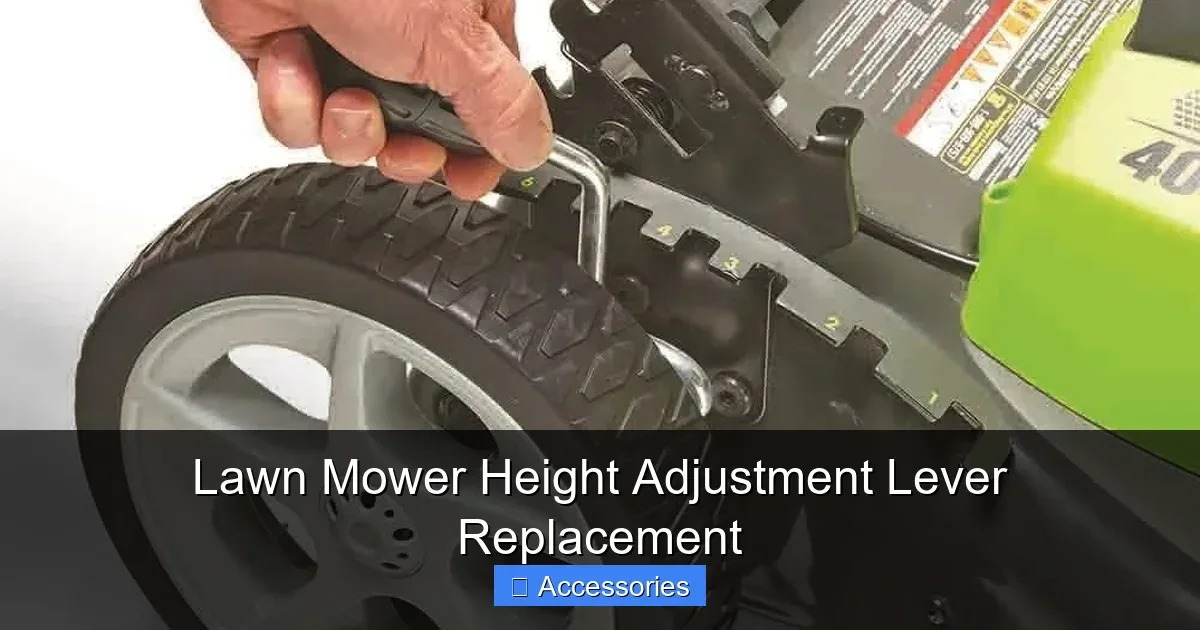
Your equipment matters more than you think. A dull rotary mower tears the leaf tips. A sharp reel mower gives a clean scissor cut.
- Reel mower: You can safely cut at 2, 2.5 inches. The clean cut reduces disease entry points.
- Rotary mower with sharp blade: 2.5, 3.5 inches is your sweet spot. Keep blades sharpened yearly.
- Rotary mower with dull blade: Stay at 3 inches or higher. Torn leaf blades brown out quickly and invite fungus.
Step 4: Factor in Your Lawn’s Age and Traffic
- New sod or recently seeded: Keep it taller (3.5 inches) for the first 6-8 weeks. This protects the young root system.
- High traffic (kids, dogs, sports): Taller grass recovers better from being walked on. Keep it at 3.5 inches.
- Low traffic: You have more flexibility. Adjust for season.
If you combine these four factors, you get your exact height. For example, a full-sun lawn in July with heavy foot traffic gets set to 4 inches. A shady lawn in October with minimal traffic gets set to 2.5 inches.
How to Adjust Height as the Year Progresses
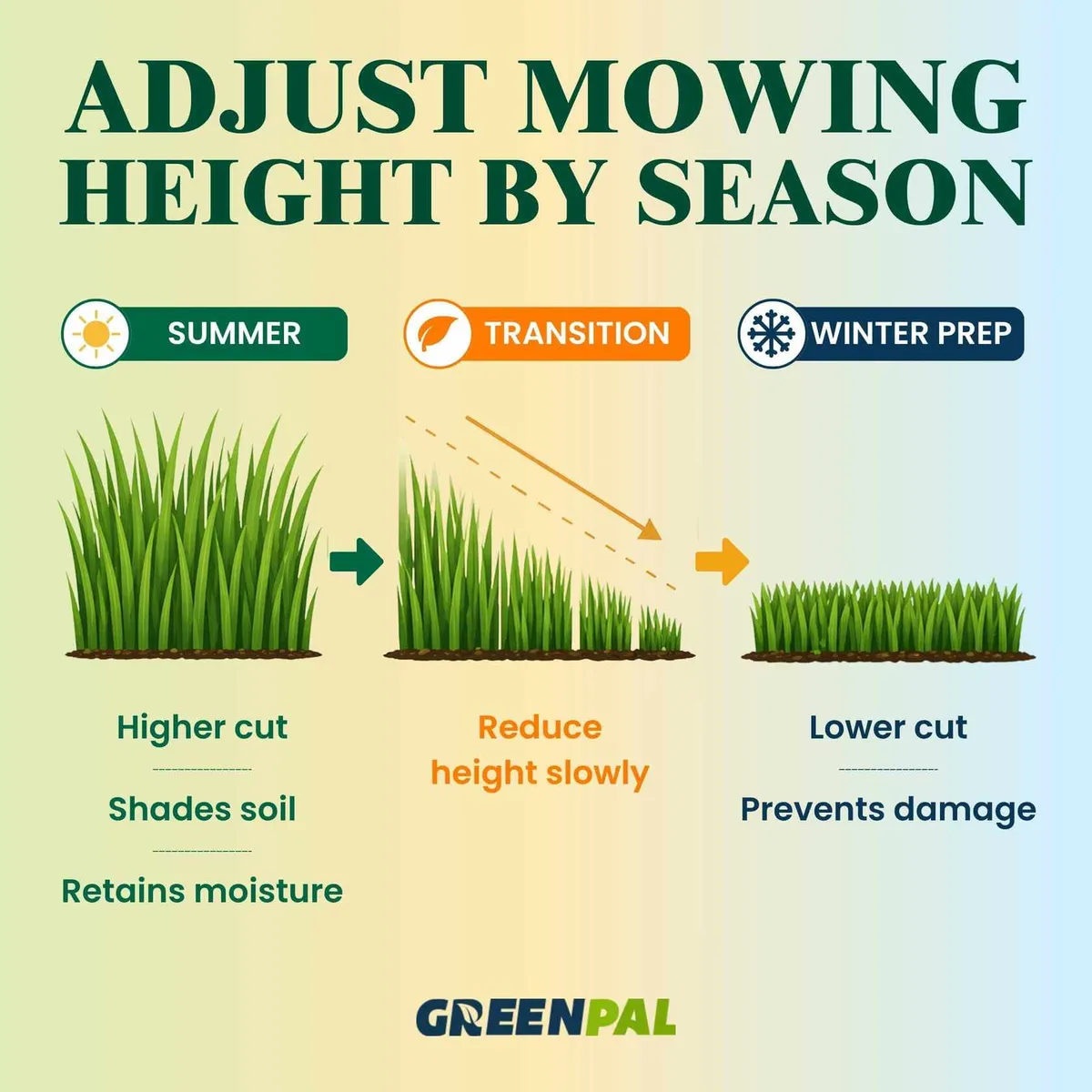
Once you understand the decision logic, the seasonal rhythm becomes second nature. Here’s exactly what to do month by month.
Spring Wake-Up (March – April)
Drop the deck to 2.5 inches for the first cut or two. This removes dead leaf tips from winter and lets sunlight hit the soil, warming it faster. Don’t scalp it down to bare soil.
A clean 2.5 inch cut is aggressive enough.
After the first few cuts, raise it to 3 inches as the grass starts actively growing. Bluegrass spreads through rhizomes underground. A moderate height in spring encourages those rhizomes to send up new shoots.
Summer Survival Mode (June – August)
This is the most important adjustment of the year. As soon as nighttime temperatures stay above 65°F, raise the deck. Go to 3.5 inches.
If a heatwave is forecast, go to 4 inches.
You’ll feel wrong doing it. The lawn looks shaggy compared to the neighbors cutting at 2 inches. But here’s the tradeoff: your bluegrass will stay green and alive.
Theirs will go dormant or die. Let the grass grow tall. It’s working for you.
Fall Recovery (September – October)
As temperatures drop back below 80°F, lower the deck to 2.5, 3 inches. This is the prime growing window. A slightly shorter cut lets light penetrate the canopy, encouraging the lawn to thicken up before winter.
Fall is also the best time to overseed. A shorter cut means the seed makes contact with soil instead of getting caught in long grass blades.
Late Fall Final Cut (November)
Your last cut of the season before winter dormancy should be around 2 to 2.5 inches. This prevents snow mold and fungal issues from developing over the winter under a mat of tall, wet grass. Don’t go shorter than 2 inches.
You want the plant to have enough leaf area to photosynthesize during the winter warm spells.
Common Mistakes That Wreck a Bluegrass Lawn
A few errors pop up again and again in the yards we see. Avoid these and you’re already ahead of most homeowners.
Scalping in Summer
Scalping means cutting so low that you see bare soil or stubble. People do this in summer thinking they’ll “clean up” the lawn. What they actually do is expose the crown to direct sunlight.
The soil temperature spikes. The roots die back. Weeds move in.
If you scalp bluegrass in July, you might as well roll out the welcome mat for crabgrass.
Letting It Grow Too Tall
The flip side of summer height is letting it get over 4.5 inches and then trying to fix it in one cut. Tall grass shades itself so heavily that the lower leaves die. That creates thatch.
The stems get thick and tough. The lawn feels spongy underfoot. If you miss a week, cut it high and cut again a few days later.
Not Following the One-Third Rule
This is the golden rule of mowing any grass, but people ignore it constantly. Never remove more than one third of the leaf blade in a single mowing. If your grass is 4.5 inches tall, don’t set the deck to 2.5 inches.
Cut it to 3.5 inches, wait three or four days, then cut again to 2.5 inches if needed.
Shocking the plant by removing half its leaf surface forces it to stop root growth and redirect energy to leaf repair. You lose root depth every time you break this rule.
Mowing Wet Grass
Wet grass clumps, clogs the mower deck, and tears instead of cutting cleanly. The wet clumps left behind smother the lawn underneath. Wait until the grass is dry.
It takes less time overall because you won’t be stopping to clear the deck.
Dull Blades
A dull blade tears the leaf tip instead of slicing it. Torn edges turn brown within 24 hours. The lawn looks dusted with tan from a distance.
Brown tips are also entry points for fungal diseases. Sharpen your blade at least once per season. If you hit rocks or roots, sharpen it immediately after.