How to Grow Fine Fescue Grass: A Vital Lawn Guide
If you’re wondering how to grow fine fescue grass, here’s the uncomfortable truth: most failed attempts die from overcare, not neglect. Heavy feeding, daily irrigation, and seed buried too deep kill more new lawns than drought ever does. Fine fescue evolved on poor, dry, rocky ground.
It performs best when you copy those conditions instead of fighting them.
University extension trials point the same direction. Fine fescue needs just 1 to 2 pounds of nitrogen per 1,000 square feet per year, roughly a third of a Kentucky bluegrass lawn’s appetite. Germination runs slow too, anywhere from 7 to 21 days depending on species.
First, though, you need to know why these lawns fail.
How to Grow Fine Fescue Grass
You grow fine fescue grass by seeding it in early fall. Sow 4 to 5 pounds per 1,000 square feet. Cover the seed a quarter inch deep.
Keep the seedbed moist for two to three weeks. Germination takes 7 to 21 days depending on species.
Why Fine Fescue Lawns Fail
Almost every failed stand traces back to bluegrass habits. Extension turf programs see the same five mistakes so often that they read like a checklist.
- Overfeeding. Extra nitrogen pushes soft, lush growth that red thread and pink patch love in humid weather. A lawn fed 3 to 4 pounds of nitrogen a year usually looks worse than one fed 1.
- Overwatering. Fine fescue roots rot in soggy soil. Daily sprinkling keeps roots shallow and fungi happy.
- Planting too deep. One pound of fine fescue holds roughly 500,000 seeds. Bury them past a quarter inch and many never reach sunlight.
- Seeding in spring. Seedlings face crabgrass pressure, then summer heat they cannot outgrow. Fall wins nearly every time.
- Expecting bluegrass recovery. Bunch-type species like chewings and hard fescue don’t creep. A torn patch stays torn until you reseed it.
Notice the pattern. This grass suffers from too much help far more often than too little.
The Short Version: Your Decision Map
If you read only one list in this guide, read this one:
- Audit light, soil, traffic, and water before buying any seed.
- Pick species that match your conditions, not the bag’s artwork.
- Seed in fall, once soil temperatures drop below 75°F.
- Rake seed in at 1/4 inch, never deeper.
- Water lightly twice daily for the first two to three weeks.
- Make the first mow at 3 inches with sharp blades.
- Limit nitrogen to 1 or 2 pounds per 1,000 square feet, all year.
Every step branches on your situation. The sections below map each branch, starting with the grass itself.
Meet the Five Fine Fescues: Creeping Red, Chewings, Hard, Sheep, and Idaho
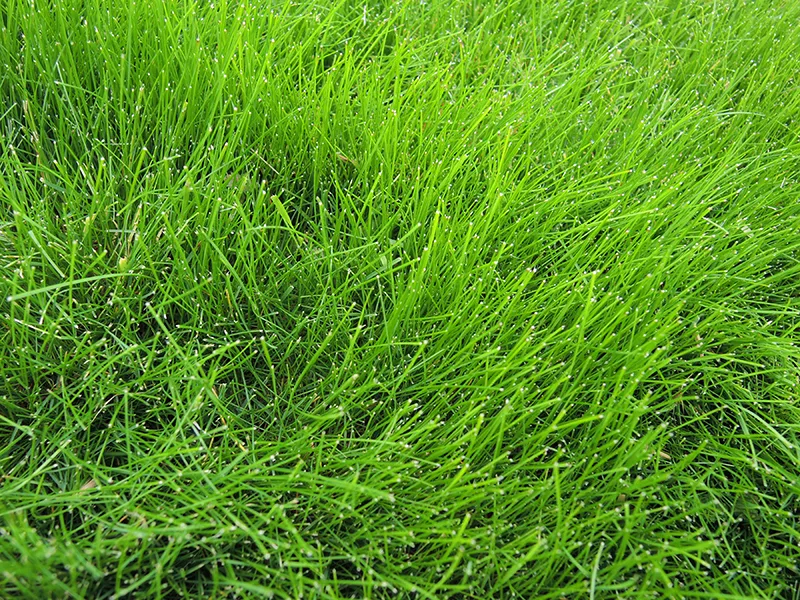
“Fine fescue” is not one grass. It’s a shorthand for five closely related Festuca species that look alike, get sold together, and get confused with each other constantly. They share needle-thin blades, a soft underfoot feel, and a deep blue-green color that can read almost gray from the sidewalk.
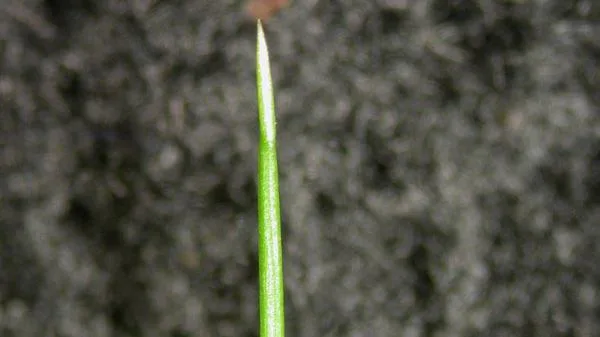
What gives it away up close is its thread-thin blades, thinner than any other common lawn grass.
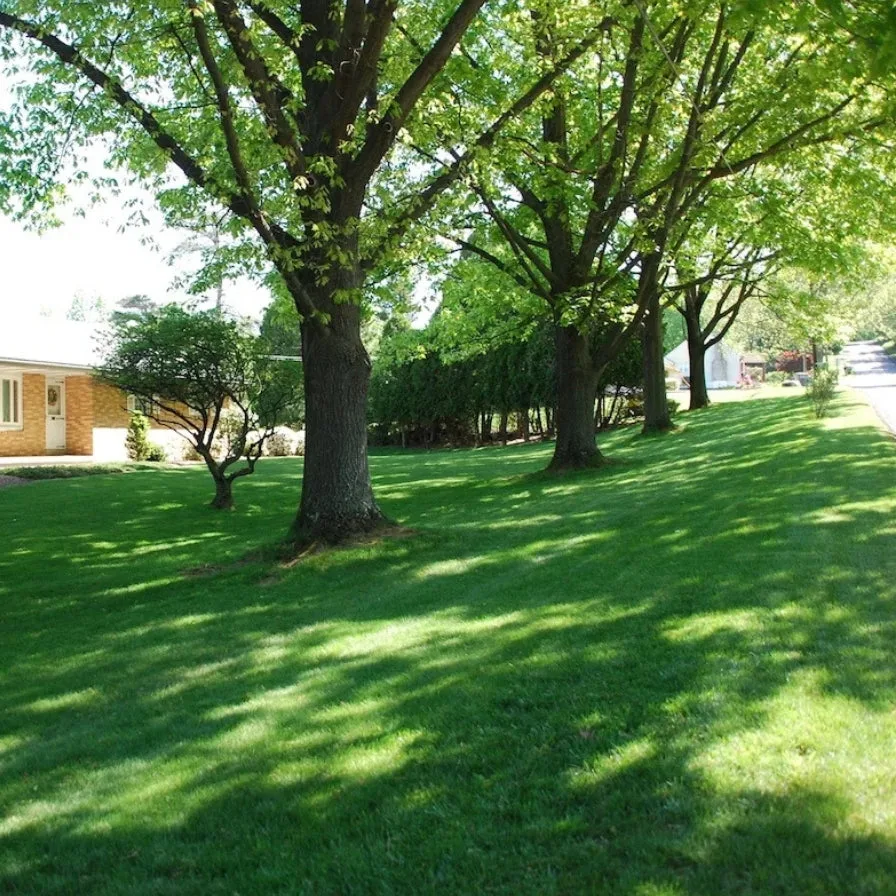
Image source: Web (Bing) / lawnsynergy.com
As of 2026, most shade and no-mow blends still lean on two workhorses: creeping red fescue and chewings fescue. Hard fescue has become the favorite of low-input research programs, while sheep and Idaho fescue cover drier, harsher sites. One clarification saves a lot of confusion.
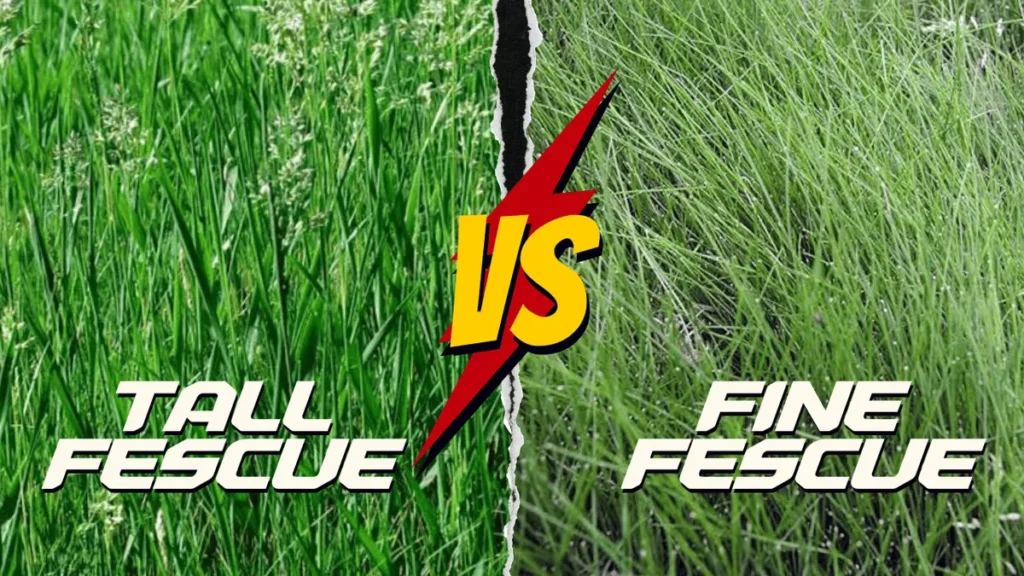
If someone tells you fine fescue and tall fescue are the same plant, they aren’t, because the two grasses share almost nothing beyond a name. Tall fescue grows coarse, wide blades. Fine fescue looks closer to pine needles.
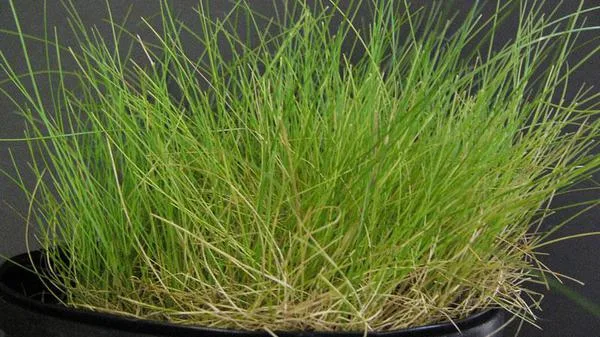
Image source: Web (Bing) / turffiles.ncsu.edu
| Species | Growth habit | Best superpower | Watch out for |
|---|---|---|---|
| Creeping red fescue | Rhizomatous spreader | Best all-around shade performer | Hot, humid summers |
| Chewings fescue | Dense bunch | Dry shade and drought | No self-repair |
| Hard fescue | Slow bunch | Lowest maintenance of the five | Slow to fill bare spots |
| Sheep fescue | Low bunch | Rocky, acidic, unwatered ground | Too casual for manicured looks |
| Idaho fescue | Native bunch | Dry western sites | Thin seed supply |
Buy blends rather than single species unless you have a specific reason. Check the seed tag for purity, a germination percentage above 85, and a test date within the past nine months. Prefer certified or endophyte-enhanced seed when the tag offers it.
Endophytes are natural fungi living inside the plant that discourage grubs and billbugs without any pesticide.
Audit Your Yard First: Light, Soil, Traffic, and Water
Fine fescue wins or loses before the seed hits the ground. Four quick audits tell you which branches to take, and each one takes about ten minutes.
- Light. If your yard gets 2 to 4 hours of direct sun under mature trees, then fine fescue is the strongest cool-season candidate there is. If it bakes in full sun in a hot-summer region, then temper your expectations, because handling full-sun exposure in hot climates is where this grass proves stubborn.
- Soil. Spend $10 to $30 on an extension soil test before buying anything. Fine fescue is happiest at pH 5.5 to 6.5 and still works down to about 5.0. If your sample reads lower, then apply dolomitic lime this fall and retest next year.
- Traffic. Walk the yard and watch where feet and paws actually travel. If dogs sprint a fence line every day, then plan on a blend or a different grass, because bunch-type fine fescue doesn’t heal.
- Water. If the site runs on rainfall alone, like a cabin or vacation lot, then summer dormancy is a feature, not a flaw. Seedlings are the exception, since a steady summer watering rhythm matters most in those first three weeks.
Write your four answers down somewhere you’ll find them. They decide everything in the next two sections.
Decision Branch 1: Match the Species and Blend to Your Conditions
Your audits point at a species. Here’s how the branches usually fall in real yards.
Shady Lots
If shade is the reason you’re considering fine fescue, then creeping red fescue and chewings fescue deserve your attention. Together they handle the classic mature-tree lawn better than any other cool-season pair. If water pools under downspouts or in low spots, then fix the drainage first, because wet dense shade rots even fescue.
Dry, Poor, or Acid Soil
If your soil is sandy, rocky, or reads below 5.5 pH, then hard fescue and sheep fescue are your picks. They thrive on rainfall alone and need nothing more than a single fall feeding each year to look intentional. If you can’t water at all, then these two are the only sensible cool-season choice.
The No-Mow and Bee-Lawn Route
If the goal is less mowing, then buy a no-mow blend and plan to cut it once or twice a year at 4 to 6 inches. University of Minnesota’s bee lawn research shows that fine fescue plus microclover supports pollinators while staying walkable. If an HOA demands a manicured look, then check its rules before you order seed.
High-Traffic Reality Check
If kids play sports or dogs tear across the yard daily, then fine fescue alone will thin and stay thin. Blend in Kentucky bluegrass for recovery, or choose tall fescue instead. That honesty saves a full season of disappointment.
Decision Branch 2: Fresh Seeding vs. Overseeding vs. Full Renovation
Once you know the species, pick the seeding path. The rule is simple: match the intervention to the damage.
- If you’re starting from bare ground, like new construction or a removed garden bed, then fresh seeding at the full rate is the easiest and cheapest route.
- If the lawn is thin but more than half of it is still desirable fine fescue, then overseed at half rate after a core aeration.
- If weeds dominate, thatch is heavy, or the stand is the wrong species entirely, then renovate. Kill or remove the old turf with solarization, sheet mulching, or a sod cutter, then reseed fresh.
| Starting point | Path | Seeding rate | Difficulty |
|---|---|---|---|
| Bare ground | Fresh seeding | 4 to 5 lb per 1,000 sq ft | Easiest |
| Thin but mostly fescue | Overseeding | 2 to 3 lb per 1,000 sq ft | Easy |
| Weeds in charge | Full renovation | 4 to 5 lb after kill-out | Hardest |
One hard rule crosses all three paths. Never apply a pre-emergent herbicide anywhere near a seeding, because it kills germinating fescue as effectively as crabgrass. The full workflow, with timing and watering, comes next.
The Seeding Workflow: Timing, Rates, Depth, and Watering
Fine fescue punishes improvisation more than most grasses. Work these steps in order and the stand mostly establishes itself. Skip one and you’ll likely repeat the whole project next fall.
Why the Fall Window Wins
Seed when soil temperatures slide from the mid-70s toward 60°F. Across the northern tier that means mid-August through late September. Seedlings get six to eight weeks of root growth before frost, which is exactly what they need.
Spring plantings face crabgrass emergence in May, then July heat with roots barely an inch deep. If you missed fall, then wait. Dormant seeding onto frozen ground in late winter beats a spring gamble almost every time.
Ground Prep and Soil Testing
Send a sample to your state extension lab before buying anything. Adjust to the report, not the bag: dolomitic lime if pH sits below 5.5, phosphorus only if the test calls for it. For full renovations, strip or kill old turf two weeks ahead with solarization, sheet mulching, or a sod cutter.
For overseeding, mow the existing stand to about 1.5 inches and make two passes with a core aerator.
Seeding Rates and Depth for Fine Fescue
Calibrate your spreader, then split the seed into two equal passes. Go north to south on the first, east to west on the second. Crossed passes hide no bare streaks.
Rake lightly afterward so roughly half the seed sits under a quarter inch of soil and half sits on top. That sounds backwards, but this seed is tiny, and buried seed is dead seed.
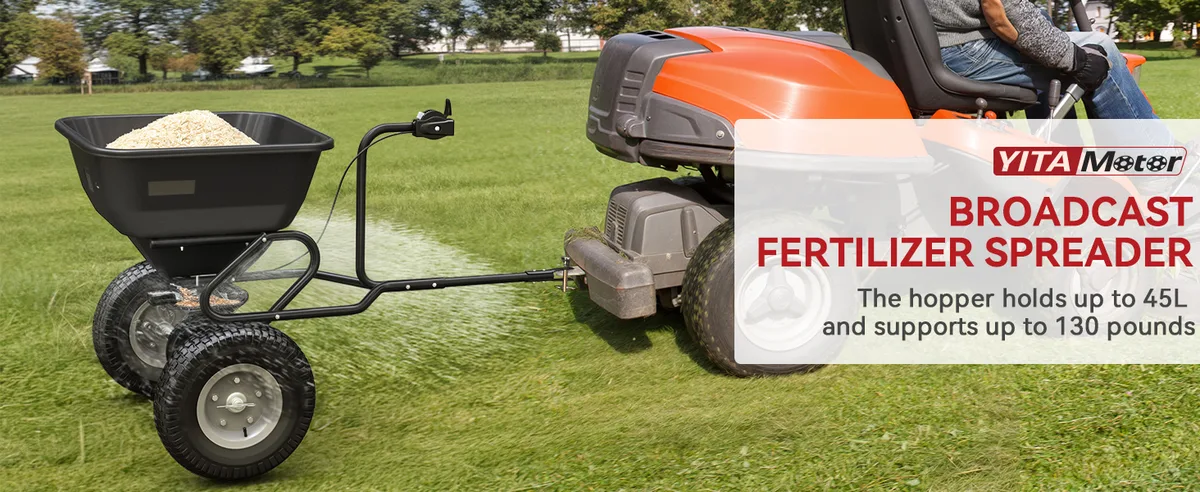
Image source: Web (Bing) / amazon.com
The Establishment Timeline, Weeks 1 to 8
| Weeks | What’s happening | Your job |
|---|---|---|
| 1 to 2 | Seed swells, first blades appear | Water lightly twice daily, 5 to 10 minutes |
| 2 to 3 | Full germination | Taper to once daily |
| 4 to 6 | Roots deepen, stand fills in | Water every two to three days, deeper |
| 6 to 8 | Stand reaches mowing height | First mow, then normal care |
If a heat wave lands mid-establishment, then protect moisture with a thin straw mulch. Our hot-summer watering routine covers the details.
First Mow and Early Traffic Rules
Make the first cut at 3 to 3.5 inches with a sharp, dry blade. Wet seedlings tear instead of cut. Keep every foot, paw, and hose off the area for the first month.
Established fescue shrugs off abuse. Seedlings get exactly one chance.
Seven Fine Fescue Mistakes That Kill New Lawns (and What to Do Instead)
Editorial analysis of extension troubleshooting pages and verified buyer reviews keeps circling the same seven errors. Each fix takes less work than the mistake.
- Burying the seed. Past a quarter inch, most seed never reaches light. Rake, don’t drill.
- Pronouncing failure at day ten. Hard and sheep fescue can need 21 days. Mark the calendar and don’t touch the bed.
- Seeding in spring. You’re racing crabgrass and July heat. Fall wins.
- Pre-emergent anywhere near the project. It kills germinating fescue as reliably as crabgrass. Wait a full season.
- Feeding like bluegrass. Lush, overfed growth invites red thread and pink patch. Hold at 1 to 2 pounds of nitrogen per year.
- Watering established turf daily. Constant sprinkling rots crowns. Deep, infrequent watering after establishment beats daily misting.
- Buying blind from the bargain shelf. Read the tag for germination above 85 percent, a test date inside nine months, and low weed seed content. Ryegrass filler looks nothing like fescue once it matures, so brush up on spotting the real thing up close.
For blend comparisons, cultivar scores from the National Turfgrass Evaluation Program tell you more than bag artwork ever will.
Long-Term Care: Mowing, Feeding, and Renewal the Low-Input Way
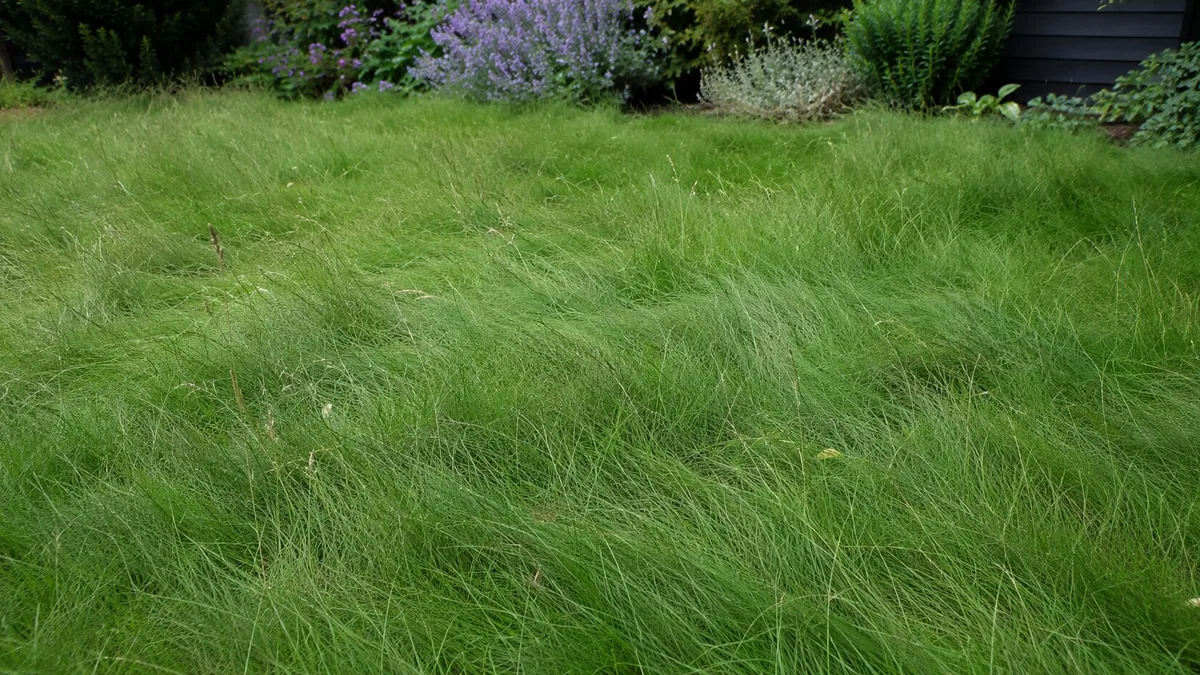
Image source: Web (Bing) / competitivelawn.com
Once roots take hold, this becomes the least demanding lawn you’ll own. Care shifts from daily intervention to a short seasonal rhythm.
The Once- or Twice-Yearly No-Mow Schedule
No-mow stands get one cut in late spring after seed heads fade. A second trim in early fall keeps edges tidy. Manicured fine fescue lives at 2.5 to 3 inches.
Scalp it below 2 inches and the stand thins within a season. Leave clippings where they fall, because fescue makes almost no thatch and recycles its own nitrogen.
Feeding stays just as minimal. One slow-release application in September or October, nothing else. Our fall feeding guide covers timing by region.
Watching for Red Thread and Pink Patch
Both fungal diseases appear in humid stretches as red-pink threads or water-soaked patches. Neither usually kills the stand. They’re a nitrogen signal, so a light feeding greens things back up within weeks.
If disease returns every summer, then shift future reseeding toward chewings or hard fescue, which carry better resistance.
Slice-Seeding Every Few Years to Stay Dense
Bunch-type species never creep into bare spots. Every two to three years, run a slit seeder over thin areas at half the overseeding rate in early fall. The job takes minutes per 1,000 square feet and costs far less than a renovation.
Creeping red fills gaps on its own through rhizomes. The bunch types need this assist.
Fine Fescue FAQs
How long does fine fescue take to germinate?
Expect 7 to 14 days for creeping red and chewings fescue, and 10 to 21 days for hard and sheep fescue. Soil temperature drives the clock, with 60 to 75°F ideal. Don’t judge the stand until three full weeks have passed.
Can I seed fine fescue in spring?
You can, but you’ll fight for it. Spring seedings face crabgrass emergence, then summer heat before roots mature. If spring is your only window, seed as early as soil can be worked and plan on irrigation.
Fall remains the reliable choice.
How much sun does fine fescue really need?
Two to four hours of direct sun, the lowest requirement of any common cool-season lawn grass. Creeping red and chewings handle shade best. Dense, wet shade still thins every variety, so drainage matters as much as light.
Why is my fine fescue turning tan in summer?
That’s summer dormancy, not death. The plant shuts down top growth during drought and holds its roots. It greens back within two to three weeks of real rain.
Water deeply only if you can’t accept the tan phase.
Can I mix fine fescue with other grasses?
Yes, and blends often perform better. Kentucky bluegrass adds recovery where traffic hurts, and microclover adds nitrogen plus pollinator value. Avoid generic sun-and-shade bags heavy on ryegrass, which outgrows fescue seedlings.
How much does a fine fescue lawn cost to establish?
Commodity seed runs about $3 to $6 per pound, while premium no-mow mixes hit $8 to $15. At 4 to 5 pounds per 1,000 square feet, seed for a 5,000 square foot lawn lands between roughly $75 and $450. Add $10 to $30 for a soil test.
The Final Decision Guide: Is Fine Fescue Right for Your Yard?
| Your situation | Verdict |
|---|---|
| 2 to 4 hours of sun under mature trees | Strong yes, creeping red and chewings lead |
| Full sun, cool northern climate | Yes, within limits. Our notes on all-day sun performance set the ceiling |
| Full sun, hot and humid summers | No, choose a warm-season or tall fescue lawn |
| Dog runs and sports fields | No, blend with bluegrass or switch grasses |
| Unwatered cabin, slopes, or rocky ground | Yes, hard and sheep fescue own this niche |
| Dense, wet shade | No, fix drainage first, then recheck |
| Rain-fed, low-input goal | Yes, this is the archetype use case |
Here’s the plain version. If your audits turned up shade, poor soil, or a hatred of mowing, then fine fescue is the strongest cool-season pick you can make. If they turned up all-day sun in the transition zone, or a dog that treats the yard as a running track, then no seed bag fixes that.
Traffic yards need the coarse-bladed look-alike instead, and that’s a fine outcome. Right grass, right site, right season. Get those three aligned and the lawn mostly takes care of itself.