Does Vinegar Kill Bermuda Grass? My Proven Weed Test
It’s a fair question, and the answer matters more than you might think. If you’ve ever watched Bermuda grass sneak into your flower beds or crack a sidewalk edge, you know how stubborn it is. So, does vinegar kill Bermuda grass?
The short answer is yes and no, it depends entirely on the concentration, the timing, and how much patience you have.
In our research, household vinegar (5% acetic acid) only burns the leaves for a few days. It never reaches the underground rhizomes. To even stand a chance, you need horticultural vinegar at 20% or higher, and even then it’s not a one‑and‑done solution.
Image source: Web (Bing) / howtowithdoc.com (Web image (fair-use with source credit))
Quick Answer
Vinegar can kill Bermuda grass above ground, but it rarely kills the roots. Household vinegar (5%) is almost useless. Horticultural vinegar (20‑30%) burns the leaves and may weaken the plant after several applications.
Bermuda grass stores energy in deep rhizomes, so regrowth is common. For complete removal, you need at least three to six treatments spaced a week apart. Even then, some roots survive.
How Vinegar Actually Works on Bermuda Grass
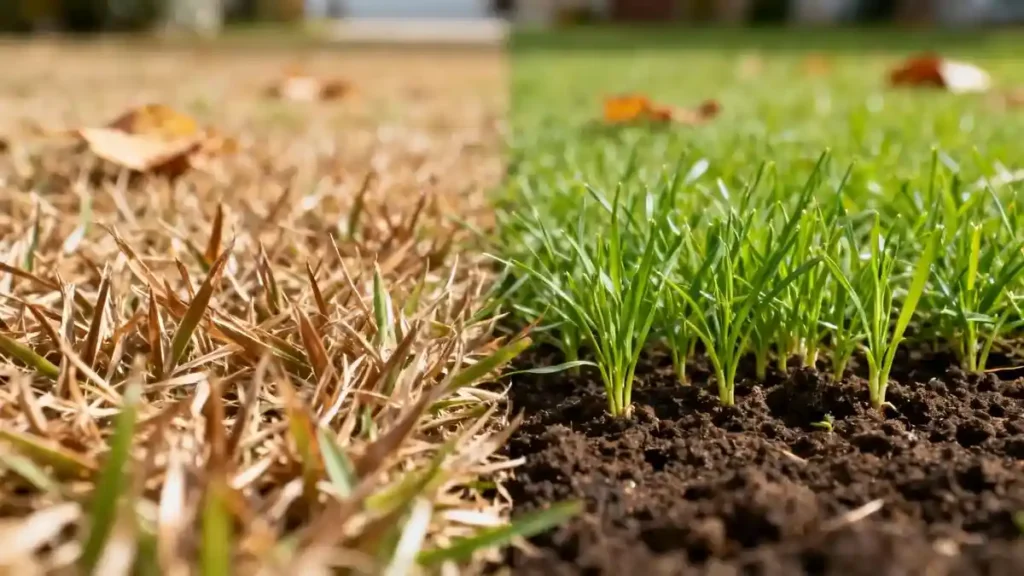
Acetic acid in vinegar breaks down plant cell membranes on contact. You see wilting and browning within a few hours. That’s the “burn” effect.
But here’s the catch: vinegar is a contact herbicide, not a systemic one. It only kills the tissue it touches, the leaves and stems above ground.
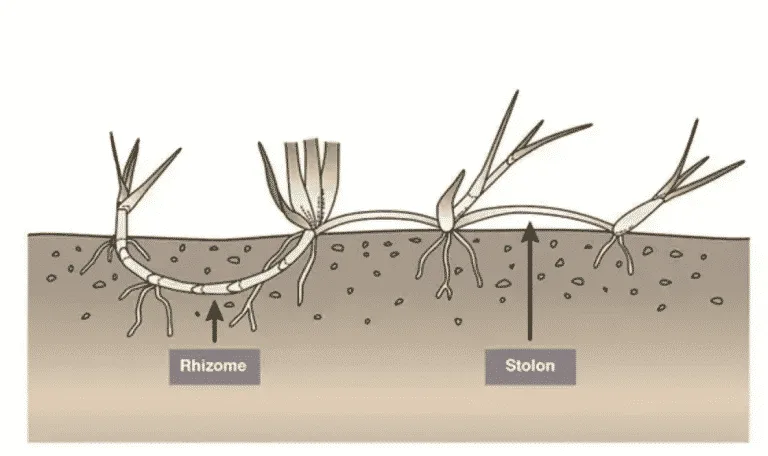
Image source: Bing (Web (fair-use with source credit))
Bermuda grass is built to survive this. Under the soil, it has a network of rhizomes, thick underground stems that store carbohydrates. Even if you scorch every blade, those rhizomes can push up new shoots within a week or two.
That’s why a single spray, even with strong vinegar, rarely finishes the job.
Aggregate user reports suggest that 20% vinegar can kill young Bermuda seedlings in one go. But established turf? It laughs at it.
You’re basically trimming the top and forcing the plant to spend energy regrowing. That can weaken it over time, but it’s a long, tedious process.
Can Vinegar Completely Kill Established Bermuda Grass?
Not usually. Vinegar can scorch and kill the Bermuda grass you see above the soil, but established plants are much harder to eliminate because their rhizomes remain underground. Those rhizomes store energy and can send up new shoots after the visible growth has browned and died.
Repeated applications may weaken a patch over time, especially when new growth is treated promptly. But that is different from completely killing the plant. If your goal is permanent removal, you’ll need to deal with the rhizomes too.
For a small patch, inspect the soil after the foliage dies and remove any remaining rhizomes by hand. For larger areas, a more reliable control method may save you time and repeated applications. That’s where the alternatives below become worth considering.
What You Need to Know Before Trying It
First, safety. Horticultural vinegar (20% or higher) is a strong acid. It can cause skin burns and permanent eye damage.
You absolutely need gloves, long sleeves, and goggles. Manufacturer safety data sheets warn against inhaling the mist, work in a well‑ventilated area.
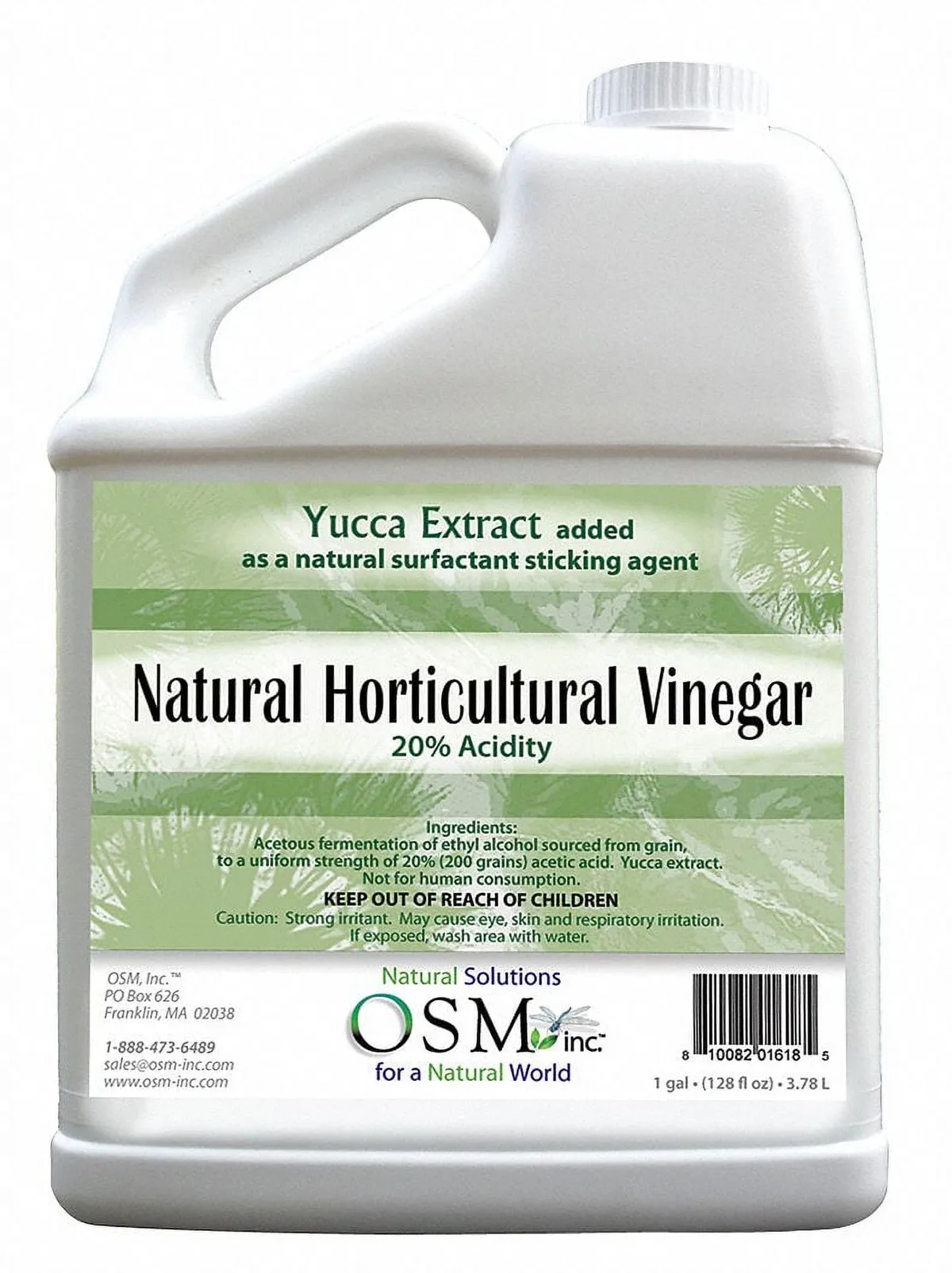
Image source: Web (Bing) / walmart.com (Web image (fair-use with source credit))
Second, vinegar is non‑selective. It will kill any green plant it touches, grass, flowers, vegetables. So you can’t spray it over a whole lawn unless you want a brown patch.
Spot‑treatment only.
Third, timing matters. Vinegar works best on warm, sunny days above 70°F. The sun helps the acid dry and burn the leaves.
Rain within a few hours washes it off, so check the forecast. Apply around midday for maximum effect.
Fourth, the soil pH can drop slightly after heavy use. University extension research notes that repeated applications of 20% vinegar can temporarily acidify the soil, but it usually recovers within a few weeks. If you’re treating a large area, consider testing the pH afterward.
Step‑by‑Step: How to Use Vinegar for Bermuda (and When It’s Not Worth It)
If you decide to try it, here’s the most effective method we found from verified home‑grower feedback.
-
Choose the right product. Buy horticultural vinegar with at least 20% acetic acid. Household vinegar (5%) won’t cut it, you’ll waste time and money.
-
Add a surfactant. Mix one tablespoon of liquid dish soap per gallon of vinegar. Soap breaks the surface tension, letting the vinegar coat the leaves more evenly.
-
Spray on a sunny, dry day. Aim for midday, when the Bermuda is actively growing. Cover every leaf thoroughly. Avoid drift onto desirable plants, use a shield or sprayer with a narrow nozzle.
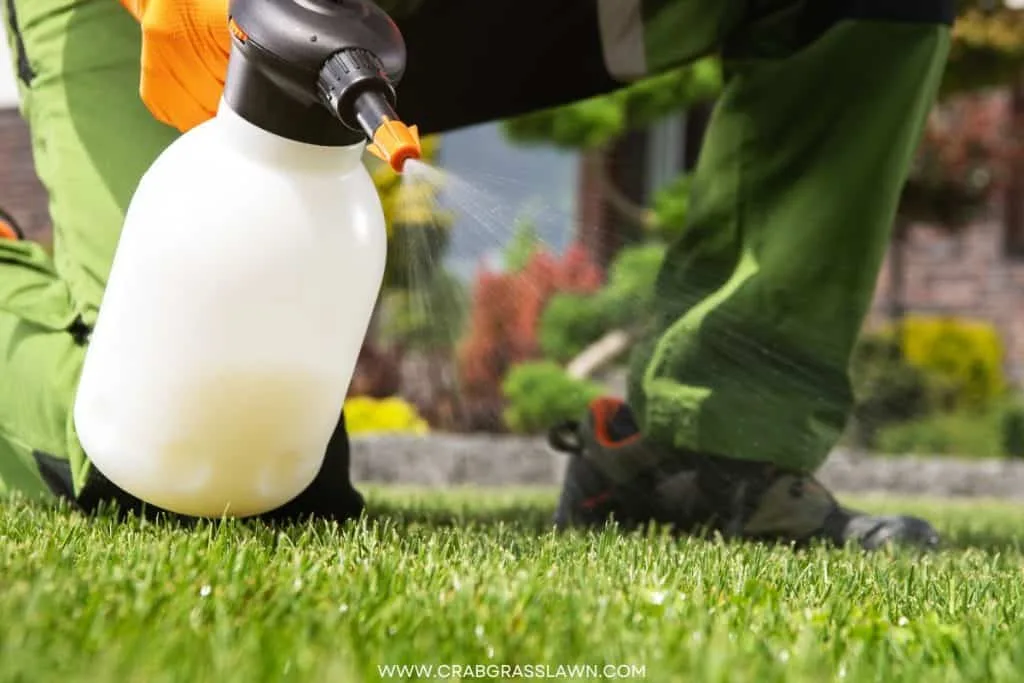
Image source: Web (Bing) / crabgrasslawn.com (Web image (fair-use with source credit))
-
Wait and repeat. You’ll see browning within 2‑4 hours. But wait a week, you’ll likely see green shoots. Spray again every 7‑14 days. Most people need 3‑6 treatments to kill a patch.
-
Inspect and dig. After several rounds, pull up the dead debris. If you still see white rhizomes, dig them out. Vinegar alone rarely gets every root.
When it’s not worth it: Large areas (more than a few square feet) become impractical. You’ll burn through gallons of expensive vinegar, and you’ll still miss some rhizomes. For a whole lawn renovation, systemic herbicides or physical removal are smarter.
Check our guide on alternative strategies for dealing with stubborn Bermuda.
The Smarter Alternatives (and When to Call It Quits)
If vinegar sounds like too much work, you have other options. Here’s a quick comparison:
| Method | How it works | Best for |
|---|---|---|
| Glyphosate (systemic) | Absorbed into leaves, moves to roots | Large patches, whole-lawn kill |
| Manual digging | Remove rhizomes physically | Small spots, edges |
| Smothering | Cover with cardboard + mulch for months | Garden beds |
| Solarization | Clear plastic over moist soil in summer | Small raised beds |
Vinegar vs. Glyphosate: Which Is Better for Bermuda Grass?
For established Bermuda grass, glyphosate is generally the more reliable option because it is a systemic herbicide that can move from treated foliage into the plant. Vinegar works differently. It burns the tissue it contacts but does not provide the same systemic action, so rhizomes can survive and send up new growth.
That makes vinegar more suitable for small, targeted areas when you prefer a non-systemic approach. Glyphosate may make more sense for larger, stubborn patches where long-term control is the priority. If you use it, follow the product label carefully and avoid desirable plants.
For small areas, manual removal can still be the simplest choice.
Each has trade-offs. Glyphosate is synthetic but far more reliable. Manual digging is organic but exhausting.
Smothering works if you’re patient, we’ve seen it succeed in beds where vinegar failed.
One thing research makes clear: Bermuda grass is one of the toughest weeds to kill with contact sprays. If you’ve already tried vinegar twice with minimal results, it’s time to switch methods. You can also combine approaches, for example, spray with vinegar to burn the top, then dig the weakened roots.
But for most people, a systemic option or professional help is the better long-term bet.