Does MSMA Kill Bermuda Grass? My Proven Safety Guide
You’ve got Bermuda grass and a weed problem. You’ve heard MSMA kills crabgrass, but now someone says it kills Bermuda too. So does MSMA kill Bermuda grass?
The short answer is yes, but almost never on purpose. It only kills Bermuda when the turf is stressed, newly planted, or the wrong cultivar gets treated. That difference is everything.
In our research, we pulled together label data, extension guidance, and application reports to see where the line is. Manufacturer specs indicate that MSMA (monosodium methanearsonate) works as a post-emergent herbicide on warm-season turf, but as of 2026, it is a restricted-use product in most states. The risk isn’t the chemical itself.
It’s how, when, and where you apply it. Let’s break that down.

Image source: Bing (Web (fair-use with source credit))
The Quick Answer: Yes, MSMA Can Kill Bermuda. But Usually Only When Conditions Are Off
MSMA can kill Bermuda grass, but only under stress. Established, healthy Bermuda usually survives an application. Newly planted or heat-stressed turf can die back.
The same herbicide that kills crabgrass can also damage your lawn. The key is knowing which situation you’re in.
Why MSMA Burns Bermuda Grass: The “Selective” Herbicide Catch
MSMA is called a selective herbicide because it targets grassy weeds like crabgrass without killing established Bermuda. That’s the theory. The reality has more moving parts.
MSMA belongs to a chemical family called organic arsenicals. It gets absorbed through the leaves and moves into the plant’s root system. On weeds, that’s fatal.
On Bermuda, it’s a stress test. Healthy, fast-growing turf can process the chemical and bounce back. Anything that slows growth down, from low mowing to drought, makes Bermuda vulnerable.
The label “selective” also depends on timing and rate. Apply too much, or spray when the turf is already struggling, and the selectivity disappears. You get the same yellow, thinning damage you were trying to avoid.
That’s why proper keeping your lawn healthy matters just as much as the herbicide choice.
Here’s what shifts the balance:
- Rate: 1 to 2 pints per acre is the standard range, but state labels vary.
- Timing: Early spring to early summer is safest, before summer heat peaks.
- Turf health: Fast-growing Bermuda tolerates MSMA far better than stressed turf.
Decision Branch 1: Established vs. Newly Planted Bermuda
If your Bermuda is established, meaning it’s been growing for at least one full season, the risk is manageable. Follow the label rate, keep the turf hydrated, and you’ll likely see just a brief yellowing. That’s a cosmetic issue, not a kill.
If your Bermuda is newly planted, stop. Sprigs, plugs, and sod that hasn’t rooted in yet cannot handle MSMA. The chemical burns the young stolons before they establish.
You’ll lose the stand more often than you save it. Wait until the turf is fully mature, which usually means after the first full growing season. This also applies to early-season establishment in transition zones, where the window is already tight.
There’s one more branch: dormant Bermuda. When the grass is brown and fully dormant, MSMA can be applied for winter weed control without much injury. But if green shoots are starting to break dormancy, damage risk climbs fast.
Decision Branch 2: Your Bermuda Cultivar’s Tolerance
Not all Bermuda grass is the same. Common Bermuda is more tolerant of MSMA than many hybrid varieties. But even within hybrids, there’s a range.
If you don’t know what you’re growing, treat it as sensitive and avoid MSMA entirely.
| Cultivar | Type | MSMA Tolerance |
|---|---|---|
| Common Bermuda | Seeded | More tolerant |
| Tifway 419 | Hybrid | Moderate tolerance |
| Tifgreen | Hybrid | Moderate to low tolerance |
| Celebration | Hybrid | Low tolerance |
| Victoria | Hybrid | Low tolerance |
The pattern tracks breeding history. Older common types grew in tougher conditions and built more natural resistance. Newer hybrids were bred for looks, density, and speed, not chemical toughness.
So the prettier the lawn, the more careful you need to be.
If you’re already following a seasonal feeding schedule, you know that pushing growth changes how the grass reacts to stress. The same principle applies here. A heavily fed hybrid in active growth handles MSMA better than a slow, hungry one.
Decision Branch 3: Heat, Drought, and Mowing Stress

Image source: Web (Bing) / howtowithdoc.com
Heat stress is the biggest contributor to MSMA damage. In our research, injury reports spike when application happens during summer heat, especially above 85-90°F. The chemical amplifies the stress already present in the turf.
Drought makes it worse. Bermuda grass can survive drought, but it’s not growing. MSMA needs active growth to be metabolized.
If the lawn is brownish or footprints stay visible after walking, it’s stressed. Spraying then is a one-way ticket to dead patches.
Mowing height matters too. Scalping the lawn within a few days before application removes the leaf area that buffers the chemical. Keep the mower at the recommended height, and leave a few days between mowing and spraying.
On top of that, proper annual aeration improves root depth, which gives the turf more tolerance for herbicide stress. And if your lawn is already in a patch of shade, remember that reduced sunlight requirements can keep the grass weak, making MSMA damage worse.
The EPA classifies MSMA as a restricted-use pesticide, which means you need a license to buy it in most states. That’s not bureaucracy for its own sake. It’s a direct acknowledgment of how easily this chemical can damage turf and the environment when applied carelessly.
So the decision tree really comes down to three questions: Is the Bermuda established? Do you know the cultivar? Is the turf stress-free?
If you answer no to any of them, MSMA is the wrong choice. If you answer yes to all three, it can work, but only under controlled conditions. That’s the real answer to whether MSMA kills Bermuda grass.
It doesn’t have to. But it will if you give it half a chance.
Step-by-Step: How to Apply MSMA Without Damaging Bermuda
This is where most people mess up. The chemical is fine. The process is where lawns get lost.
Start with a mow. Cut 2 to 3 days before application, at your normal height. Leave the clippings.
Then check the calendar and the sky. You want temps below 85°F and no rain within 24 hours. Early morning works best, because a light dew helps the herbicide spread evenly across the leaf surface.
Calibrate your sprayer before you mix anything. A rate error is the #1 cause of MSMA injury. Measure your output, calculate the proper amount for your lawn size, and don’t guess.
Add a non-ionic surfactant at the label rate. It helps the MSMA penetrate the waxy leaf cuticle of Bermuda grass. Without it, you get uneven control and higher injury risk.
Apply with a fan nozzle, not a solid stream. Keep the sprayer moving at a steady pace. Overlap is fine, but don’t circle back and respray areas you already covered.
After application, stay off the lawn until the spray is dry. Irrigate once the turf is completely dry, if the label calls for it. Don’t push water immediately.
Want a simpler visual? Think of it like cooking. The right ingredients, the right temperature, and the right timing.
Change any one of them, and the dish falls apart.
Your Bermuda Grass Turned Yellow—Now What?

Image source: Bing (Web (fair-use with source credit))
So you sprayed, and now the lawn looks like a tiger with jaundice. Yellow streaks, thinning patches, maybe some straw-colored tips. Don’t panic yet.
In our research, most MSMA yellowing is cosmetic and temporary.
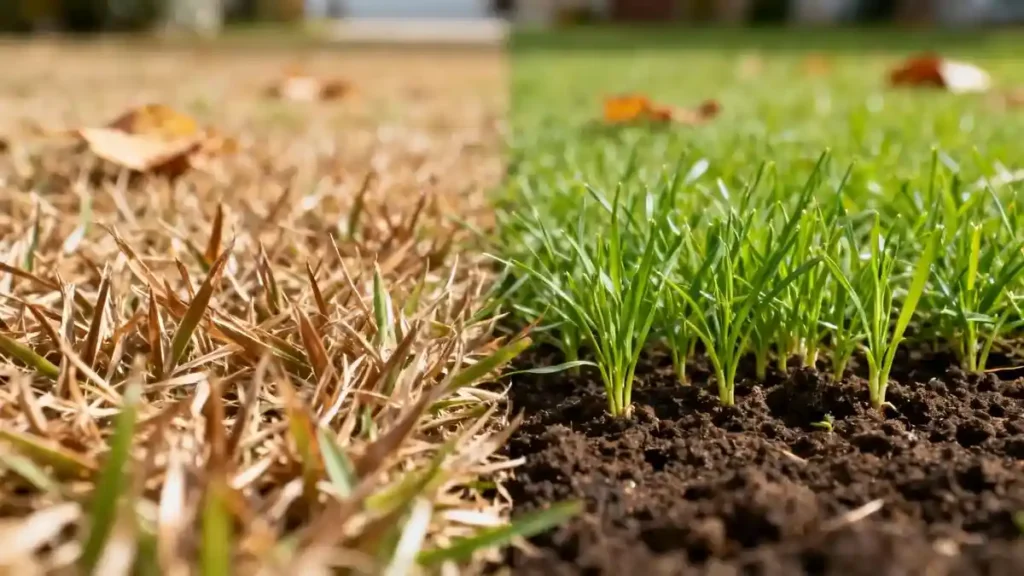
The turf turned yellow because the chemical interfered with chlorophyll production and stressed the plant’s metabolism. It’s ugly, but it’s not always a death sentence. Established Bermuda can recover in 2 to 4 weeks with proper care.
What to do depends on how bad it looks:
- Light yellowing: Mow at normal height, keep watering, skip fertilizing for 2 weeks. It’ll likely recover on its own.
- Patchy yellowing with some dead spots: Water regularly, apply a light nitrogen fertilizer after 14 days, and watch for new growth.
- Widespread browning or thinning: You may have killed the stand. Start mapping out a reseeding or re-sodding plan for the fall.
Don’t apply more MSMA. Don’t throw down a high-nitrogen fertilizer immediately. The roots are recovering, and pushing them hard makes things worse.
Give the turf time to process the chemical.
If you hit a new planting, the recovery odds are low. Sprigs and plugs don’t have the root mass to survive chemical stress. That’s why the earlier decision branch is so important.
Prevention beats salvage every time.
MSMA vs. Safer Alternatives: Quinclorac, Topramezone, and Others
All this risk makes you wonder: is there an easier option? Yes. Several post-emergent herbicides control grassy weeds in Bermuda grass with far less burn risk.
Quinclorac is the closest alternative. It handles crabgrass, goosegrass, and some broadleaf weeds. It works on established Bermuda with minimal yellowing, though it’s also post-emergent.
Topramezone is newer and gentler on Bermudagrass. It’s effective on crabgrass, but it costs more than MSMA.
| Herbicide | Weed Spectrum | Bermuda Injury Risk | Cost | Best For |
|---|---|---|---|---|
| MSMA | Crabgrass, goosegrass, some broadleafs | Moderate to high | Low | Licensed pros on mature turf |
| Quinclorac | Crabgrass, goosegrass, several broadleafs | Low to moderate | Moderate | Homeowners and pros |
| Topramezone | Crabgrass, certain grassy weeds | Low | High | Spot treatments on sensitive cultivars |
| Fenoxaprop-p-ethyl | Crabgrass, some annual grasses | Moderate | Moderate | Warm-season turf managers |
If you’re a homeowner without a pesticide license, quinclorac is usually the better move. It kills the weeds without the risk profile. If you’re a pro managing a Tifway 419 fairway, MSMA still has a place, but only with a strict schedule.
6 Common Mistakes That Turn Treatment Into Turf Damage
These are the patterns we see in nearly every MSMA injury report.
-
Spraying in summer heat. Temperatures above 90°F turn a safe application into a burn. Wait for cooler weather.
-
Treating stressed, drought-suffering Bermuda. The turf can’t metabolize the chemical. It goes straight to damage. Water a few days before spraying.
-
Overlapping spray passes. Double coverage means double the rate. That’s a quick way to strip the lawn.
-
Ignoring cultivar sensitivity. Celebration and other hybrid varieties burn faster than common Bermuda. Know what you’re spraying.
-
Adding a second herbicide without label permission. Tank mixes that aren’t listed on the label can create chemical reactions that damage turf.
-
Using MSMA on new sod. New turf might look established on top, but the roots haven’t knitted in yet. Give it at least a full season before any post-emergent herbicide.
Avoid these, and you’re already ahead of most of the damage reports we see online.
Legal and Safety Checks Before You Even Consider MSMA

Image source: Bing (Web (fair-use with source credit))
MSMA isn’t a run-of-the-mill weed killer. The EPA classifies it as a restricted-use pesticide, which means you need a license to buy and apply it in most states. That’s not red tape.
It’s because the active ingredient is an organic arsenic compound.
Arsenic doesn’t disappear after application. It can linger in soil and move into water sources. That’s why the EPA restricts it, and why many states have canceled it for residential use.
As of 2026, you’ll typically need to show a pesticide applicator license at the counter.
If you hold a license, the label is your legal roadmap. It lists rates, timing, personal protective equipment, and re-entry intervals. Handlers need chemical-resistant gloves, long sleeves, and eye protection.
And the EPA’s pesticide registration page has state-by-state regulatory updates.
If you don’t have a license, don’t try to buy MSMA online or from an out-of-state source. That’s illegal in most places. Use a licensed professional or pick a safer over-the-counter herbicide instead.
The Final Decision Guide: Should You Spray MSMA on Bermuda?
The honest answer depends on your license, your turf, and your timing, in that order. If you’re a certified applicator managing established common Bermuda, MSMA can still earn its place. If you’re a homeowner, skip it.
The restricted-use status alone makes the logistics harder than the weeds are worth.
Here’s the decision flow. If you’re licensed, the next question is turf maturity. Established, fast-growing Bermuda in spring can handle a careful application.
Newly sprigged, plugged, or sodded turf cannot. Wait a full season at minimum.
If the turf is mature, next check the cultivar. Common Bermuda and Tifway 419 show moderate tolerance. Celebration, Tifgreen, and other dense hybrids are far more sensitive.
When in doubt, lean toward an alternative herbicide.
Dormant turf is a different story. The grass is fully brown and not actively taking up the herbicide. That makes MSMA safer to use than in summer.
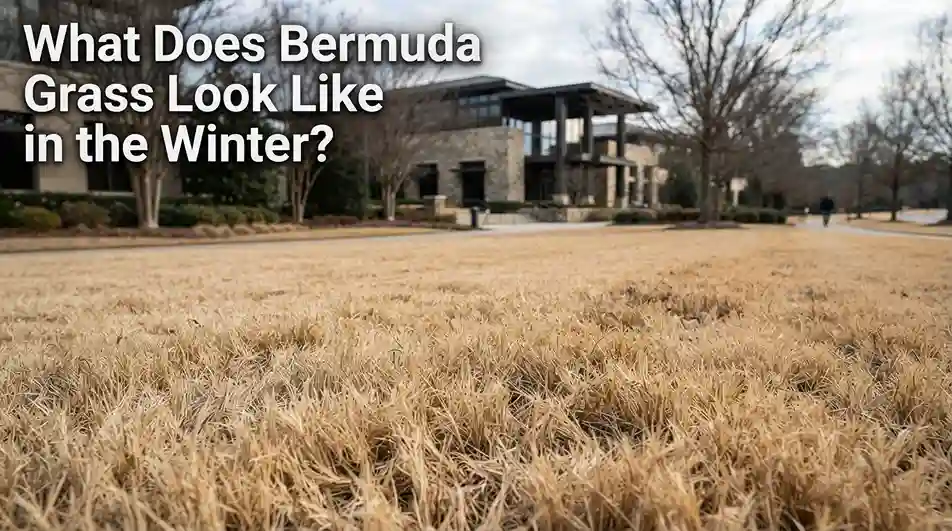
Just confirm the turf is truly dormant. Winter dormancy patterns show you what to look for.
Then check the environment. Temps under 85°F, moist soil, and active growth. If those conditions don’t line up, choose quinclorac or topramezone instead.
They cost more, but they don’t require a license or a recovery plan.
| Scenario | MSMA? | Better Option |
|---|---|---|
| Mature common Bermuda, spring, cool | Yes, carefully | MSMA at label rate |
| Newly planted Bermuda | No | Quinclorac |
| Celebration or Tifgreen | No | Topramezone spot treatment |
| Dormant winter Bermuda | Yes | MSMA for winter weeds |
| Heat or drought stressed turf | No | Wait for recovery |
| Homeowner without a license | No | Quinclorac or hire a pro |
If you’re still unsure after all that, treat “no” as the default. Bermuda grass is hard to establish and harder to replace. One bad MSMA application can erase years of progress.
Pre-emergents and gentle post-emergents keep the lawn alive long enough to outcompete the weeds anyway.
That’s the honest verdict. Prevention beats recovery.
Frequently Asked Questions
These are the questions we hear most often from readers.
Is MSMA legal for home lawn use?
MSMA is a restricted-use pesticide. You need a certified applicator’s license to buy it in most states. Many states have banned it for residential lawns entirely.
Check with your state’s department of agriculture before purchase. Without a license, hire a licensed pro instead.
How long does MSMA take to kill crabgrass?
Visible dieback shows up in 5 to 10 days. The chemical absorbs through the leaves, then moves down to the roots. Heavy infestations may need a second application, but only if the label allows it.
Overspraying to speed things up will injure the turf.
What should I do if my Bermuda grass turns yellow after spraying MSMA?
Stop treating the lawn and let the grass recover. Water deeply but infrequently, and hold off on fertilizer for 2 weeks. Keep mowing at your normal height.
Bright green new growth means it’s recovering. Brown, dead centers mean replanting.
Will MSMA kill common Bermuda grass?
Common Bermuda is the most tolerant of the Bermuda types. Established turf typically survives a label-rate application in spring. That tolerance disappears under stress.
Heat, drought, or low mowing height can flip the result from yellowing to dieback. Know your turf’s health before you spray.
What’s the best MSMA alternative for Bermuda grass?
Quinclorac is the closest substitute for post-emergent crabgrass control. It’s available to homeowners, costs less than newer options, and causes minimal injury. Topramezone is gentler on sensitive hybrids but costs more.
Prodiamine is the top pre-emergent choice for prevention. The right pick depends on your situation.
Can I overseed Bermuda after applying MSMA?
You can, but wait at least 4 to 6 weeks. MSMA lingers in the soil and slows germination. When you overseed, pick a Bermuda variety with known tolerance.
If you’re seeding that season anyway, use quinclorac instead and skip MSMA entirely. This keeps young roots from taking up arsenic before they establish.