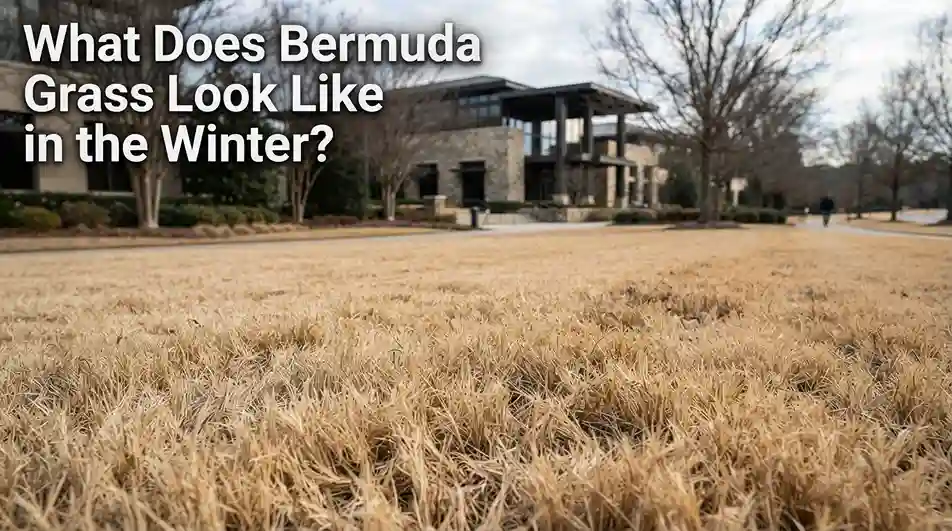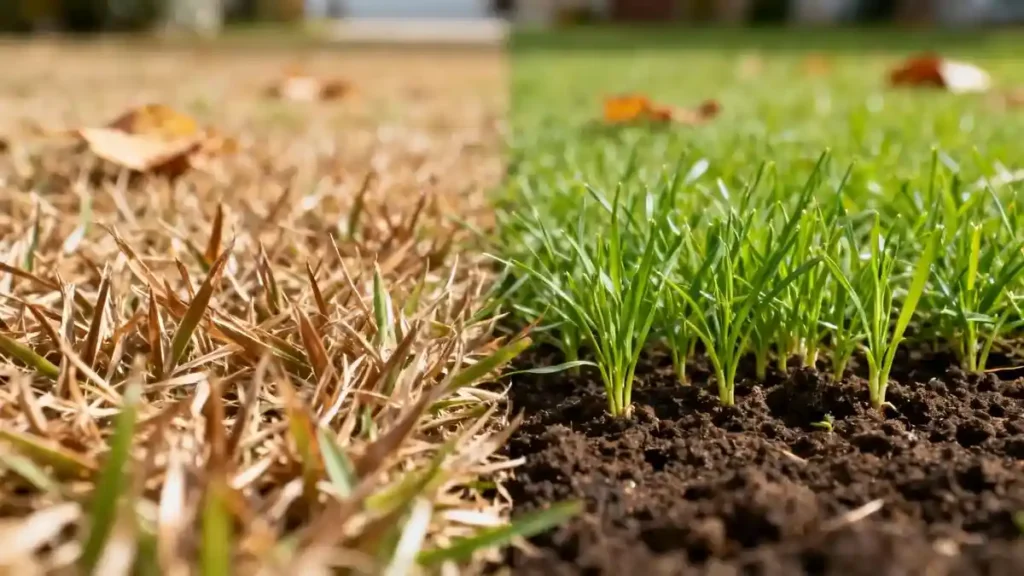
How to Get Bermuda Grass Green
Is your Bermuda grass looking more yellow than green? If you’re wondering how to get bermuda grass green again, you’re not alone. It’s one of the most common lawn care frustrations for homeowners across the South and transition zone.
The good news: yellowing is usually fixable with the right diagnosis.
As of 2026, soil testing remains the single best starting point. A simple pH and nutrient test from your local extension office can tell you exactly what’s missing. Let’s walk through the steps to turn that yellow lawn deep green.
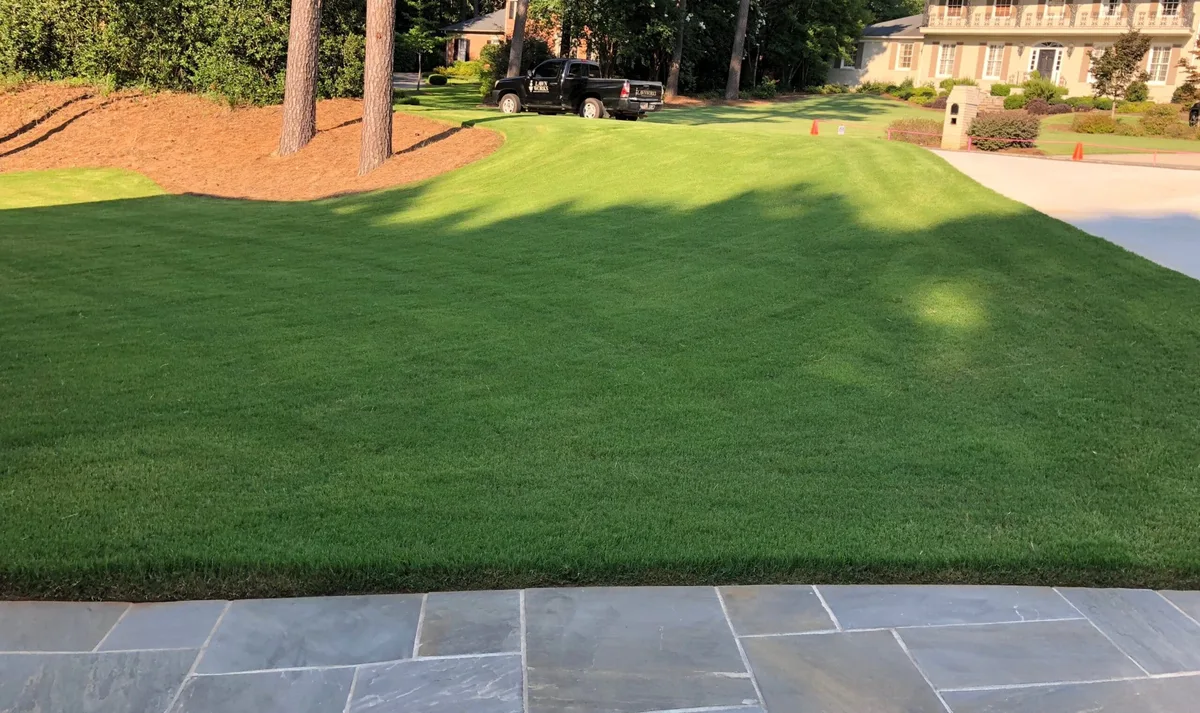
Image source: Web (Bing) / lawnrom.com (Web image (fair-use with source credit))
Why Your Bermuda Grass Is Yellow or Patchy
Bermuda grass turns yellow for several clear reasons. The most common is a nitrogen deficiency — the grass simply isn’t getting enough of the nutrient it needs for dark green growth. Iron chlorosis is another frequent culprit, especially in soils with high pH or poor drainage.
Other causes include overwatering, which suffocates roots, and compacted soil that blocks nutrient uptake. Thatch thicker than half an inch acts like a mat, preventing water and fertilizer from reaching the soil. Heavy shade, dog urine spots, and dull mower blades can also leave patches of yellow.
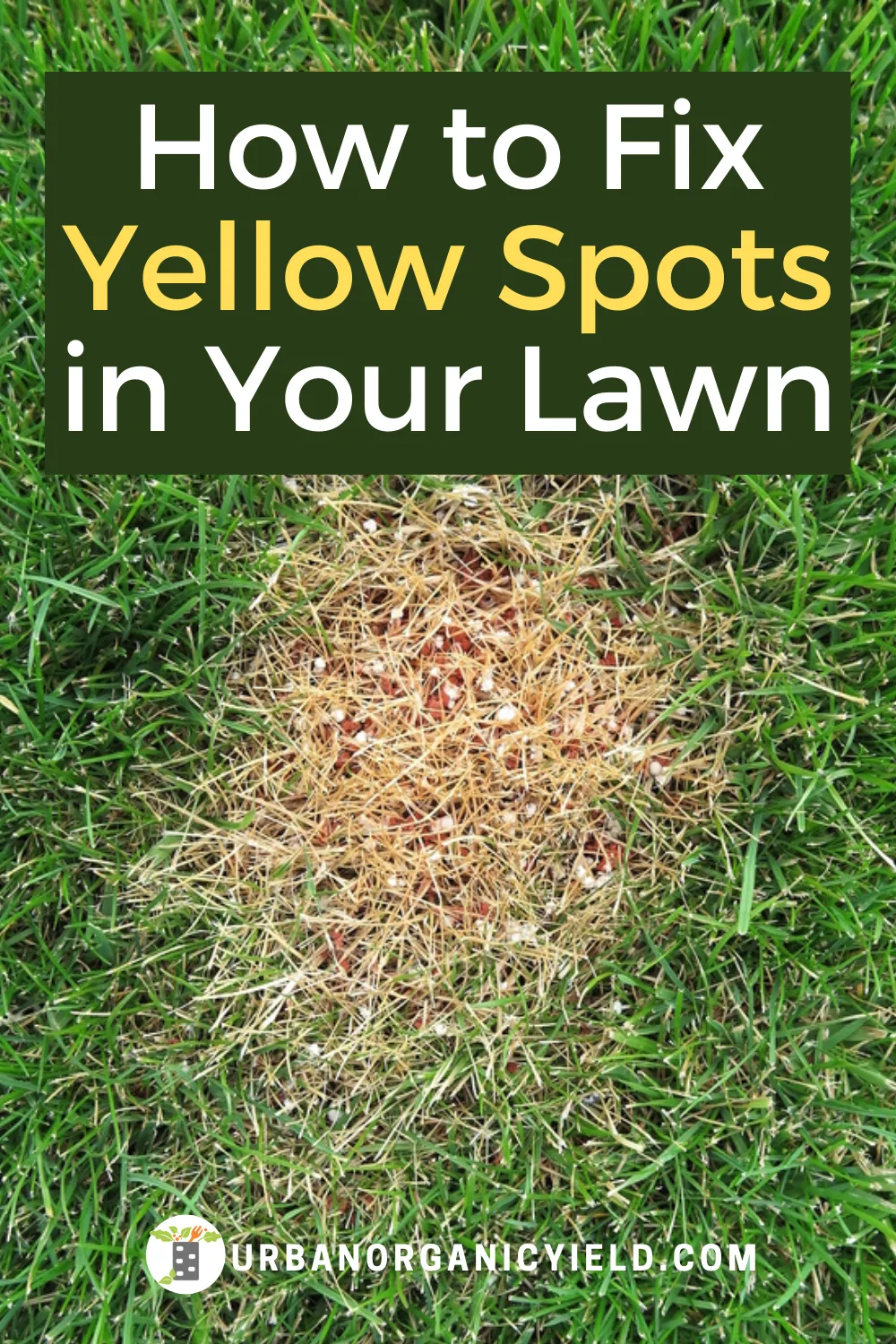
Image source: Web (Bing) / pinterest.com (Web image (fair-use with source credit))
If you’re unsure where to start, look at the overall pattern. Yellowing across the whole lawn often points to a nutrient or pH issue. Patchy yellowing may indicate localized problems like pet damage, grubs, or overwatering.
A quick soil test clears up the guesswork quickly. You can find more about the common causes in our detailed guide on why Bermuda grass turns brown.
Decision Tree: Fixing Yellow Bermudagrass Step by Step
Follow this simple decision tree to pinpoint the fix for your lawn.
Step 1, Test your soil. If pH is below 6.0, apply lime to raise it. If pH is above 7.0, use sulfur to lower it. Correct pH first; nothing else works well until that’s balanced.
Step 2, Check nitrogen. If the grass is light green or yellow from the older leaves up, apply a balanced nitrogen fertilizer (16-4-8 or 21-0-0) at 1 pound of nitrogen per 1,000 square feet per month during active growth. Use the right kind for your situation.
Step 3, Look for iron chlorosis. If the leaves are yellow but the veins stay green, spray chelated iron or ferrous sulfate. You’ll see improvement in 3, 5 days.
Step 4, Evaluate soil compaction and thatch. If water pools or grass feels spongy, aerate in late spring. If thatch is over half an inch, dethatch before fertilizing.
Step 5, Adjust watering. Water deeply (1 to 1.5 inches per week) in the early morning. Shallow frequent watering weakens roots and keeps the lawn yellow.
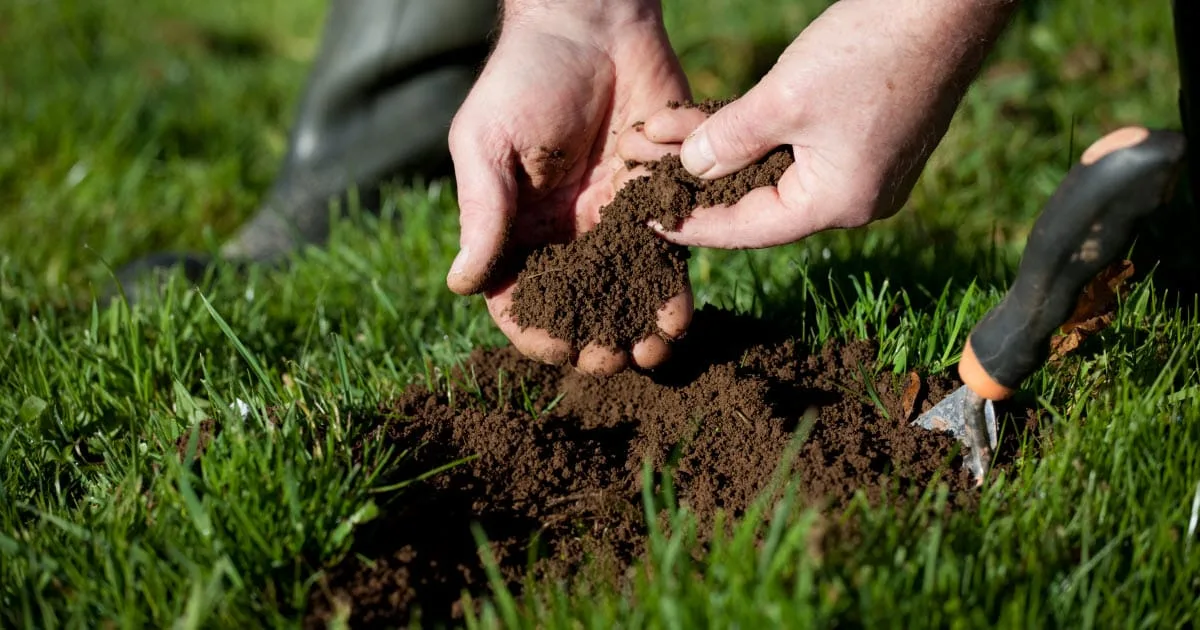
Image source: Web (Bing) / lawnchick.com (Web image (fair-use with source credit))
Need more detail on fertilizer selection? Check our expert tips on what fertilizer works best for Bermuda grass.
Common Mistakes That Keep Bermuda Grass from Going Green
Even with good intentions, many homeowners make small errors that keep Bermuda looking sick. Here are the ones that show up most often.
- Mowing too low (scalping). Cutting below 1 inch strips the crown and turns the lawn brown or yellow. Keep the blade at 1 to 2 inches.
- Using a dull mower blade. A dull blade tears grass instead of cutting it, leaving ragged tips that turn tan. Sharpen every 4 to 6 weeks.
- Fertilizing too early in spring. Applying nitrogen before soil temperatures reach 65°F encourages weed growth, not green grass. Wait until late April or May in most regions.
- Overwatering or underwatering. Both stress the grass. Stick to 1, 1.5 inches per week measured with a tuna can.
- Ignoring soil pH. Fertilizer can’t work if pH is off. Test yearly.
- Letting thatch build up. A thick thatch layer blocks water and nutrients. Dethatch every 2, 3 years if needed.
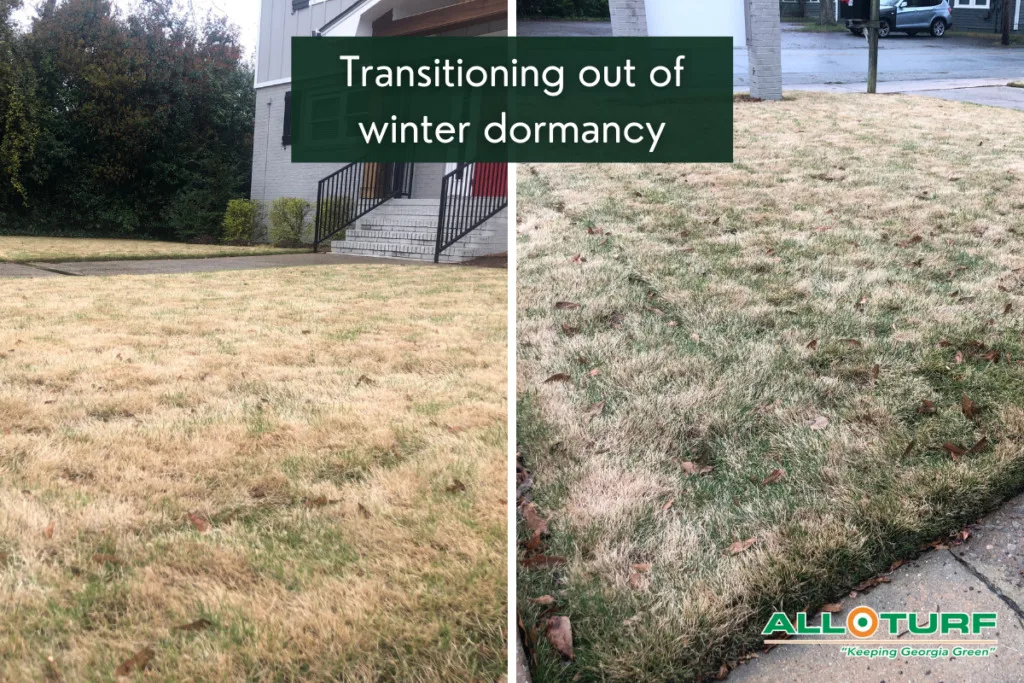
Image source: Bing (Web (fair-use with source credit))
You’ll find a full breakdown of proper lawn upkeep in our step-by-step care plan.
Expert Tips for Long-Term Deep Green Color
Once you’ve corrected the immediate yellowing, shift to a maintenance routine that keeps Bermuda dark green all season.
- Mow frequently. Every 3 to 5 days during peak growth. Remove no more than one-third of the leaf blade at a time. A reel mower gives the cleanest cut.
- Water deeply and rarely. One inch per week, applied in one or two sessions. Deep watering encourages deep roots, which access more nutrients.
- Fertilize monthly. From late spring through summer, apply 1 pound of nitrogen per 1,000 square feet each month. Use a slow-release formula to avoid burn.
- Add iron for a color boost. A chelated iron spray every 2 to 4 weeks provides a fast, deep green without excess growth.
- Aerate annually. Core aeration in late spring relieves compaction and lets oxygen reach the roots.
- Overseed only if needed. Bermuda spreads by stolons; overseeding with the same variety can help fill bare spots, but avoid mixing in cool-season grasses.
For a complete monthly plan, see our complete care guide for keeping Bermuda grass green.
Frequently Asked Questions
How often should I water Bermuda grass to keep it green?
Water deeply once or twice a week, applying 1 to 1.5 inches total. Adjust for rainfall. Shallow daily watering leads to yellowing and shallow roots.
When is the best time to fertilize Bermuda grass?
Fertilize from late spring through summer when soil temperatures stay above 65°F. Avoid fertilizing in early spring before green-up or in late fall before dormancy.
Can too much nitrogen make Bermuda grass yellow?
Yes. Over-fertilizing can cause nitrogen burn, turning leaf tips brown or yellow. Stick to 1 pound of nitrogen per 1,000 square feet per month and water after applying.
What is the fastest way to green up Bermuda grass?
Spray chelated iron. It works within days and gives a visible deep green color. Combine with a nitrogen fertilizer for longer-lasting results.
Why is my Bermuda grass still yellow after fertilizing and watering?
Check soil pH first. If pH is above 7.0, iron becomes unavailable even if it’s in the soil. Also look for thatch, compaction, or dull blades.
These block uptake.
Does shade cause Bermuda grass to turn yellow?
Yes. Bermuda needs full sun (6+ hours direct). In shade, it thins out and turns yellow.
Consider trimming trees or switching to a shade-tolerant grass like Zoysia if shade is heavy.