Is Rye Grass a Perennial or Annual? What to Know
Is rye grass a perennial or annual? You’ve probably seen both answers and walked away more confused than when you started. The truth hinges on two things: which ryegrass you’re holding and where you’re trying to grow it.
One type is a short-lived workhorse that dies on schedule. The other can hang around for years, but only if your summer doesn’t turn brutal. As of 2026, the USDA Plant Hardiness Zone Map shows perennial ryegrass reliably persists only in zones with mild summers, roughly zones 3 through 7.
Step outside that range and it acts like an annual no matter what the bag says. Let’s sort out the confusion with a clear, climate-driven lens.
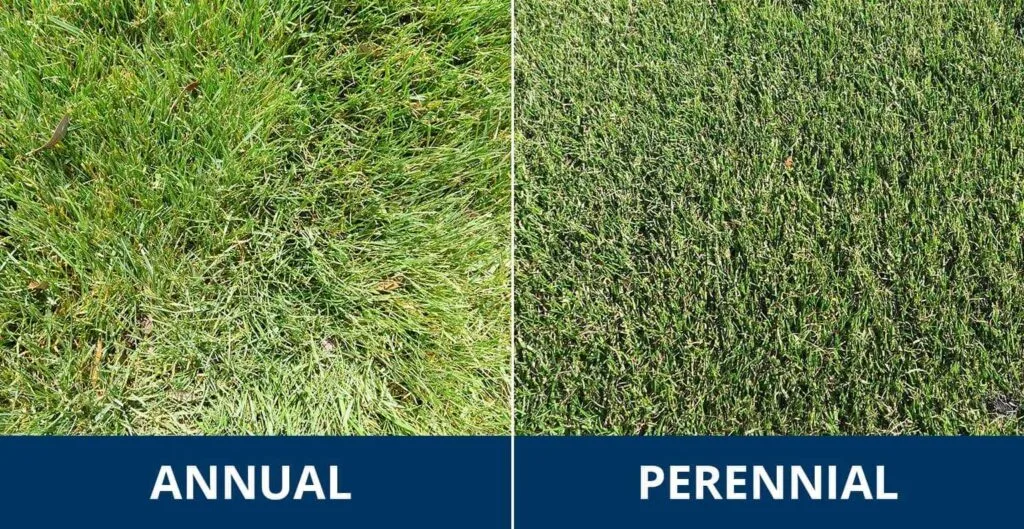
Image source: Bing
Quick Answer
Is rye grass a perennial or annual? Both exist. Annual ryegrass (Lolium multiflorum) lives one season and dies.
Perennial ryegrass (Lolium perenne) returns for multiple years but only where summers stay cool. In hot-summer regions, perennial ryegrass functions as an annual, dying when temperatures climb. Match the type to your climate and intended use.
The Two Plants Behind the Confusion (And Why Labels Lie)
The biggest source of confusion is simple: two entirely different grasses share a name. Annual ryegrass is a fast, temporary fix. Perennial ryegrass is a finer-bladed grass meant to stick around.
But neither one reads the label.
Annual ryegrass germinates in 3 to 5 days. It throws up bright, shiny green leaves and establishes faster than almost anything you can buy. Farmers use it for winter grazing.
Highway crews use it to hold soil on fresh slopes. Homeowners in warm climates toss it over dormant Bermuda lawns every fall. It’s cheap, it’s quick, and it dies.
That’s the whole deal.
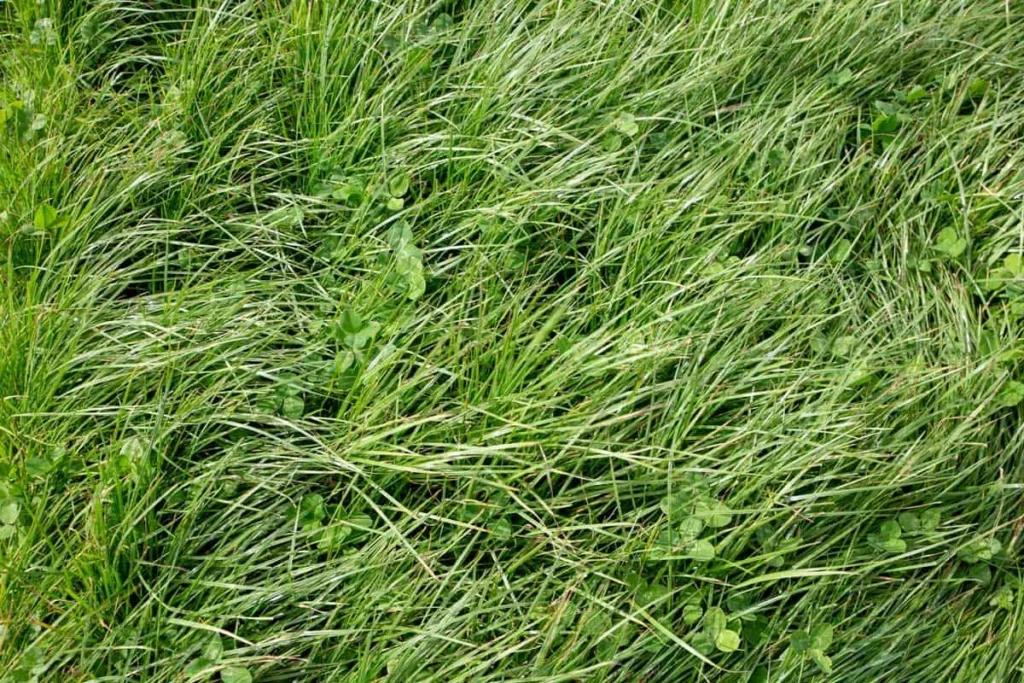
Perennial ryegrass looks darker, finer, and more refined. It forms a dense carpet when conditions suit it. Golf courses in the UK and Pacific Northwest rely on it heavily.
In those cool, damp regions it genuinely behaves as a perennial, lasting 3 to 5 years or more. But give it a proper summer with sustained heat above 85°F, and it checks out just like its annual cousin.
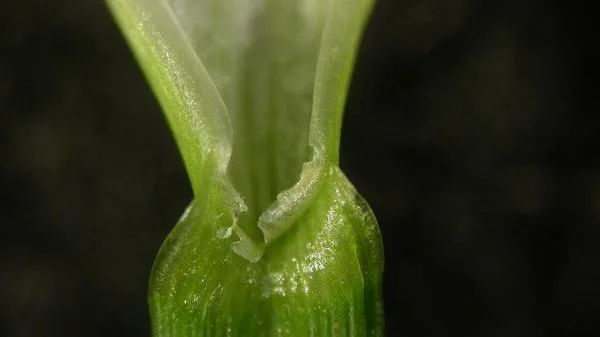
You can often tell them apart by looking at the emerging leaves. Annual ryegrass has rolled vernation. Perennial’s leaves are folded in the bud.
That plant-nerd detail matters when you’re staring at a patch and wondering what you got sold.
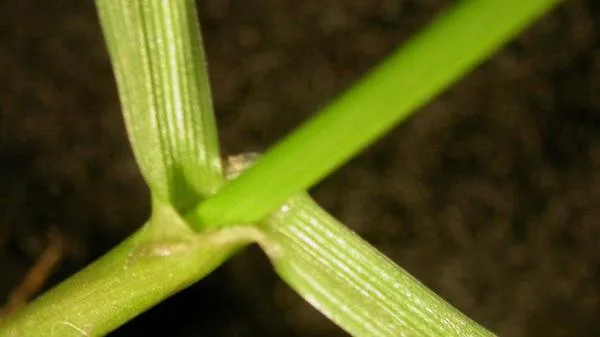
Image source: Web (Bing) / turffiles.ncsu.edu
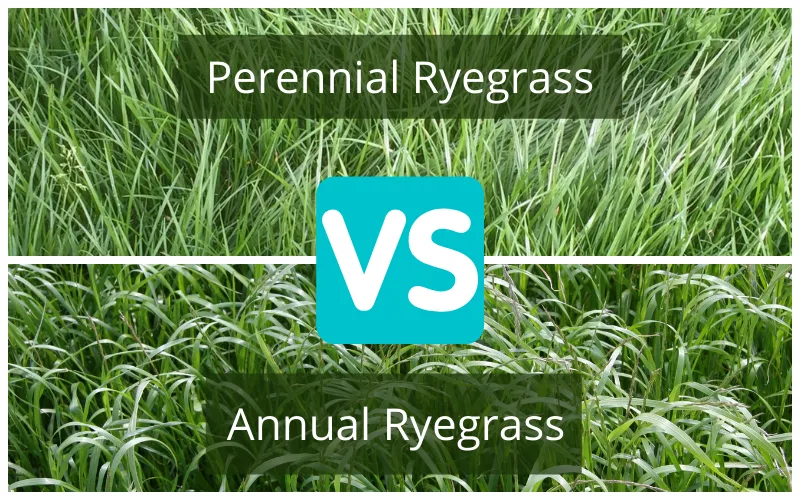
If you need a deeper visual guide, spotting the differences in leaf shape and texture will walk you through exactly what to look for. For quick reference, here is a side-by-side breakdown:
| Trait | Annual Ryegrass | Perennial Ryegrass |
|---|---|---|
| Lifespan | One season | Multiple years in cool climates |
| Germination | 3–5 days | 5–10 days |
| Leaf color | Bright, shiny green | Dark emerald |
| Leaf texture | Coarse, wider | Fine, narrow |
| Seed head | Thin, wispy spike | Shorter, denser spike |
| Best for | Temporary cover, overseeding warm lawns | Permanent turf where summers stay mild |
The Climate Filter: Where Your Zip Code Overrules the Seed Bag
Perennial ryegrass is only a perennial on its own terms. The USDA Plant Hardiness Zone Map confirms it thrives in zones 3 through 7. Think Oregon, Vermont, coastal Scotland.
In those places, summer highs rarely crack the mid-80s for long. The grass stays happy.
Once you cross into zone 8 and beyond, things shift. Perennial ryegrass doesn’t go dormant to ride out the heat the way tall fescue or bluegrass sometimes can. It melts.
Brown patches appear. By mid-August you’re staring at dirt. The plant has functioned exactly like an annual, and reseeding in fall becomes non-negotiable.
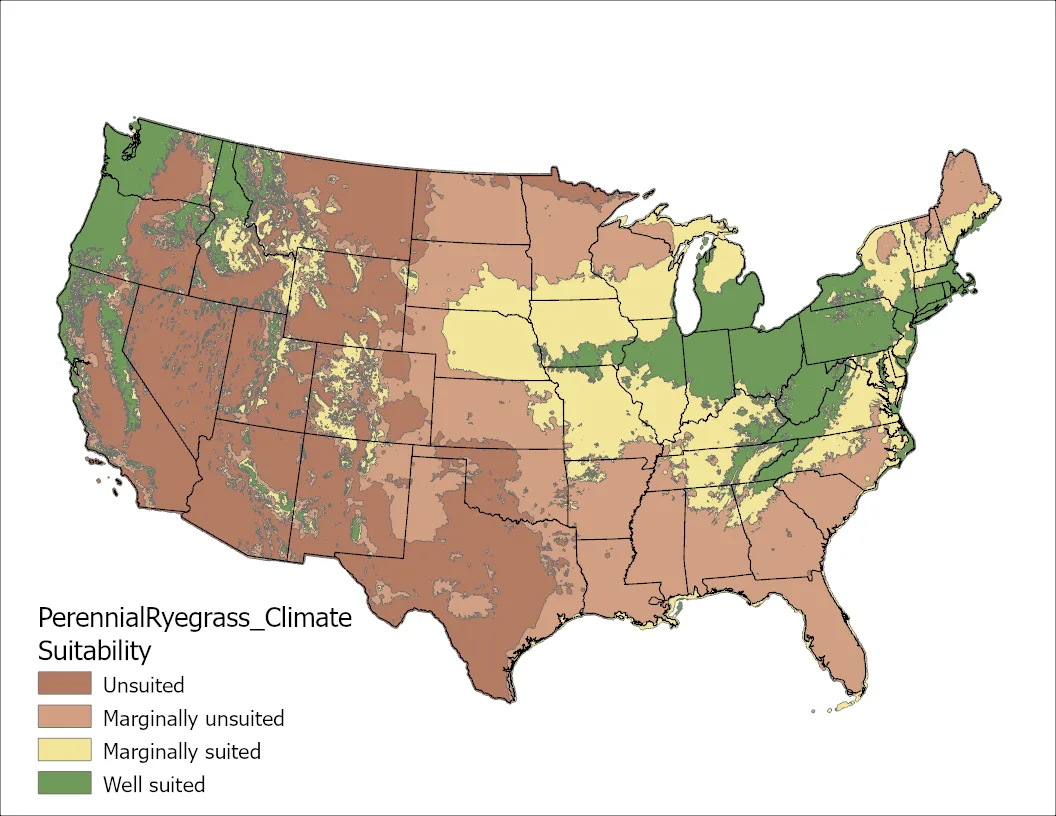
Image source: Web (Bing) / forages.oregonstate.edu
Here is the climate decision cheat sheet that cuts through the marketing:
- Cool summers (Pacific Northwest, New England, UK, Northern Europe): Perennial ryegrass can be a permanent lawn. Annual rye is still just a one-season tool.
- Hot summers (Southeast, Deep South, interior California, much of Australia): Perennial ryegrass acts like an annual. It will die in summer. Plan on it.
- Transition zone (Mid-Atlantic, Midwest): It’s a coin toss. A mild summer means it might hang on. A scorching July kills it. Don’t bank on persistence.
Does Perennial Ryegrass Come Back After Summer?
Sometimes, but only if the summer doesn’t push it past its heat limit. Perennial ryegrass can survive for several years in cool-summer regions, then resume growth when conditions improve. It does not reliably handle prolonged summer heat the way warm-season grasses do.
If your perennial ryegrass turns brown during a hot summer, don’t assume it will return in fall. In areas with sustained heat, the plants may have died rather than gone dormant. You’ll need to reseed if you want ryegrass again.
That’s why a lawn can look perennial on paper but behave like an annual in practice. Your summer climate ultimately determines whether it comes back on its own.
Matching the Right Ryegrass to Your Actual Goal
This is where most people misstep. They grab whatever ryegrass is available at the big-box store instead of matching the grass to the job. The right pick depends entirely on what you want it to do.
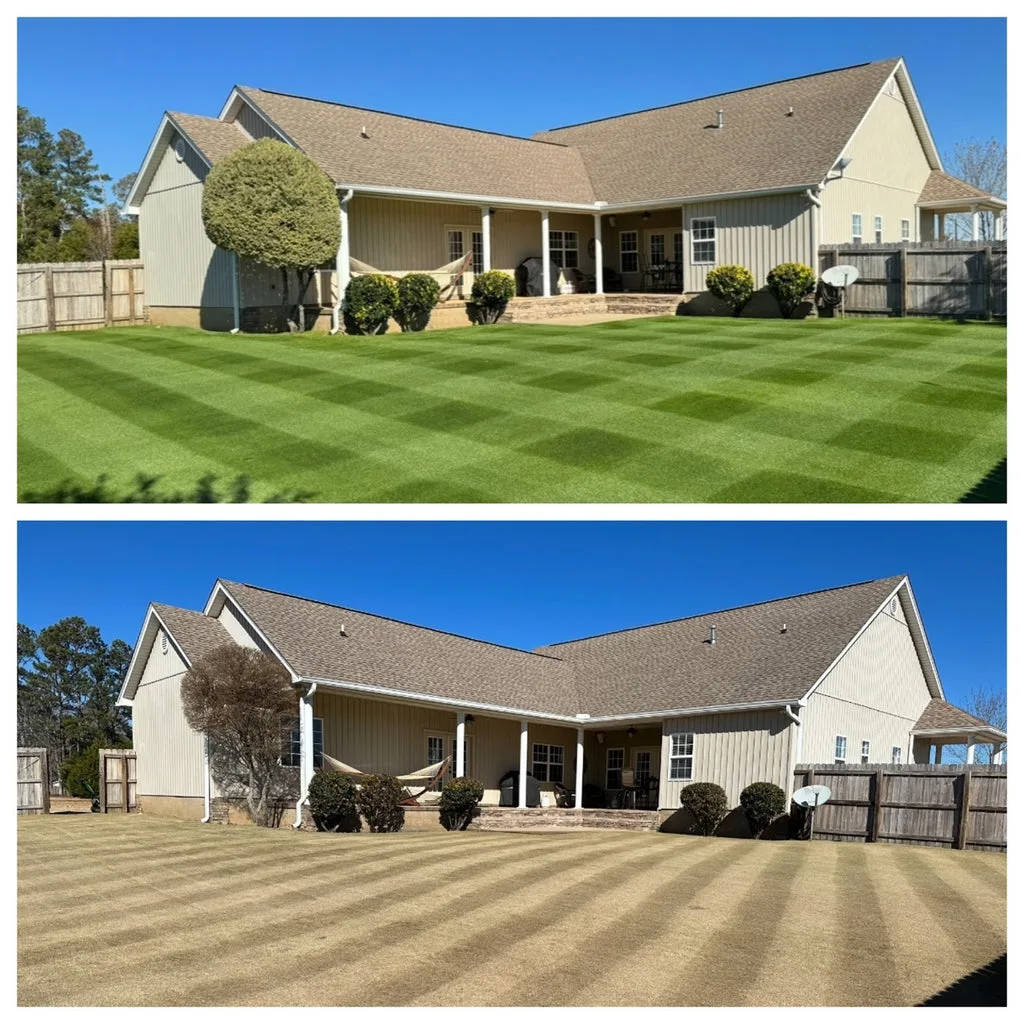
Image source: Web (Bing) / golfcourselawn.store
Use this table to line up your goal with the correct type:
| Your Goal | The Right Pick | Why |
|---|---|---|
| Quick green for a home you’re selling | Annual rye | Cheap, fast, looks good for one season |
| Winter color over dormant Bermuda or Zoysia | Annual rye | Dies in spring exactly when your warm-season grass wakes up |
| Erosion control on bare soil right now | Annual rye | Holds soil within a week |
| Permanent lawn in a cool region | Perennial rye | Persists for years with proper care |
| Permanent lawn in a hot region | Neither | Choose tall fescue or a warm-season grass instead |
An annual ryegrass bag costs $1 to $3 per pound. Perennial runs $3 to $7. That extra cost is wasted if you live where summers cook.
Spend it on a species that will actually survive.
If all you need is fast, temporary green, annual rye is the undisputed champion. It’s not a lawn investment. It’s a seasonal solution.
Annual Ryegrass vs. Perennial Ryegrass: Which One Should You Plant?
The choice comes down to how long you need the grass to last. Choose annual ryegrass when you want quick, temporary green, winter color, or erosion control. It establishes fast but is not meant to become a permanent lawn.
Choose perennial ryegrass when you live in a cool-summer region and want a fine-bladed lawn that can persist for years. If your summers regularly bring prolonged heat, neither is a dependable permanent choice. In that case, a heat-tolerant cool-season or warm-season grass makes more sense.
The goal matters just as much as the grass type.
The “Perennial Rye Survived Here” Myth and Other Mistakes
You’ll see posts online claiming someone’s perennial ryegrass has held on for a decade in North Carolina or Oklahoma. It almost always turns out to be a mixed stand. The original rye died years ago.
Kentucky bluegrass, fine fescue, or weedy poa species crept in and filled the gaps. The homeowner just keeps calling it rye because that’s what they planted first.
Even newer “heat-tolerant” perennial ryegrass varieties don’t perform miracles. They might survive a few extra degrees, maybe push through a milder summer, but sustained 95°F heat will still knock them out. The tolerance is real but narrow.
Common mistakes to sidestep:
- Planting either ryegrass in deep shade. Both need full sun to thrive. In shade you’ll get thin, disease-prone grass.
- Letting perennial rye grow too tall before summer. A scalped, stressed plant dies faster in heat.
- Forgetting to terminate annual rye before your warm-season lawn greens up. Left too long, it smothers the permanent grass.
- Assuming the word “perennial” on the bag is a guarantee. It’s a biological potential, not a warranty.
FAQs and Final Decision Guide
How can I tell if the ryegrass in my lawn is annual or perennial?
Check the leaf color and texture. Perennial rye is darker and finer. Annual rye is lighter green and coarser.
If you see thin, wispy seed heads, it’s likely annual. Folded vernation in new leaves points to perennial.
Does perennial ryegrass come back every year?
Only where summers stay mild. In zones 3 through 7 it can return for 3 to 5 years. In warmer zones it dies in summer and won’t come back without reseeding.
Is annual ryegrass good for lawns?
It works well for a single season of quick green, especially overseeding dormant warm-season turf in fall. It is not a permanent lawn solution anywhere.
Can I mix annual and perennial ryegrass?
You can, but it rarely makes sense. The annual will crowd out the perennial early, then die and leave gaps. Stick with one type based on your goal.
What grass should I plant instead of ryegrass for a permanent lawn in a hot climate?
Look at tall fescue if you want a cool-season look with better heat tolerance. Otherwise, warm-season grasses like Bermuda or Zoysia are the right permanent choice.
Final decision guide
If you live where summers are cool and you want a fine-bladed permanent lawn, plant perennial ryegrass. If you need a one-season fix, winter green, or erosion control, annual ryegrass is your fastest, cheapest answer. In hot climates, skip both and pick a grass bred for the heat.
The label matters less than your zip code.