How to Cut Grass Without a Lawn Mower
The mower coughed twice and quit, the grass is past ankle height, and the neighbors have started noticing. Learning how to cut grass without a lawn mower is more doable than it looks. You probably own something right now that can knock this job out today.
The math is friendlier than you’d think. In our research, hand shears clear about 100 square feet in 15 to 20 minutes, and a practiced scythe hand mows roughly a quarter acre per hour. Match the tool to the yard and the job shrinks fast.
Here’s the short version, then the full playbook.
How to Cut Grass Without a Lawn Mower
You can cut grass without a lawn mower using hand tools or trimmers. Main options are hand shears, a sickle, a scythe, and a string trimmer. Shears suit small patches under 200 square feet.
A string trimmer clears most suburban yards in about an hour. Goats or sheep handle large overgrown lots.
The Four Factors That Decide Everything: Yard Size, Grass Height, Obstacles, and Tools
Every method on this list works somewhere. Your yard decides which one works for you. Size up these four inputs before you touch a tool, and the decision makes itself.
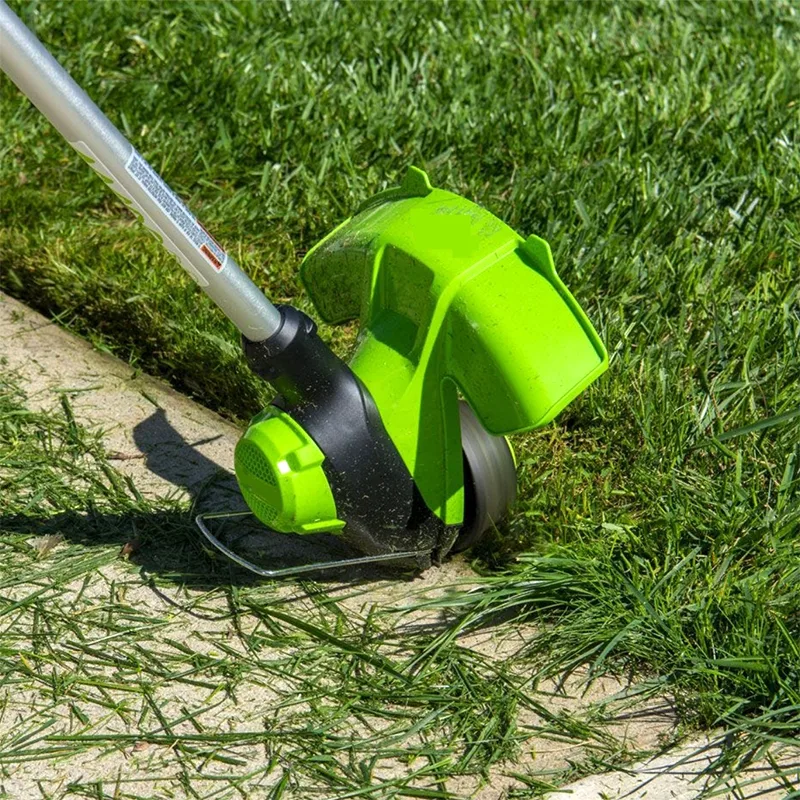
Image source: Web (Bing) / yuyuanmachinery.com
Start with square footage. Hand shears stay comfortable up to about 200 square feet, which is roughly a two-car-garage footprint of lawn. Beyond that, you’re trading blisters for progress.
A string trimmer clears a quarter acre in 30 to 60 minutes per aggregate user reports, and a practiced scythe hand covers open ground at about a quarter acre per hour.
Next, get honest about grass height. Anything under 4 inches is routine territory, and even cheap tools handle it. Knee-high growth is a different animal, because the tool has to power through sheer mass.
Thin, wiry overgrowth also chews up budget shears in a single afternoon.
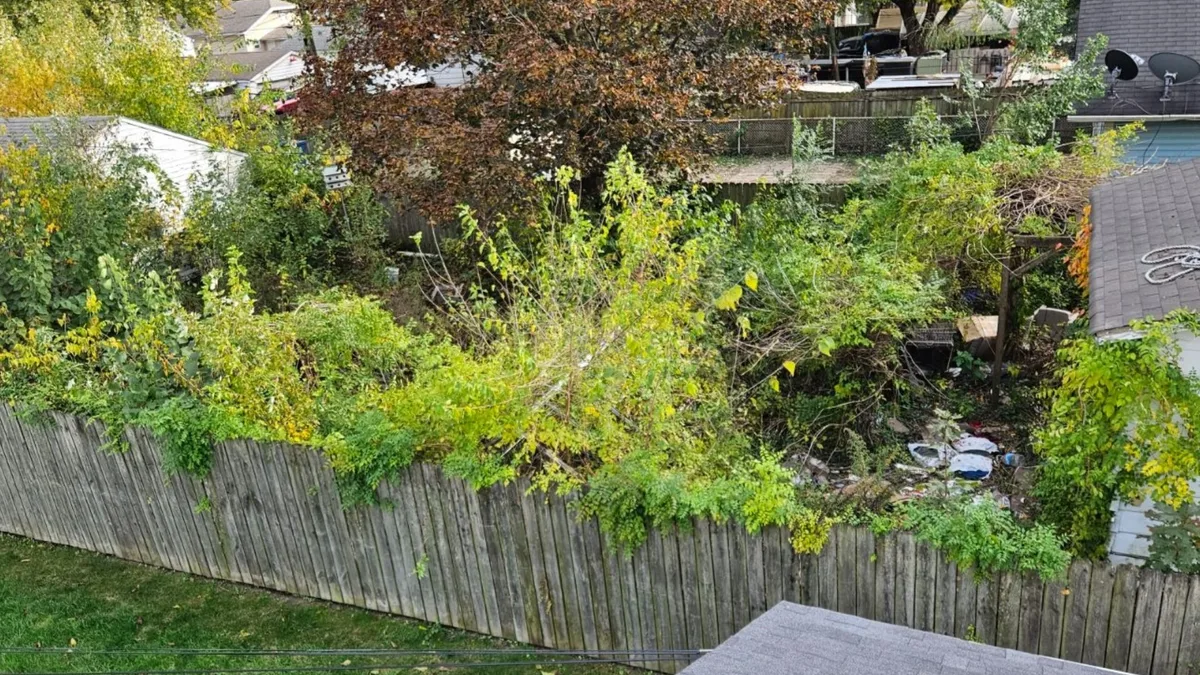
Image source: Web (Bing) / wthr.com
Then walk the yard like a surveyor. Trees, fence lines, garden beds, swing sets, and slopes all veto certain tools. If your grass lives in tight strips along a fence, shears or a trimmer beat everything else.
Wide, open lawn hands the win to a scythe or a bigger trimmer.
Last, check the shed and the wallet. A $15 pair of grass shears beats a $150 trimmer you can’t buy until payday. And if a broken machine sent you here instead of a missing one, diagnose before you improvise.
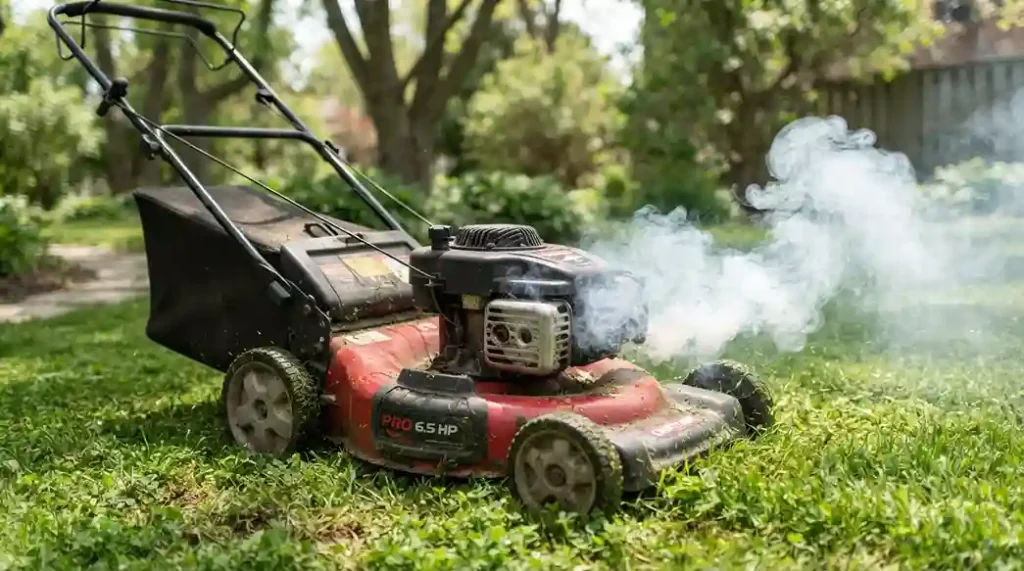
A smoking mower, for instance, is often a cheap fix, and we’ve broken down why a mower starts smoking in plain terms.
Here’s the whole decision compressed into one table.
| Your situation | Start here |
|---|---|
| Under 200 sq ft, grass under 4 inches | Hand shears |
| Small yard, lots of beds and fences | Cordless grass shears or a string trimmer |
| Quarter acre, mostly open | String trimmer or scythe |
| Knee-high or taller | Staged cuts (full plan below) |
| Zero budget this week | Sickle, machete, or a borrowed tool |
| Half acre or more | Goat rental or a one-time mowing service |
Every Method That Works: Hand Shears, String Trimmer, Scythe, Animals, and More
Some of these cut like scissors. Some cut like a machine. One of them chews.
Hand tools: shears, sickles, and the scythe
Hand grass shears look like oversize scissors, and they cut that way too, with a clean scissor action that leaves a neat edge. Long-handled and rolling versions save your knees. Expect $10 to $40, and know that budget blades dull fast on tough southern grasses like Bermuda.
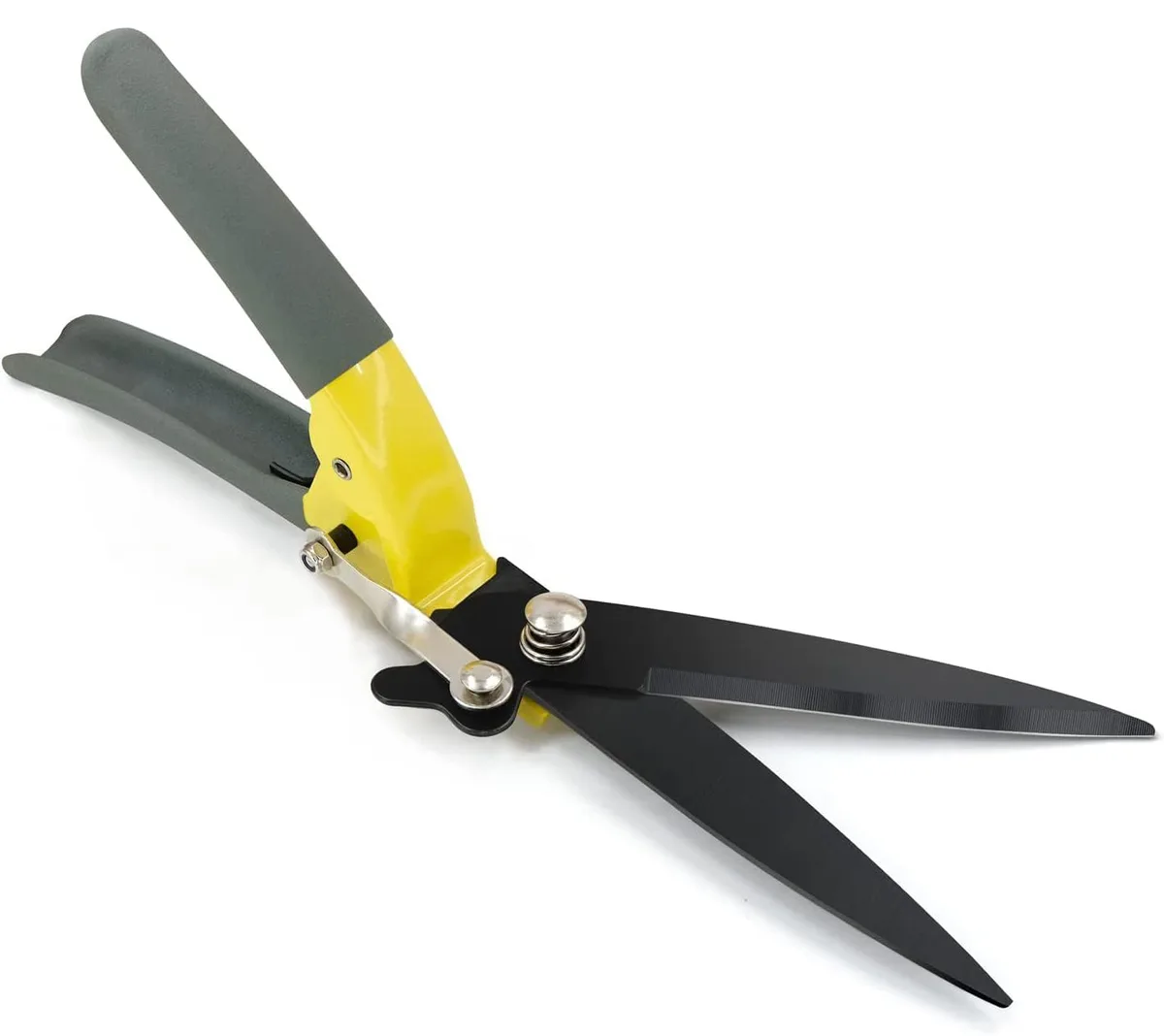
Image source: Web (Bing) / amazon.com
A sickle or machete costs almost nothing and clears wild patches, though the finish is rough. The serious hand tool is the scythe, the long curved blade on a bent shaft you swing in arcs. Manufacturer specs list grass blades from 60 to 90 cm, and an experienced mower holds a quarter acre per hour.
It demands a whetstone every few minutes and a little practice, but nothing hand-powered beats it on open ground.
Power tools: string trimmer, brush cutter, and the hedge trimmer hack
A string trimmer, called a weed whacker or weed eater in the US and a strimmer in the UK, spins nylon line at high speed. It’s the closest thing to a mower for most yards. Corded units run $30 to $60 but chain you to an outlet.
As of 2026, a capable 18V or 20V battery trimmer costs $100 to $250 with 20 to 60 minutes of runtime, and gas models add power you don’t need under a half acre. Line comes in gauges from 0.065 to 0.095 inch, and thicker line lasts longer in thick grass.
Swap the head for a metal blade and you’ve got a brush cutter, built for waist-high weeds and saplings. And yes, the hedge trimmer hack is real. Hold it level at knee height and it shears a wide swath of tall grass flat, though the cut looks rougher than anything else here.
The unusual routes: reel mower, grazing animals, goat rental, or paying someone once
A manual push reel mower stretches the rules, since it’s technically a mower with no engine, no fuel, and no cord. If your real gripe is noise and fumes, going manual has real upside.
Animals come with trade-offs. Goats browse first and eat your shrubs before your lawn, while sheep actually graze grass down like a mower. Geese handle orchard rows, and chickens mostly scratch and fertilize.
Renting a goat herd runs roughly $400 to $1,000 per day depending on region and lot size, which only pencils out on big or steep ground.
The quiet option is paying a local crew once. For a single emergency cut, $50 to $80 usually beats buying anything. And if your mower is truly dead, getting rid of a dead mower properly clears the garage for whatever you choose next.
Here’s how they stack up.
| Method | Best for | Typical cost | The catch |
|---|---|---|---|
| Hand shears | Under 200 sq ft | $10 to $40 | Slow, blister risk |
| Cordless grass shears | Touch-ups and edges | $40 to $70 | Short runtime |
| String trimmer | Most suburban yards | $100 to $250 | Projectile risk |
| Scythe | Open ground, tall grass | $90 to $180 | Learning curve |
| Reel mower | Flat, small lawns | $80 to $150 | Struggles past 4 inches |
| Rented goats | Large, steep, overgrown | $400 to $1,000 per day | Eats ornamentals |
| One-time service | A single emergency cut | $50 to $80 | Adds up if repeated |
How to Actually Cut: Technique That Doesn’t Scalp the Lawn
Scalping means cutting so low you expose bare soil, and it’s the fastest way to invite weeds and brown patches. Every technique below avoids it the same way. Keep the blade level and take small bites.
Cutting with shears and a hand sickle
Work in strips, the way you’d push a mower in rows. Squat or kneel, keep the blades parallel to the ground, and take small vertical bites at a consistent height. A board laid flat on the lawn makes a handy height guide when your eye starts drifting.
Skip wet grass, because wet blades tear instead of cut and the clippings glue themselves to everything.
With a sickle, grab a small handful, pull it taut, and slice low with a smooth draw toward you. Short strokes, let the edge do the work. Mind where your free hand ends up.
Swinging a scythe without hurting yourself or the grass
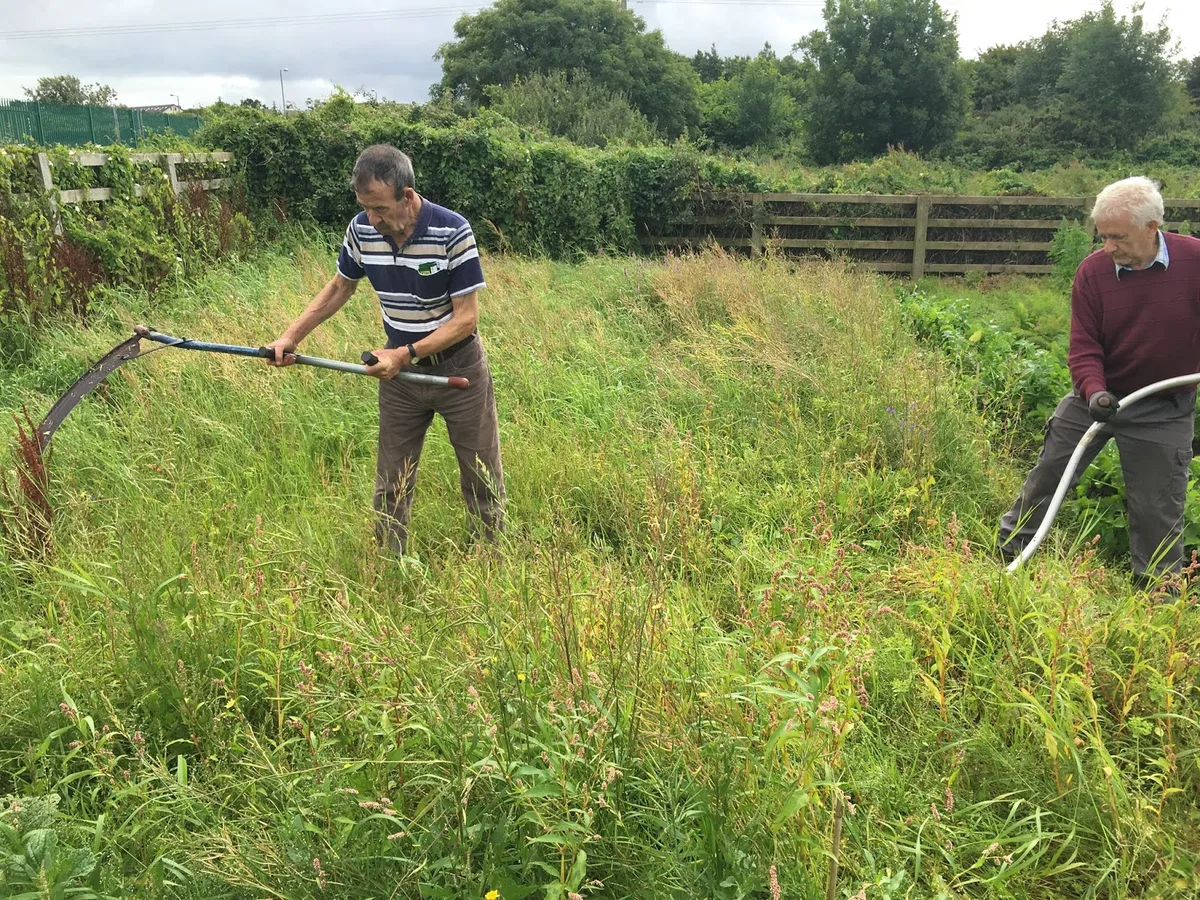
Image source: Web (Bing) / brenspeedie.blogspot.com
Fit comes first. With the snath assembled, the grips should sit around hip and chest height so your arms stay relaxed. Then it’s a dance, not a chop.
Sweep the blade in a flat arc along the ground, shift your weight from back foot to front, and let the sharpness do the cutting. If you hear chopping or the blade bounces, you’re muscling it.
Hone the edge with a whetstone every five to ten minutes. A dull scythe bends grass over instead of cutting it, which looks worse than no cutting at all. And keep the swing zone empty, because one full arc carries real force.
String trimmer technique: the tip cut, the arc, and the edges
Cut with the last two or three inches of line, never the whole head slammed into the grass. Sweep the head in slow side-to-side arcs with slight overlap, and walk forward as you go. On most clockwise-spinning heads, cut to the right of your body so clippings fly onto the uncut side instead of back at your legs.
Height control is everything. Hold the head level and hover it just above your target height. Tipping it down gouges soil and scalps the lawn.
Keep the line two to three inches clear of tree trunks and shrubs, because whipping line strips bark and can girdle a young tree, a problem pros call mower blight. For edges, flip the head vertical and walk the line slowly. Clear any jam with the unit off, unplugged, or battery out, every single time.
Tall, Overgrown Grass? Cut It in Stages With the One-Third Rule
Yes, and the one-third rule is what keeps the grass alive while you do it. The rule says never remove more than a third of the blade’s height in a single cut. It’s the standard taught by land-grant university extension programs across the country, because cutting deeper shocks the plant and starves the roots while the top regrows.
Here’s the staged plan for a foot-tall jungle.
- Pass 1: cut from 12 inches down to 8 inches, taking it slow.
- Wait 2 to 3 days so the grass recovers.
- Pass 2: drop from 8 inches to about 5 or 6.
- Wait another 2 to 3 days.
- Pass 3: finish at your target height, around 3.5 to 4 inches for a fescue or bluegrass lawn.
Three passes takes about a week, which is exactly why you start today. A string trimmer handling this job needs patience, so raise the head, take half-height sweeps, and expect windrows of clippings you’ll need to rake so they don’t smother what’s underneath. A scythe stages naturally, since each sweep takes only what the edge can cut.
One exception matters. If the lawn is brown and drought-dormant, wait for recovery before cutting, because stressed blades won’t regrow to replace what you remove. And once you’re done, check yourself for ticks.
Knee-high grass is prime tick habitat, and the CDC’s tick guidance recommends a full-body check after yard work in tall vegetation.
Mistakes That Turn a Quick Job Into a Weekend: Scalping, Wet Grass, and Tree Bark Damage
Almost every botched hand-cutting job fails the same handful of ways. Skip these and you’ll finish in one session instead of nursing bare patches all summer.
Cutting wet grass tops the list. Wet blades tear instead of slicing, and torn tips invite fungal disease. Clippings clump into a paste that sticks to shears, boots, and the lawn.
Wait for a dry afternoon after the dew burns off.
Bark damage comes next. Trimmer line strips bark the way a saw does, and a girdled trunk can die quietly the following season. Keep the line two to three inches from every trunk and shrub, or lay a mulch ring and skip trimming next to trees entirely.
Then there’s the debris walk. A stone buried in knee-high grass becomes a projectile the instant the line finds it. A hidden garden hose gets sliced in two.
Ten minutes of pickup and flagged sprinkler heads prevents all of it.
Windrows sneak up on staged cutting. Those heavy clipping piles from pass one smother the grass beneath them within days. Rake them into a compost pile or spread them thin across the yard.
Wrong tools waste weekends. Dull shears shred instead of cut, a dull scythe bends grass flat, and 0.065-inch line evaporates in thick Bermuda. Sharpen before you start, or step up to 0.095-inch line for dense growth.
Battery math fails people constantly. A trimmer’s 20 to 60 minutes of runtime vanishes fast on overgrown grass, so work in zones or charge a spare pack.
| Mistake | What it costs you | The fix |
|---|---|---|
| Cutting wet | Torn blades, disease, clumps | Wait for a dry day |
| Line on bark | Girdled trees, dead shrubs | 2-3 inch buffer, mulch rings |
| Hidden debris | Projectiles, sliced hoses | 10-minute walk first |
| Leftover windrows | Smothered grass | Rake or spread thin |
| Wrong line gauge | Shredded line, double the time | 0.095-inch in thick grass |
| One deep cut | Root shock, brown lawn | The staged plan above |
That last row deserves a repeat. Whenever grass creeps past 6 inches, the scalping temptation starts, and the staged plan from the section above is the only reliable answer.
Safety Basics: Flying Debris, Ticks in Tall Grass, and Extension Cords
A string trimmer flings stones hard enough to crack a window, so treat every cutting session like a small construction job. The gear is cheap and takes two minutes.
- Safety glasses rated ANSI Z87.1, not sunglasses
- Long pants and closed boots, never shorts and sandals
- Work gloves for shears, sickles, and scythe handles
- Hearing protection for gas units, which run past 90 dB, well over the 85 dB level where OSHA guidance makes protection non-negotiable
- No loose drawstrings or jewelry near a spinning head
Clear the area before anything spins. Kids and pets go indoors, and anything breakable leaves the throwing zone. Debris travels farther than people expect, especially with metal blades on a brush cutter.
Corded trimmers need their own discipline. Keep the cord over your shoulder or behind you, never in the cutting path. Unplug before clearing any jam, and pull the battery pack on cordless units.
The same shutdown discipline applies if you borrow a mower for the big pass, so follow shutting a mower down safely before you set it down.
Gas equipment adds fuel rules. Refuel only with a cold engine, outdoors, away from any flame. A hot muffler and a splash of gasoline don’t mix.
The scythe demands respect rather than gear. Keep a swing radius of full blade length clear in every direction, walk the blade to a fresh patch between arcs, and carry it blade-down with the guard on.
Ticks ride home with you. We linked the CDC’s tick guidance earlier, and the practical version is simple: check waistband, behind the knees, and scalp after the job, then shower within two hours. For chronic tick country, permethrin-treated pants are worth it.
After the Cut: Cutting Heights, Weekly Schedules, and When to Switch to Clover
The job isn’t finished when the grass is short. It’s finished when the yard still looks decent next week, and that comes down to height and rhythm.
| Grass type | Healthy height | Hand-tool sweet spot |
|---|---|---|
| Fescue, bluegrass | 2.5 to 4 inches | 3.5 to 4 |
| Perennial ryegrass | 2 to 3 inches | 2.5 to 3 |
| Bermuda, Zoysia | 1 to 2 inches | 1.5 to 2 |
| St. Augustine | 3 to 4 inches | 3.5 to 4 |
Hand tools change the strategy in one way: mow high. Every extra half inch of height stretches the time between cuts, and with shears that difference is measured in hours of your life. Tall grass also grows deeper roots, shades out weed seeds, and survives drought better.
The schedule follows growth, not the calendar. Spring flush demands weekly sessions. Once summer heat slows growth, stretch to every 10 to 14 days.
In drought, raise the height another notch and cut less. And if the lawn has gone brown and dormant, don’t cut it at all until rains return.
Leave the clippings unless they’re windrowed. Extension research consistently shows clippings recycle a meaningful share of a lawn’s yearly nitrogen back into the soil, which is free fertilizer you’re already holding.
If weekly hand-cutting sounds miserable forever, it doesn’t have to be your life. Microclover lawns hold around 4 to 6 inches and need only a few cuts a year. No-mow fine fescue blends grow slower still.
Plenty of people hand-cut through one crisis season, then convert the back half of the yard and never look back.
And when the machine comes home from the shop, set yourself up for next spring. A dead battery and stale fuel undo a whole repair, so run the off-season storage routine before it goes back in the garage.
FAQs: Cutting Grass Without a Lawn Mower
Can you cut grass by hand with shears fast enough?
Depends on the patch. Hand shears clear roughly 100 square feet in 15 to 20 minutes, so a small townhouse lawn takes an hour or two. Past 200 square feet, most people give up or upgrade.
Use shears for edges and touch-ups, and let a trimmer or scythe handle the open ground.
Is it okay to cut wet grass without a mower?
You can, but you shouldn’t. Wet blades tear instead of cutting cleanly, clippings clump and stick to everything, and torn tips invite fungus. Hand shears cope with morning dew slightly better than trimmers, since there’s no spinning head throwing wet paste around.
When you can, wait for a dry afternoon.
What’s the cheapest way to cut a small lawn?
A pair of hand grass shears costs $10 to $15 and handles any patch under 200 square feet. Borrowing a neighbor’s trimmer costs nothing. If you’re staring down a deadline, a one-time local crew at $50 to $80 beats buying any tool at all.
That’s the math most renters should run first.
Will a string trimmer work as a permanent mower replacement?
For small or awkward yards, yes. Plenty of people run trimmer-only lawns under an eighth of an acre and never look back. Past a quarter acre, weekly trimming gets old fast: each cut runs 30 to 60 minutes, the finish looks rougher, and line consumption adds up to real money by fall.
How short can I cut grass without damaging it?
Follow the one-third rule and your grass type. Cool-season lawns like fescue and bluegrass stay healthiest at 3 to 4 inches. Warm-season Bermuda tolerates 1 to 2 inches.
Cutting below those ranges scalps the lawn, exposes bare soil, and rolls out the welcome mat for weeds.
Can my city fine me for tall grass?
Many US municipalities treat grass over 8 to 12 inches as a code nuisance, with fines that climb daily until it’s cut. HOA rules are usually stricter and trigger sooner. Check your local ordinance before letting anything grow, and if you’re already flagged, the staged cutting plan works the clock back in your favor.
The Final Call: What I’d Do in Your Situation
Here’s the whole decision tree, branch by branch.
If the patch is under 200 square feet, buy the $15 shears tonight and be done in an hour. No trimmer purchase needed.
If you’re facing a quarter acre of open lawn, borrow a battery trimmer if anyone will lend one. Failing that, a scythe covers the same ground in about an hour once the swing clicks, and it costs nothing to run ever again.
If the grass is knee-high or worse, resist the hero pass. Run the staged plan: trimmer set high, three cuts spaced two to three days apart. One deep cut tonight buys you a brown lawn next week.
If money is the blocker, a sickle or machete costs almost nothing, and a neighbor with a trimmer will often trade the job for an hour of your help.
If the lot tops half an acre, is steep, or sits behind a fence line you can’t fight, get a goat-herd quote or book one mowing service. A single professional cut is often cheaper than the tool you were about to buy.
And if a dead machine is what sent you here, don’t rush the funeral. Old fuel and a clogged carburetor mimic a dead mower, and both are cheap fixes once someone runs a proper tune-up. If the mower really is gone and the yard keeps outgrowing hand tools, a replacement with a self-propelled drive takes the pushing work out of every future cut.
Whichever branch you take, start today. Grass doesn’t pause while you decide.