What Does Epsom Salt Do to Bermuda Grass? My Practical Guide
If you’ve ever searched for a greener lawn, you’ve probably seen Epsom salt suggested as a miracle fix. So what does Epsom salt do to Bermuda grass? The short version: unless your soil is truly low on magnesium, it does almost nothing.
It’s not a fertilizer in the traditional sense.
In our research, most turfgrass labs consider 50 to 100 ppm of magnesium healthy for Bermuda. Anything above that, adding Epsom salt won’t change the color. The only way to know is a soil test.
That’s exactly where we’ll start.
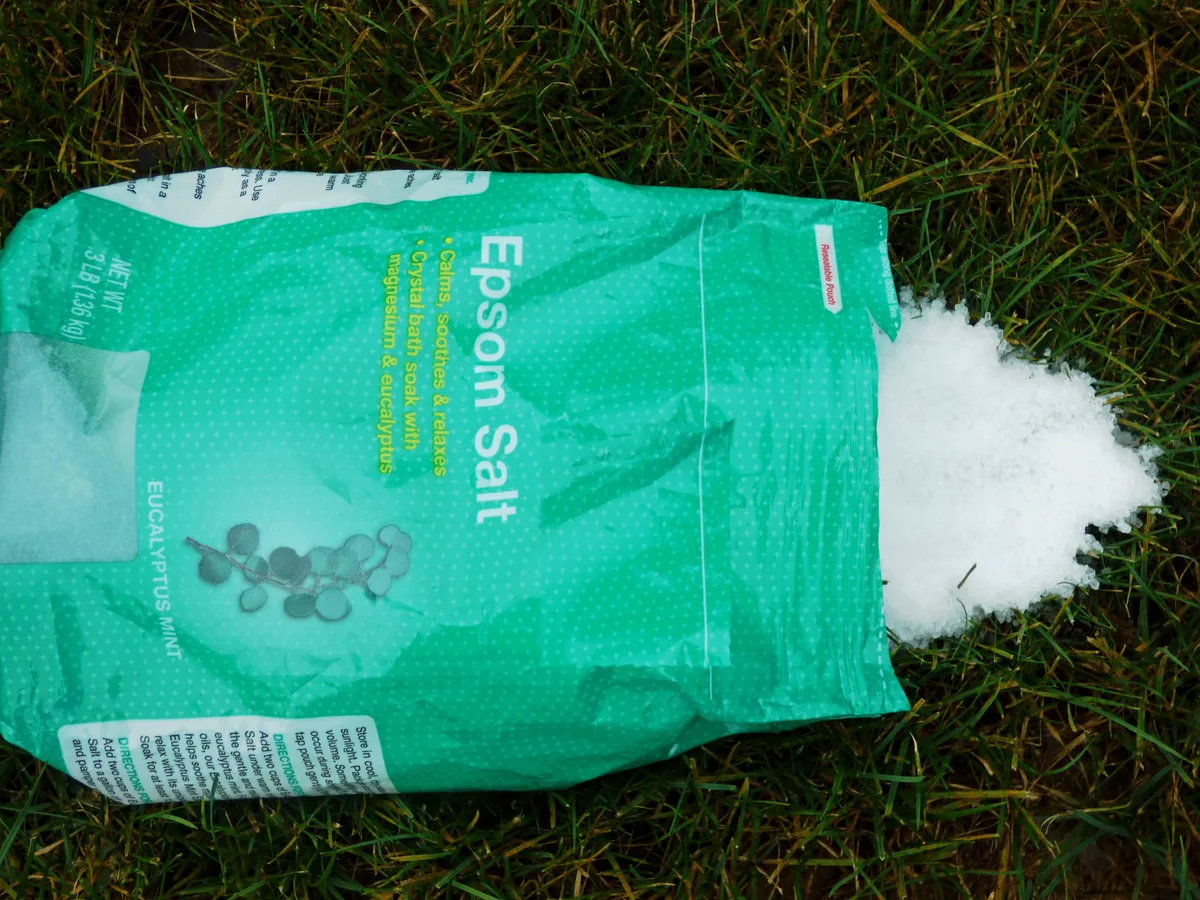
Image source: Web (Bing) / gardeningknowhow.com
Quick Answer: What Epsom Salt Actually Does (and Doesn’t Do) to Bermuda
Epsom salt adds magnesium and sulfur to your soil. Bermuda grass rarely needs extra magnesium. If your soil tests low, Epsom salt helps.
If not, it’s a waste. Test first.
Why Bermuda Grass Reacts Differently to Magnesium and Sulfur
Bermuda grass is a warm-season turf that evolved in nutrient-poor soils. It handles low magnesium levels better than many other lawn grasses. Magnesium sits at the center of the chlorophyll molecule.
That’s why it’s tied to green color.
Sulfur matters too. It’s part of the amino acids that build proteins. But most lawn soils already have enough sulfur from organic matter.
Adding Epsom salt without a known need can throw off that balance.
Here’s the tricky part. Magnesium is a cation, meaning it competes with potassium and calcium for root uptake. Too much magnesium can block potassium, which leads to a different set of yellowing problems.
That’s why we always say test before guessing.
If you’re just getting started with a new lawn, it helps to understand basic Bermuda care from the ground up.
Signs That Look Like a Magnesium Deficiency (But Usually Aren’t)
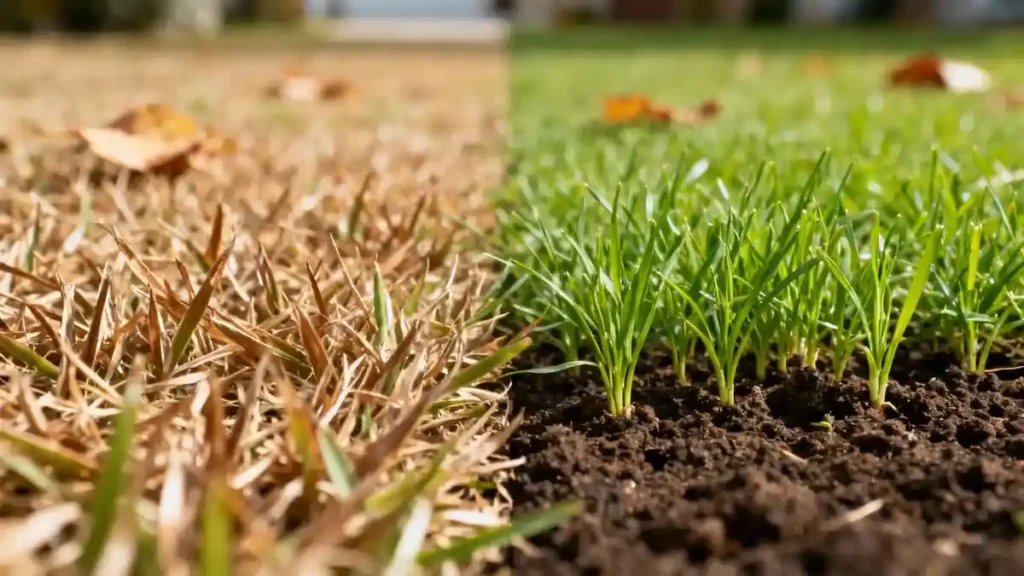
Yellowing on older blades usually points to nitrogen, not magnesium. Interveinal chlorosis, yellowing between the green veins, is the classic magnesium symptom. On Bermuda grass, it’s rare.
Far more common is iron chlorosis, which shows on new growth first. Or it’s just stress from compacted soil.
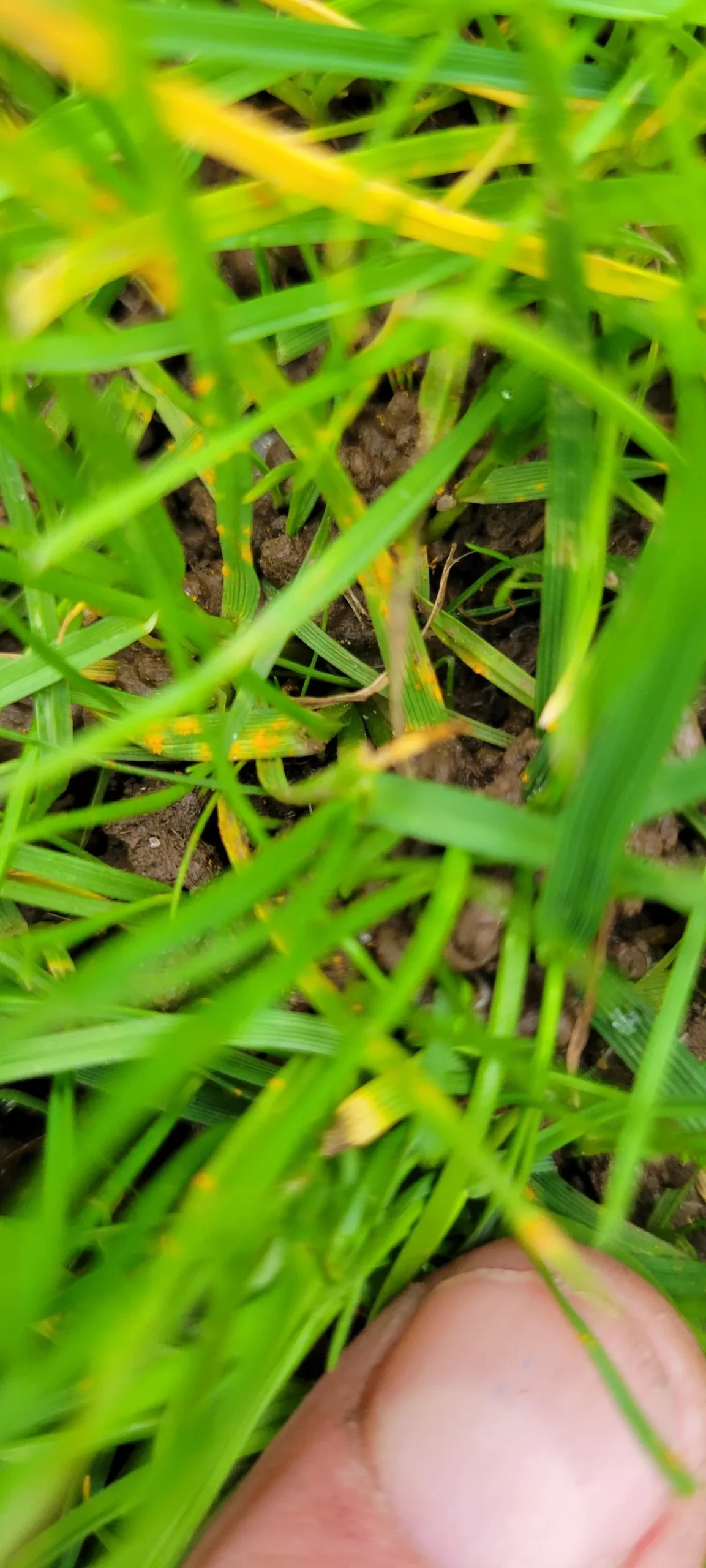
Image source: Web (Bing) / thelawnforum.com
So how do you tell the difference? Look at where the yellowing starts. Old growth going yellow usually means nitrogen.
New growth going yellow means iron. If the whole blade looks pale, suspect overwatering or low sunlight. Magnesium problems show up as distinct yellow stripes between dark green veins, and that’s not something you see on Bermuda often.
Another common misdiagnosis happens when Bermuda starts to green up in late spring. People see patchy yellow and grab Epsom salt. More often than not, it’s simply a sign that aeration is overdue, not that magnesium is missing.
The Only Reliable First Step: Soil Testing Before You Broadcast Anything
No reputable turf program starts with random amendments. It starts with numbers. A soil test tells you exactly where your magnesium sits.
Most university extension labs offer this service for $10 to $25. You can also use a home kit, but lab analysis is far more accurate. We would never apply Epsom salt without one.
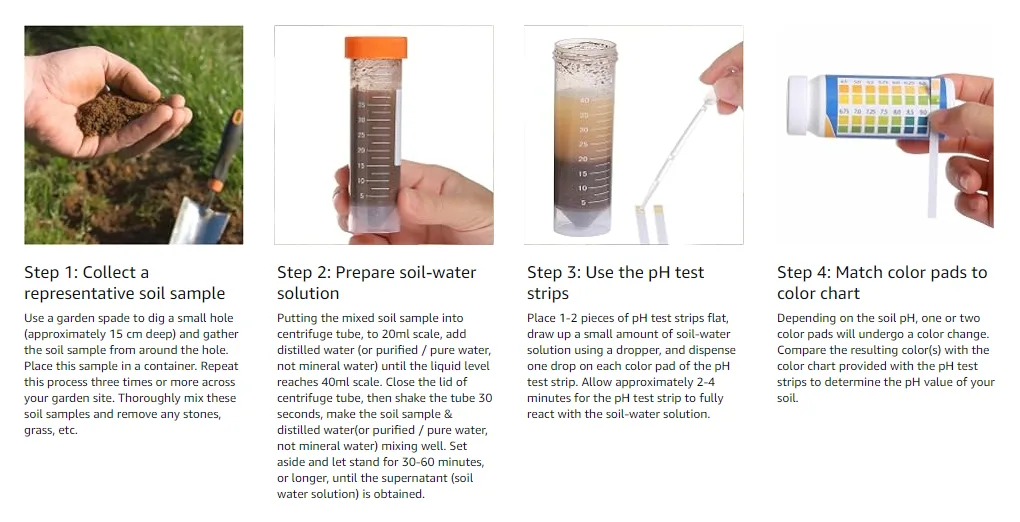
Image source: Web (Bing) / theturfdoctor.co.uk
Taking a sample is simple. You’ll need a clean trowel, a plastic bucket, and a sample bag. Collect 10 to 12 core samples from across your lawn.
Mix them in the bucket, then send about a cup of the mixed soil to the lab. Avoid areas near driveways, paths, or spots where fertilizer may have spilled.
Once you get the report, focus on the magnesium reading and the soil pH. If pH is below 5.5, magnesium may be locked out even if the test shows acceptable levels. That changes the fix entirely.
Dolomitic lime, not Epsom salt, would be your next step.
If you’re new to reading soil tests, the USDA’s Natural Resources Conservation Service has clear breakdowns of what each number means.
Decision Branch 1: Your Soil Test Shows Low Magnesium
If your soil test confirms a magnesium deficiency, Epsom salt has a clear role. Use the rate your lab recommends. General guidance is 1 to 2 pounds per 1,000 square feet.
You can dissolve it in water for a foliar spray, or broadcast the granules and water them in.
Timing matters. Apply in early spring, just before Bermuda enters its rapid growth phase. Avoid application during summer heat stress.
Epsom salt doesn’t replace your regular fertilizer. It’s an amendment, not a complete feed.
After application, give it six to eight weeks and retest the soil. That tells you whether the amendment actually moved the numbers. If the magnesium level still reads low, you may have a soil chemistry issue like extreme pH, not just a supply problem.
In that case, dolomitic lime or a chelated magnesium product might work better.
While you’re waiting, keep up with your regular fertilizer schedule so you don’t confuse a nitrogen shortage with a magnesium one.
Decision Branch 2: Your Soil Test Shows Normal or High Magnesium
If your soil test shows normal or high magnesium, stop right there. Don’t apply Epsom salt. More magnesium won’t make your lawn greener.
It just wastes money and risks nutrient imbalance.
Excess magnesium can lock out potassium and calcium. Low potassium leads to weak roots and dull color. High magnesium also shifts soil pH upward over time.
That can trigger iron deficiency, the exact yellowing you were trying to fix.
Think of soil nutrients as a team. When one player gets pushed too hard, others suffer. That’s why proper timing for aeration and feeding matters more than chasing a single mineral.
How to Apply Epsom Salt If You Actually Need It (Rate, Timing, Method)
If your lab confirms low magnesium, use the rate they recommend. Most extension services call for 1 to 2 pounds per 1,000 square feet. Don’t guess, and don’t double up.
You have two application options. Broadcast dry granules with a spreader, or dissolve the salt into a sprayer for a foliar application. Both work.
Foliar application gets into the plant faster, but granular is easier to coat evenly.
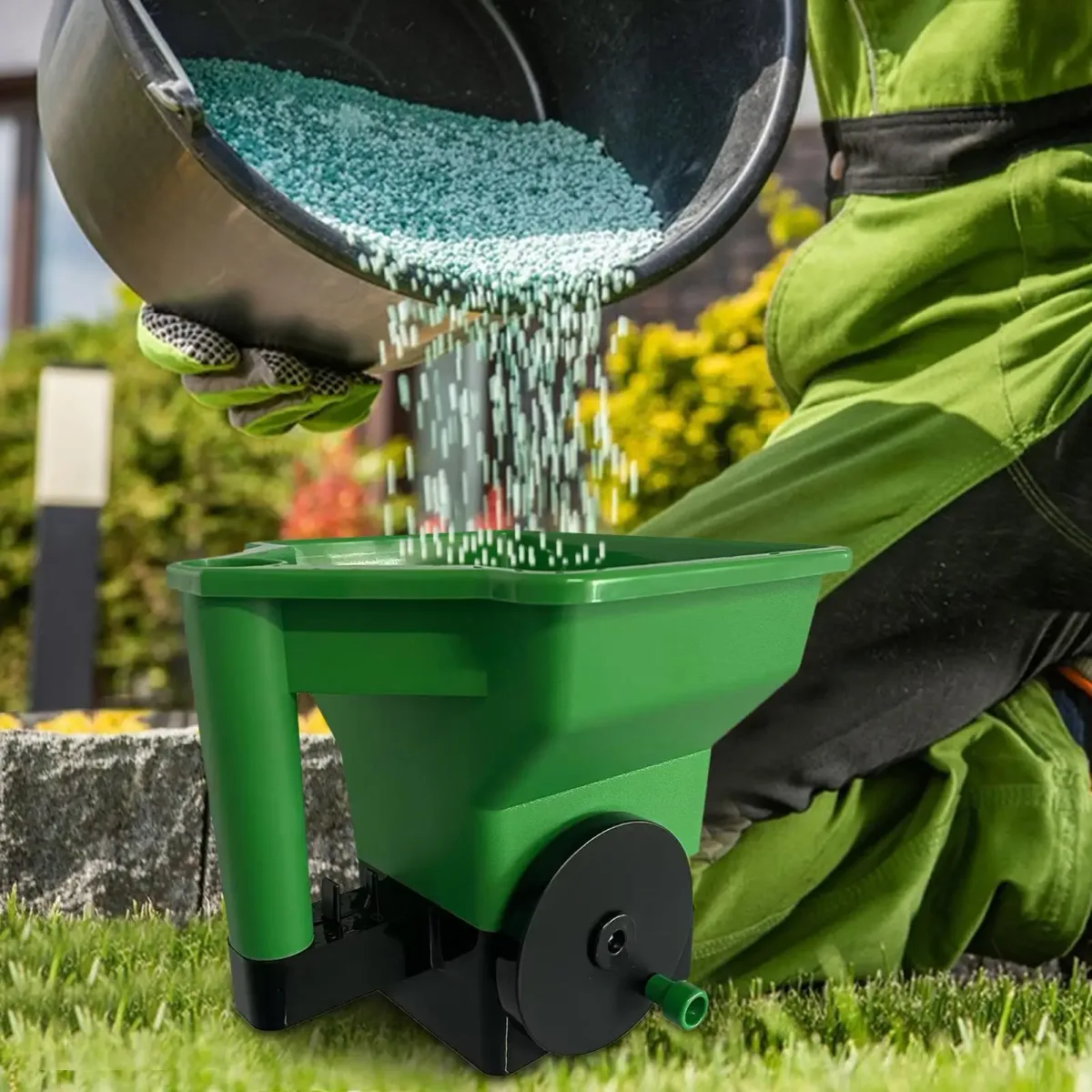
Image source: Web (Bing) / aliexpress.com
Apply in early spring, right as Bermuda grass starts to green up. Avoid summer heat stress. Water thoroughly after application, no matter which method you pick.
That moves the magnesium down to the root zone.
Don’t mix Epsom salt with calcium-rich fertilizers in the same pass. They combine into gypsum, which gives you zero benefit. Keep applications separate.
Alternatives That Solve the Same Yellowing Problem Safer
If your soil test shows adequate magnesium, the yellowing comes from something else. Here’s what works instead:
| Problem | Best Fix | Response Time |
|---|---|---|
| Iron deficiency | Chelated iron or iron sulfate | 24 to 48 hours |
| Nitrogen shortage | Balanced lawn fertilizer | 5 to 14 days |
| Compacted soil | Core aeration | 2 to 4 weeks |
| Low soil pH | Dolomitic lime | 2 to 3 months |
Dolomitic lime deserves a special mention. It adds both calcium and magnesium, and it raises pH. If your soil runs acidic, that’s the safer route than Epsom salt alone.
Chelated iron acts fast on yellowing new growth. Nitrogen fixes pale older blades within two weeks. Just remember to check how much sunlight your lawn actually gets before blaming nutrients.
Common Mistakes That Turn a Cheap Fix Into a Bigger Problem
The biggest mistake is applying Epsom salt as a routine spring ritual. That’s how magnesium builds up to harmful levels.
People also confuse magnesium deficiency with iron chlorosis. They look similar, but the fix isn’t the same. Guess wrong, and the yellowing stays.
Other mistakes to avoid:
- Adding Epsom salt just because the lawn looks yellowish
- Mixing it with calcium-based products in one pass
- Applying without watering afterward
- Using it on compacted clay soil, which worsens salt buildup
| Mistake | Why It’s Harmful | Better Approach |
|---|---|---|
| Routine annual application | Builds excess magnesium | Test first, then decide |
| Mixing with calcium | Forms insoluble gypsum | Apply separately, weeks apart |
| Skipping water after | Salt concentrates at the surface | Water in thoroughly |
If your soil is odd, sandy, or heavy clay, check how Bermuda behaves in those conditions before adding any amendment.
How Long It Takes to See Results and How to Verify Improvement
If a true magnesium deficiency exists, expect visible change in one to two weeks. The grass darkens as chlorophyll production catches up. Sulfur, the other half of Epsom salt, helps too.
But don’t trust your eyes alone. Retest the soil six to eight weeks after application. That gives you hard numbers on whether the magnesium level actually moved.
If nothing changes after two weeks, the diagnosis was wrong. Go back to your soil test and look at pH, potassium, and iron. The answer is usually hiding in one of those.
Pro Tips for Keeping Bermuda Deep Green Without Random Chemicals
Consistency beats gimmicks. Bermuda grass thrives on predictable care: proper mowing, early-morning watering, and fertilizer timed to its growth cycle. Learning when to plant or place new sod in your region sets the rest up for success.
Mow at the right height. Keep Bermuda between 1 and 1.5 inches during active growth. Taller grass shades out weeds and builds deeper roots.
Water deeply, not daily. One good soak twice a week beats a light sprinkle every morning. It forces roots downward, which makes your lawn more resilient in summer.
Feed small amounts, often. Split your nitrogen applications across the growing season. This gives steady color without the boom-and-bust swings that come from a single heavy feeding.
Safety and Local Rules: Runoff, Salt Buildup, and Fertilizer Ordinances
Magnesium runoff can reach groundwater and nearby water bodies. It’s not as tightly regulated as phosphorus, but it still matters. Some counties and states restrict fertilizer applications during winter and rainy season.
Check your local extension office for rules in your area. Some places have blackout dates. Others require buffer zones near water.
Salt buildup is another quiet concern. Epsom salt is a salt, and repeated use on clay-heavy soil raises the dissolved salt content. That makes it harder for roots to absorb water, which mimics drought stress even when you irrigate.
If you see salt crusts on the soil surface, stop applying. Leach the soil with heavy watering, then retest before doing anything else.
Quick Decision Guide: Should You Use Epsom Salt on Bermuda Grass?
Still wondering whether to use Epsom salt? Run through these if-then steps.
If your soil test shows low magnesium, use Epsom salt at the recommended rate, water it in, and retest in eight weeks.
If your soil test shows adequate magnesium, skip it. Your yellowing likely has another cause, like iron or nitrogen deficiency.
If you haven’t tested your soil, don’t apply anything. A $2 home test or $25 lab test saves you money and guesswork.
If your soil is acidic, choose dolomitic lime over Epsom salt.
Frequently Asked Questions
Can I spread Epsom salt on Bermuda grass just to make it greener?
No. If magnesium is already adequate, extra Epsom salt won’t deepen the color. Greening relies on nitrogen, iron, and proper watering.
Too much magnesium can even block potassium and cause new yellowing.
How much Epsom salt do I need per 1,000 square feet of Bermuda grass?
For a confirmed magnesium deficiency, use 1 to 2 pounds per 1,000 square feet. Always follow your soil test recommendation. Never apply more than 2 pounds, since excess can cause nutrient lockout.
What’s the difference between Epsom salt and dolomitic lime?
Epsom salt is magnesium sulfate. Dolomitic lime is calcium and magnesium carbonate, and it raises soil pH. Use Epsom salt when magnesium is low and pH is already fine.
Use dolomitic lime when pH is also acidic.
Can Epsom salt burn Bermuda grass?
Yes, if over-applied or left on the surface without watering. Epsom salt pulls moisture out of root zones if it concentrates near the surface. Always water in thoroughly after application.
When is the best time to apply Epsom salt to Bermuda grass?
Early spring, right as Bermuda grass breaks dormancy. Avoid midsummer heat and late fall, since new growth will be vulnerable to cold damage.
Real-World Scenario: What a Bermuda Owner Actually Did
Take a typical lawn in the Texas transition zone. The owner saw yellowing blades in late May and assumed the grass needed a boost. Without a soil test, they broadcast two pounds of Epsom salt per 1,000 square feet.
Three weeks later, the yellowing hadn’t budged. A soil test revealed the real problem: low nitrogen and a compacted top layer. Magnesium levels were already at 120 ppm, well above the 50 to 100 ppm target range.
They skipped the salt and aerated instead. Within two weeks, the grass recovered. The takeaway?
Broadcasting Epsom salt without data is a gamble, and the house usually wins.
Final Verdict: Skip the Salt Unless the Test Says Otherwise
Epsom salt solves a very narrow problem. If your soil test confirms low magnesium, it’s a fine, cheap fix. If it doesn’t, you’re adding risk for no reward.
The smart play for any Bermuda lawn owner is straightforward. Test the soil first. Read the numbers.
Fix what’s actually low. That’s how professionals keep lawns healthy, and it’s how you can too.
Stop chasing green in a bag. The answer is already in the soil. You just need to look.