How Often to Mow Perennial Ryegrass: My Proven Tips
Perennial ryegrass grows fast, and if you don’t mow it right, you’ll end up with a patchy, stressed lawn. The question How Often to Mow Perennial Ryegrass doesn’t have a one-size-fits-all answer, it depends on the season, your grass height, and how healthy you want your turf to stay.
In our research, the golden rule is never cut more than one-third of the blade at once. As of 2026, turf experts still swear by this to keep the grass thick and resilient. So how do you apply it in real life?
How Often to Mow Perennial Ryegrass
Mow perennial ryegrass every 5 to 7 days in spring and fall. In summer, stretch it to 7 to 10 days. Always follow the 1/3 rule.
Adjust for rain or drought. Never scalp the lawn.
The 1/3 Rule: Your Non-Negotiable Starting Point
This isn’t just a suggestion, it’s the foundation of healthy mowing. The 1/3 rule means you never remove more than one-third of the grass blade in a single cut. Cutting more stresses the plant, weakens the roots, and invites weeds and disease.
If your perennial ryegrass is at 3 inches, don’t let it grow past 4.5 inches before mowing. Stick to this, and your lawn stays dense and green. Ignore it, and you’ll see brown patches and thin spots fast.

Image source: Web (Bing) / gardentabs.com
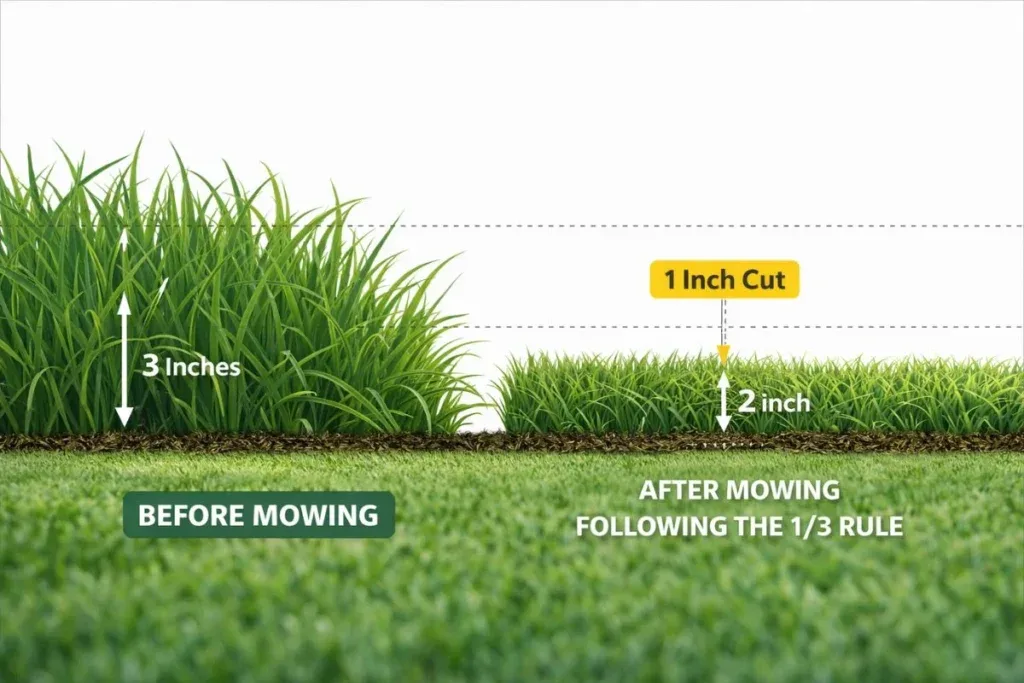
Image source: Web (Bing) / lawnvista.com
Why does this rule work? Perennial ryegrass, a cool-season grass, recovers quickly when mowed properly. But cut too much at once, and the plant can’t photosynthesize enough to bounce back.
University extension programs like Penn State’s Turfgrass Management confirm this as a best practice.
What Changes the Answer (Season, Weather, and Grass Health)
Your mowing schedule isn’t set in stone. It shifts with the seasons, the weather, and how your lawn is doing.
In spring and fall, perennial ryegrass grows fast. You’ll likely mow every 5 to 7 days. In summer, heat stress slows growth, so you can stretch it to 7 to 10 days.
If you’re in a drought, raise the blade and mow even less often.
Weather matters too. After heavy rain, your grass might grow faster, so check it more often. If it’s dry, hold off, mowing stressed grass can do more harm than good.
Grass health plays a role as well. A thick, healthy lawn can handle regular mowing. A weak or patchy one needs a gentler touch.
If your lawn is struggling, raise the blade and mow less frequently to give it time to recover.
Ideal Mowing Height by Time of Year
Perennial ryegrass thrives at different heights depending on the season. Get this right, and your lawn stays lush and resilient.
In spring and fall, aim for 2 to 2.5 inches. This height balances growth and health, keeping the grass dense without stressing it. In summer, raise the blade to 3 inches.
The extra length shades the soil, retains moisture, and protects against heat stress.
In winter, if your lawn is still growing, keep it at 2.5 inches. But if it’s dormant, you can skip mowing unless it’s overgrown.

Image source: Web (Bing) / lawngearguide.com
Here’s a quick reference table for mowing heights:
| Season | Ideal Height | Mowing Frequency |
|---|---|---|
| Spring | 2–2.5 inches | Every 5–7 days |
| Summer | 3 inches | Every 7–10 days |
| Fall | 2–2.5 inches | Every 5–7 days |
| Winter | 2.5 inches | Only if overgrown |
Adjust these numbers based on your local climate. If you’re in a cooler region, you might mow more often in spring. In hotter areas, you might need to raise the blade even higher in summer.
Step-by-Step: How to Mow Perennial Ryegrass the Right Way
Mowing isn’t just about cutting the grass, it’s about doing it in a way that keeps your lawn healthy. Follow these steps, and you’ll get the best results every time.
First, check your mower. Make sure the blade is sharp. A dull blade tears the grass, leaving jagged edges that turn brown and invite disease.
Sharpen it at least once a season, or more often if you mow a lot.
Next, set the right height. Use the seasonal guidelines above, and adjust based on your lawn’s condition. If the grass looks stressed, raise the blade a notch.
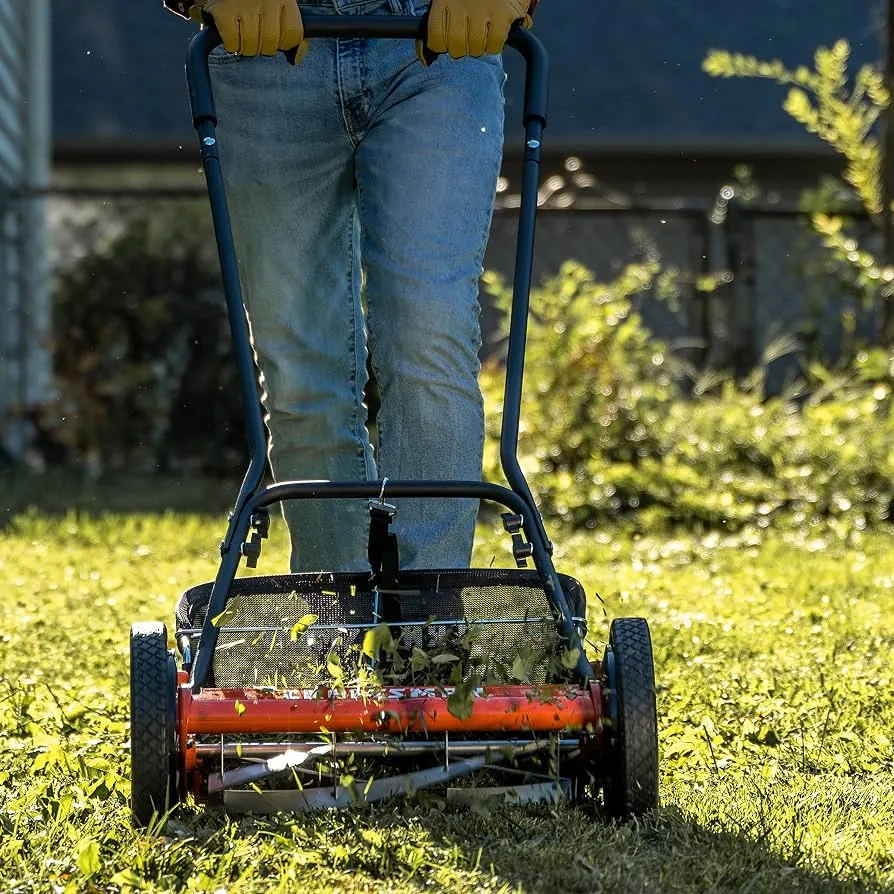
Image source: Web (Bing) / pinnaxis.com
Now, mow when the grass is dry. Wet grass clumps, clogs your mower, and spreads disease. Early morning or late afternoon is usually the best time.
Use the right pattern. Alternate your mowing direction each time you cut. This prevents soil compaction and helps the grass stand up straight.
It also gives your lawn a more even, professional look.
Finally, decide whether to bag or mulch. Mulching returns nutrients to the soil, but if the grass is too long, bagging is better to avoid smothering the lawn. For a thicker lawn, consider a clogged intake can disrupt airflow in your mower.
Common Mistakes That Ruin Your Lawn (And How to Fix Them)
Scalping is the most common error. Cutting too short exposes the soil to sun, drying it out and inviting weeds. If you see brown patches after mowing, you’ve likely scalped the lawn.
Raise the blade and let the grass recover.
Dull mower blades tear the grass instead of cutting it cleanly. This leaves ragged edges that turn brown and make the lawn look uneven. Sharpen the blade at least once a season, or more often if you mow frequently.
Mowing wet grass is another mistake. It clumps, clogs your mower, and spreads disease. Always wait until the grass is dry.
Early morning or late afternoon is usually the best time to mow.
Over-mowing stresses the grass. Stick to the 1/3 rule and adjust your schedule based on growth. If you’re mowing more than once a week in summer, you’re likely cutting too often.
Finally, ignoring the season can harm your lawn. In summer, raise the blade to 3 inches to protect against heat stress. In spring and fall, you can lower it to 2 to 2.5 inches.
For a thicker lawn, consider routine upkeep.
Mowing Frequency Cheat Sheet for Every Season
Spring is the time for frequent mowing. Perennial ryegrass grows fast in cool weather, so you’ll likely mow every 5 to 7 days. Keep the height at 2 to 2.5 inches to encourage thick, healthy growth.
Summer slows things down. Heat stress means you can stretch mowing to every 7 to 10 days. Raise the blade to 3 inches to shade the soil and retain moisture.
If you’re in a drought, mow even less often.
Fall is like a second spring. Growth picks up again, so mow every 5 to 7 days. Keep the height at 2 to 2.5 inches to prepare the lawn for winter.
Winter is the quiet season. If your lawn is dormant, you can skip mowing unless it’s overgrown. If it’s still growing, keep it at 2.5 inches.
Here’s a quick reference table for mowing frequency:
| Season | Mowing Frequency | Ideal Height |
|---|---|---|
| Spring | Every 5–7 days | 2–2.5 inches |
| Summer | Every 7–10 days | 3 inches |
| Fall | Every 5–7 days | 2–2.5 inches |
| Winter | Only if overgrown | 2.5 inches |
Adjust these numbers based on your local climate. If you’re in a cooler region, you might mow more often in spring. In hotter areas, you might need to raise the blade even higher in summer.
Pro Tips to Keep Your Ryegrass Thick and Healthy
Alternate your mowing pattern each time you cut. This prevents soil compaction and helps the grass stand up straight. It also gives your lawn a more even, professional look.
Leave the clippings on the lawn when possible. Mulching returns nutrients to the soil, acting as a natural fertilizer. But if the grass is too long, bagging is better to avoid smothering the lawn.
Water deeply but infrequently. Perennial ryegrass needs about 1 to 1.5 inches of water per week, including rainfall. Water in the early morning to reduce evaporation and disease risk.
For watering guidance, consider a reliable machine.
Aerate your lawn once a year to relieve soil compaction and improve root growth. The best time is in early fall or spring. Use a core aerator for the best results.
Finally, fertilize regularly. Perennial ryegrass benefits from a balanced fertilizer applied in spring and fall. Follow the manufacturer’s instructions for application rates and timing.
Frequently Asked Questions
How do I know if I’m mowing too often?
If your lawn looks stressed or brown after mowing, you might be cutting too often. Stick to the 1/3 rule and adjust based on growth. In summer, mow less frequently to avoid heat stress.
Can I mow perennial ryegrass in the winter?
If your lawn is dormant, you can skip mowing unless it’s overgrown. If it’s still growing, keep it at 2.5 inches. Avoid mowing if the ground is frozen or covered in frost.
What’s the best time of day to mow?
Early morning or late afternoon is ideal. The grass is usually dry, and the temperatures are cooler. Avoid mowing in the heat of the day, as this can stress the grass.
Should I bag or mulch my clippings?
Mulching returns nutrients to the soil, but if the grass is too long, bagging is better to avoid smothering the lawn. Alternate between the two based on your lawn’s condition.
How do I fix a lawn that’s been scalped?
Raise the blade and let the grass recover. Water deeply to encourage growth. Avoid mowing until the lawn has had time to bounce back.
For a thicker lawn, consider simple, proven steps.