Perennial Ryegrass Mowing Height: The Smart Cutting Guide
Mow perennial ryegrass at 1.5 to 2.5 inches for most home lawns. Raise the deck to 2.5 or 3 inches in summer heat, deep shade, or drought. Never remove more than a third of the blade in one cut.
Sharpen the mower blade often for a clean slice. Adjust the setting as the season changes.
Perennial Ryegrass Mowing Height
Most ryegrass problems start at the mower deck, not in the soil. Get your perennial ryegrass mowing height wrong and you’ll spend the rest of the season fighting weeds, thin patches, and brown spots that never quite fill in. The good news?
This is one of the few lawn variables you fully control, and the workable range is narrower than most people think.
University extension research puts the sweet spot for home lawns at 1.5 to 2.5 inches of standing blade, with upward adjustments for heat, shade, and heavy foot traffic. That range protects the crown, keeps roots deep, and shades out crabgrass before it gets a foothold. Here’s what’s actually happening under the deck when you pick a number.
Why Perennial Ryegrass Punishes the Wrong Mowing Height
Ryegrass doesn’t forgive sloppy cutting. It grows from a crown sitting right at the soil line, and every pass either protects that crown or exposes it. Cut too low and you strip the plant’s engine.
Cut too high for weeks on end and you build a mat of thatch that chokes off air and water.
What actually happens inside the plant when you cut too low or too high
The blade is a solar panel. Green tissue catches light, turns it into sugar, and ships that sugar down to the roots. Remove more than a third of it in one pass and the plant dips into stored reserves to recover.
Do that every week and those reserves never refill.
Low cuts also open the canopy. Sunlight hits bare soil, soil temperature climbs, and weed seed gets exactly what it was waiting for. Scalping exposes the crown to heat and drying wind, which is how a green lawn turns brown in three days flat.
High cuts work differently but still cost you. Tall, floppy blades shade the lower stem, airflow drops, and moisture sits against the soil surface. That’s the setup for brown patch and dollar spot once humid weather arrives.
The three costs of getting it wrong: weeds, disease, and water
- Weeds. Thin turf is open real estate. Crabgrass, clover, and dandelion move into any gap where light reaches soil.
- Disease. Dense, damp, overgrown turf holds moisture far longer than a lawn cut at the right height.
- Water. Shallow roots from short cutting can’t reach subsoil moisture, so you irrigate more and still fight stress.
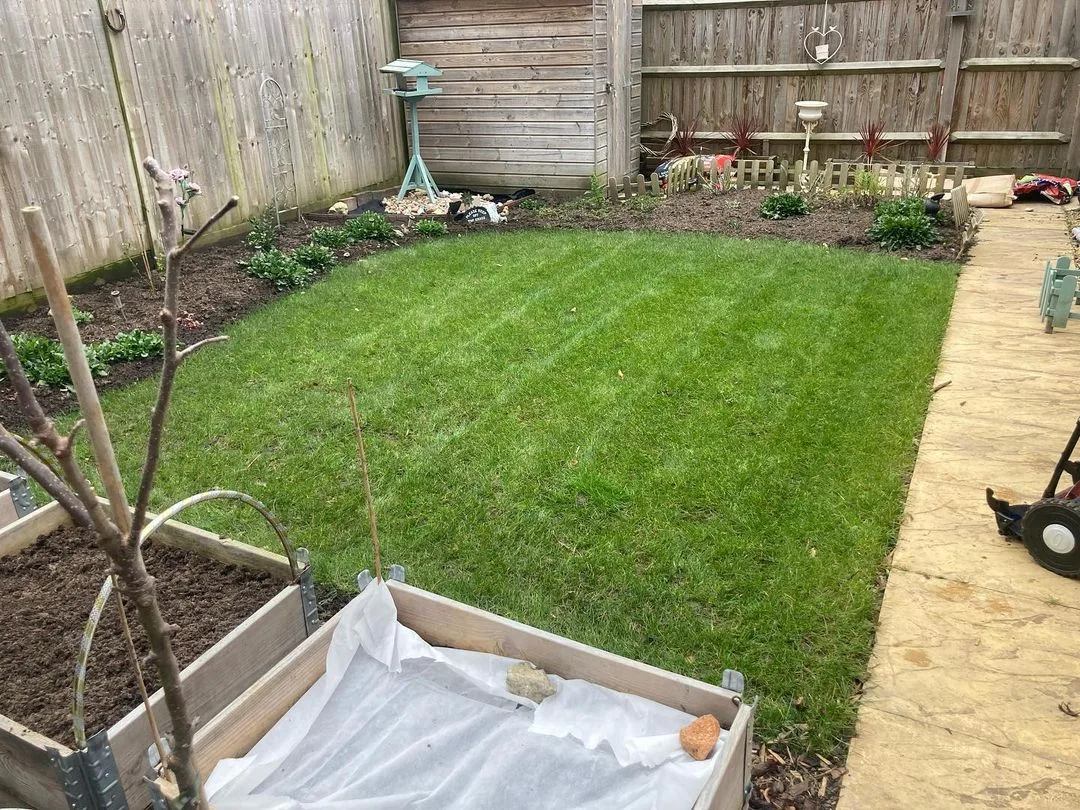
Image source: Web (Bing) / nicolaslawn.com
Scalping is the worst version of all three at once. The crown dries, the canopy thins, weeds sprint in, and recovery takes weeks instead of days.
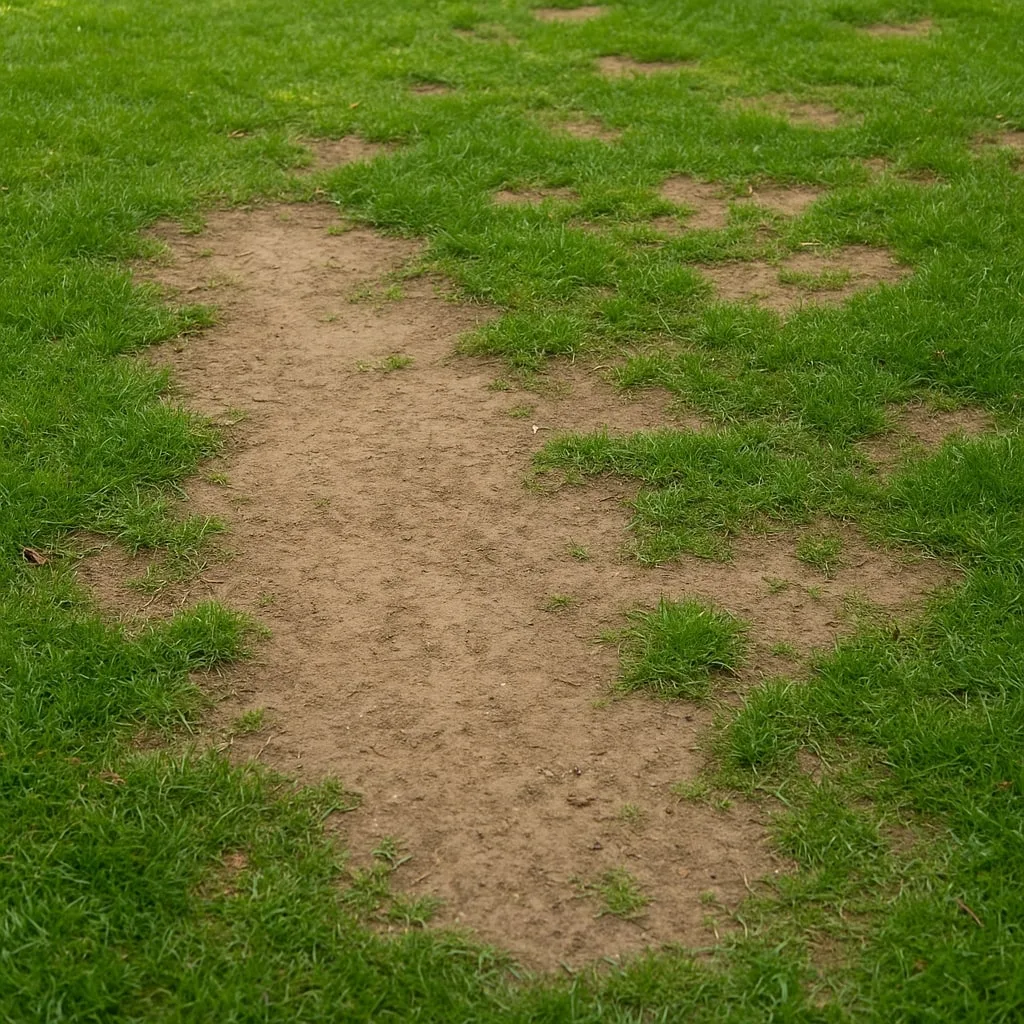
Image source: Web (Bing) / shrekfeet.com
Mowing height is a single lever that controls all three problems together. That’s why it belongs at the top of your lawn care list, ahead of fertilizer and well ahead of overseeding. It’s also the cheapest fix available.
All you need is a deck adjustment and a ruler.
How Perennial Ryegrass Grows and Why That Sets Your Height Ceiling
Perennial ryegrass is a bunch-type grass, meaning it grows in individual clumps rather than spreading sideways through underground runners. Every clump you lose stays lost unless new seed fills the gap. That growth habit drives almost everything about how short you can safely cut.
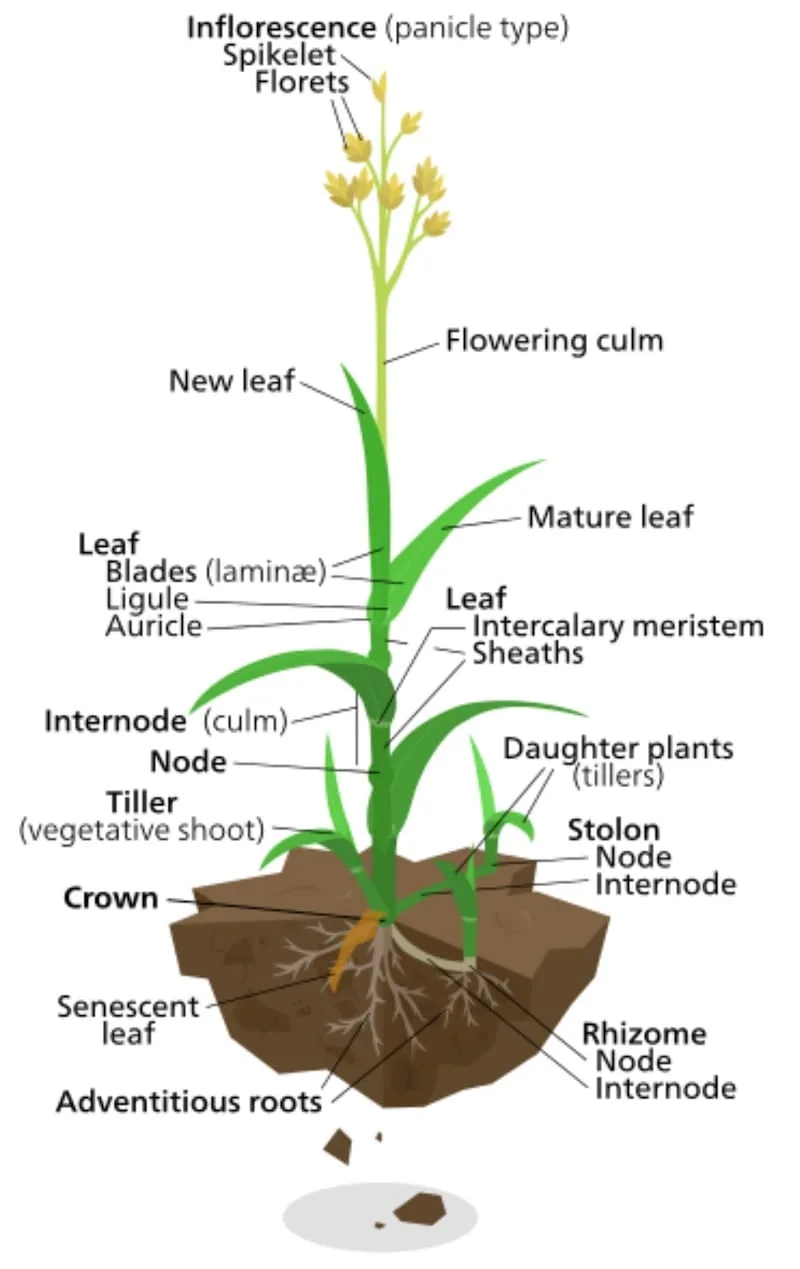
Image source: Web (Bing) / pasture.io
Bunch-type growth, crown height, and why there’s no rhizome rescue
Kentucky bluegrass sends rhizomes through the soil and can patch a bare spot on its own. Ryegrass can’t. Its crown sits at or just above the surface, and new tillers creep outward only a few inches a year.
That one fact explains the whole height rule. You’re not managing a spreading carpet. You’re managing thousands of separate plants, each one living off its own leaf area.
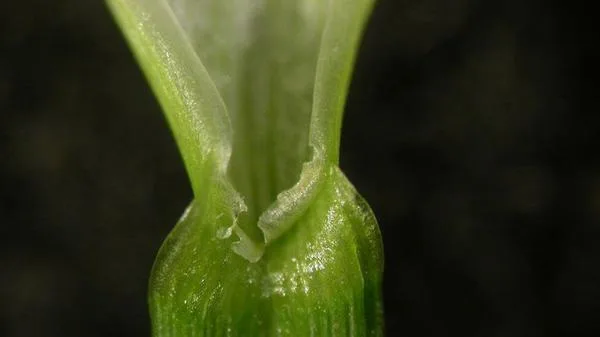
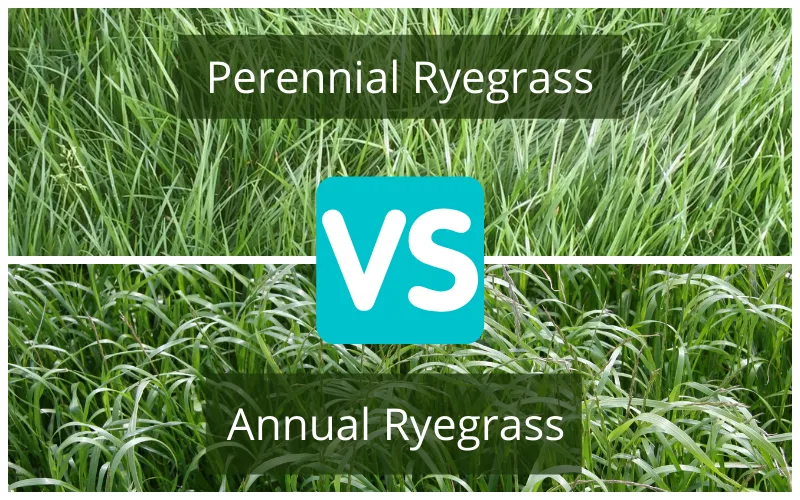
Cut them too short and you lose plants, with nothing creeping in to cover the damage. If you’re ever unsure what you’re looking at, how to spot the difference comes down to blade shine, ribbing, and clump structure.
Cool-season surges versus the summer slowdown
Ryegrass does its heavy lifting in spring and early fall. Soil temperatures in the 60s and low 70s°F push fast top growth, often an inch or more per week. That’s when you mow often and can afford a slightly tighter cut.
Summer flips the script. Root growth slows, top growth slows, and the plant lives off stored energy. Cutting low in July turns ordinary stress into dead turf.
Raise the deck, mow less often, and never let it go to seed.
Carbohydrate reserves and root depth: the real currency
Root depth follows leaf area, and both follow the carbohydrates the plant banks before stress hits. Penn State Extension turfgrass research has tracked this trade-off for decades. More leaf means deeper roots, and deeper roots mean the plant can coast through a dry spell without irrigation.
A lawn cut at 2.5 inches holds noticeably more reserve than one shaved to 1 inch. That margin is what carries it through August.
The Condition Variables That Move Your Number
The 1.5 to 2.5 inch baseline is a starting point, not a rule carved in stone. Five variables should push your deck up or pull it down. Run through them each time you adjust, because the right number in April is rarely the right number in August.
| Condition | Height to use | Why it works |
|---|---|---|
| Standard lawn, moderate use | 1.5 to 2.5 in | Balances density with airflow |
| Summer heat or drought | 2.5 to 3 in | Shades soil, slows evaporation |
| Deep shade | 2.5 to 3 in | More leaf area for low light |
| Heavy traffic, kids or pets | 2 to 2.5 in | Holds density under wear |
| Winter overseed over Bermuda | 1.5 to 2 in | Matches the base grass canopy |
Season and soil temperature
If soil is warming in spring, edge the deck down gradually. If it’s baking in July, go up a notch. Never drop more than half an inch in a single cut.
Shade and tree competition
Shaded blades stretch and thin as they chase light. More leaf surface is the only compensation you can offer, so stay near the top of the range and expect slower recovery.
Foot traffic and lawn use
Wear tolerance is ryegrass’s best feature. Keep it a little denser and slightly shorter where feet pound it daily, and it will knit back within one to two weeks.
Drought, irrigation, and heat stress
If you’re watering, taller grass needs less of it. How thirsty it really is depends heavily on root depth, and root depth depends on how much blade you leave standing. On thin, sandy ground, push the height up another quarter inch.
Cultivar choice and seed blends
Newer turf-type cultivars are denser and more disease resistant than old pasture types. Blends with Kentucky bluegrass can handle a slightly tighter cut than pure ryegrass.
Mower type
As of 2026, most residential rotary mowers offer five or six deck positions, so measure the actual blade height rather than trusting the lever. Reel mowers cut cleaner and tolerate lower settings.
The Decision Branches: Picking Your Height by Situation
Here’s where it gets practical. Match your lawn to the closest branch below and start there. Then adjust by a quarter inch based on what you see after a week.
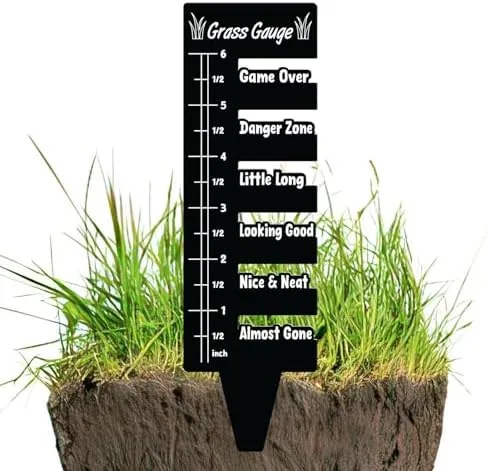
Image source: Web (Bing) / amazon.com.au
Standard home lawn
If your lawn gets sun most of the day and moderate use, set 2 inches and mow weekly in peak growth. That’s the most forgiving setting for a mixed family lawn.
Shaded lawn
If trees shade more than half the day, go to 2.75 or 3 inches. Longer blades capture what light gets through, and the extra canopy suppresses moss.
High-traffic family lawn or pet area
If kids, dogs, or a regular soccer game chew up the turf, use 2 to 2.5 inches and mow on a fixed schedule. Density is your defense, and density comes from consistent cutting.
Drought or water-restricted lawn
If your town has watering limits or your soil dries fast, raise to 3 inches before the heat arrives. Taller grass cuts irrigation demand significantly.
Sports turf and play fields
If you’re managing a play surface, ryegrass is usually kept tighter for ball roll and divot recovery, with a reel mower doing the work. Homeowners rarely need to go that short.
Winter overseeding into a warm-season lawn
If you’re overseeding into Bermuda or zoysia, sowing in hot weather needs careful timing. Once it’s up, mow at the base grass height, and hold off on that first trim until seedlings hit about 2 inches. This is also where knowing a perennial or an annual matters, since winter color often comes from annual types that die out in spring.
The one-third rule as your override switch
If the grass has grown more than a third taller than your target, don’t force it down in one pass. Cut at your usual height, then drop a notch and cut again three or four days later. That two-step approach keeps the crown covered while you bring the lawn back into range.
Your Mowing Workflow: Frequency, Pattern, and Blade Care
Height is only half the job. How often you cut, which direction you travel, and the condition of the blade decide whether that setting actually does anything for you.
How often to mow in peak growth versus slow growth
If grass is growing an inch a week, mow every five to seven days. That keeps you inside the one-third rule without forcing a drastic cut.
If growth stalls in midsummer, stretch the gap to ten days or two weeks. Cutting a slow lawn too often just adds wear and compaction for no gain.
Spring and early fall are the demanding stretches. Ryegrass can push more than an inch a week then, so a weekly pass is the minimum, not a bonus.
| Growth stage | Growth per week | Mowing gap |
|---|---|---|
| Spring surge | 1 to 1.5 in | 5 to 7 days |
| Mild fall | 0.75 to 1 in | 7 to 10 days |
| Summer slowdown | 0.25 to 0.5 in | 10 to 14 days |
Alternating patterns and avoiding compaction
Change direction every cut. Go north to south one week, east to west the next. Grass blades lean with the mower, and one repeated route leaves ruts and a flattened, striped look.
Alternating also spreads wear across the surface. Wheels track the same lines on a fixed route, and those lines compact first.
Sharpening schedules and clean cuts
A dull blade tears instead of slices. Torn tips fray, brown off, and lose water faster than a clean edge.
Manufacturer guidance and our research on residential mower upkeep both point to sharpening every 20 to 25 hours of run time. On a typical quarter-acre lawn, that’s roughly once a season.
Test the edge on a sheet of paper. If it rips rather than slices, it’s time. Keep a spare blade handy and swap it in ten minutes.
Clippings: mulch, bag, or compost
Mulch them back when you’re removing no more than a third of the blade. Clippings break down in days and return nitrogen to the soil.
Bag when the lawn has been let go and clumps start forming. Clumps smother patches and hold moisture against the crown.
Never leave wet clippings piled in a heap. Rake them out or compost them.
Mistakes That Wreck a Ryegrass Lawn
Most of these show up again and again in extension diagnostics. Fix them and your lawn stops limping.
Scalping and the spring lowering trap
Scalping means cutting into the crown or exposing bare soil. It happens most in spring, when people drop the deck two notches at once after a lazy winter.
If you want a lower summer height, step down half an inch a week. Never more than that.
Cutting wet grass
Wet grass cuts ragged and clumps under the deck. The mower also slips, and wet soil compacts under the wheels.
If dew is heavy, wait until midday. A dry blade gives you a clean slice and an even spread.
Dull blades and torn tips
Torn tips turn white or brown within days and make a lawn look frost damaged. That’s a blade problem, not a disease.
Sharpen or swap the blade before you blame the grass. It’s the cheapest fix on this list.
Letting it get too tall, then cutting it all at once
This is the classic setup for scalping. Grass at four inches cut back to two removes half the leaf in one pass.
Use the two-step method. Take it down a third now, then again in three or four days.
Thatch buildup from chronically high cuts
Mowing at three inches all year in a mild climate builds a spongy thatch layer. Thatch blocks water and harbors disease.
Push a finger into the turf to check. If the brown layer is thicker than half an inch, dethatch in early fall.
Mowing during frost or dormancy
Frost makes blades brittle. Driving over a frozen lawn cracks tissue and leaves brown footprints for weeks.
If frost is forecast, mow the afternoon before. Skip the pass entirely once growth stops.
Perennial Ryegrass vs. Other Grasses: How the Height Compares
The right height for ryegrass isn’t the right height for everything else in your lawn. That matters if you’re blending species or overseeding into an existing stand.
Side-by-side height, texture, and wear
| Grass | Typical mowing height | Texture | Wear tolerance |
|---|---|---|---|
| Perennial ryegrass | 1.5 to 2.5 in | Fine to medium | High |
| Kentucky bluegrass | 1.5 to 2.5 in | Fine | Medium |
| Tall fescue | 2.5 to 4 in | Coarse | High |
| Fine fescue | 2.5 to 3.5 in | Very fine | Low |
| Bermudagrass | 0.5 to 1.5 in | Fine | Very high |
Look at the spread. Tall fescue wants roughly double the height of a bermudagrass fairway. A mixed lawn has to settle somewhere in the middle.
Blending ryegrass with Kentucky bluegrass and fine fescue
If you’re blending ryegrass with bluegrass, 2 to 2.5 inches keeps both happy. Bluegrass spreads and fills, and ryegrass holds the surface together while it does.
Fine fescue blends push the number up. Fine fescue thins badly below 2.5 inches, so a shady mix of ryegrass and fine fescue should sit at 2.5 to 3.
What changes in the transition zone
In the transition zone, ryegrass usually goes down as a winter overseed over Bermuda. Then you mow at the base grass height, and the ryegrass fades as heat arrives.
That’s why mixing the two needs a plan from the start. Know which grass owns the summer before you pick a deck setting.
If you’re still deciding whether ryegrass deserves a place in your lawn, an honest look at its strengths helps before you commit seed and water to it.
Seasonal Height Calendar: Adjusting From Spring Through Winter
Your deck setting should move two or three times a year. Here’s the calendar most cool-season lawns follow.
Spring green-up
Start high, around 2.5 inches, and cut only when growth begins. As soil warms past 55°F and growth speeds up, step down toward 2 inches over three or four weeks.
Wait for dry foliage. Spring dew is heavy, and wet cuts cause clumping and an uneven finish.
Summer stress management
Raise to 2.5 or 3 inches before the first heat wave, not after damage appears. Taller grass shades soil, which cuts evaporation and keeps the crown cooler.
Mow less often. If growth slows to half an inch a week, a ten-day gap is fine. Keep the blade sharp, because stressed grass recovers slowly from torn tips.
Fall recovery and overseeding
Fall is ryegrass’s best season. Growth returns, roots deepen, and the lawn repairs summer damage fast.
Bring the height back to 2 to 2.5 inches. If you’re overseeding, getting the seedbed right matters more than the deck setting that month.
Keep mowing until growth stops, then drop to 2 inches for the final cuts. Slightly shorter grass going into winter reduces matting and snow mold risk.
Winter dormancy and the last cut
Once growth halts, park the mower. Cutting dormant ryegrass does nothing good and risks crown damage.
In mild climates where it keeps ticking over, mow occasionally at 2.5 inches. Skip any pass on frozen or waterlogged ground.
USDA plant hardiness data and regional extension guides both note that winter mowing needs vary widely by zone. Zone 5 lawns stop. Zone 8 lawns never fully quit.
Frequently Asked Questions
Can I cut perennial ryegrass to 1 inch?
Not on a home lawn. One inch strips too much leaf area, shallows the roots, and invites weeds. Only intensively managed sports turf with reel mowers and heavy inputs goes that low.
Does mowing higher really reduce weeds?
Yes. Taller grass shades soil, and crabgrass seed needs light to germinate. A dense canopy at 2.5 to 3 inches blocks most of it.
Combine that with deep, infrequent watering and you’ll need far less herbicide.
What height should I use for a new ryegrass lawn from seed?
Mow the first time at about 2.5 inches once seedlings reach 3 inches tall. Take only the tips. Then settle into your normal range over the next month as the turf thickens and tillers fill in.
Should I mow before or after fertilizing?
Mow first, then fertilize. Cutting beforehand keeps granules off the blades and lets you see the lawn clearly. Wait a day or two after feeding before the next cut if you’re using a granular product.
How do I fix a lawn that’s already been scalped?
Water deeply and stop mowing for two weeks. Raise the deck a notch before your next pass. Overseed thin patches in early fall.
Most scalped ryegrass recovers within three to four weeks if the crown survived.
Is a mulching mower okay for ryegrass?
Yes, and it’s usually the better choice. Mulching returns nitrogen and moisture to the soil. Just avoid mulching when the grass is overgrown or wet, because clumps will smother the turf underneath.