Does Rye Grass Need a Lot of Water? My Proven Tips
So you’ve just put down ryegrass seed or you’re staring at a patchy lawn wondering if your water bill is about to skyrocket. The question “does rye grass need a lot of water” pops up constantly because the answer shifts based on what you’re actually doing with that rye.
Ryegrass is a cool-season grass that burns through water differently depending on its stage. As of 2026, university turfgrass research consistently shows that a newly seeded lawn needs shallow, frequent watering up to four times daily. A mature stand of perennial rye thrives on roughly 1 to 1.5 inches of water per week, including rainfall.
Here’s how to figure out exactly where your lawn lands on that spectrum.
The Quick Answer
Does rye grass need a lot of water? It needs a lot during germination. After that, it needs less than you think.
New seed demands constant moisture for about 14 days. Skip one watering and you lose the stand. An established lawn only wants deep soaks once or twice a week. Overwatering mature rye causes more problems than drought does.
The Big Variables That Change Everything
Four factors flip the answer from “yes, keep it wet” to “no, back off.”
Establishment stage. This is the biggest lever. Germinating seed has no roots to chase moisture. It needs the top half inch of soil kept damp around the clock for up to two weeks. Once the grass hits about two inches tall and you’ve mowed it once, you switch to deep and infrequent watering.
Soil type. Sandy soil drains fast, so water slips right past the root zone. You’ll need shorter, more frequent cycles. Clay soil holds moisture tight but absorbs it slowly. Watering clay for too long just creates runoff. The texture of your soil dictates how you deliver every drop.
Season and temperature. Ryegrass peaks in spring and fall when temperatures hover between 60 and 75 degrees Fahrenheit. In those windows it needs little supplemental water. When temperatures push past 85 degrees, established rye needs closer to 2 inches per week to avoid dormancy. Southern lawns using rye for winter overseeding have the opposite schedule—cool wet winters mean almost no irrigation beyond the establishment phase.
Sun exposure. Ryegrass in full sun guzzles more than rye in partial shade. A lawn baking all afternoon on a south-facing slope needs more frequent attention than one under a tree canopy. Heavily shaded rye thins out fast regardless of water, so don’t overcompensate with the hose.
How Much Water Does Ryegrass Need by Season?
Ryegrass water needs change a lot as the seasons shift. You don’t need to use the same watering schedule year-round.
Spring: Mild temperatures and regular rain usually reduce the need for supplemental watering. Check the soil before running your sprinkler.
Summer: This is the toughest season for perennial ryegrass. Hot, dry weather increases water demand, especially in full sun. Water deeply when the grass shows stress, or allow it to go dormant during severe heat or water restrictions.
Fall: Cooler temperatures make fall one of the easiest times to maintain ryegrass. Newly seeded lawns still need frequent moisture until established, but mature grass usually needs less irrigation.
Winter: Ryegrass often needs little supplemental water when rainfall is regular. Winter overseeding still needs consistent moisture during germination, then watering can taper off as the grass establishes.
Your soil, rainfall, shade, and local climate should always guide the final schedule.
Your Watering Decision Tree (Pick Your Scenario)
Find your situation below and follow the branch. Each path reflects what university extension programs and turfgrass researchers recommend.
Scenario 1: You just seeded a new ryegrass lawn
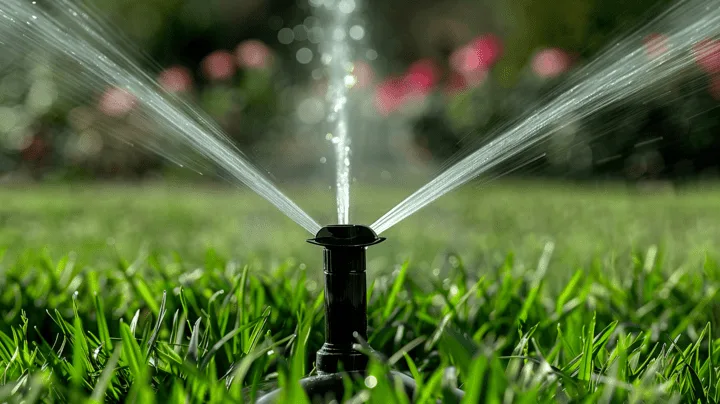
This is the high-water phase. For the first 14 days, water lightly three to four times a day. Aim for five to ten minutes per zone per session. The goal is damp soil, not puddles. Use a misting or oscillating sprinkler head. If the seed dries out even once, expect thin spots or total failure.
Once seedlings reach two inches, drop to once-daily watering for the next week, then shift to the mature lawn schedule. The whole high-water nursery period lasts about three to four weeks.
Scenario 2: You have an established perennial ryegrass lawn
You’re in steady-state mode. Apply 1 to 1.5 inches per week total, including rain. Water deeply once or twice a week, not a little every day. Early morning is the only window that makes sense. Watering at night leaves blades wet for hours and invites fungus.
Do the footprint test. Walk across the lawn. If the grass springs back, skip the sprinkler. If your footprints stay pressed down and the blades look bluish-gray, it’s time to soak.
Scenario 3: You overseeded a dormant warm-season lawn
This is the Southern winter play. You scalp the Bermuda, throw down annual rye, and chase a green lawn through February. Keep the seedbed moist with two to three light daily waterings until germination. After that, winter weather often supplies enough moisture. In most Gulf Coast states you’ll only need supplemental irrigation during dry spells. As of 2026, many Southern water utilities allow a 30-day exemption from watering restrictions for newly seeded lawns, so check your local ordinance.
Scenario 4: Summer hit and your rye is stressing
Ryegrass doesn’t do heat. When temperatures stay above 85 degrees, the grass wants to go dormant. Either commit to 2 inches of water per week to keep it green, or let it go brown and dormant knowing it should bounce back in fall. Half measures are the enemy. Light sprinkles during a heat wave grow shallow roots and cook the crown faster than doing nothing. If water restrictions kick in, dormancy is the responsible call.
How to Measure What You’re Actually Putting Down
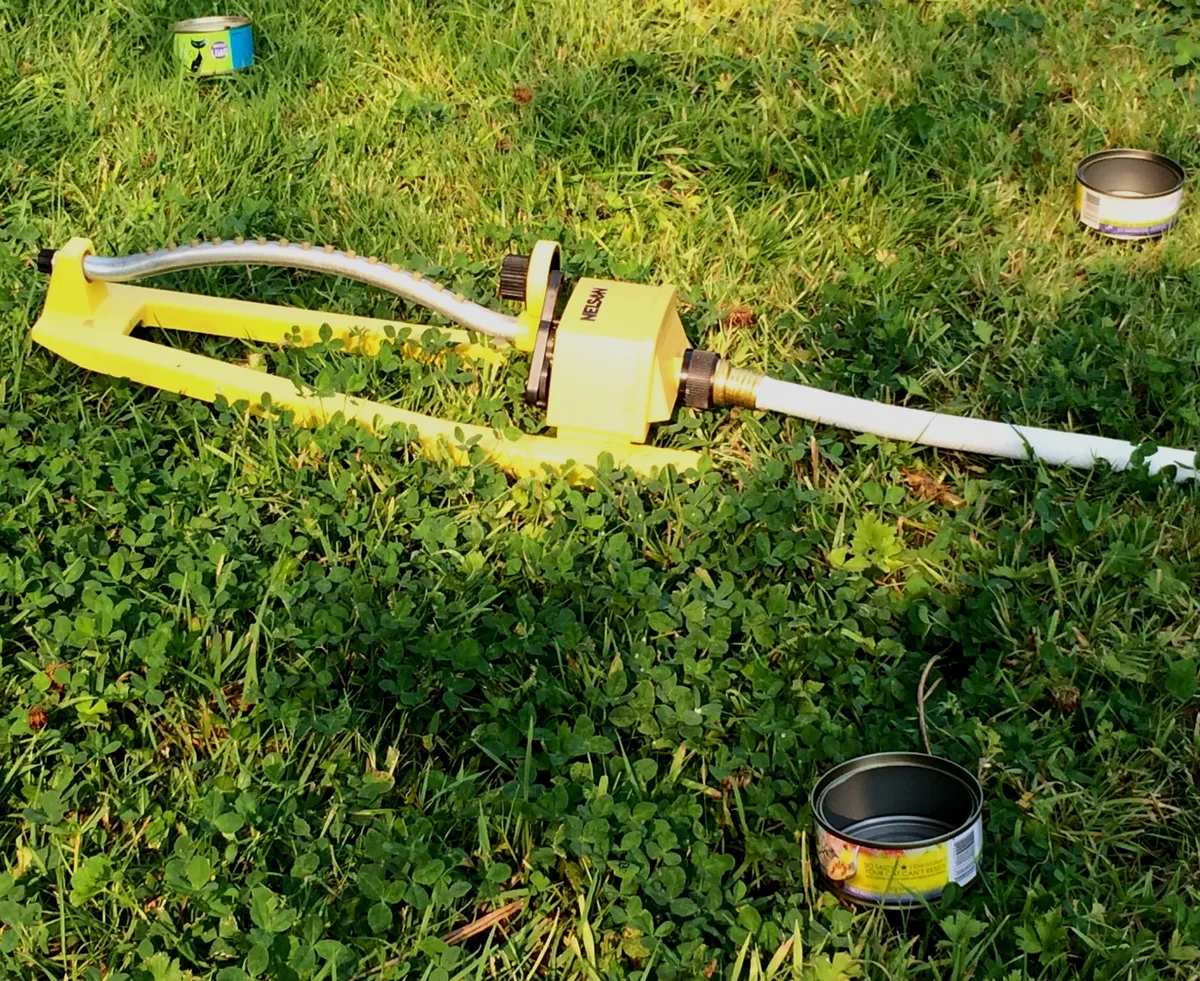
Grab a few empty tuna cans or straight-sided containers. Place them around the sprinkler zone. Run the system for 15 minutes. Measure the depth in each can with a ruler. Average those numbers to figure out your sprinkler’s output per hour.
| Sprinkler Output | Minutes to Reach 1 Inch |
|---|---|
| 0.25 inches in 15 min | 60 minutes |
| 0.5 inches in 15 min | 30 minutes |
| 0.75 inches in 15 min | 20 minutes |
Split that total time into two sessions with a 30-minute gap if you’re on clay soil. That’s the cycle-and-soak method—the difference between water penetrating six inches deep versus running off into the gutter.
The Mistakes That Cost You a Lawn (or a Water Bill)
Most ryegrass failures trace back to one of four watering errors.
Frequent shallow watering on mature lawns. This is the number one mistake. Sprinkling for ten minutes every evening trains roots to stay in the top two inches of soil. When summer hits and the surface dries out, the grass has no reserves. Deep weekly soakings push roots down 12 to 18 inches where moisture is stable.
Watering in the evening. Ryegrass is already a fungal magnet in humid weather. Dollar spot, brown patch, and Pythium blight all thrive when blades stay wet for more than 14 hours. If you water at 7 p.m., the lawn sits damp all night. The early morning window gives the grass what it needs and lets the sun dry the canopy. Schedule irrigation to finish by sunrise.
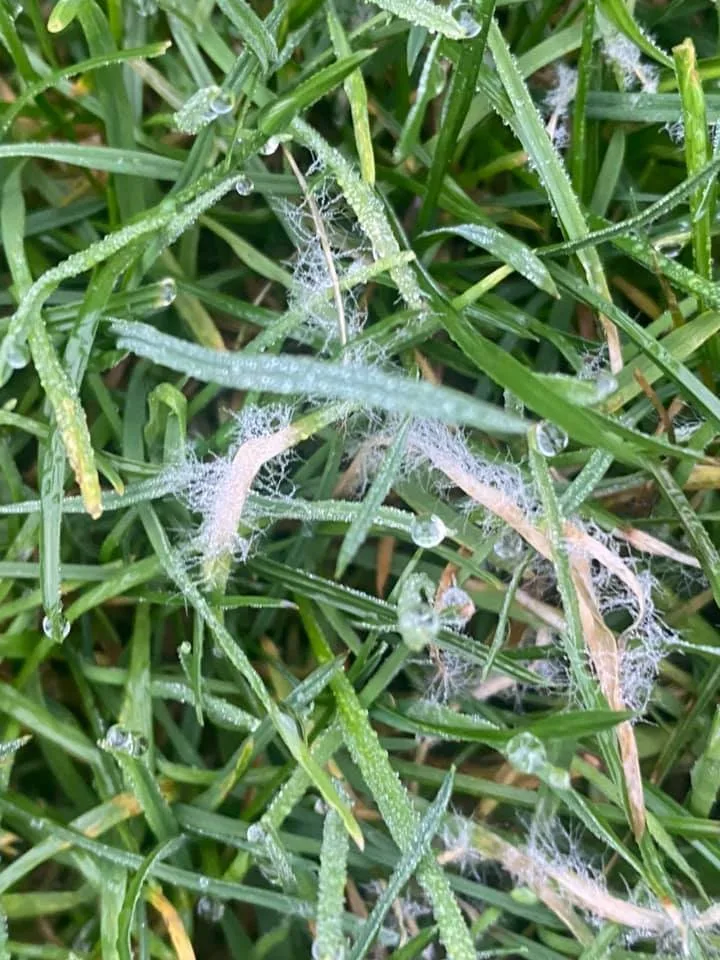
Overwatering during overseeding. Southern lawns face a unique trap. Soaking dormant Bermuda too aggressively to nurse winter rye can wake up the Bermuda early, and a late freeze kills it. Once the rye germinates, back the water off fast.
Ignoring a proper irrigation audit. The catch-can test takes twenty minutes and tells you exactly how long to run your sprinklers. Without it, you’re guessing. Most people guess wrong and either underwater during germination or overwater the rest of the year. Calibrate once per season.
Frequently Asked Questions
Can ryegrass survive on just rainfall?
In the Pacific Northwest or Northern Europe, yes. Mature perennial ryegrass in those climates often needs zero supplemental irrigation outside of establishment. In the transition zone or arid West, rainfall alone won’t cut it during summer. You’ll need to supplement or accept seasonal dormancy. Over-reliance on rain in hot, dry regions leads to thinning and weed invasion within one season, so track your local totals with a simple rain gauge before deciding.
How do I know if I’m overwatering my rye grass?
Look for spongy, squishy soil, a persistent musty smell, or circular patches of discolored grass that spread over a few days. Dollar spot starts as small, silver-dollar-sized bleached circles and is a classic overwatering indicator in rye. If you see mushrooms or you’re mowing wet, matted grass that clumps, cut watering frequency in half and shift to early mornings only. Healthy rye roots need air as much as moisture.
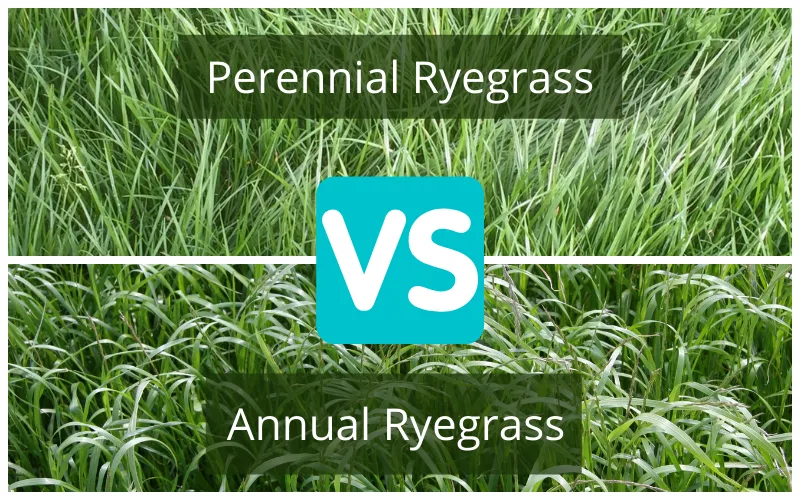
Does annual ryegrass need more water than perennial ryegrass?
Not meaningfully more as a mature stand, but it matters during the grow-in window. Annual ryegrass germinates even faster than perennial rye, sometimes in as few as five days. That shorter window means you’re running the frequent-light-watering schedule for a slightly briefer period. Once established, both types follow the same 1 to 1.5 inch weekly guideline. The bigger practical difference is lifespan, not water demand, because annual rye is dead by summer regardless of how well you irrigate.
Should I water rye grass differently on a slope?
Absolutely. Sloped lawns shed water before it infiltrates, especially on clay. Use the cycle-and-soak method: run the sprinkler for half the needed time, shut it off for 30 minutes, then run the second half. On steep pitches you might need three short cycles instead of two. If you see runoff streaming onto the sidewalk, stop the cycle immediately and shorten the run time for the next session.
Will my rye grass recover if I let it dry out completely?
It depends on how long “completely” means. Mature perennial ryegrass that goes dormant from drought will often green up again within 10 to 14 days of consistent deep watering once temperatures cool. If the crowns baked dry for more than four to six weeks in extreme heat, you’re likely looking at overseeding in the fall. New seedlings that dry out completely during germination won’t recover at all. That’s a full reseed.