Can You Get a DUI on a Lawn Mower? The Harsh Truth
People often view mowing the lawn as a relaxing weekend chore. I cannot tell you how many times I have heard folks joke about “mowing under the influence” with a cold beer in the cup holder. Over my 15 years of testing and reviewing outdoor power equipment, from heavy-duty zero-turns to standard riding tractors, I have seen exactly what these machines can do. They are not toys; they are heavy machinery. The intersection of alcohol and lawn care is no laughing matter, and the legal implications surprise many homeowners every year.
Quick Answer
Yes, you can absolutely get a DUI on a lawn mower. In most jurisdictions, riding mowers are legally classified as motor vehicles. Operating one while intoxicated—especially on public roads, sidewalks, or the shoulder of a highway—can result in a Driving Under the Influence (DUI) or Driving While Intoxicated (DWI) charge. Even on private property, some state laws allow for DUI arrests if you pose a clear danger to yourself or others while operating the equipment.
The Legal Reality of Lawn Mowers and DUIs
Whether you can get a DUI on a lawn mower depends on your state’s laws, the type of mower, and where you operate it. Riding mowers may qualify as motor vehicles under some state DUI laws, especially when operated on public roads or other areas covered by the law.
A 0.08% BAC is the standard per-se limit for drivers age 21 and older, but BAC is not necessarily the only factor. You may also face a DUI charge if alcohol or drugs impair your ability to operate the mower safely. Private property does not automatically exempt you either, because DUI laws vary by state.
| Key Factor | What It Means |
|---|---|
| Mower Type | Riding mowers may fall under motor-vehicle laws, depending on the state. |
| BAC & Impairment | A BAC reading is not necessarily the only basis for a DUI charge. |
| Location | Public roads generally create greater DUI exposure; private-property rules vary. |
| State Law | The exact rules and penalties depend on your jurisdiction. |
The key takeaway: don’t assume a lawn mower is exempt from DUI laws simply because it isn’t a car. Your state’s law and the circumstances of the incident determine whether a DUI charge can apply.
How Location Changes Everything
The exact location where you are operating the mower plays a massive role in how law enforcement handles a situation. While the definition of a motor vehicle remains constant, the jurisdiction of traffic laws can shift depending on where your tires are touching the ground.
Public Roads and Right-of-Ways
If you drive your mower on a public street, a sidewalk, or even the grassy shoulder of a public road, you are subject to the exact same traffic laws as a car. This is where most lawn mower DUI arrests happen. I have seen homeowners use their riding mowers to drive down the street to a neighbor’s house or to the local gas station. If you do this while intoxicated, you are highly visible and an easy target for law enforcement.
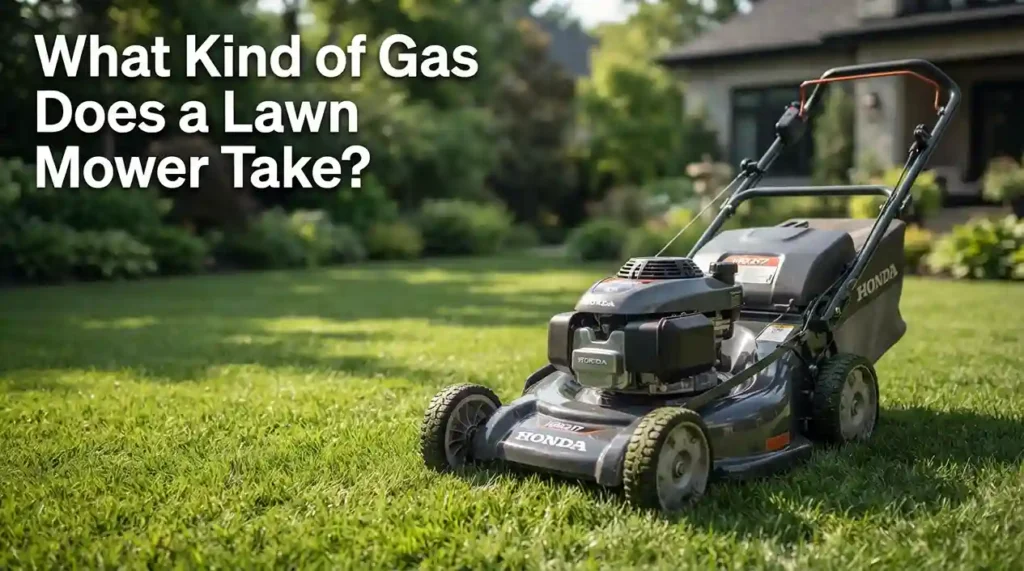
You might find this helpful: What Kind of Gas Does a Lawn Mower Take
Private Property Limitations
Private property is a gray area, but it is not a free pass. In many states, DUI laws explicitly state they apply “anywhere in the state,” meaning you can technically be arrested for a DUI in your own backyard. However, police rarely patrol backyards. Arrests on private property usually occur if an accident happens, if a neighbor calls in a noise complaint and police arrive to find an intoxicated operator, or if the mower damages adjoining property.
Here is a breakdown of how different locations impact your legal risk.
| Operating Location | DUI Enforcement Risk Level |
| Public Roads & Streets | Very High (Full traffic laws apply) |
| Sidewalks & Shoulders | Very High (Considered public right-of-way) |
| Front Yard (Near Road) | Moderate (Visible to passing patrols) |
| Fenced Backyard | Depends on State Law |
Knowing your property lines will not necessarily protect you from the law, but staying off public pavement is the biggest factor in avoiding immediate police interaction. Always keep your equipment firmly on your own turf.
Why These Laws Exist: The True Dangers
It is easy to dismiss a lawn mower as harmless because it moves slowly. However, as a professional tool reviewer, I know the raw power these machines generate. A modern riding mower weighs anywhere from 300 to over 800 pounds. The blades spin at tip speeds exceeding 18,000 feet per minute (FPM). That is fast enough to turn a stray rock into a lethal projectile.
Alcohol severely impairs reaction time, spatial awareness, and judgment. When you are operating a machine with an exposed, high-speed blade deck, a delayed reaction can lead to catastrophic injuries. You might fail to notice a child running into the yard, or you might misjudge the steepness of a ditch. Rollovers are the leading cause of death on riding mowers, and alcohol dramatically increases the likelihood of a rollover by impairing your ability to read the terrain.
⚠️ Warning: Never operate a mower on a slope greater than 15 degrees. Alcohol impairs your inner ear’s balance and your depth perception, making a 20-degree slope look perfectly flat until the machine tips over on top of you.
Common Misconceptions About Mowing Under the Influence
Because lawn care is deeply tied to relaxed weekend culture, several dangerous myths have developed over the years. Many people genuinely believe they are exploiting a legal loophole by driving a mower instead of a car after a few drinks.
One of the most persistent myths is that a suspended driver’s license allows you to drive a mower to the store. This is entirely false. If your license is suspended, operating any motor vehicle on a public road is illegal, and getting caught on a mower will lead to further criminal charges.
Here is a comparison of common myths versus the actual legal reality.
| Common Myth | The Legal Reality |
| “I’m on my property, so the law can’t touch me.” | Many state DUI laws apply uniformly across public and private property. |
| “It’s not a car, so it doesn’t count.” | It is a self-propelled motor vehicle, which fully qualifies under DUI statutes. |
| “They can’t suspend my license for a mower DUI.” | A DUI on a mower goes on your standard driving record and will suspend your license. |
Do not let these myths guide your weekend decisions. The legal system is incredibly unforgiving when it comes to operating machinery under the influence, regardless of the vehicle type.
How Different Mowers Are Classified
Not all mowers are treated exactly the same, though the risks remain similar. The type of equipment you are using dictates both its legal classification and how dangerous it is to operate with compromised judgment.
Push mowers, for instance, are rarely classified as motor vehicles because they rely entirely on human power to move forward, even if the blade is engine-driven. However, self-propelled walk-behind mowers blur the line. Riding mowers and tractors may qualify as motor vehicles under a state’s DUI laws.
This table details how different mowers compare regarding legal risk.
| Mower Type | Motor Vehicle Classification | DUI Arrest Susceptibility |
| Manual Push Mower | No (Human powered) | Very Low |
| Self-Propelled Walk-Behind | Varies by State | Low |
| Riding Lawn Tractor | Yes | High |
| Zero-Turn Mower | Yes | High |
Understanding your specific equipment is vital. If your mower has a seat and a steering mechanism, assume the full weight of traffic law applies to it the moment you turn the key.
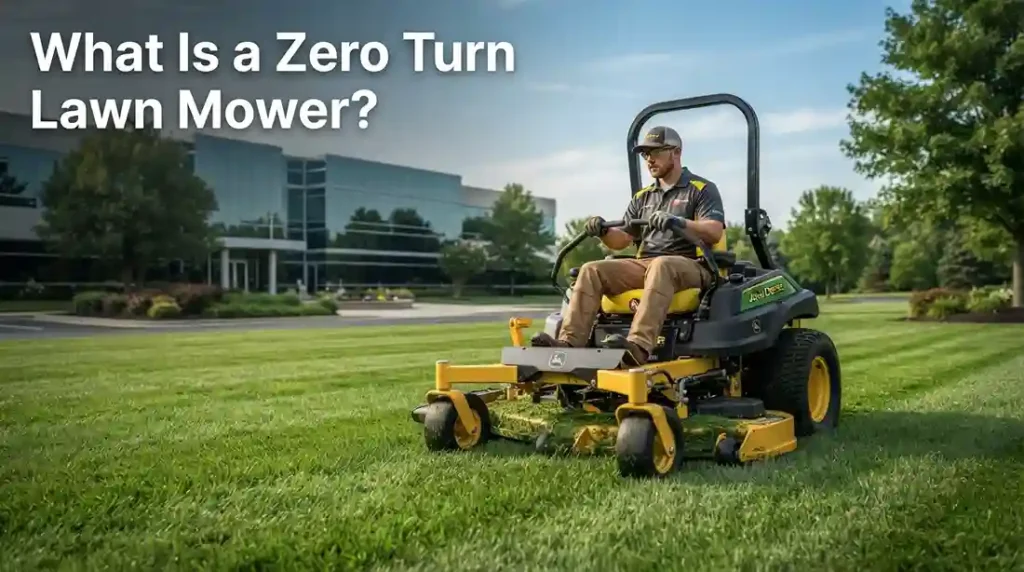
🌱 Beginner Note: Zero-turn mowers steer entirely with the rear wheels via independent transmissions. Because they lack a traditional steering wheel, they are incredibly twitchy and require complete focus. They are the most dangerous type of mower to operate if you are not fully alert.
The Real-World Consequences
If you are arrested for a DUI on a lawn mower, the consequences are virtually identical to getting a DUI in a standard automobile. The courts do not offer a “lawn care discount” on your sentencing.
First, your driver’s license will likely be suspended. This means you cannot drive your car to work, take your kids to school, or run errands. Second, you will face massive fines, court costs, and attorney fees, which frequently exceed $10,000 for a first-time offense. You will also be required to attend alcohol education classes, and your auto insurance rates will skyrocket—often doubling or tripling for the next three to five years.
Here is a look at the typical consequences you can expect.
| Consequence Category | Typical Outcome for a First Offense |
| Financial | Fines and legal fees between $5,000 and $10,000. |
| Driving Privileges | License suspension ranging from 6 months to 1 year. |
| Freedom | Probation, community service, or brief jail time. |
The financial and personal burden of these consequences vastly outweighs any perceived convenience or humor of taking the mower out for a spin after a few drinks. The impact on your life will be immediate and severe.
Safe Maintenance and Preparation
A well-maintained mower requires a sharp mind to operate. When I do my seasonal tool maintenance, I am dealing with highly flammable gasoline, sharp metal blades, and high-tension belts. You should never perform maintenance on your tools after drinking, just as you should never operate them.
Before you start mowing, you should always perform a safety walk-around. You need to check the oil, inspect the deck for debris, ensure the Power Take-Off (PTO) clutch engages smoothly, and clear the yard of toys, hoses, and rocks. If you have been drinking, you are far more likely to skip these vital steps. Skipping a pre-mowing check is how a hidden dog toy shatters a spindle or a forgotten garden hose wraps around the blade shaft, destroying your belt.
Here is a checklist for evaluating your readiness to mow.
| Pre-Mowing Factor | Safety Status |
| Consumed any alcohol? | Do not operate. Wait until tomorrow. |
| Taking drowsy medication? | Do not operate. |
| Fully hydrated and alert? | Safe to proceed with yard prep. |
This simple checklist has kept me safe through hundreds of hours of equipment testing. Treat your mower with the respect you give your daily commuter car, and it will serve you well without putting you in danger.
Frequently Asked Questions
Can I drive my lawn mower on the road to get gas?
In most municipalities, driving a mower on a public road is illegal regardless of your sobriety, unless you have a specific agricultural exemption or a slow-moving vehicle triangle properly affixed (and even then, rules vary strictly by county). If you do this while intoxicated, you will almost certainly be pulled over and charged with a DUI.
What if I am just mowing the strip of grass between the sidewalk and the street?
This area, often called the “easement” or “right-of-way,” is technically city property in most jurisdictions. Mowing it while intoxicated puts you within feet of active traffic and on public land, making you highly vulnerable to a DUI charge if an officer drives by.
Does a mower DUI affect my regular car insurance?
Yes. A DUI on a lawn mower goes on your official driving record. Your auto insurance provider will see the DUI conviction when they run your background check for renewal, and they will adjust your rates accordingly or drop your coverage entirely.
Will I lose my commercial driver’s license (CDL) for a mower DUI?
Yes, A mower DUI can seriously affect your CDL, but the exact consequences depend on federal and state laws, the offense, and the circumstances. Check your current state and FMCSA rules for specific requirements.
Final Thoughts
As a professional horticulturist and equipment reviewer, I love the satisfaction of a perfectly striped lawn. I know how enjoyable it can be to spend a Saturday afternoon making your property look beautiful. However, the machines we use to achieve that beauty are powerful, heavy, and unforgiving.
Getting a DUI on a lawn mower is not just a quirky local news headline; it is a very real, life-altering legal reality that ruins finances and driving records every single year. The law is clear: riding mowers are motor vehicles, and operating them on public right-of-ways or recklessly on private property while intoxicated is a crime. Keep your wits sharp, respect the machinery, and save the celebratory drinks for after the blades have stopped spinning and the key is safely out of the ignition.