Can You Stripe Bermuda Grass? My Guide to Better Stripes
Yes, you can stripe Bermuda grass, but it’s a different challenge than striping cool-season lawns. Bermuda grass grows low and aggressive, so it needs the right mowing setup, sharp blades, and a consistent pattern. In our research, the biggest reason stripes fail on Bermuda isn’t the grass.
It’s the mowing setup.
Bermuda grass (Cynodon dactylon) is a warm-season turf that thrives in USDA zones 7 through 10. It grows low and dense, making crisp contrast harder to achieve than on tall fescue or Kentucky bluegrass. As of 2026, the standard advice remains the same: mow low, mow often, and keep the blade razor sharp.
Let’s walk through what actually creates those light and dark bands.
Quick Answer: Yes, But It’s Not Like Tall Fescue
Yes, you can stripe Bermuda grass. Expect softer, less dramatic stripes than cool-season lawns. The effect depends on mower type, blade sharpness, and consistent patterns.
Reel mowers give the cleanest cut. Rotary mowers can work with sharp blades and frequent passes.
The contrast comes from grass blades bending toward or away from your viewpoint. It’s not paint. It’s physics.

Image source: Bing (Web (fair-use with source credit))
What Actually Creates the Stripe Effect on Bermuda
Bermuda grass blades are stiff and have a naturally high reflectivity when healthy. Sunlight shines off the flat surface of leaves bent in one direction, making them look light. Leaves bent the opposite way trap more shadows and look darker.
That’s the whole trick.
Your mower deck or roller does that bending. On Bermuda, you’re not just cutting grass. You’re literally laying the blades down in one direction while you cut.
Things that affect stripe intensity:
- Light stripe: blades bent away from your viewpoint.
- Dark stripe: blades bent toward your viewpoint.
- Dry grass bends better than wet grass.
- Sharp blades create clean cuts, so blades fold rather than shred.
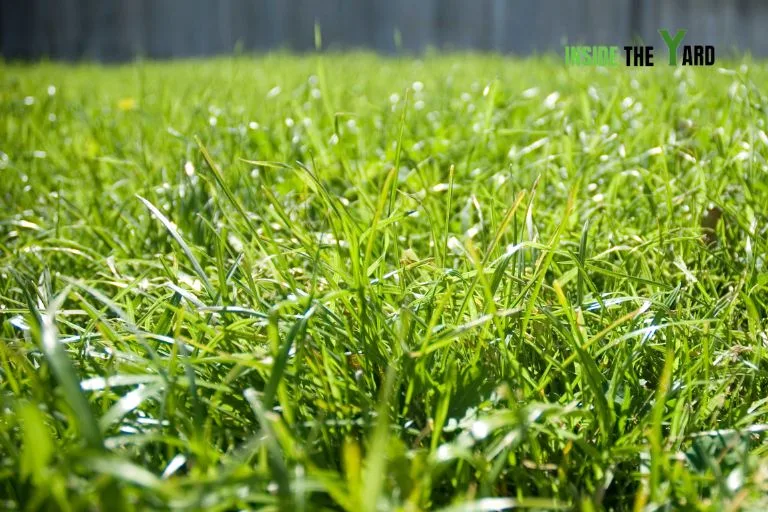
Image source: Web (Bing) / insidetheyard.com
Bermuda responds faster to mowing than cool-season grass. That means stripes look crisp right after you mow, but they fade quickly as the grass rebounds. You can’t wait a week between cuts and expect a clean pattern.
Another thing to remember: a stressed or patchy lawn won’t stripe well. Before you invest money in a striping kit, focus on keeping Bermuda healthy. Thick turf is the real foundation.
The best striped lawns often come from turf that’s been fertilized on schedule and watered deeply. Bermuda loves consistent maintenance. Cut corners there and the stripes will look washed out no matter what tool you use.
The Biggest Condition Variables in Your Lawn
Striping isn’t a one-size-fits-all trick. The result shifts based on a few key variables. Let’s break down the ones that matter most.
Grass Health and Density
Thick, dense Bermuda produces much better stripes than thin, patchy grass. Density gives you more leaf surface to bend. Sunlight needs enough blades to catch.
If your lawn is low on nitrogen or stressed, stripes will look faded.
A healthy Bermuda lawn also recovers faster after mowing. That means you can mow more often without causing damage. Follow a proper fertilizer schedule and keep up with routine care.
Bermuda also needs plenty of sun. If your lawn gets less than six hours of direct sunlight, it will thin out. You can check what Bermuda really needs for sun exposure before you chase the stripe look.
Mower Type and Blade Sharpness
Reel mowers are the gold standard for Bermuda stripes. They cut with a scissors-like action, leaving a clean, even tip. Rotary mowers tear grass slightly if the blade is dull and leave a ragged edge.
That ragged edge scatters light, which kills contrast.
Manufacturer specs for reel mowers typically recommend sharpening blades after every 10 to 15 hours of use. Rotary blades need sharpening after every 8 to 10 hours if you’re serious about stripes. Sharp steel makes a huge visual difference.
Cutting Height and Frequency
Bermuda should be mowed between 0.5 and 1.5 inches. Any higher and the grass gets soft and stalky, which makes it harder to bend uniformly. Any lower and you risk scalping.
During peak growth, mow every three to five days. That’s the secret many people miss. Stripes look best when you’re cutting off just a small amount of growth each time.
The grass stays dense and the blades stay upright, ready to bend.
If you’re unsure about the right seasonal window for your region, the planting timeline for Bermuda in North Carolina also gives useful clues about when the grass starts growing. The same timing logic applies to when your lawn becomes stripe-ready.
Your Decision Branch: Which Scenario Matches You?
Now for the practical part. Which situation are you in? Pick the branch that fits your setup, and you’ll know exactly what to expect.
You Have a Rotary Mower Only
You can still get stripes, but the contrast will be softer. Use a striping kit with a weighted roller. Mow in straight lines, and always lift the deck on the ends so you don’t mow over your previous pass.
You’ll also need to sharpen your blade regularly. If you’re mowing low, sharpen it every week. Dull blades brown out the tips, and brown tips ruin the stripe illusion.
You Have a Reel Mower or Are Willing to Buy One
This is the best route for clean, crisp stripes. A reel mower cuts clean and bends the grass with its roller. Many models already have a front roller built in, so you don’t need a separate striping kit.
Manual reel mowers work fine on small yards. Powered reel mowers are better for larger areas. If you already have a reel mower, you’re about 80 percent of the way there.
You Want Golf-Course-Level Stripes
If you want the checkerboard look you see at stadiums, you need a reel mower, a weighted roller, and very consistent mowing. Alternate your mowing direction every session. Mow north-south one week, then east-west the next.
Use a striping kit with a heavy roller. The extra weight bends the blades more, giving deeper contrast. Consider cutting at 0.5 inches if your lawn is healthy enough to handle it.
You Just Want a Good Look for Curb Appeal
You don’t need a reel mower. A rotary mower with a striping kit, or even just a consistent mowing pattern, will give you subtle stripes. Keep the lawn thick and healthy.
Stripes on a thin lawn look more like random streaks.
How to Stripe Bermuda Grass Step by Step
Here’s the sequence that gives the best chance of clean stripes, based on our research and aggregate lawn-care practices.
- Sharpen or replace your mower blade. A sharp blade cleansly cuts each blade of grass.
- Set your mowing height between 0.5 and 1.5 inches. Adjust for grass health and season.
- Mow when the grass is completely dry. Wet grass clumps and falls flat unevenly.
- Pick a straight reference line. Use a driveway edge, fence line, or walkway.
- Mow your first pass in a straight line. Keep the deck level and the speed steady.
- Overlap the previous pass by half a tire width. This ensures even bending and cutting.
- Lift the deck at the end of each row. Turn slowly to avoid scraping a mark into the turf.
- Alternate directions on the next mowing day. This builds the classic light and dark pattern.
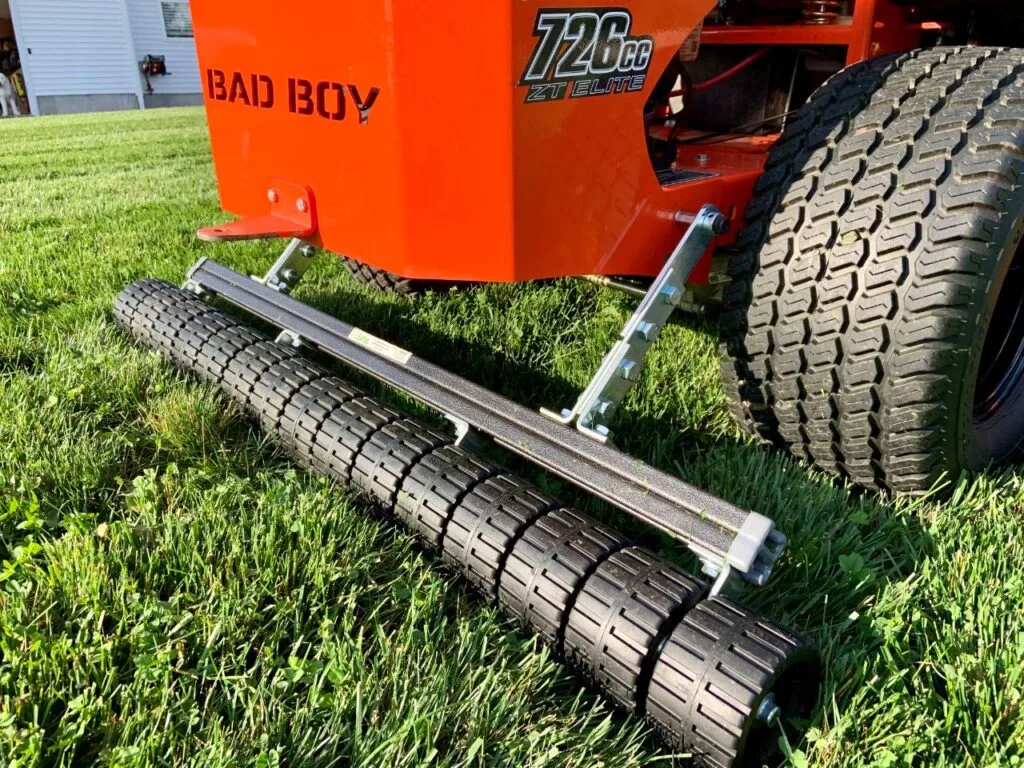
Image source: Bing (Web (fair-use with source credit))
Here’s a quick reference table to keep you on track:
| Step | Task | Key Detail |
|---|---|---|
| 1 | Sharpen blade | Do this before every striping session |
| 2 | Set height | 0.5 to 1.5 inches for Bermuda |
| 3 | Check moisture | Mow dry grass only |
| 4 | Start straight | Use a hard edge as your guide |
| 5 | Keep overlap | Half a tire width per pass |
| 6 | Alternate weekly | Change direction to build contrast |
Bermuda grows fast in the summer, so you’ll need to stay consistent. If you miss a week, stripes will look uneven. That’s normal.
The fix is simply getting back to regular mowing.
If stripes fade quickly, check your roller weight. Lighter rollers bend less grass, which means less contrast. You can also consider an overseeding with ryegrass in winter, which gives a cool-season look when Bermuda goes dormant.
For now, start with the basics and get your mowing rhythm down.
Choosing the Right Gear: Stripe Kits vs. Lawn Rollers vs. Just a Pattern
You have three ways to make stripes on Bermuda. A striping kit is the easiest add-on. A standalone lawn roller works, but it’s more work.
And just mowing a pattern without any gear costs nothing.
A striping kit is a weighted roller that bolts onto the back of your mower deck. It presses the grass down as you cut, creating crisp contrast. Kits range from $50 to $200, depending on width and roller weight.
| Option | How It Works | Best For |
|---|---|---|
| Striping kit | Attaches to deck, bends grass as you mow | Most homes with a rotary mower |
| Lawn roller | Separate tool, mow first then roll | Small yards, when you already own one |
| Just a pattern | Mow straight lines, alternate directions | Casual stripes, zero extra cost |
A lawn roller means an extra pass over the lawn. You mow first, then roll the grass flat. That’s time-consuming, and heavy rollers can compact soil when used too often.
Skip it unless you already have one.
Just a pattern without gear relies on the mower deck’s airflow to push grass down. Stripes will be subtle but real. If you’re new to this, start here and see if you like the look.
Common Mistakes That Ruin Bermuda Stripes (and How to Avoid Them)
The most common failure is scalping. Cutting below 0.5 inches slices into the stolons and leaves brown patches. Those patches take a week or more to recover.
Other mistakes to avoid:
- Mowing wet grass. Blades clump and bend unevenly, making stripes look messy.
- Dull mower blades. They tear the grass tips, leaving a brown haze over the whole lawn.
- Mowing too rarely. If you take off more than one-third of the blade length, stripes look patchy.
- Skipping the overlap. Gaps and double-cut lines ruin the pattern.
- Turning without lifting the deck. The mower drags and leaves ugly semi-circular marks.
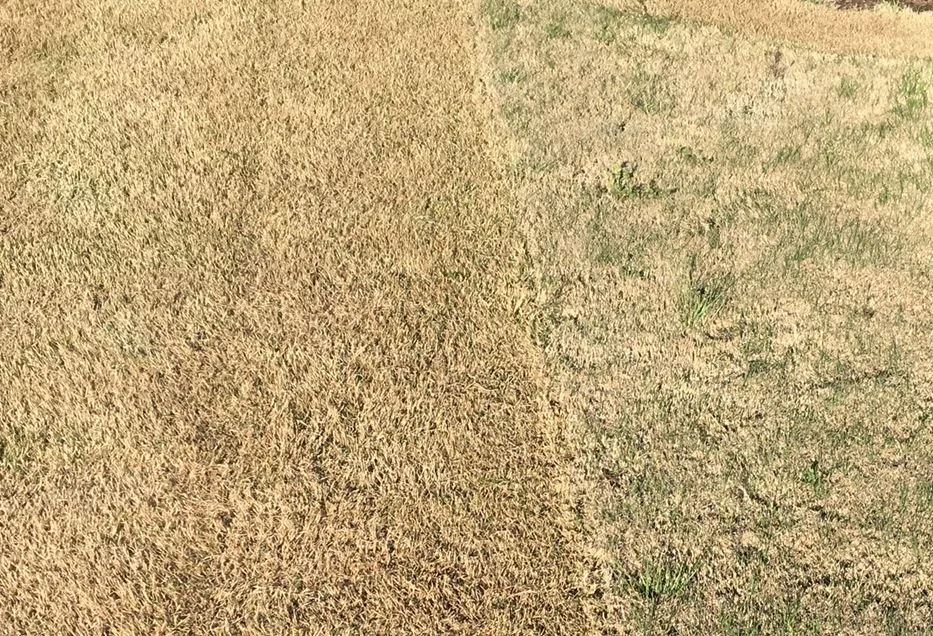
Image source: Web (Bing) / ncdrainage.com
Scotch a patch test if you’re unsure about your setup. Mow one straight line, then check the contrast. If it looks weak, sharpen the blade or add more roller weight.
The 24-Hour Test: Why Your Stripes Disappear and What to Do
Stripes look strongest right after you mow. Within 24 hours, Bermuda starts rebounding. Within two or three days, the pattern fades into a uniform green.
That’s normal. Bermuda is a fast-growing warm-season grass. When it’s actively growing, blades stand back up quickly.
The lighter and darker bands are only visible while the grass is bent.
You can extend the stripe life by mowing a bit lower. The shorter the grass, the longer it takes to spring back. Just don’t cut below 0.5 inches.
Also, mow more frequently in peak summer. Mowing every three to four days keeps the grass short and the pattern visible longer. If you wait a full week, the stripes may vanish completely before the next cut.
Overseeding Ryegrass for Winter Stripes: An Alternative Path
Bermuda grass goes dormant in the winter, turning brown and losing all stripe potential. To get stripes year-round, overseed with annual ryegrass in the fall.
Ryegrass grows taller and cooler-season, so it bounces back slower. That means stripes last longer. It also has a finer leaf blade, which catches light well.
You’ll need to seed when soil temperature drops to around 65 degrees Fahrenheit. Mow the Bermuda low first to give the ryegrass seed direct soil contact. Water lightly and consistently until germination.
The trade-off is extra spring work. Once warm weather returns, the ryegrass competes with your Bermuda unless you kill it off or mow it low. For a quick winter stripe fix, it’s a solid play.
You can also check how Bermuda looks in dormancy to decide if the extra step is worth it.
Costs, Data, and Realistic Expectations
Striping doesn’t need a big budget, but it does need time. Here’s a rough breakdown as of 2026.
| Item | Typical Price Range | Notes |
|---|---|---|
| Striping kit | $50 – $200 | Weighted roller, width varies |
| Basic reel mower | $200 – $500 | Good for small lawns |
| Powered reel mower | $800 – $2,000 | Best for large Bermuda lawns |
| Lawn roller | $60 – $150 | Manual, adds an extra pass |
Expect stripes to last 24 to 72 hours, depending on growth rate. You’ll mow every three to five days in summer. That’s about six to ten hours a season just for striping maintenance.
You can also consider aerating before a heavy striping season. A healthy root system helps the grass stand upright and bend uniformly. The timing matters, so check when to aerate Bermuda before you schedule it.
One more data point. According to the Texas A&M AgriLife Extension turfgrass program, Bermuda grass performs best with a mowing height between 0.5 and 1.5 inches, a range that aligns closely with what striping needs to work well. Stick inside that range and you’ll get the most out of your roller and your effort.
Pro Tips from Someone Who’s Done It
After going through lawn forums, mower owner groups, and turf manager feedback, a few habits keep showing up. The people with the best stripes don’t just mow often. They also mow slow.
Rushing a pass creates uneven bending and visible skips. A steady pace, around 3 mph on a riding mower, makes the pattern noticeably sharper.
Always alternate your direction weekly. Mow north-south one week, then east-west the next. This stops the grass from developing a permanent lean and keeps the stripes crisp.
It also reduces soil compaction from repeated passes.
Keep the roller and underdeck clean. Grass buildup on the roller creates uneven pressure, which shows up as patchy stripes. A quick scrape after every session keeps the contact surface smooth.
Dull blades cancel out the effort too, so sharpen often.
Aggregate reviews suggest a roller weight of 40 to 60 pounds works best for most home lawns. Heavier rollers bend more grass and create deeper contrast. But they also stress the mower deck and can leave ruts on soft soil.
If your lawn sits on sandy ground, Bermuda in sandy soil already has a harder time staying thick. Add stripe pressure and you’ll need to stay on top of watering.
Final Verdict: Should You Stripe Bermuda Grass?
Yes, and you don’t need a huge budget. If you already mow regularly, adding a stripe pattern costs almost nothing. The visual payoff is immediate.
Stripes make the lawn look manicured and intentional, even from a distance.
For golf-course-classic stripes, plan on a reel mower and a weighted roller. For a clean, professional look, a sharp rotary blade and consistent passes get you most of the way. Start with a simple pattern and a sharp blade.
See how the lawn responds. Then decide if a striping kit is worth the money.
| Setup | Stripe Quality | Cost | Best For |
|---|---|---|---|
| Pattern only | Subtle | $0 | Quick curb appeal |
| Rotary + striping kit | Visible | $50–$200 | Most homes |
| Reel mower + roller | Crisp | $200–$2,000 | Enthusiasts |
If you’ve got a healthy, dense lawn, go ahead and try it. You’ve got nothing to lose and a sharper-looking yard to gain.
Frequently Asked Questions
Why don’t my stripes last more than a day?
Bermuda grass grows fast and rebounds quickly. When it’s actively growing, blades stand back up within 24 hours. To keep stripes visible longer, mow lower and more frequently.
You can also overseed with ryegrass in the fall, which holds stripes better in cool weather.
What height should I mow Bermuda for stripes?
Set your mower between 0.5 and 1.5 inches. Lower heights give better light reflection and contrast. Don’t go below 0.5 inches, or you risk scalping and damaging the stolons.
Mow at 1 inch for a good balance of stripe quality and turf health.
Is a reel mower necessary for Bermuda stripes?
Not strictly, but it helps. Reel mowers cut cleanly with a scissor action, leaving tips flat and reflective. Rotary mowers tear the tips if blades are dull.
If you already have a rotary mower, use sharp blades and a striping kit for acceptable results.
Can I stripe Bermuda with a zero-turn mower?
Yes. Zero-turn mowers work well for striping because they’re wide and create straight, even passes. Add a weighted striping kit to the rear deck for better contrast.
The key is smooth, straight passes and lifting the deck on turns.
Does striping damage Bermuda grass?
No. Stripe patterns only bend the blades; they don’t harm the plant. As long as you keep the mowing height above 0.5 inches and use sharp blades, the grass stays healthy.
Mowing too low is the only real risk.