How long does it take for bermuda grass to grow – Proven Tip
If you’ve been staring at a bare patch of dirt wondering how long does it take for bermuda grass to grow, the honest answer is: it depends. From seed, you’ll see sprouts in 7 to 14 days. But a full, dense lawn takes 8 to 12 weeks.
From sod, you get instant green, though rooting takes 2 to 3 weeks. The real variable isn’t luck. It’s method and soil temperature.
Per USDA plant hardiness mapping, Bermuda grass (Cynodon dactylon) is a warm-season turf that refuses to germinate until soil temperatures sit at 65°F to 75°F at a 2 to 4 inch depth. That single number shapes every timeline in this article. As of 2026, it’s still the most reliable benchmark for planning a spring or summer seeding.
Let’s walk through exactly which variables control your timeline.
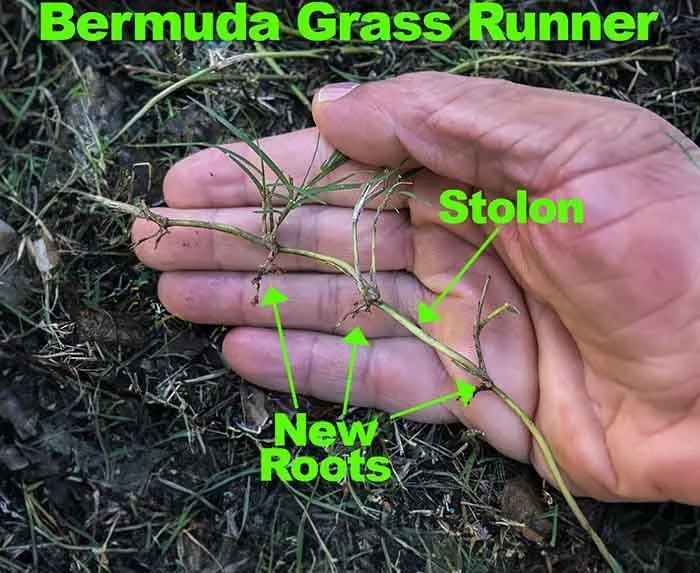
Image source: Bing (Web (fair-use with source credit))
Quick Answer: The Real Timeline at a Glance
How long does it take for Bermuda grass to grow? From seed, expect germination in 7 to 14 days. Full lawn coverage takes 8 to 12 weeks.
Sod gives instant green but needs 2 to 3 weeks to root. Sprigs and plugs fill in over 4 to 8 weeks. Warmer soil means faster growth, so start when the ground hits 65°F.
What Actually Determines How Fast Bermuda Grass Grows
Three main factors control your timeline. Soil temperature matters most. Your planting method and climate zone come next.
Miss one, and your 14-day germination can drag into a month of frustration.
Soil Temperature: The #1 Predictor
Bermuda grass is a warm-season grass, which means it operates on a strict thermal clock. Below 65°F, the seed stays dormant, just sitting in the dirt waiting. Above 75°F, germination speeds up, but the young seedlings demand far more water to stay alive.
Here’s the if/then logic that decides everything:
- If soil is below 65°F: seed lies dormant, no growth happens.
- If soil sits at 65°F to 70°F: germination begins, expect sprouts in 10 to 14 days.
- If soil hits 70°F to 75°F: germination speeds up, expect sprouts in 7 to 10 days.
- If soil climbs above 80°F: growth is fast, but daily watering becomes critical to prevent seedling death.
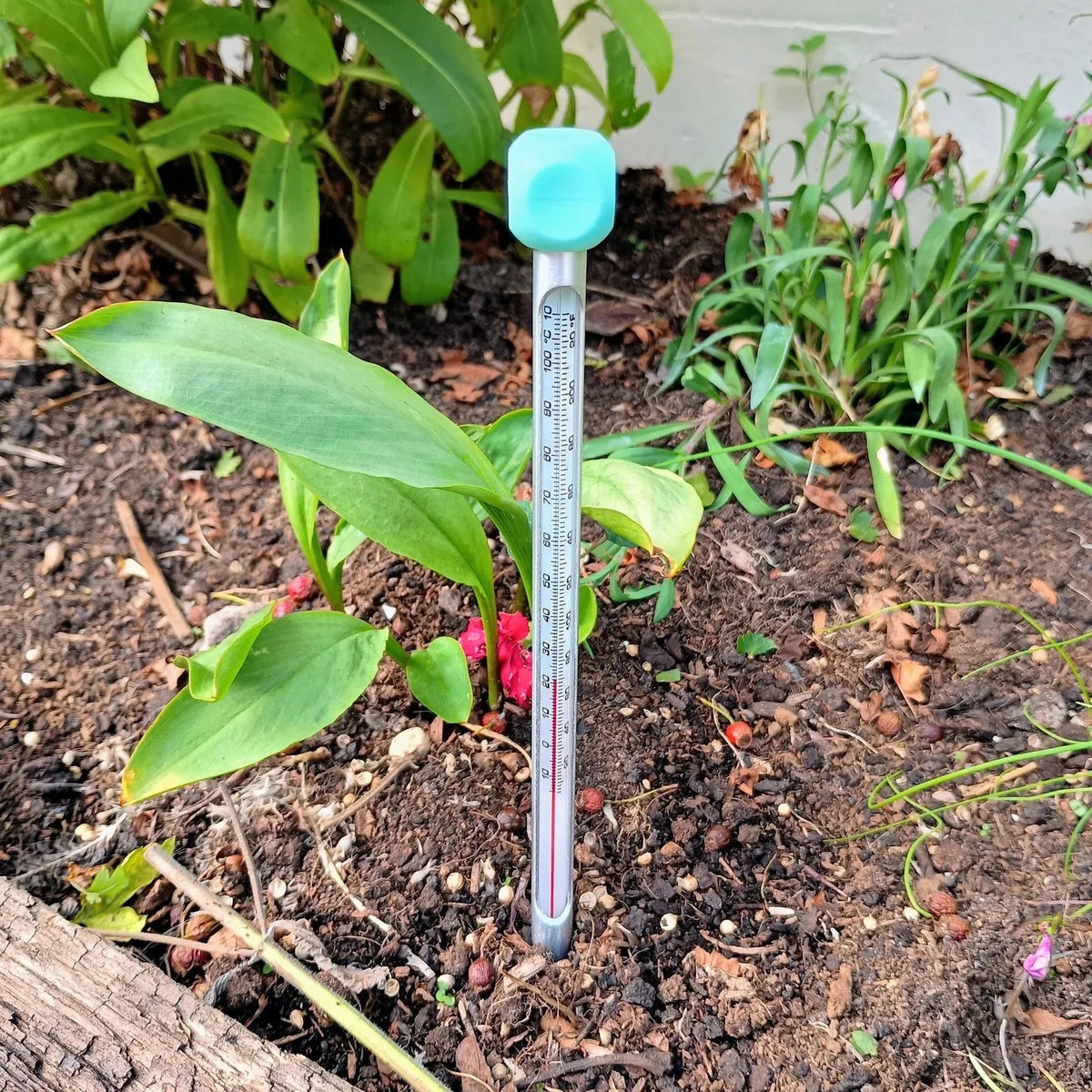
Image source: Web (Bing) / seedsireland.ie (Web image (fair-use with source credit))
Measure your soil temperature at 2 to 4 inches deep, not just the surface. A simple probe thermometer works fine. Check in the morning and evening to find your daily average.
That average, not the afternoon spike, decides how fast your seed moves.
Your Planting Method: Seed, Sod, Sprigs, or Plugs
Your method sets the baseline timeline. Seed is the slowest to establish but the most affordable. Sod looks perfect immediately but costs more and still needs time to root.
Sprigs and plugs are the middle ground, but they require serious patience before looking like a lawn.
Each method grows on its own schedule:
- Seeded Bermuda: full coverage in 8 to 12 weeks.
- Bermuda sod: rooted in 2 to 3 weeks after installation.
- Sprigs: fill in over 4 to 8 weeks, sometimes longer.
- Plugs: cover a lawn in 6 to 10 weeks depending on spacing.
Your Climate and Growing Zone
Bermuda thrives in USDA plant hardiness zones 7 through 10. That’s the Southeast, Gulf Coast, and Southwest. If you live in the transition zone, zones 5 and 6, your window gets narrower and winter damage becomes a real risk.
Think of it this way: a homeowner in Atlanta has a much longer growing season than one in Kentucky. The Kentucky lawn might only get 4 solid months of warm soil. The Atlanta lawn can push 6 to 7 months of active growth.
That gap directly affects whether your seed reaches full coverage in 8 weeks or needs the whole summer. If you’re in the Upper South, check specific regional planting windows before you break ground.
The 3 Timelines You Need to Know
Everyone wants a single number. But Bermuda grass has three different timelines, one for each planting method. Here’s how they break down.
Bermuda Seed: 7 to 14 Days to Germinate, 8 to 12 Weeks to Full Coverage
Seed gives you the cheapest lawn per square foot. It also makes you wait the longest. After sowing, you’ll see tiny pale-green shoots in about 7 to 14 days, assuming soil temperatures are right.
But seeing sprouts isn’t the same as having a lawn. Those new seedlings need weeks to tiller, spread, and thicken up. Under ideal conditions, expect solid coverage by week 12.
If you plant in marginal soil or forget to water for a single afternoon, tack on another 2 to 3 weeks.
Bermuda Sod: Instant Lawn, 2 to 3 Weeks to Root Down
Sod is the fastest route to a green lawn. The grass arrives mature, cut into strips, and laid over prepared soil. It looks finished the day you install it.
But it’s not actually attached yet. The roots need 2 to 3 weeks to knit into the soil below. Until then, treat it gently.
Avoid heavy foot traffic and keep the soil consistently moist. Dry sod will shrink at the seams, and the edges will curl up within days.
Sprigs and Plugs: 4 to 8 Weeks (or More) to Fill In
Sprigs are small pieces of stems and runners planted in shallow furrows. Plugs are 2 to 4 inch squares of established grass spaced across the yard. Both let you propagate a hybrid Bermuda variety that doesn’t produce viable seed.
But both take patience. With proper spacing, watering, and fertilizer, expect a filled-in lawn in 4 to 8 weeks. Wider spacing or cooler weather pushes that timeline longer.
Here’s a quick comparison table for a typical 1,000 square foot yard:
| Method | First Visible Growth | Full Coverage | Cost | Best For |
|---|---|---|---|---|
| Seed | 7 to 14 days | 8 to 12 weeks | Low | Budget lawns, large areas |
| Sod | Instant | 2 to 3 weeks to root | High | Instant results, repairs |
| Sprigs | 2 to 3 weeks | 4 to 8 weeks | Medium | Hybrid varieties |
| Plugs | 1 to 2 weeks | 6 to 10 weeks | Medium | Small yards, patching |
Decision Guide: How Long Will YOUR Bermuda Take?
Now let’s turn this into a simple decision tree. Answer each question in order, and you’ll land on your realistic timeline.
Are You Planting in Full Sun?
Bermuda grass demands full sun. That means 6 to 8 hours of direct sunlight each day. If you have shade from trees, buildings, or fences, Bermuda will thin out and grow slower.
If your yard gets dappled shade all afternoon, consider a different turf type entirely. In shade, your establishment time doubles, if the grass survives at all.
What’s Your Soil Temperature Right Now?
This is the single most important check before you plant. Grab a soil thermometer and take a reading. If it’s below 65°F, don’t plant yet.
Wait a few weeks and test again. If it’s between 65°F and 75°F, you’re in the sweet spot. Go ahead and plant, knowing germination will take 7 to 14 days.
Which Planting Method Fits Your Budget and Patience?
Be honest about your situation. If you need a lawn for a homeowner’s association deadline in 3 weeks, seed won’t cut it. Buy sod.
If you’re working with a tight budget and can wait all summer, seed is your answer. If you want a specific hybrid like Tifway and don’t mind a slower start, sprigs or plugs make more sense.
When Is It Too Late in the Season to Even Try?
Bermuda needs time to establish before the first frost. New seedlings have shallow roots and no stored energy. A hard freeze will kill young grass outright.
In most of the South, stop seeding by late summer, around August or early September. That gives the grass 6 to 8 weeks to mature before cold weather arrives.
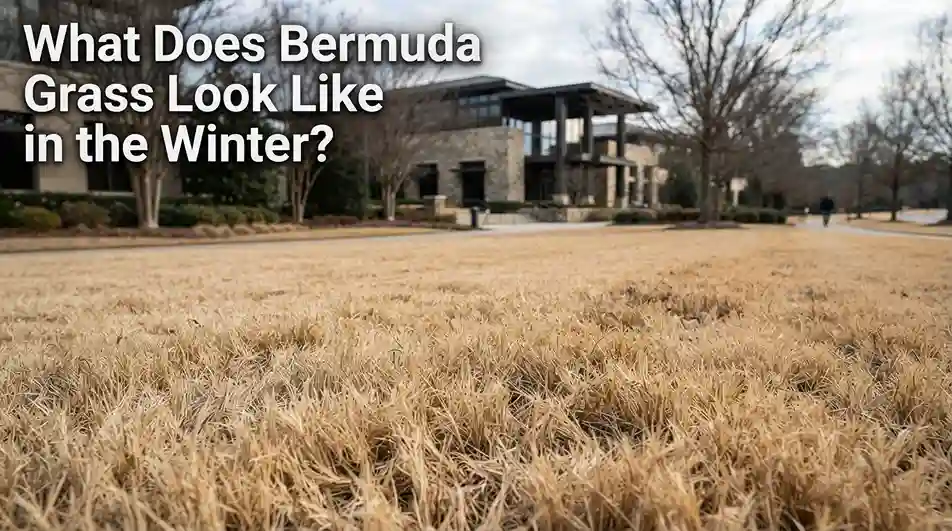
If you’re pushing the season, remember that established Bermuda goes dormant in winter. That cold-weather appearance is normal. But a newly seeded lawn in December is a waste of money.
Week-by-Week: What to Expect When Growing from Seed
If you’re growing from seed, here’s your realistic roadmap. This assumes you’ve prepped the soil, raked it smooth, and laid down seed at 1 to 2 pounds per 1,000 square feet.
Week 1: Seeding, Watering, and Watching
You’ve sown the seed. Now the watering game begins. The top 1 inch of soil must stay constantly moist.
That means light watering 2 to 3 times a day, sometimes more. If the seed dries out, it dies. At this stage, you’re not deep watering.
You’re misting the surface so the seed never loses contact with moisture.
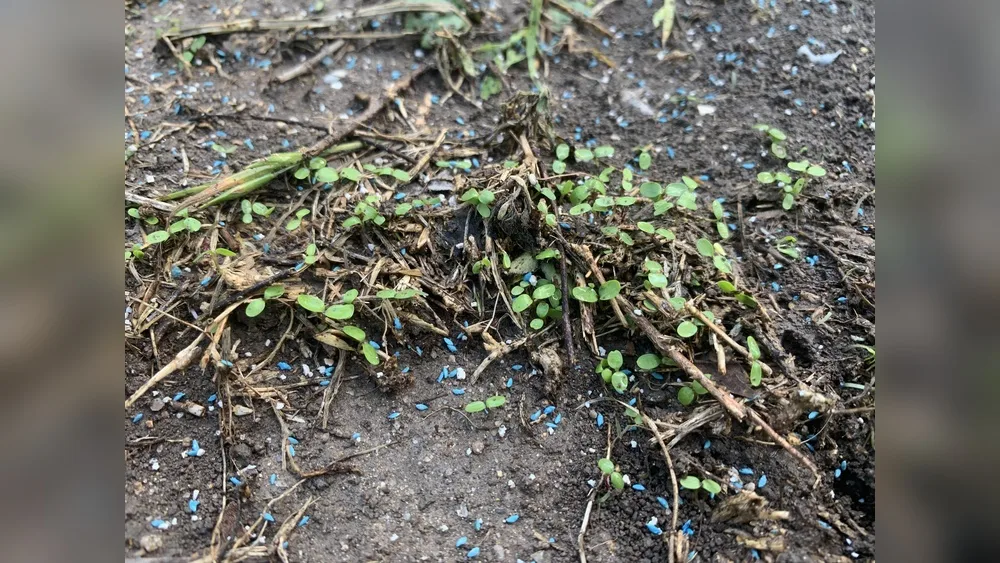
Image source: Web (Bing) / lawnrom.com (Web image (fair-use with source credit))
Week 2-3: Germination and First Shoots
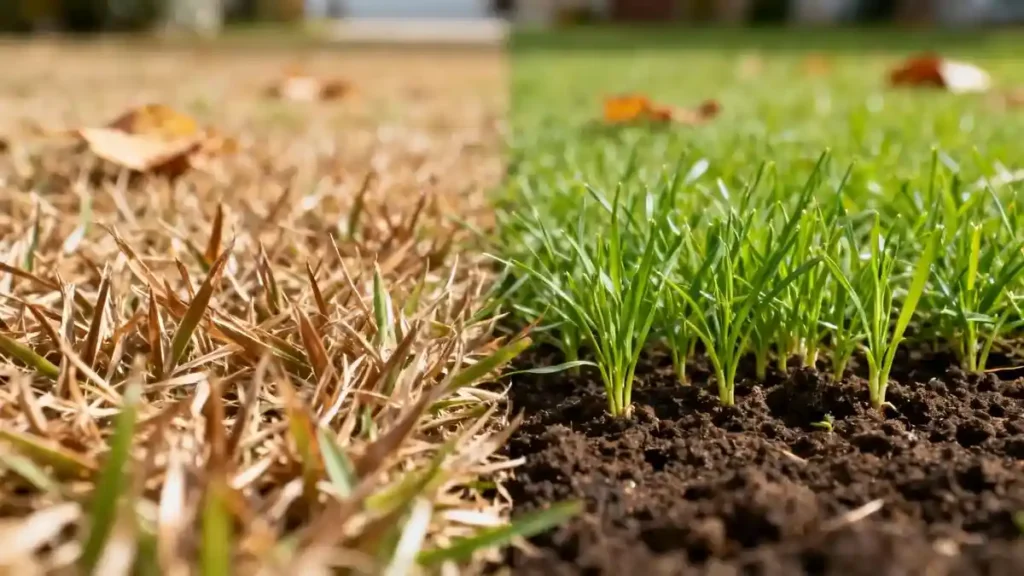
Tiny shoots appear now, assuming soil temps are above 65°F. They look like thin blades of pale grass. Keep up the light watering schedule, but gradually reduce frequency.
You want the soil to stay moist, not soggy. Too much water promotes fungal disease. Too little dries out shallow roots.
Week 4-6: First Mowing and Fertilizing
When the grass hits about 2 inches tall, it’s ready for its first mow. Set your mower blade at 1.5 to 2 inches. Never cut off more than one-third of the blade at once.
This is also the time for a starter nitrogen fertilizer. That application gives the young Bermuda the fuel to start sending out runners.
Week 8-12: Lawn Coverage Goals
By week 8, you should see the grass filling in significantly. Stolons are spreading across the surface. By week 12, most healthy lawns are nearly full.
If you still have bare patches, it’s time to troubleshoot. Check for compaction, poor soil, or missed watering. From here, ongoing care becomes your focus: deeper watering, less frequent mowing, and a balanced fertilizer schedule to keep the lawn dense and green.
How to Speed Up the Process Without Cutting Corners
You can’t trick Bermuda grass into growing faster than its genetics allow. But you can stop slowing it down. The right preparation shaves weeks off your timeline.
Start with soil pH. Bermuda prefers 6.0 to 7.5. Test your soil before planting.
If it’s too acidic, lime raises it. That one step prevents nutrient lockout, where fertilizer exists but roots can’t absorb it.
Prep That Pays Off Immediately
Rake and till the top 2 to 3 inches of soil. Break up clods and remove debris. Then roll the surface firm.
Loose, fluffy soil lets seed sink too deep, and deep seed rarely emerges.
Good seed-to-soil contact is non-negotiable. Rake the seed in lightly after broadcasting. You want each seed sitting against moist soil, not buried.
Irrigation Schedules That Actually Work
The first 14 days decide your outcome. Keep the top inch of soil moist at all times. That means watering 2 to 3 times daily, sometimes 4 in hot weather.
After germination, taper down. By week 4, switch to deep, infrequent watering to force roots downward.
When and How to Use a Starter Fertilizer
Apply a starter fertilizer high in phosphorus right after seeding. Phosphorus drives root development. Use about 1 pound of nitrogen per 1,000 square feet.
Skip high-nitrogen formulas early. They push leaf growth before roots are ready to support it.
Common Mistakes That Stretch the Timeline
Most slow-growing Bermuda lawns aren’t cursed. They’re victims of one or two fixable errors. Here are the ones that cost you weeks.
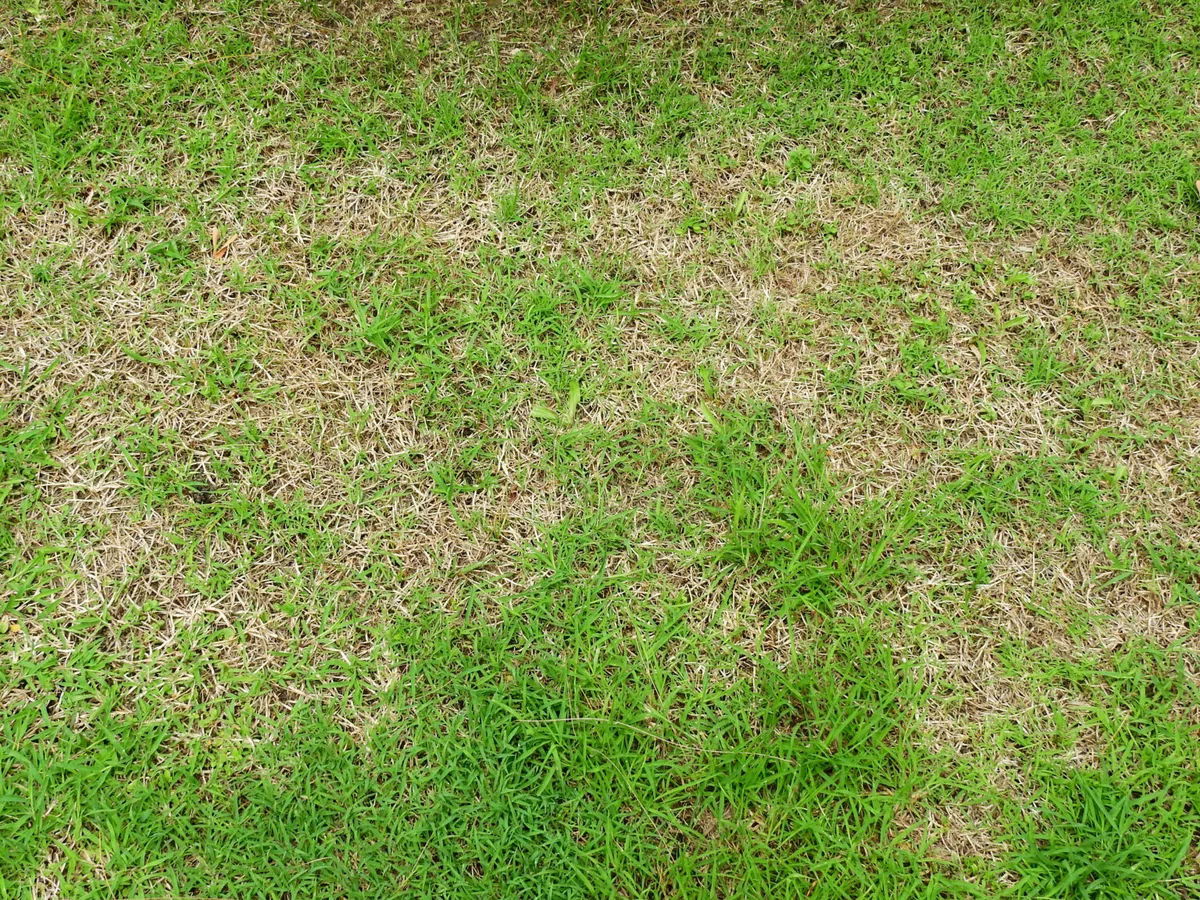
Image source: Web (Bing) / rynolawncare.com (Web image (fair-use with source credit))
Planting Too Early in Cold Soil
Eager spring planters pay the price. If soil sits below 65°F, seed just waits. It might even rot in wet, cold ground.
Weeds love this window, so by the time soil warms, you’re fighting crabgrass instead of growing turf.
Follow a local growing calendar for your area before you sow. Timing is everything with warm-season grass.
Letting the Seed Dry Out
One missed watering is all it takes. Newly sown seed dies within hours of drying out. The small root hairs can’t recover.
Set reminders, rig a timer, or stick to a strict daily schedule for the first two weeks.
Mowing Too Low, Too Soon
New Bermuda needs leaf surface to build roots. Mow at 1.5 to 2 inches minimum. Cutting shorter stresses seedlings and stalls runner production.
Never remove more than a third of the blade height per mow.
Fighting Weeds on a Fresh Lawn
Skip pre-emergent herbicides on newly seeded lawns. They stop weed seeds, but they also stop Bermuda seed. Wait until the grass is established, usually after the third mow, before applying any weed control.
Troubleshooting: What If Your Bermuda Is Growing Slow?
If your Bermuda looks stalled after 4 weeks, run through this checklist. Each answer narrows the problem.
- Is the soil still above 65°F? A cold snap can pause growth entirely. Wait for warmth to return.
- Is the top inch staying moist? Dig down an inch. If it’s bone dry, you’re under-watering.
- Are the seeds too deep? Seed buried more than a quarter inch struggles. It may have germinated and died before reaching light.
- Is the area shaded? Less than 6 hours of sun stunts Bermuda dramatically.
- Is thatch building up? Mature grass with heavy thatch can’t spread. Dethatch in late spring.
For established lawns that grow slowly despite warm soil, check your fertilizer. A balanced nitrogen application in late spring fuels runner growth. But too much phosphorus can lock out other nutrients.
If you’ve ruled out all of these and your grass still lags, look at your overall turf maintenance routine. Compaction, low mowing, and irregular watering all compound into a thin, patchy yard.
Real Scenarios: How Different Yards Play Out
Timelines are easier to grasp when you see them on real properties. Here are three common situations.
The New Build in the Texas Heat
A bare yard in San Antonio seeded in mid-May. Soil temps hit 80°F. Sprouts appeared in 9 days.
By week 6, the lawn was 70 percent covered. Full coverage came at week 11 with aggressive watering and biweekly fertilization. Heat accelerated growth, but water demand tripled.
The Transition Zone Lawn That Barely Made It
A homeowner in Fayetteville, Arkansas planted seed in early May. Soil sat at 60°F, just below the threshold. Sprouts took 16 days.
A cold front dropped temps again, stalling growth. Final coverage took 14 weeks, nearly double the ideal timeline.
That matches data from the USDA plant hardiness mapping, which shows transition zones have shorter warm windows for warm-season grasses.
The Sod Yard That Greened Up Overnight
A commercial property in Atlanta laid sod in June. The lawn looked finished immediately. Roots locked in by week 2.5.
With a steady watering schedule, it was fully rooted under week 3. The lesson: sod removes the wait, but the rooting window still demands daily water.
Frequently Asked Questions
Can I just scatter Bermuda grass seed on top of the dirt?
Technically yes, but it won’t grow well. Seed needs soil contact to stay moist and germinate. Raking it in lightly improves germination rates dramatically.
Broadcasting on hard-packed soil wastes most of your seed.
What is the fastest way to grow Bermuda grass?
Sod is the fastest by far. You get an instant green lawn that roots in 2 to 3 weeks. Seed takes 8 to 12 weeks for full coverage.
If speed matters more than budget, lay sod.
Why is my Bermuda grass growing in patches?
Patchy growth usually means poor seed distribution or uneven watering. Bare spots also appear where soil was too loose or too compact. Overseed thin areas in spring and fix the underlying soil issue first.
How often should I water new Bermuda grass?
Water 2 to 3 times daily for the first two weeks. The top inch of soil must stay moist. After germination, cut back to alternate-day watering.
By week 4, switch to deep, infrequent watering.
Final Verdict: What Should You Do This Season?
Here’s the bottom line. If you need an instant lawn, buy sod. It roots in 2 to 3 weeks and looks finished the day it’s laid.
If you have patience and a budget, seed at 1 to 2 pounds per 1,000 square feet works just fine. Just remember it needs 8 to 12 weeks of warm soil.
Before you plant anything, check the soil temperature. Wait until it holds at 65°F at 2 to 4 inches deep. Anything cooler means wasted seed.
Then commit to a strict watering schedule for the first 14 days. That single habit separates successful lawns from patchy disasters.
If you’re planting late in the season, weigh the risk. New seedlings won’t survive a hard frost. In transition zones, that means seeding no later than early September.
Southern lawns get a bit more wiggle room, but not much.
Our research points to one consistent truth: Bermuda grass rewards patience and punishes shortcuts. Prep the soil properly, water relentlessly, mow high, and your timeline will match the numbers in this article. Rush it, and you’ll be reseeding next spring.
The choice is yours.