Managing a vibrant lawn requires a clear understanding of how climate variations influence plant biology. Over my fifteen years as a horticulturist and turf specialist, I have managed sports fields and residential lawns across multiple climate zones. I have learned that turf success depends entirely on tracking local temperature shifts rather than looking at the calendar.
Bermuda grass (Cynodon dactylon) is a highly resilient, sun-loving perennial. However, it is deeply sensitive to thermal thresholds. If you understand these specific temperature windows, you can easily avoid costly mistakes like premature seeding, wasted fertilizer applications, and poorly timed weed treatments.
Quick Answer
Bermuda grass grows best when daytime air temperatures consistently range between 80°F and 95°F (27°C to 35°C), accompanied by soil temperatures above 65°F (18°C). The grass enters its most active growth phase within this specific window. Growth slows drastically when air temperatures drop below 60°F (16°C), and the lawn enters full winter dormancy once soil temperatures drop below 55°F (13°C).
Understanding Warm-Season Grass and Temperature Limits
Bermuda grass is classified as a warm-season turfgrass. This means it utilizes a C4 photosynthetic pathway, which is highly efficient at processing intense sunlight and heat but poorly adapted to cold climates. Unlike cool-season grasses like Kentucky bluegrass or tall fescue, Bermuda grass requires high ambient and ground heat to drive cellular division, stolon extension, and rhizome development.
The Difference Between Air and Soil Temperature
Many homeowners make the mistake of looking only at the daily weather forecast when planning lawn care tasks. In my experience, soil temperature is a far more reliable metric for tracking plant development than air temperature. Air temperatures can fluctuate wildly over a forty-eight-hour period, whereas soil retains thermal mass and changes slowly.
To give you a clear roadmap of how this grass responds to shifting conditions, I have outlined the core temperature benchmarks below. The following table highlights the exact relationship between ambient air heat, ground temperatures, and the resulting biological response of the grass.
| Growth Phase | Air Temperature Range | Soil Temperature Range |
| Germination | 75°F to 90°F | 65°F to 70°F |
| Active Growth | 80°F to 95°F | 68°F to 85°F |
| Sluggish Growth | 60°F to 75°F | 56°F to 64°F |
| Winter Dormancy | Below 50°F | Below 55°F |
This breakdown illustrates that your lawn cannot sustain true, deep green growth without adequate ground heat. When you monitor both metrics, you can easily predict exactly when your lawn will wake up in the spring and when it will go to sleep in the autumn.
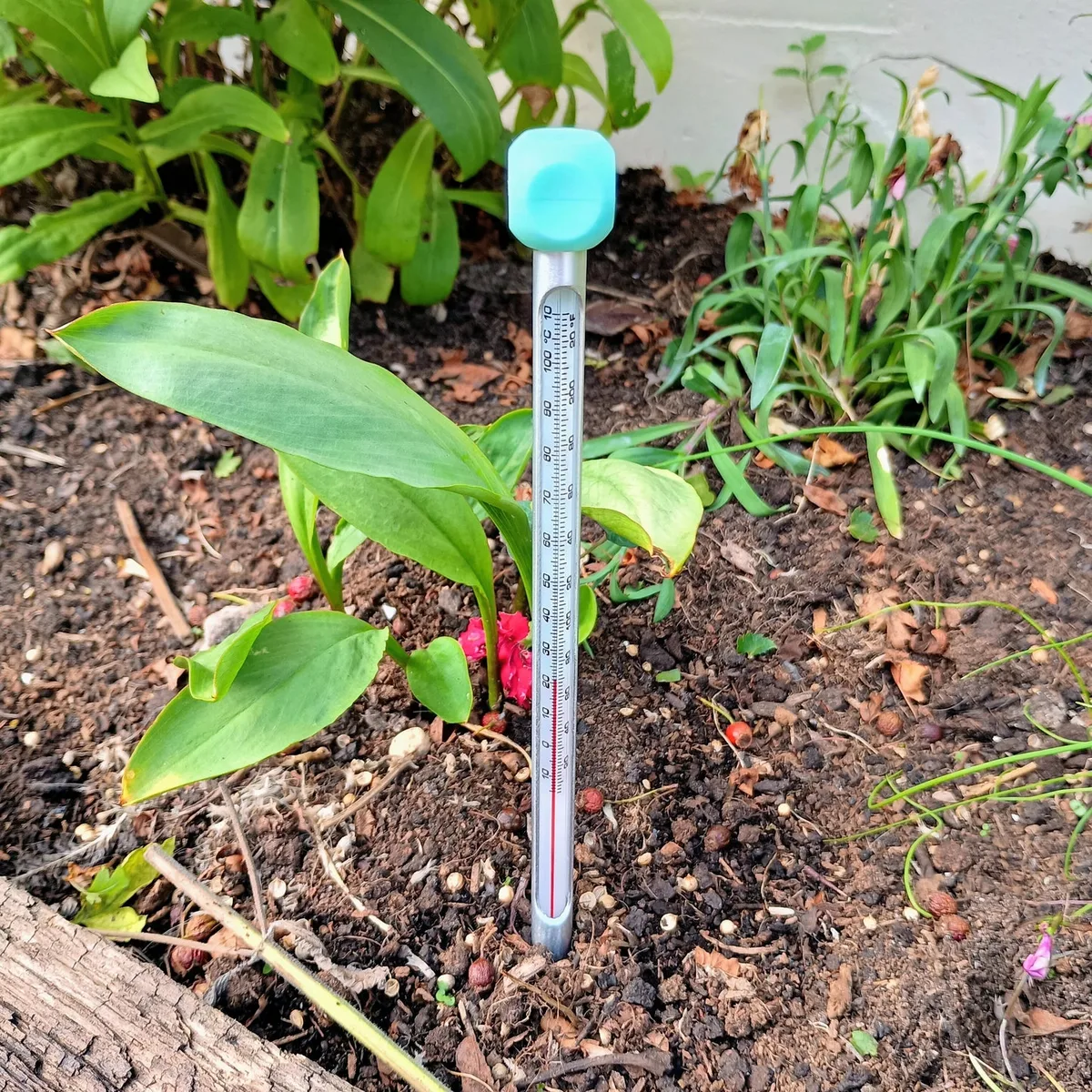
🌱 Beginner Note: Soil temperatures are measured at a depth of two to four inches using a dedicated mechanical or digital soil thermometer. Always take your readings in the morning before the afternoon sun artificially warms the top inch of the dirt profile.
Grass Type Temperature Thresholds Compared
To truly understand where Bermuda grass fits into the residential landscape, it helps to compare it against other common warm-season alternatives. Every turf species has evolved slightly different survival strategies for dealing with heat stress and cold entry.
During my time consulting on transition-zone lawns, I frequently evaluated these specific characteristics to help homeowners choose the right grass for their microclimate. The table below compares the optimal growing ranges and dormancy triggers for the four most popular warm-season turf options.
| Grass Species | Optimal Growth Range | Dormancy Trigger (Soil Temp) |
| Bermuda Grass | 80°F to 95°F | 55°F and below |
| Zoysia Grass | 75°F to 90°F | 55°F and below |
| St. Augustine | 80°F to 90°F | 58°F and below |
| Centipede Grass | 70°F to 85°F | 60°F and below |
This comparison shows that Bermuda grass thrives in higher peak temperatures than its peers. However, it also maintains a relatively sharp dormancy threshold, entering a protective, straw-colored sleep state as soon as autumn ground temperatures drop below the 55°F mark.
Step-by-Step Bermuda Grass Care by Temperature
Managing a healthy Bermuda lawn requires adapting your maintenance routine to the natural life cycle of the grass. By matching your cultural practices to specific temperature ranges, you can support the lawn’s natural growth habits throughout the year.
Spring Awakening and Germination Timing
When spring arrives, do not rush to apply heavy nitrogen fertilizer or spread seed the moment the snow melts. Bermuda grass seed requires a steady soil temperature of at least 65°F to trigger germination. If you plant seed in cold, wet spring soil, it will rot long before it sprouts.
I recommend waiting until daytime air temperatures consistently hit the high 70s or low 80s. At this point, you can safely remove winter debris and perform a shallow scalp to allow sunlight to hit the dirt layer, warming the root zone faster.
Summer Peak Acceleration Phase
Once summer temperatures climb into the 80s and 90s, Bermuda grass enters its peak performance phase. During this window, the plant rapidly pushes out horizontal above-ground stems called stolons and underground stems called rhizomes.
This aggressive growth allows the lawn to recover quickly from heavy foot traffic and fill in bare patches. During this period, you should maintain a consistent mowing schedule, taking off no more than one-third of the grass blade height at a time to prevent shocking the crown.
Fall Hardening and Acclimation
As day lengths shorten and daytime air temperatures drop into the 70s, the metabolism of the grass begins to slow down. The plant stops focusing on upward foliage growth and begins shifting its remaining carbohydrate reserves down into the root system.
During this transition phase, you must stop applying quick-release nitrogen fertilizers. Adding nitrogen late in the season forces tender new leaf growth that will easily freeze and perish during the first hard winter frost, leaving the root system vulnerable to winter injury.
Winter Dormancy and Protective Measures
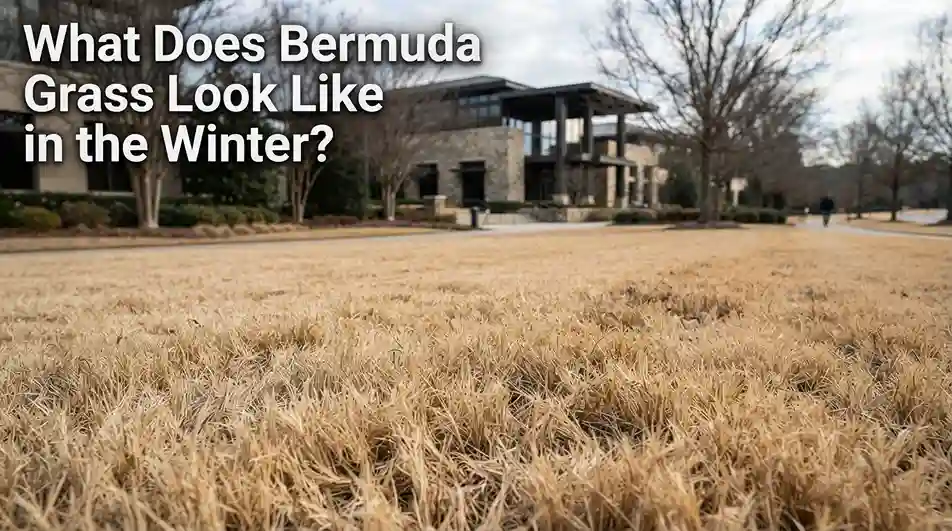
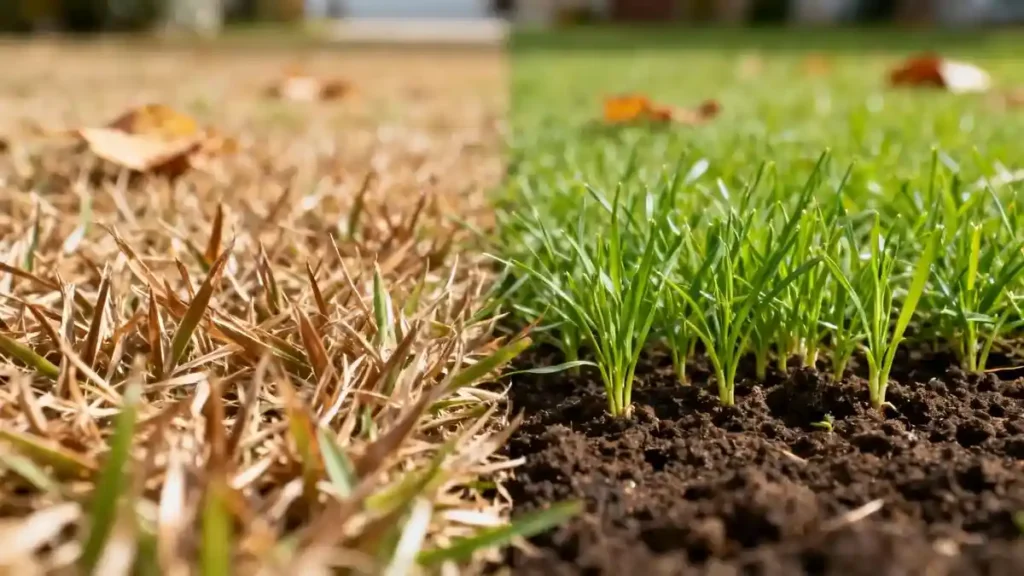
When soil temperatures drop below 55°F, chlorophyll production stops completely. The lawn loses its green color and turns a light tan shade. This is a completely natural defense mechanism designed to protect the plant from freezing temperatures.
Your primary goal during winter dormancy is protection. Minimize heavy vehicle or foot traffic on frozen turf, as this can physically fracture the dormant crowns and permanently kill sections of the lawn.
💡 Pro Tip: If you want to maintain a green winter lawn, you can overseed your dormant Bermuda grass with perennial ryegrass in the autumn when soil temperatures drop to around 65°F. However, keep in mind that this winter crop will compete with your Bermuda grass for moisture and nutrients during the spring transition phase.
High-Efficiency Fertilizing Schedules Driven by Soil Heat
Applying fertilizer based on calendar dates rather than ground heat is one of the most common causes of nutrient runoff and root damage. Bermuda grass cannot efficiently absorb macro-nutrients through its root system when the surrounding soil is cold and inactive.
Throughout my career, I have used a strict temperature-based feeding program to ensure maximum nutrient uptake and minimal environmental waste. The table below outlines the ideal fertilizer ratios and strategic goals based on current ground temperature readings.
| Soil Temperature Range | Recommended NPK Ratio | Primary Goal |
| 65°F to 70°F (Spring) | 15-0-15 or 21-0-0 | Stimulate early root development and green-up. |
| 75°F to 85°F (Summer) | 4-1-2 or 16-4-8 | Maintain vigorous growth and deep color under summer heat. |
| 68°F and dropping (Fall) | 0-0-20 or 5-0-20 | Build carbohydrate reserves and strengthen root cell walls. |
This schedule ensures that nitrogen is only applied when the plant is actively growing and capable of processing the nutrient. High-potassium applications in the autumn prepare the root architecture for freezing temperatures without triggering unwanted, frost-susceptible leaf flushes.
Precision Weed Control Based on Thermal Benchmarks
Effective weed management relies heavily on understanding temperature thresholds. Lawn weeds are divided into two main categories: summer annuals (like crabgrass) and winter annuals (like Poa annua). Both groups sprout at very specific soil temperatures.
To block summer annual weeds, you must apply a pre-emergent herbicide in the spring just before soil temperatures reach 55°F for three consecutive days. If you wait until the air feels warm and comfortable, the crabgrass seeds will have already sprouted, rendering the pre-emergent barrier useless.
Conversely, to prevent winter weeds, you should apply your autumn pre-emergent application when soil temperatures drop to 70°F and are actively falling toward the 65°F mark.
🔧 Quick Fix: If you missed your spring pre-emergent window and crabgrass has already emerged in your warm-season turf, do not panic. Wait for a day when daytime air temperatures are between 75°F and 85°F to apply a selective post-emergent herbicide containing quinclorac, which targets crabgrass without harming your Bermuda grass.
Seasonal Care Milestones and Temperature Triggers
To maintain a healthy lawn year-round, it helps to organize your core maintenance tasks around key temperature shifts. This approach ensures you are working with the plant’s natural growth cycle rather than against it.
The following seasonal checklist details the exact temperature indicators you should look for before performing major mechanical or chemical lawn operations.
| Core Season | Target Temperature Marker | Critical Task |
| Early Spring | Air reaches 65°F consistently | Perform a clean-up rake and remove dead winter thatch. |
| Late Spring | Soil hits 65°F and rises | Core aerate compacted clay soils and apply spring fertilizer. |
| Mid-Summer | Air hits 85°F to 95°F | Increase irrigation depth to one inch per week to prevent drought stress. |
| Late Autumn | Soil drops to 55°F | Stop all mowing operations and apply final winterizer treatments. |
By aligning your maintenance schedule with these markers, you can ensure that your lawn has the necessary resources exactly when it needs them most. This method also prevents you from causing accidental structural damage during periods of weather stress.
My Lawn Before and After: A Real-World Spring Freeze Trial
A few seasons ago, while managing a large residential property in USDA Zone 7b, I experienced firsthand how unpredictable spring weather can disrupt turf development. In early April, we experienced a sustained warm spell where daytime air temperatures soared into the mid-80s for nearly two weeks. The topsoil rapidly warmed to 64°F, causing the Bermuda grass to break dormancy early and push out tender, bright green leaf blades.
Right after this growth flush, a severe late-season cold front dropped nighttime temperatures down to 24°F for three consecutive nights. The exposed green foliage immediately suffered severe frost damage, turning black and then a bleached white color within forty-eight hours. The property looked devastated, and the homeowner was concerned the entire lawn had died.
[Early Warm Spell: Soil reaches 64°F]
└──> Lawn breaks dormancy early (Tender green leaf growth)
[Sudden Late Freeze: Air drops to 24°F]
└──> Green foliage suffers frost damage (Turns black/bleached white)
[Corrective Action: Delayed inputs + Monitored ground heat]
└──> Soil stabilizes above 65°F -> Deep rhizomes push healthy new growth
Instead of applying fertilizer to force recovery—a mistake that would have further stressed the damaged roots—I decided to wait. I monitored the ground heat until the soil temperature stabilized above 65°F in mid-May. Because the underlying rhizome and root structure remained healthy and insulated beneath the dirt line, the grass naturally pushed through the dead layer once consistent heat returned.
Within three weeks of warm weather, the damaged lawn recovered completely, showing no long-term bare spots. This experience reinforced a core lesson: never panic during a late freeze, as the deep root system of this grass is remarkably resilient if you give it time to recover naturally.
Common Temperature-Related Lawn Problems and Fixes
Extreme weather conditions can create unique maintenance challenges for warm-season lawns. High heat combined with low moisture can cause drought stress, while extended periods of cool, wet weather can invite fungal diseases.
The table below lists the most common temperature-driven problems you might encounter, along with their root causes and practical solutions.
| Observed Symptom | Thermal Cause | Corrective Strategy |
| Blue-Gray Foliage / Footprints Remain | Extreme heat combined with low moisture. | Transition to deep, infrequent watering cycles early in the morning. |
| Slow Spring Green-Up | Extended cool spring weather with soil below 60°F. | Delay nitrogen application and maximize sunlight exposure by removing tree shade. |
| Spring Dead Spot (Fungal Circular Patches) | Cold winter damage on roots stressed by late fall nitrogen. | Aerate compacted spots in summer and avoid late-autumn feeding. |
Identifying these symptoms early allows you to make adjustments before minor weather stress turns into a widespread lawn care issue.
⚠️ Warning: Never scalp your lawn down to the dirt layer too early in the spring when frost risks remain. Exposing the bare crown of the plant to freezing night temperatures without a protective layer of old thatch can cause permanent winterkill across large patches of your turf.
Maintenance Tools You Actually Need for Thermal Tracking
To manage a lawn using this temperature-focused approach, you need to move beyond standard lawn tools. While high-quality mowers and line trimmers are essential for keeping the grass neat, tracking local conditions requires a few specialized testing instruments.
The table below details the essential monitoring tools I carry in my truck every day to accurately track lawn development throughout the seasons.
| Recommended Tool | Primary Purpose | Practical Value |
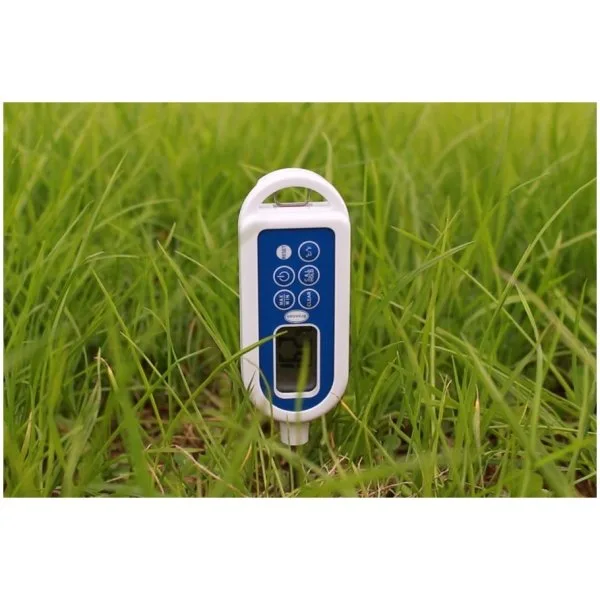
| Digital Soil Thermometer | Measures accurate internal ground heat levels. | Pinpoints the exact day to apply pre-emergent barriers and seeds. |
| Core Soil Sampler Probe | Extracts a clean twelve-inch dirt profile. | Checks root health depth and evaluates moisture levels below the surface. |
| Reel Mower | Provides a clean, scissor-like scissor cut. | Allows you to maintain low cutting heights during peak summer growth. |
Using these tools removes the guesswork from your lawn care routine. Instead of guessing whether the ground is warm enough for seed or fertilizer, you can take an accurate reading and proceed with confidence.
Frequently Asked Questions
Q: Will Bermuda grass grow at 60 degrees Fahrenheit?
A: At an air temperature of 60°F (16°C), the growth rate drops significantly. While the plant remains technically alive, leaf extension stops almost completely. The grass will simply maintain its current state until temperatures climb back up into the 70s.
Q: What temperature kills Bermuda grass?
A: The grass handles high heat exceptionally well, surviving temperatures well over 100°F (38°C) if it has adequate water. However, severe cold is its main vulnerability. Sustained soil temperatures below 20°F (-7°C) can freeze the root architecture and cause permanent winterkill across the lawn.
Q: Can I plant Bermuda grass seed in June or July?
A: Mid-summer is actually an ideal time to plant seed, provided you can keep the top inch of soil consistently moist. The high ambient heat during June and July triggers rapid germination, often showing green shoots within seven to ten days of planting.
Q: Why is my Bermuda lawn turning yellow in October?
A: Your lawn is beginning its natural transition into winter dormancy. As autumn daytime temperatures drop below 65°F, the plant gradually stops producing chlorophyll and shifts its nutrient reserves down into its roots, causing the top growth to turn yellow and then tan.
Q: How does shade affect Bermuda grass growth temperatures?
A: This grass requires full, direct sun and has zero shade tolerance. Shaded areas stay cooler throughout the day, preventing the soil from reaching the 65°F threshold required for active growth. This leaves the grass weak, thin, and prone to weed invasions.
Q: Can you apply weed killer when it is over 90 degrees Fahrenheit outside?
A: You should avoid applying post-emergent liquid herbicides when air temperatures exceed 90°F (32°C). Using chemical treatments in extreme heat can easily scorch the grass blades and cause severe chemical stress across the entire lawn.
Final Verdict on Bermuda Grass Temperature Management
Achieving a healthy, resilient Bermuda lawn requires working in harmony with the plant’s natural temperature requirements. By tracking your local air and soil temperatures rather than relying on standard calendar dates, you can make informed decisions about seeding, fertilizing, and weed control. Keep your entry tools calibrated, monitor your ground heat closely in the spring and autumn, and let your lawn thrive naturally during the peak summer months.