How to Get Rid of Bahia Grass in Bermuda Lawn: Proven Steps
Bahia grass has a way of showing up right where you don’t want it, smack in the middle of an otherwise clean Bermuda lawn. If you’ve typed how to get rid of bahia grass in bermuda lawn, you already know this isn’t a simple weed-pulling job. Bahia laughs at the mower, shrugs off heat, and comes back from a taproot that digs deeper than your patience.
In our research, the most important variable is whether your Bermuda is actively growing. University extension guides and herbicide labels agree: selective sprays only work safely above 65°F with green, growing Bermuda. Spray when the lawn is dormant and you’ll likely kill it, so let’s walk through the decision process step by step.
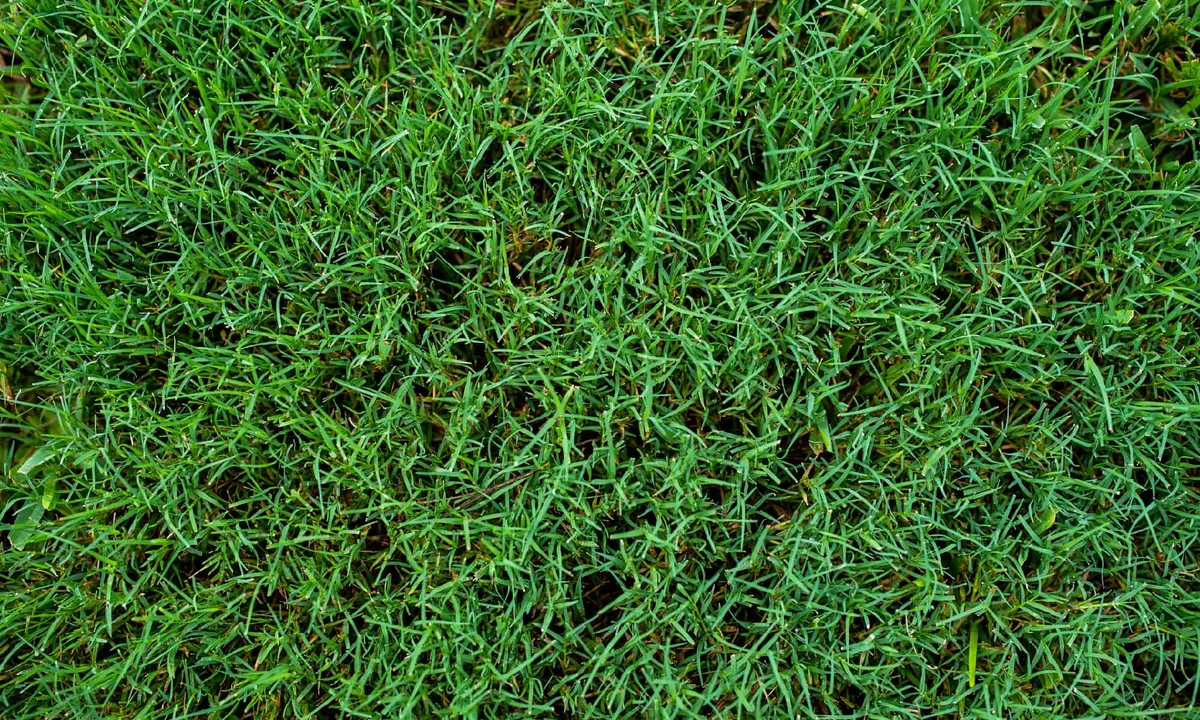
Image source: Web (Bing) / grasscure.com
What Bahia Grass in Your Bermuda Lawn Really Means
Bahia grass is a tough, coarse-bladed warm-season perennial that goes by the scientific name Paspalum notatum. It thrives in poor, sandy soil and full sun, which is why it’s everywhere across the Southeast. The problem?
It looks nothing like fine-textured Bermuda grass (Cynodon dactylon), and one clump stands out like a bad toupee on a smooth scalp.
Bahia also produces tall, unsightly seedheads that shoot up after every mow. Those seedheads are V-shaped and carry hundreds of viable seeds. One ignored clump can turn into a lawn-wide scattering in a season or two.
What you’re looking for:
- Broader, coarser leaf blades than Bermuda
- A lighter, yellow-green color that clashes with your lawn
- A thick, woody crown at soil level
- A V-shaped seedhead that appears a few days after mowing
A thick, well-kept lawn is your best defense, and proper Bermuda care starts with the basics. If the turf is dense enough, Bahia seeds have nowhere to germinate. But once the weed establishes, it’s a different story.
Quick Answer: The Right Fix Depends on Three Things
To get rid of bahia grass in bermuda lawn, spray metsulfuron-methyl. Only spray when the Bermuda is actively growing. Dig small clumps if you’d rather skip chemicals.
Use a pre-emergent in late winter. You will likely need more than one pass.
The method you choose depends on three quick checks. Here’s how each one changes your plan.
Is Your Bermuda Actively Growing?
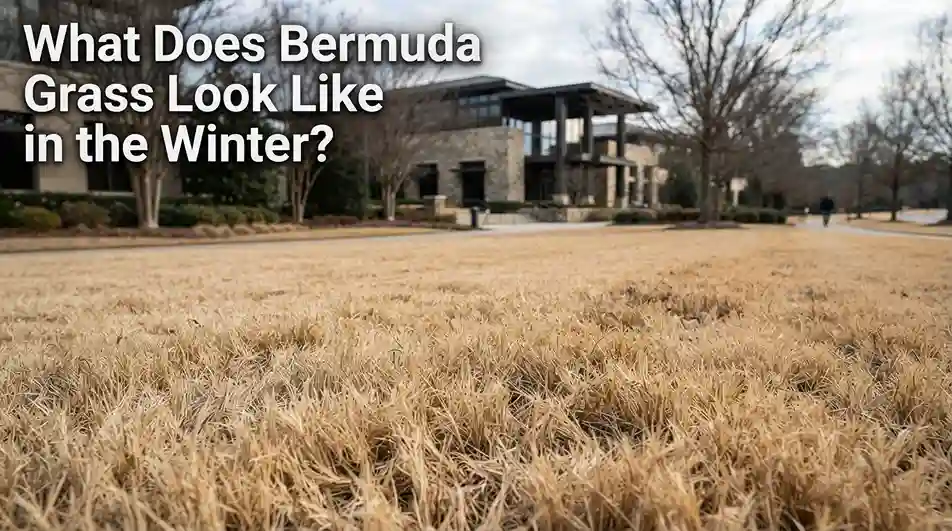
It should be, or you need to wait. If the lawn is still tan or straw-colored, it’s dormant. The brown winter lawn is a sign to pause, not to reach for the sprayer.
Check soil temperature at a 2-inch depth and wait until it’s above 65°F.
Is It a Few Clumps or a Full Invasion?
A dozen isolated clumps are a spot treatment problem. Spot spray or dig them out and move on. If Bahia covers more than a third of the lawn, stop wasting time on individual plants.
That’s a renovation project, not a touch-up.
Have Seedheads Already Formed?
If you can see them, expect a longer fight. Bahia seedheads drop viable seeds into the soil, so even a perfect herbicide pass won’t prevent new plants next spring. You’ll need to add a pre-emergent to your routine for the next season or two.
Why Bahia Is So Hard to Kill (And Why Bermuda Makes It Trickier)
Here’s the difference that drives everyone crazy. Bahia has a deep taproot, sometimes two to three feet long. That root stores energy and lets the plant regrow even after you’ve ripped the top off.
You can pull the leaves, but the plant just pushes out new ones.
The photo below shows a classic Bahia taproot after a failed digging attempt. See the thick white core? That’s why mowing and pulling don’t work.
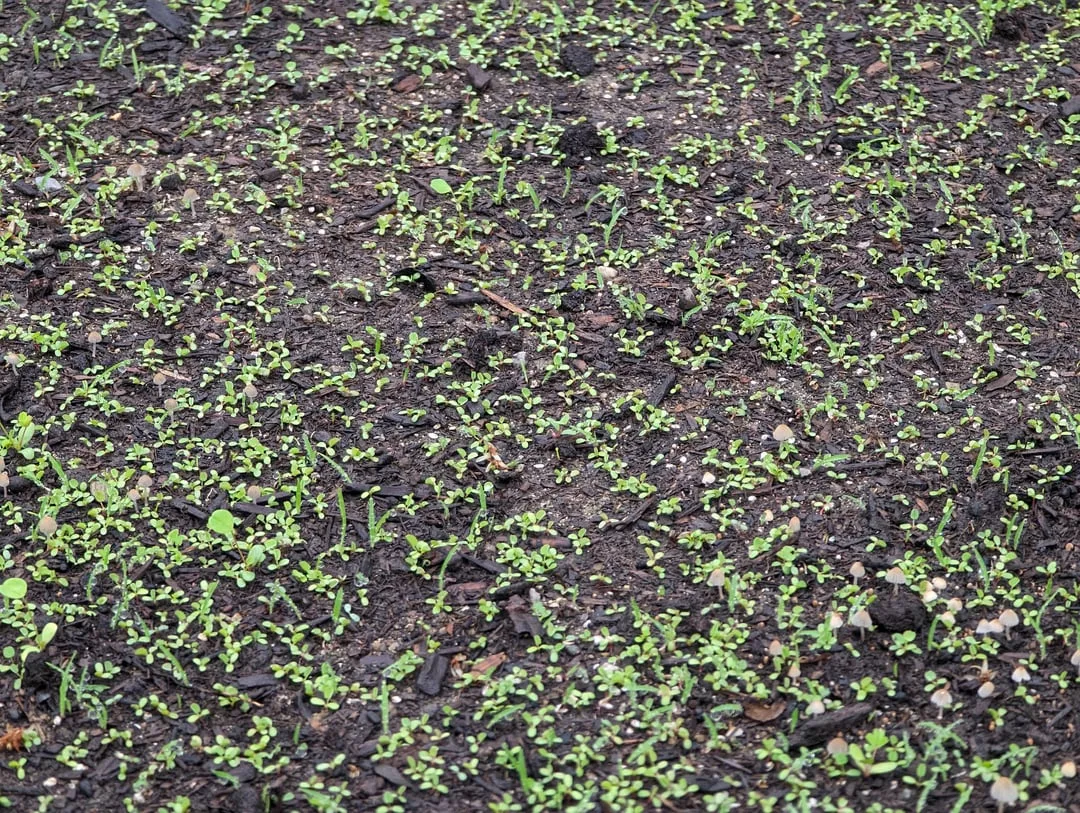
Image source: Web (Bing) / reddit.com
Both Bahia and Bermuda are warm-season grasses, so a typical broadleaf weed killer won’t touch Bahia. Bahia is a grass, so it needs grass-specific chemistry. That’s where the risk jumps.
Use too much, and you’ll damage the Bermuda you’re trying to save.
As of 2026, metsulfuron-methyl remains the standard selective option for Bahia in Bermuda. Chlorsulfuron is another active ingredient in some products, but it’s riskier and usually reserved for specific situations. Both are systemic, meaning they must move through the plant’s vascular system down to that taproot.
University of Florida IFAS Extension research confirms that proper timing matters more than product choice.
A dense, aggressively growing Bermuda lawn is your best long-term defense. That means routine mowing, deep watering, and a spring feeding schedule that keeps the turf thick and competitive.
The Decision Tree: Choose Your Control Method
Instead of one universal method, think in branches. Here’s the decision tree people actually use.
| Situation | Best Control Method | Why |
|---|---|---|
| Bermuda is green; you see fewer than a dozen clumps | Spot spray with metsulfuron-methyl | Selective chemistry travels to the taproot without nuking your lawn |
| Bermuda is green; the clumps are large and mature | Dig out after spot spraying | Big crowns hold more energy, so pull the crown and roots too |
| Bahia covers more than a third of the lawn | Full renovation | Too many plants to treat individually, and the seed bank is already full |
| Bermuda is dormant and brown | Wait, or use a shielded wiper with glyphosate | Dormant Bermuda can absorb non-selective spray through its crowns |
Spot Treat with a Selective Herbicide Like Metsulfuron
Best for small infestations in an active lawn. You’ll mix a very small amount of metsulfuron-methyl in one gallon of water and spray only the Bahia clumps. The chemical moves through the leaves and stems into the taproot.
Expect to wait 7 to 14 days before you see significant yellowing.
Dig Out Stubborn or Mature Clumps
Best for a handful of plants or situations where you want zero chemical exposure near gardens and planters. Use a sharp shovel and dig out a circle at least six inches from the base. Lift the whole crown and taproot in one piece.
If the root snaps, you’ll be back in a few weeks.
Use a Wick Applicator to Avoid Spray Drift
Best for Bahia growing next to shrubs, flower beds, or vegetable gardens. A wiper lets you rub herbicide directly onto the Bahia leaves. Nothing sprays, so nothing drifts.
This is especially handy with glyphosate when you need to kill a patch without touching nearby Bermuda.
Full Renovation for Severe, Lawn-Wide Infestations
Best for lawns that are more Bahia than Bermuda. Spray the whole area with glyphosate, wait two weeks, irrigate to encourage regrowth, spray again, then remove the dead vegetation. After that, you can replug or re-sod Bermuda.
This route takes a full season, but it’s the only clean reset. Once you’ve rebuilt the lawn, add an annual aeration routine to help the new roots establish.
Step-by-Step: Spraying Bahia Without Wrecking Your Bermuda
Now the method that fixes most backyard Bahia problems. This isn’t complicated, but it does demand patience and attention to detail. In our research, the people who fail are the ones who spray too early, mix too heavy, or skip the follow-up pass.
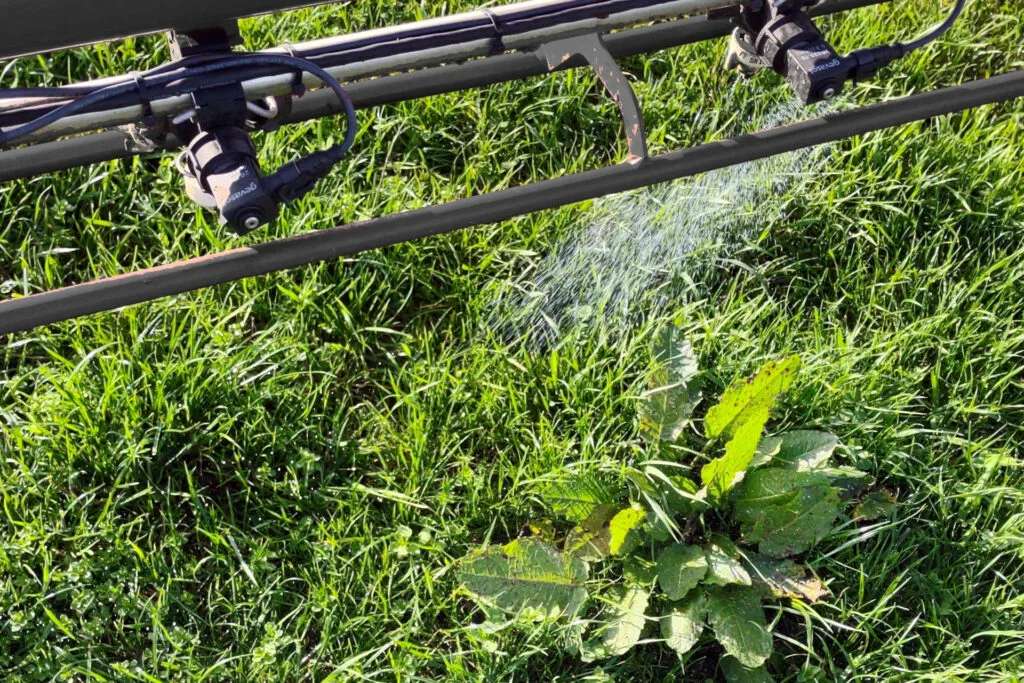
Image source: Bing (Web (fair-use with source credit))
Timing, Soil Temperature, and Weather Prep
Start with the lawn’s growth cycle. If the Bermuda is still tan or straw-colored, stop. You need active green growth and soil temperatures above 65°F at a depth of two inches.
You can check with a cheap soil thermometer from any garden center.
Wait for a calm day with no rain in the forecast for at least four hours. Wind above five miles per hour can carry spray onto desirable plants. Morning hours often work best because dew has dried and the air is still.
Mixing the Right Herbicide Rate
Read the label as if it’s a legal document, because it is. Metsulfuron-methyl rates for spot treatment are tiny, often 0.03 to 0.06 ounces per gallon. Weigh it if you can, because a liquid measuring cup won’t register such a small amount.
Add a non-ionic surfactant at the label rate to help the product stick.
Don’t guess. A heavier mix doesn’t kill Bahia faster. It just damages the Bermuda around it.
Applying, Waiting, and Re-Spotting
Follow these steps in order:
- Mow the Bermuda a bit lower than usual one or two days before spraying. That exposes the Bahia and gives the spray a clear target.
- Spray each Bahia clump until the leaves are wet but not dripping. Don’t soak the soil.
- Mark the spots you’ve treated so you can monitor them later.
- Wait 7 to 14 days. You’ll see yellowing, twisting, or stunted growth. That’s the systemic herbicide doing its job.
- Re-spray any green regrowth. Most Bahia plants need two to three applications across the season.
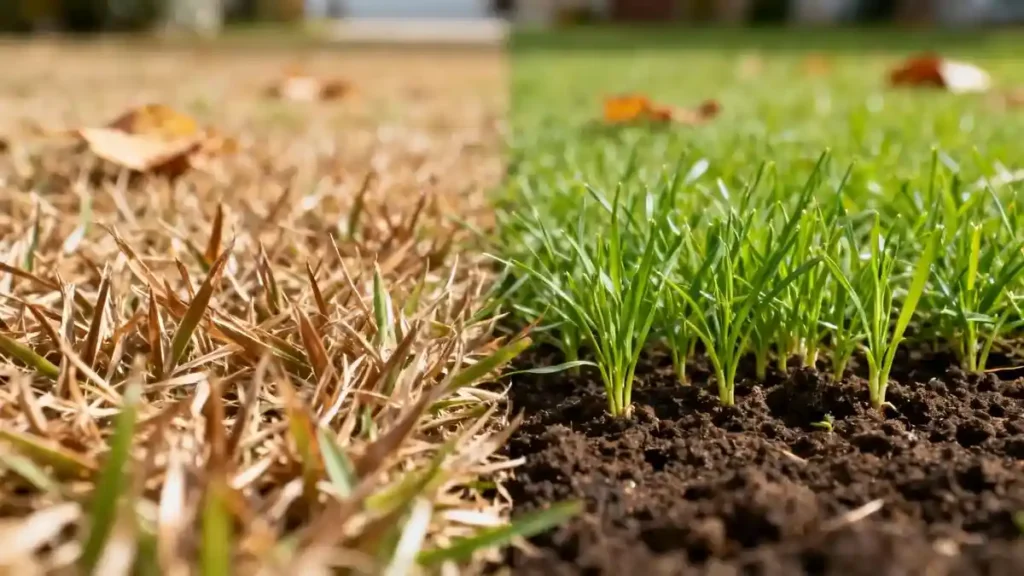
Bermuda that gets the full sun needs recovers faster after herbicide stress. So keep your mowing height up, water deeply but rarely, and let the lawn grow thick in between treatments.
Step-by-Step: Digging Out Bahia Clumps the Right Way
Digging works best when you’re dealing with fewer than a dozen plants. It’s also the go-to option when Bahia is growing near flower beds, vegetable gardens, or irrigation heads where you don’t want any chemical drift.
Water the area deeply the night before you dig. Wet soil holds the root ball together and makes the taproot easier to pull whole. You’ll need a sharp shovel, a hand trowel, and about ten minutes per mature clump.
Here’s how to do it:
- Insert the shovel straight down in a circle about six inches out from the base.
- Pry the entire clump up in one motion. Don’t just yank the leaves.
- Shake off loose soil and inspect the crown. If any white root tissue remains, pull it out with a trowel.
- Fill the hole with native soil and firm it down.
- Replant the spot with a small Bermuda plug or leave it for the surrounding lawn to fill in.
This works well because the Bermuda around the hole recovers quickly when it’s actively growing. If you’re repairing bare spots afterward, routine upkeep keeps the turf thick and helps it close over fast.
Preventing Bahia from Coming Back with Pre-Emergents
A pre-emergent herbicide stops new Bahia seedlings from breaking the soil surface. It won’t touch the existing clumps you’ve sprayed or dug. But without it, the seed bank left behind will germinate for years.
Prodiamine and dithiopyr are the two most common active ingredients in homeowner granular products. Apply them in late winter, right before soil temperatures at a two-inch depth reach 60°F. That timing usually lines up with the first green flush of Bermuda in early spring.
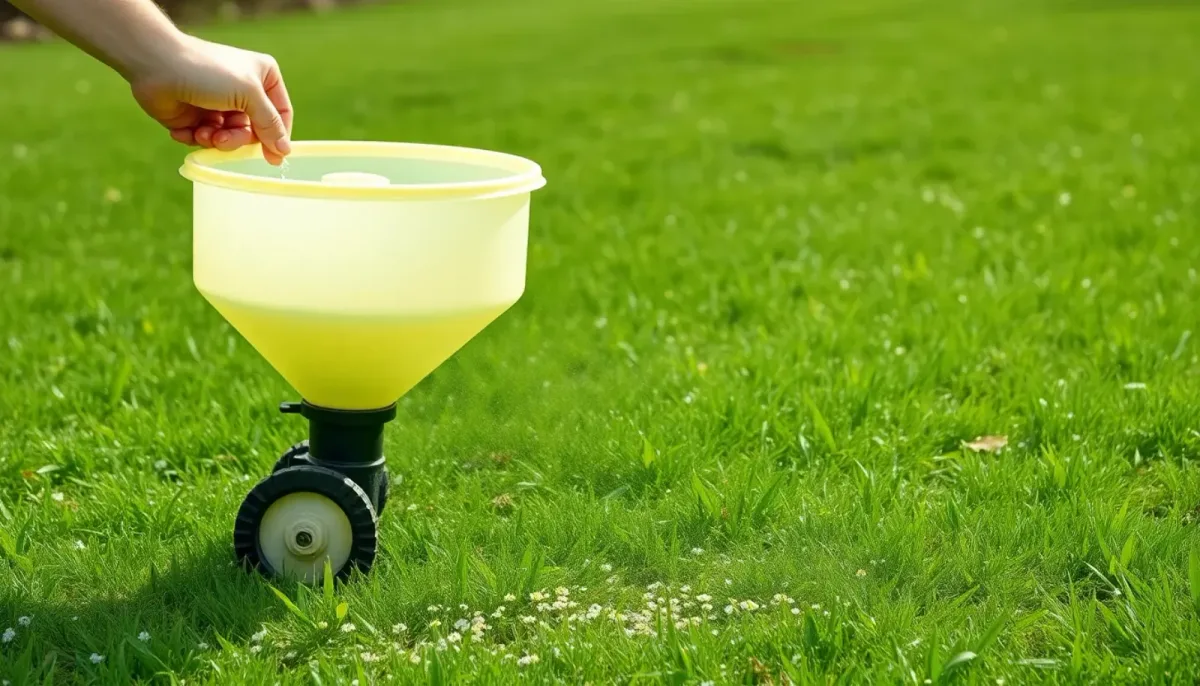
Image source: Web (Bing) / lawncareguides.com
Water the product in lightly after application, about half an inch of irrigation. A second application eight to ten weeks later extends the barrier through the summer seedheads. Texas A&M AgriLife Extension research notes that a thick, healthy turf is still your best long-term defense, so keep your Bermuda fed and growing.
Regular fertilization also helps the lawn outcompete new weeds before they establish.
Common Mistakes That Kill Bermuda While Chasing Bahia
The biggest mistake is spraying a dormant lawn. Bermuda that’s brown and not growing can’t metabolize the herbicide. The chemical sits on the grass and eventually damages the crowns.
Wait until the lawn is fully green and hitting its stride.
Mixing the rate too heavy is a close second. Metsulfuron doses for Bahia are measured in fractions of an ounce. A heavy hand doesn’t speed things up, it just scorches the Bermuda around the weed.
Use a scale and follow the label exactly.
Other avoidable errors:
- Spraying on windy days without checking wind speed
- Using glyphosate without a shield near good turf
- Mowing too short after treatment, which strips the herbicide off the leaves
- Skipping the second application because the first one showed damage
- Digging only the top of the clump and leaving the taproot behind
Also a common one in winter: a tan Bermuda lawn is full of dormant crowns. Spraying glyphosate on it in winter kills the lawn, not the Bahia. That’s why you should know what dormant Bermuda looks like before you reach for any sprayer.
How Long It Takes and What Progress Should Look Like
Spot spraying with metsulfuron isn’t an overnight fix. You’ll see yellowing around the edges of the Bahia leaves in 7 to 14 days. Full browning and collapse can take three to four weeks.
Don’t assume it failed just because the plant still looks green at the two-week mark.
Digging gives instant removal. But if you missed part of the taproot, new shoots can appear in two to three weeks. That’s normal, and a quick trowel job usually solves it.
Here’s a realistic season timeline:
| Timeframe | What you should see |
|---|---|
| 7–14 days after spray | Yellowing, distorted new growth on Bahia |
| 3–4 weeks after spray | Brown, dying foliage; crown weakens |
| 6–8 weeks after spray | Second flush of green from any surviving roots |
| Full season | Repeat spot spraying 2–3 times, plus pre-emergent in late winter |
Patience is the whole game. The taproot system stores more energy than the plant needs at once, which is why regrowth is so common. Each application chips away at that energy reserve until the plant gives up.
Final Decision Guide: What to Do Based on Your Lawn
Here’s the whole strategy boiled down to one table. Find your situation, and follow the path.
| Your lawn right now | What to do |
|---|---|
| Green, actively growing, few clumps | Spot spray with metsulfuron-methyl |
| Green, actively growing, many mature clumps | Spray first, then dig survivors after dieback |
| Fully dormant and tan | Wait to spray; use time to plan next season |
| More Bahia than Bermuda across the whole yard | Full renovation with glyphosate, then re-sod |
| Bahia near garden beds or shrubs | Use a wick applicator or dig out carefully |
Whatever your path, don’t fall into the trap of “one spray and done.” Bahia is a survivor. A single seedhead can repopulate a yard in a year. The homeowners who win this battle treat it as a season-long project, not a weekend errand.
Stick with the process. Stay on top of the pre-emergent timing, keep the Bermuda healthy, and you’ll see a lawn that looks like it’s all one texture again.