Will Bermuda Grass Grow in Shade? My Lawn Care Tips
Will Bermuda grass grow in shade? Yes, but not well, and the truth is it probably won’t look like the lawn next door. Bermuda is a full-sun grass.
It thrives on 6 to 8 hours of direct light a day, and it punishes you quickly when it doesn’t get it.
As of 2026, that light requirement hasn’t budged. Turf researchers still put most common Bermuda varieties’ minimum shade threshold at around 4 to 5 hours of direct sun daily, and even hybrid types struggle below that. So before you drop money on sod or seed, you need to know exactly what your yard is really getting.
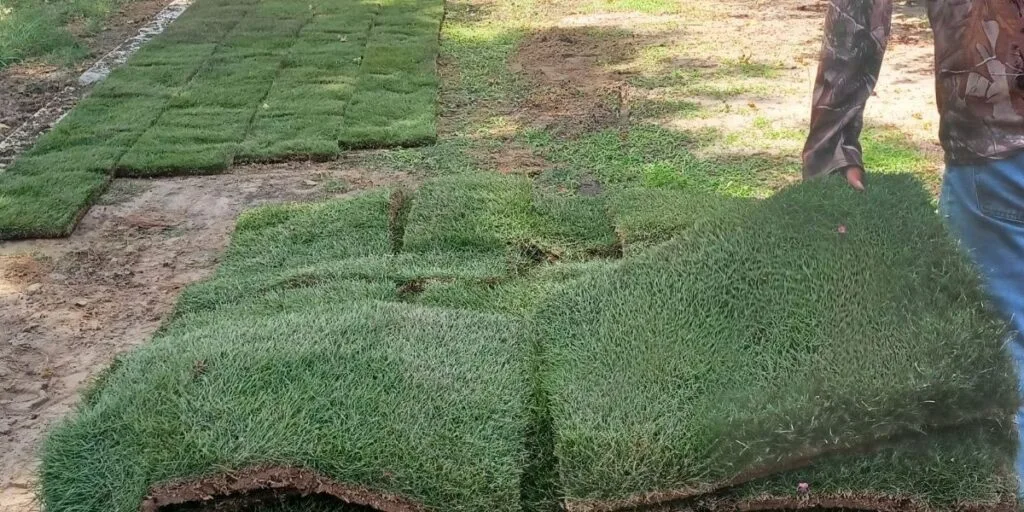
Image source: Web (Bing) / grasscure.com
The Short Answer: What You Need to Know First
Bermuda grass can survive in light shade, but it won’t thrive. It needs at least 4 to 6 hours of direct sun, ideally more. Under heavy canopy, expect thinning and bare spots.
Hybrid varieties handle shade slightly better than common Bermuda.
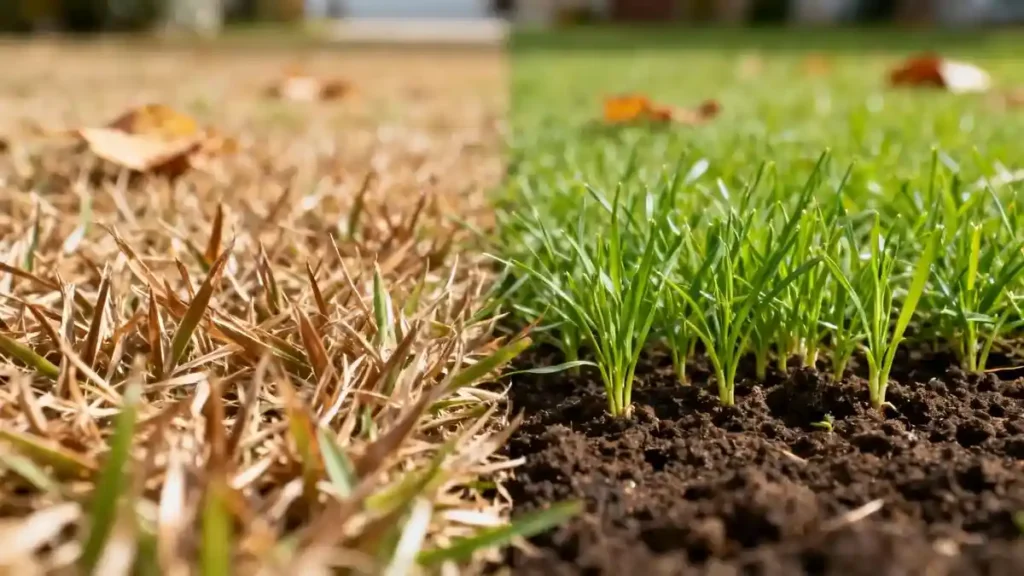
That “survive” versus “thrive” distinction matters more than most people realize. A shaded Bermuda lawn might stay green through spring, then slowly melt away by August. It’s not that the grass is dead.
It’s simply starving for light, which brings us to what’s actually happening under that tree.
Why Bermuda Falls Apart in Shade (The Science Without the Snooze)
Bermuda is a warm-season grass built for intense sunlight, and it’s classified as a C4 plant. Plants like that turn sunlight into stored energy at a much higher rate than cool-season grasses. Drop the light levels, and that engine stalls.
The grass stops producing enough carbohydrates to feed its own roots and stolons. When reserves run out, the turf thins from the bottom up.
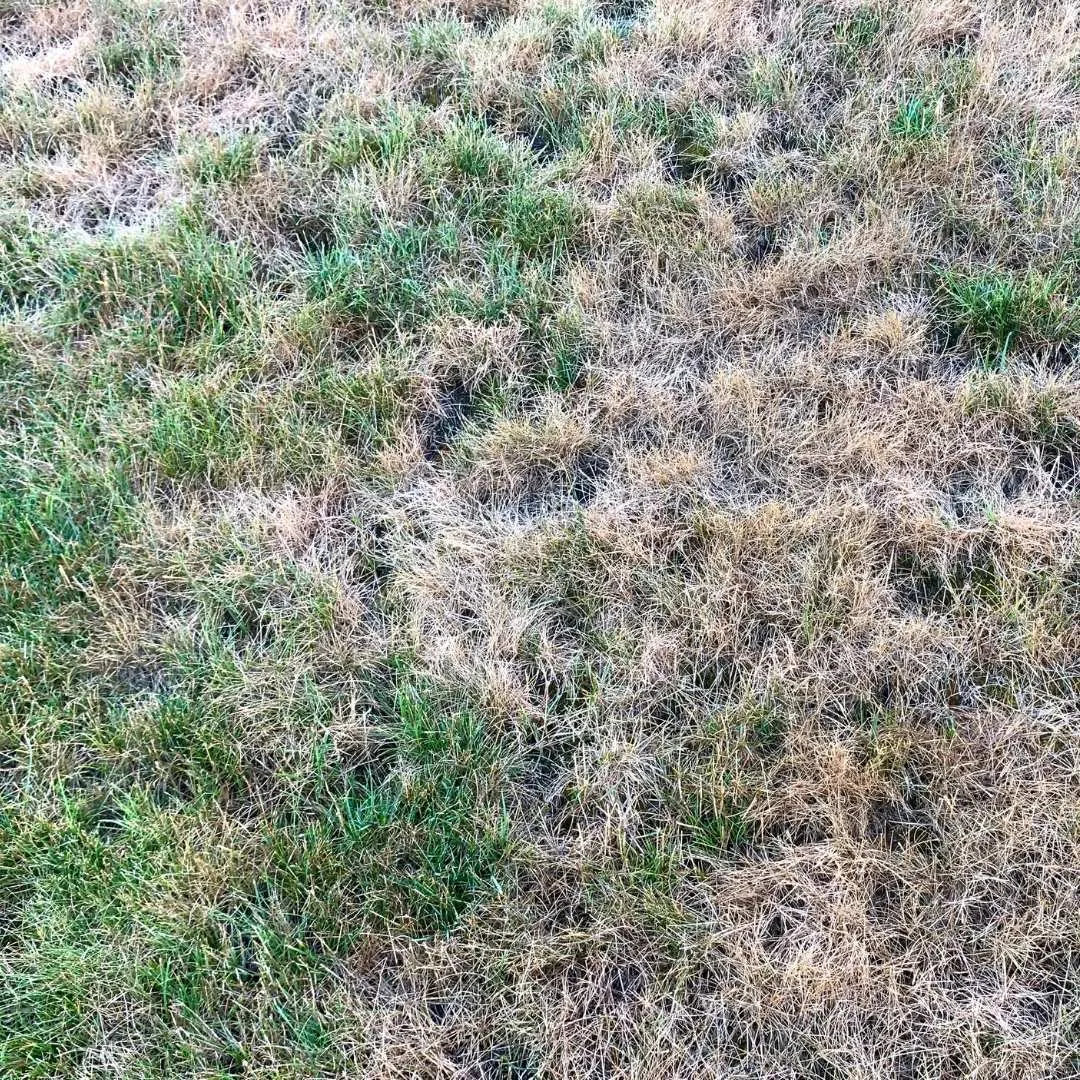
Image source: Web (Bing) / rohrsnursery.com
Tree roots add another layer. Most shade problems come with tree competition. Large oaks, maples, and hollies don’t just block light.
They also outcompete the grass for water and nutrients. A single mature oak can draw hundreds of gallons of water per day from the soil. Your Bermuda is left with poor light, dry dirt, and a root system fighting for scraps.
Research published through USDA turfgrass programs confirms that shade stress in warm-season grasses is primarily a carbohydrate shortage problem. The grass can’t photosynthesize enough to refill its reserves, so it slowly starves. The visible fading and patchiness is just the last stage of that depletion.
Assess Your Shade Situation Before You Spend a Dime
Before you buy a single bag of seed, measure the actual light in your yard. You can’t guess this one, because human eyes are terrible at judging shade intensity.
Here’s the simplest method. Pick a clear, sunny day in late spring or summer. Start at 8 a.m. and check the spot every hour until 6 p.m.
Count each hour with direct sun hitting the ground. Note whether it’s full sun, partial sun, or only dappled light passing through leaves.
| Shade type | Sun hours | Bermuda outcome |
|---|---|---|
| Light shade | 4 to 6 hours direct or dappled | Survives, thin in spots |
| Moderate shade | 2 to 4 hours | Declines, not worth planting |
| Dense shade | less than 2 hours | Fails, pick another approach |
Use that table as your baseline. Morning sun counts more than afternoon sun for Bermuda, because it dries the dew and clears the leaf wetness that invites fungal disease. An east-facing spot with 5 hours of morning sun is more workable than a west-facing spot with 5 hours of blazing afternoon heat trapped under a low canopy.
The Decision Tree: Can You Make Bermuda Work?
Now that you have real data, you can make a call. Run your hours through these branches.
Branch 1: Less than 4 hours of direct sun. Stop. Bermuda will not give you a lawn here, no matter what you do. Try mulching beds, shade-tolerant ground cover, or a walkway instead.
Branch 2: 4 to 6 hours of dappled or morning sun. This is the viable path. It’s the only shade level where Bermuda has a real chance. Use the care adjustments in the next section, choose a shade-tolerant hybrid, and set your expectations low.
Branch 3: More than 6 hours. You’re basically in full-sun territory. Bermuda will grow well, and you can worry less about shade management.
If you’re still unsure, assess the canopy itself. A high, open pine canopy with dappled light is far better for Bermuda than the dense, solid shade of a low-branching oak. Light-washed but airy shade is very different from deep, heavy shade.
What Should You Plant Instead of Bermuda Grass in Shade?
If your yard gets less than four hours of direct sunlight, switching grass types may be a better option than fighting the shade. The right choice depends on your climate and how much light reaches the ground.
-
St. Augustinegrass: A useful option for warm-season lawns in suitable climates. Some varieties tolerate partial shade better than Bermuda.
-
Zoysia grass: Certain varieties handle moderate shade, although they still need enough sunlight to stay healthy.
-
Fine fescue: Worth considering in cooler climates, where some types grow well in partial shade.
-
Shade-tolerant ground covers: For spots with very little sunlight, ground covers or mulched planting beds may work better than grass.
Before choosing, check local growing recommendations and the specific variety’s shade tolerance. Even shade-tolerant grass can struggle beneath dense tree canopies.
How to Give Bermuda Its Best Shot in Shade
You can push Bermuda’s limits in partial shade, but only if you manage every other factor aggressively. Here’s the routine that gives it a fighting chance.
Mow higher. Raise the mower deck to 3 to 4 inches in shaded areas. That extra leaf surface captures more of the limited light. The Clemson Cooperative Extension publishes landscape turf guides that back up this approach.
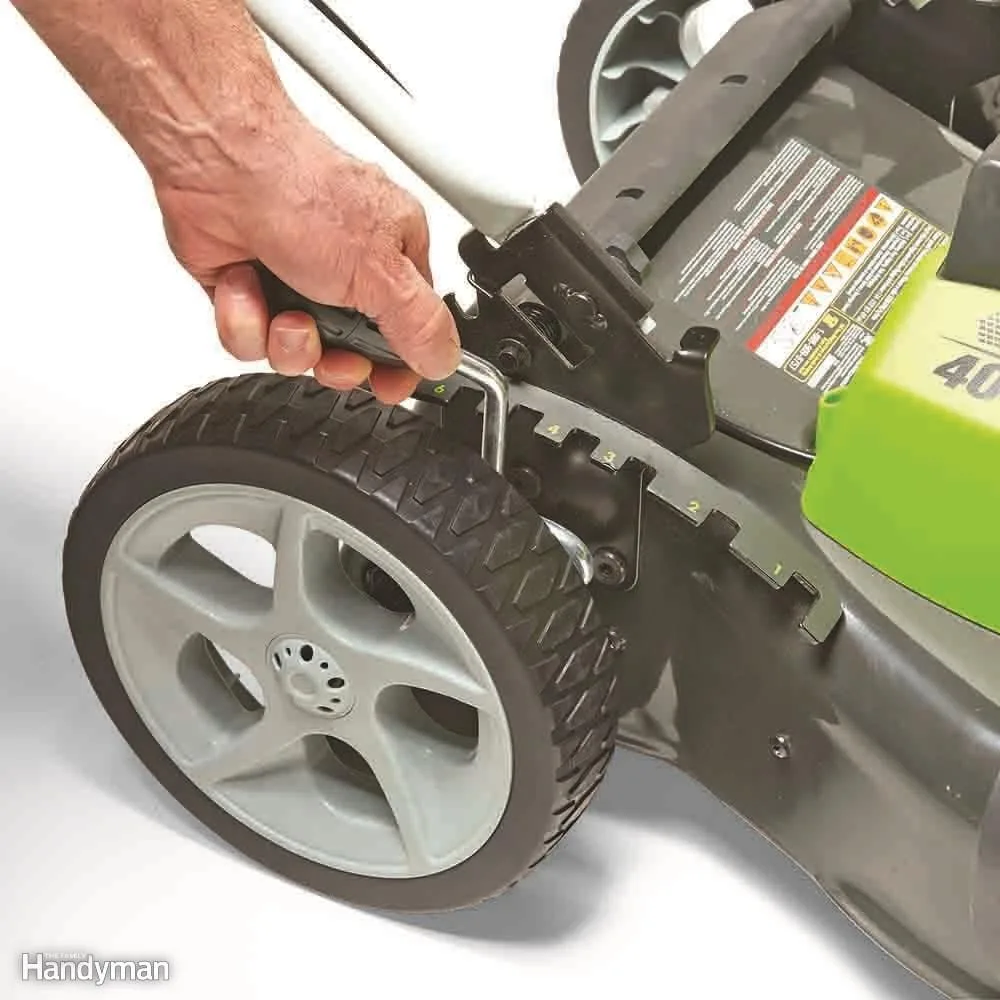
Image source: Web (Bing) / storage.googleapis.com
Water less often. Counterintuitive but critical. Shaded turf uses water slower, and tree roots hold onto moisture longer. Cut irrigation frequency in shaded zones, and water deeply when you do rather than sprinkling every day.
Cut fertilizer. Shaded patches don’t need as much nitrogen as open lawn. Reduce the rate by 30 to 50% in those areas. Too much nitrogen pushes flimsy, soft growth that pests and disease attack.
Thin the canopy. Hire an arborist to limb up the lower branches and thin out the interior crown. Don’t remove the tree. Just open the light gaps so more sun reaches the ground.
Pick a better grass type if you’re starting fresh. Some Bermuda hybrids show better low-light tolerance than common Bermuda. Look for varieties like Tifgrand or Tifway 419, which hold up better under reduced sun than standard lawn seed mixes.
And keep up with routine care. Aerate the shaded spots each fall to relieve compacted soil, feed at the right times, and keep it thick and healthy with the basics covered elsewhere. Each of these tasks matters more in shade than in full sun.